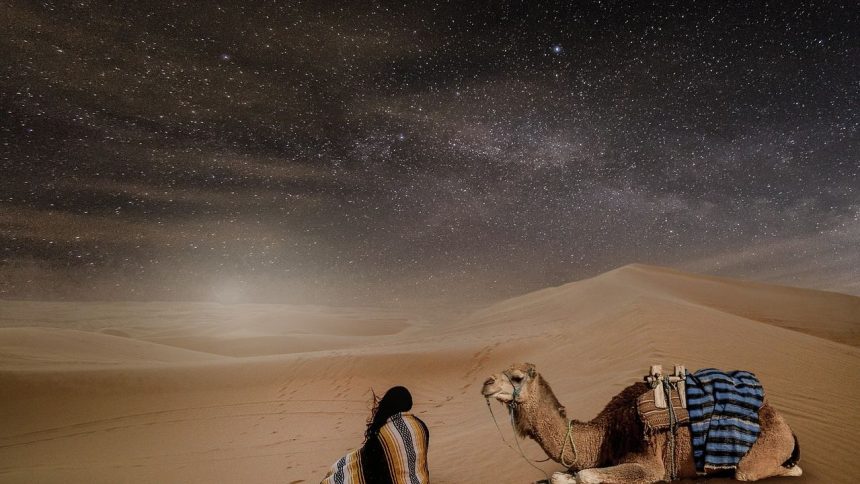
There is something about the desert that refuses to let your mind run at full speed. The emptiness slows you down. The horizon stretches so far it almost feels like a dare: try to rush here. It is no accident, then, that desert landscapes have become one of the fastest-growing destinations in the global mindfulness movement. As stress levels rise and urban life grows louder, a striking number of people are heading somewhere genuinely quiet to look inward.
A Practice That Has Gone Mainstream

Meditation was once associated with monasteries, cushions on a studio floor, or a decade of dedicated spiritual practice. Today, it looks very different. The share of adults in the United States practicing mindful meditation doubled from 2002 to 2022, rising from roughly seven and a half percent to over seventeen percent.
The numbers behind this shift are significant. Between 200 and 500 million people worldwide now meditate and practice mindfulness. That is not a niche pursuit. It is a broad cultural turn toward inner work.
The meditation market has grown exponentially in recent years, and is projected to grow from around 9.6 billion dollars in 2025 to nearly 11.9 billion dollars in 2026 at a compound annual growth rate of 23.3 percent. The demand is real and it is accelerating.
Why the Desert? The Silence That Changes Things

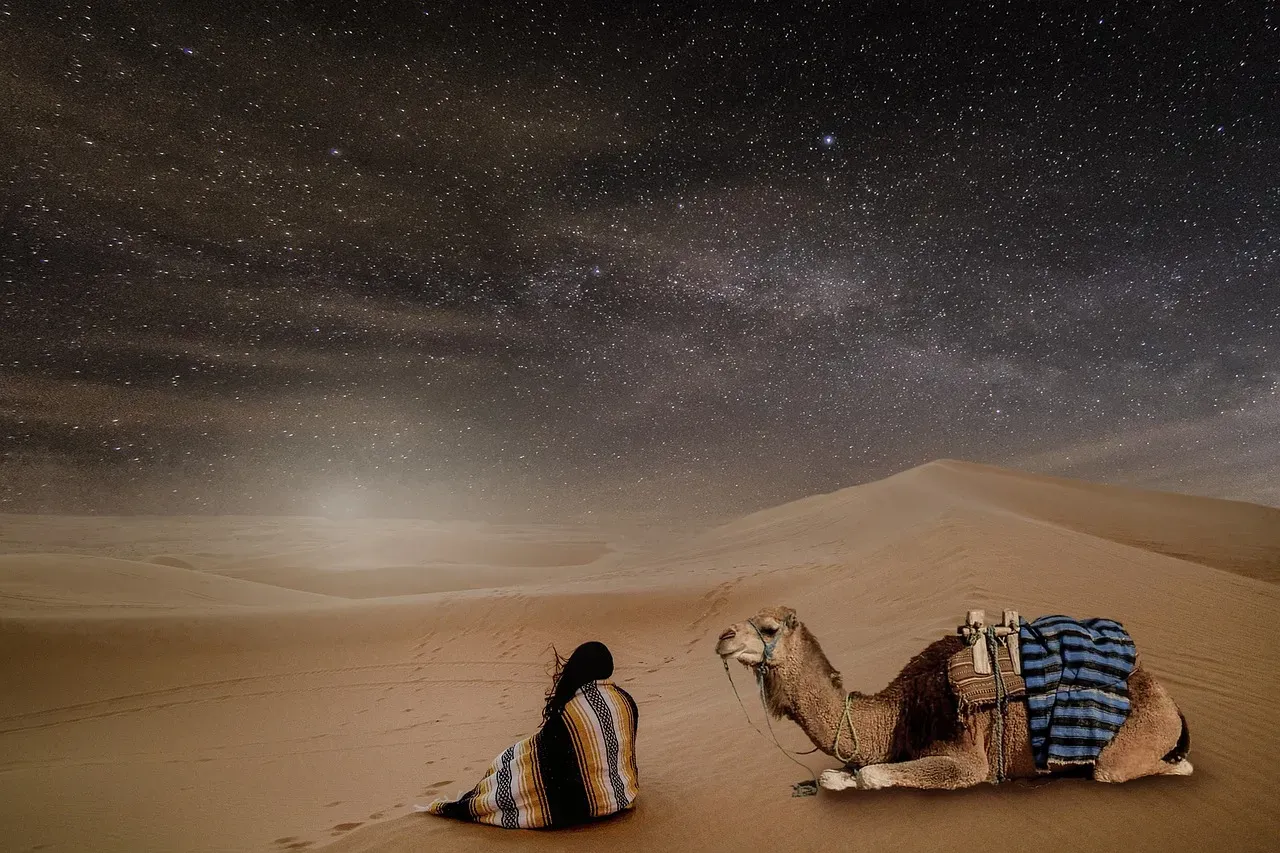
Deserts are typically devoid of noise pollution, allowing for a peaceful atmosphere that encourages deep contemplation. For anyone who has spent time in an arid landscape, this is immediately obvious. The silence there is not just an absence. It has weight and texture.
The vast open spaces of the desert can be particularly therapeutic for those seeking stress reduction and mental clarity. The sheer scale of the landscape can help put problems into perspective, while the silence, punctuated only by the whisper of wind or the occasional call of a bird, creates an ideal setting for quieting the mind.
Deserts, with their vast emptiness, offer a unique space for introspection. While traditional Buddhist practices often take place in lush, temple-laden settings, the minimalism of a desert can foster a deep connection with one’s inner self. That stripped-down quality is precisely the point.
The Science Behind Desert Calm

Modern science supports many claims about the healing effects of desert landscapes. Research has shown that exposure to natural environments, including deserts, can improve mental health, reduce anxiety, and boost cognitive function. The absence of noise pollution and the soothing visual stimuli of the desert further enhance these benefits.
Meditation in the desert helps regulate the nervous system, lowering cortisol levels and reducing the physiological effects of stress. Cortisol is the body’s primary stress hormone, and its reduction is one of the most measurable outcomes of mindfulness practice in nature.
Meditating in a barren yet awe-inspiring landscape can sharpen focus. The natural beauty surrounding practitioners creates a sense of clarity that aids concentration. Without external distractions, people become more attuned to their thoughts and feelings, leading to insights that may not surface in a bustling environment.
The Wellness Retreat Boom in Arid Destinations
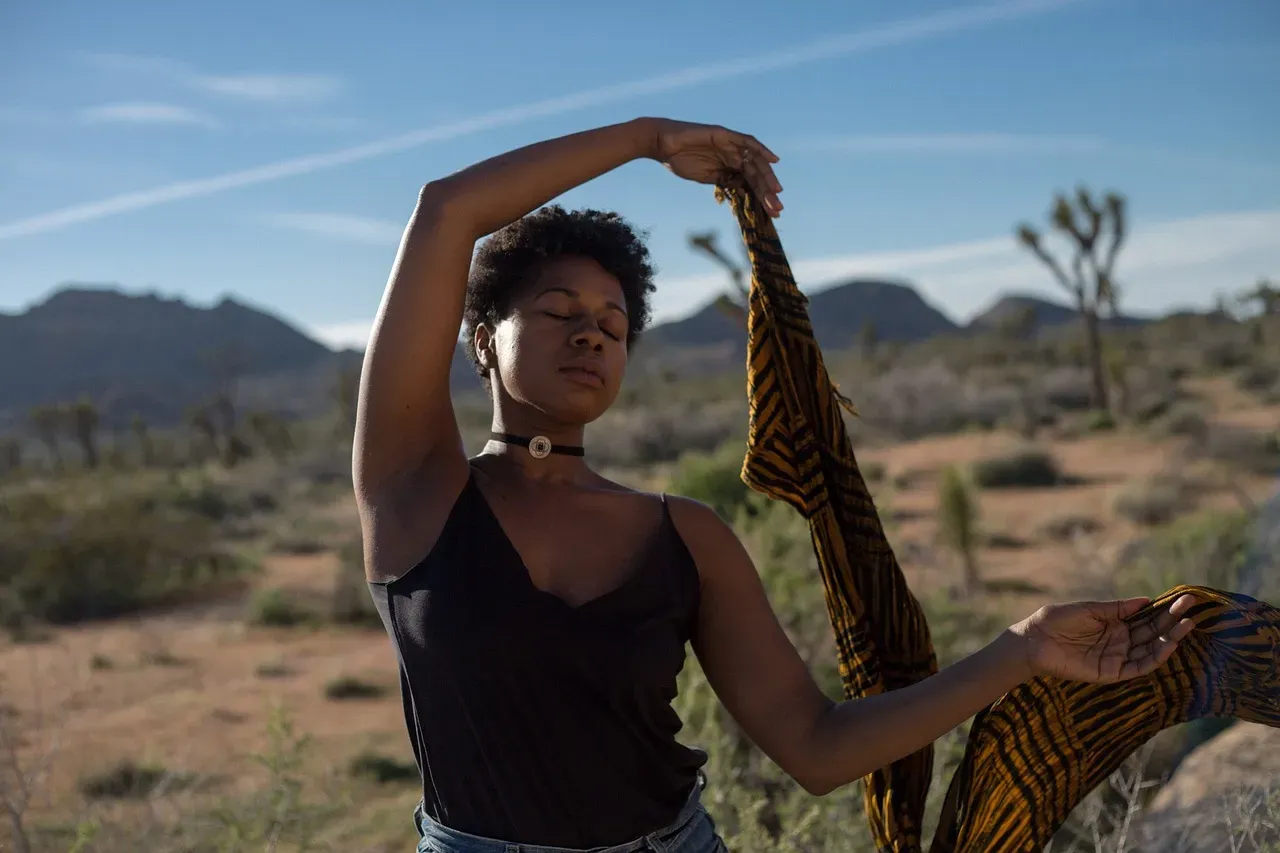
In recent years, spiritual retreats in desert locations have gained considerable popularity. This is visible in every corner of the market, from boutique yoga retreats in California’s high desert to luxury wellness properties embedded in the red rock canyons of the American Southwest.
Distinctive natural settings like deserts, offering solitude and sunrise yoga, have emerged as top environments facilitating healing and renewal in the wellness travel sector. Retreat organizers have taken note, and the programming has followed.
Mindfulness and meditation continue to be central themes in wellness retreats. As stress and anxiety levels rise, these practices offer a refuge and a tool for mental clarity. Desert settings amplify both of these qualities in ways that indoor studios simply cannot replicate.
Joshua Tree, Sedona, and the American Desert Circuit

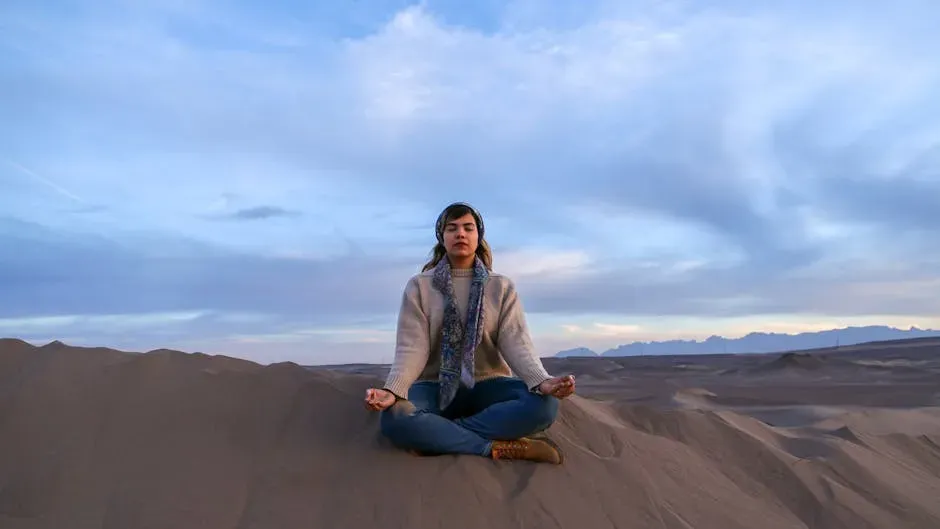
Joshua Tree, California, known for its vast, otherworldly landscapes, has become a hub for spiritual retreats. The integration of Buddhist meditation teaches people how to cultivate mindfulness amidst the natural beauty of the arid land. Weekends there book months in advance for serious practitioners and curious beginners alike.
Known for its striking red rock formations and energy vortexes that promote spiritual and emotional healing, Sedona provides a compelling setting for those seeking spiritual rejuvenation. Retreats there leverage this unique environment through guided meditations, yoga, and workshops focused on grounding and connecting with both the earth and one’s own energy.
Arizona is one of the most inspiring places to begin a true wellness journey. You’ll find everything from luxury wellness resorts tucked into the Sonoran Desert to serene yoga retreats in Sedona and Tucson. Each destination offers a unique blend of healing and natural beauty.
Amangiri and the Luxury Desert Sanctuary Model

Blending into untouched red-rock country on over 900 acres of the Colorado Plateau, Amangiri and its satellite Camp Sarika reflect dual aspects of this ancient desert landscape. A serene sanctuary, Amangiri’s modernist suites, Aman Spa, and mesa-embracing pool echo the tranquility of the canyons.
Amangiri offers a three-night, full board journey of movement and mindfulness complemented by spa treatments, with options including silent sessions, breathwork, guided meditation, and mindfulness walks among the available programming. It is a refined but genuine attempt to anchor stillness in a place that already knows how to be still.
This model has influenced how the broader wellness retreat industry structures desert experiences. The emphasis on personalization, immersive nature exposure, and curated silence has become something of a blueprint. In 2025, personalized retreat experiences are at the forefront, offering a bespoke approach to health and well-being. Retreats now offer tailored programs that cater to individual needs and preferences.
Desert Dharma: The Spiritual Roots of the Trend

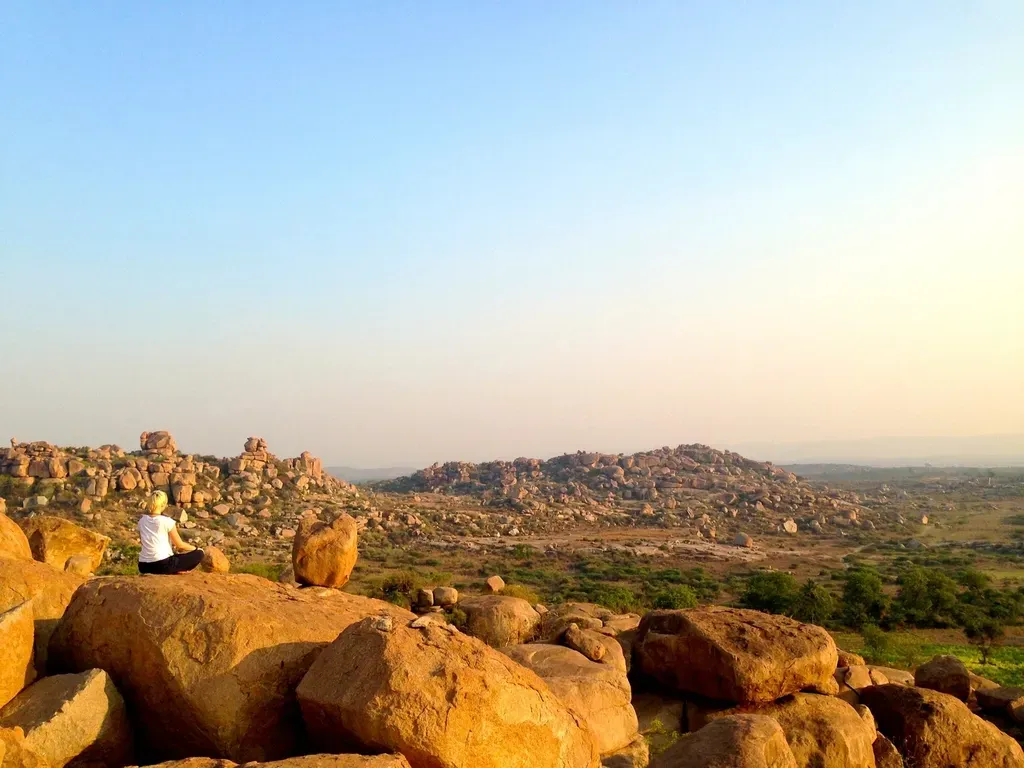
Throughout history, deserts have been seen as places of transformation. In many cultures, they are viewed as spiritual crucibles where individuals can experience profound personal growth and insight. This is not a wellness industry invention. It is a thread that runs through Indigenous traditions, early Christian monasticism, Islamic mysticism, and Buddhist wandering practice alike.
Practitioners engage in walking meditations that emphasize every footfall as a reminder of staying grounded and aware. The natural silence of the desert also enriches silent retreats, supporting the practice of noble silence and deep introspection.
The deep silence and beauty of the desert supports contemplative practice in a way that is difficult to manufacture elsewhere. Retreat centers like Dhamma Dena in the Mojave Desert have built their entire philosophy around this specific quality of the landscape.
Mental Health Benefits: What the Research Shows
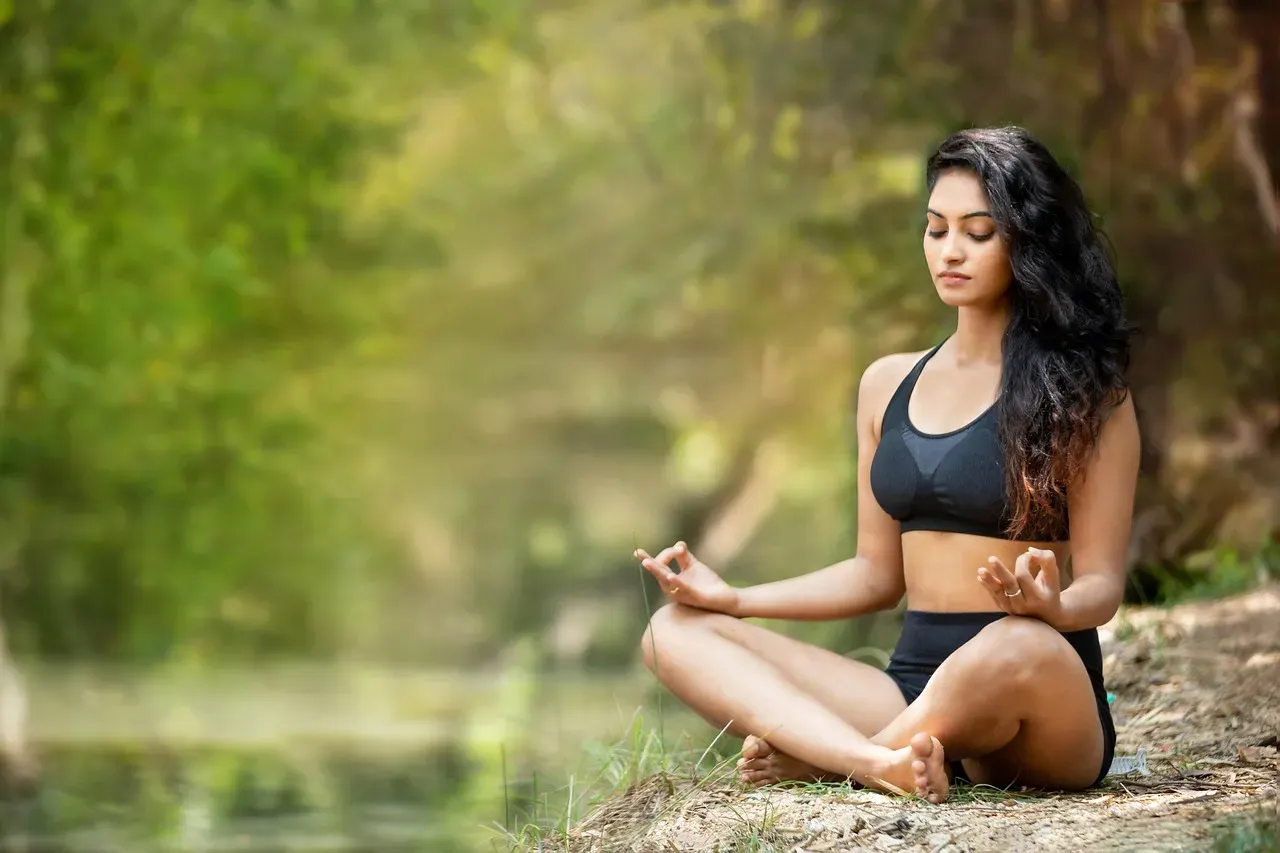
Nearly nine in ten people report that meditation and mindfulness helped reduce stress or aid relaxation, while almost four in five adults say their overall health improved. These are not marginal findings. They reflect a consistent pattern across multiple studies.
Many desert therapy programs incorporate mindfulness techniques such as meditation or yoga into their curricula. These practices help participants cultivate an awareness of their thoughts and feelings while grounding them in the present moment, which is considered crucial for trauma recovery.
Around eighty-four percent of individuals who engage in meditation do so with the intention of alleviating stress and anxiety, while more than half of meditators report that it enhances their memory and concentration abilities. The desert, as a setting for these practices, appears to deepen and accelerate those outcomes.
The Rise of Digital Detox and Silent Retreats in Desert Settings

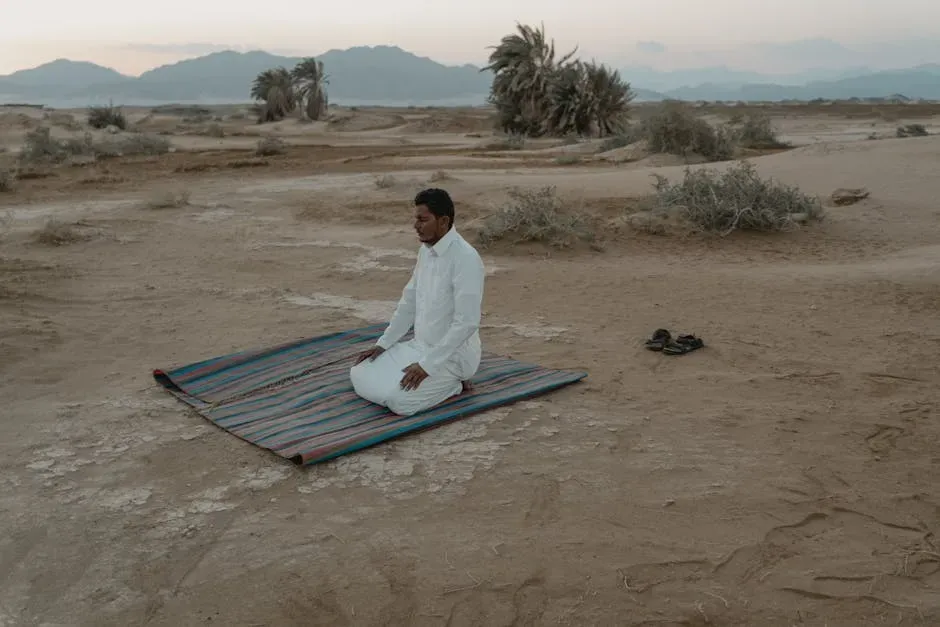
The solitude of deserts offers a rare opportunity to unplug from technology and external stressors. This isolation fosters introspection and mindfulness, allowing individuals to reconnect with their inner selves. The combination of enforced disconnection and vast natural beauty is proving to be a powerful formula.
Meditation has many science-backed benefits and is gaining great popularity across the globe. In these fast-paced and noisy times, it offers a moment of silence and a powerful soul-searching tool. The desert takes that premise and removes every competing distraction.
Silent retreats in particular are seeing growing demand in arid regions. Mindfulness and meditation practices are a crucial component of high desert therapy. The quiet, expansive nature of desert landscapes provides an ideal backdrop for cultivating present-moment awareness, with many programs incorporating guided meditations, mindful walking exercises, or silent retreats.
Who Is Going, and What They’re Finding

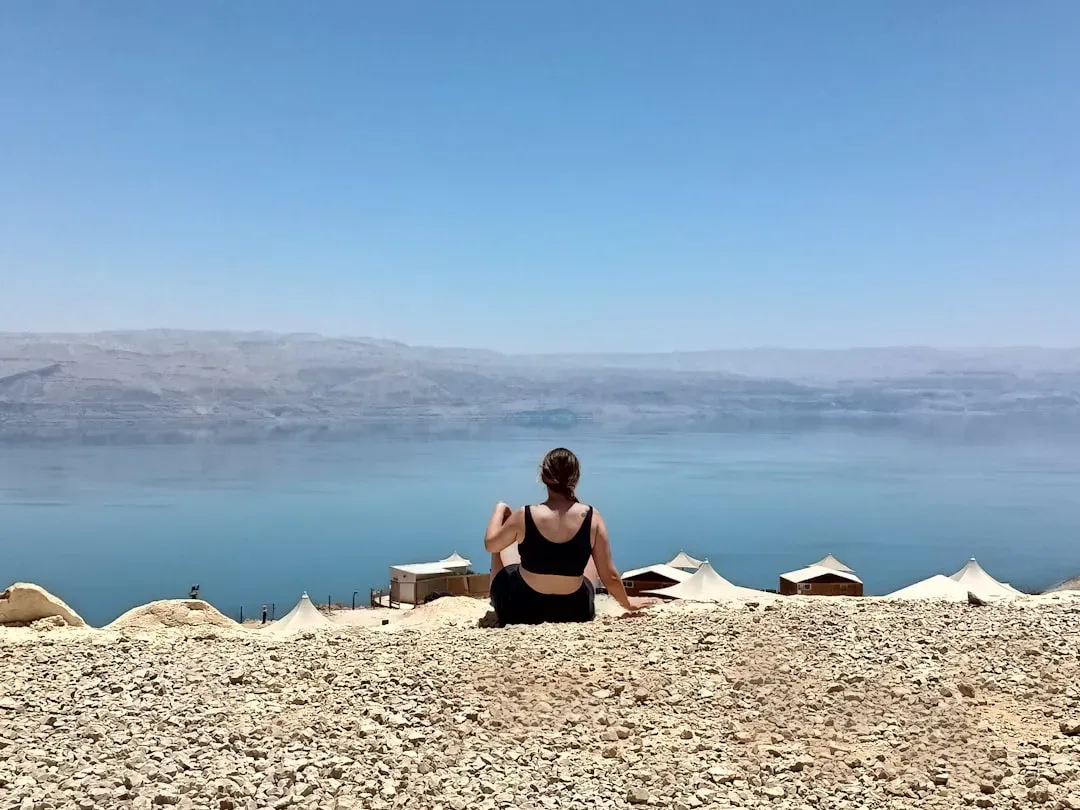
About sixty percent of meditation retreat guests are complete beginners. The demographic of the desert retreat seeker is, in other words, much broader than a seasoned practitioner base. These are people encountering formal mindfulness practice for the first time, choosing an extreme environment to do it in.
The benefits of wellness retreats are numerous and well-documented. Participants often report improved mental health, increased energy levels, and a renewed sense of purpose. Retreats provide a space to disconnect from daily stressors and focus on self-care, leading to long-lasting positive effects on both physical and mental well-being.
The desert does something else, too, that structured programs alone cannot offer. Desert meditation offers a unique opportunity to connect with nature and the elements in their purest form. The relentless sun, the shifting sands, and the occasional oasis all become teachers, offering lessons in impermanence, resilience, and the delicate balance of life. People leave not just rested, but reoriented.
The Road Ahead for Desert Mindfulness
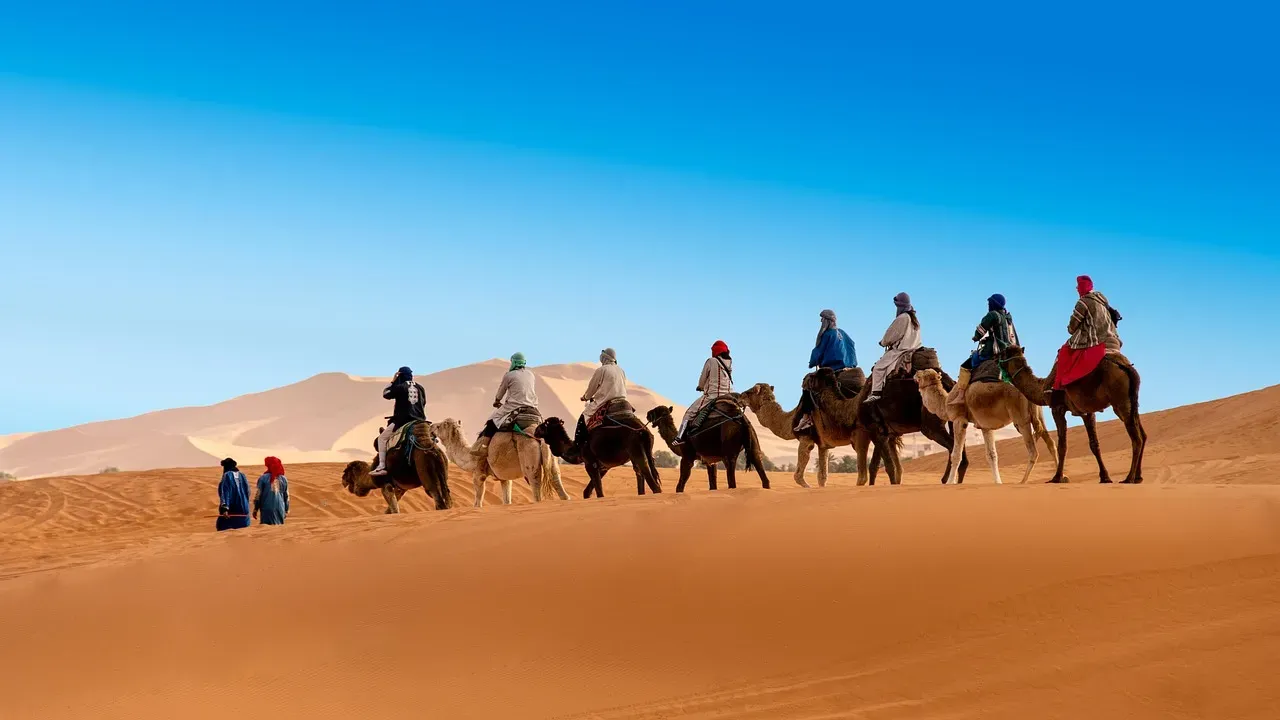
The global meditation and mindfulness market is expected to grow by 18.7 percent annually from 2024 to 2028, with mindfulness programs increasingly integrated into workplaces and schools. That institutional expansion will run parallel to the growth of immersive, nature-based practice, not replace it.
As interest in mindfulness and alternative spirituality continues to grow, desert dharma presents a compelling option for those looking to deepen their practice. The unique combination of landscape and philosophy offers a one-of-a-kind experience that can be both profound and life-changing.
Desert therapy presents an innovative approach that harnesses the natural world’s healing properties while promoting mindfulness, community connections, and personal growth. As more people become aware of alternative therapeutic options beyond traditional modalities, incorporating nature into healing practices has gained real traction. The desert, it turns out, was always ready. It just needed people willing to be quiet enough to notice.