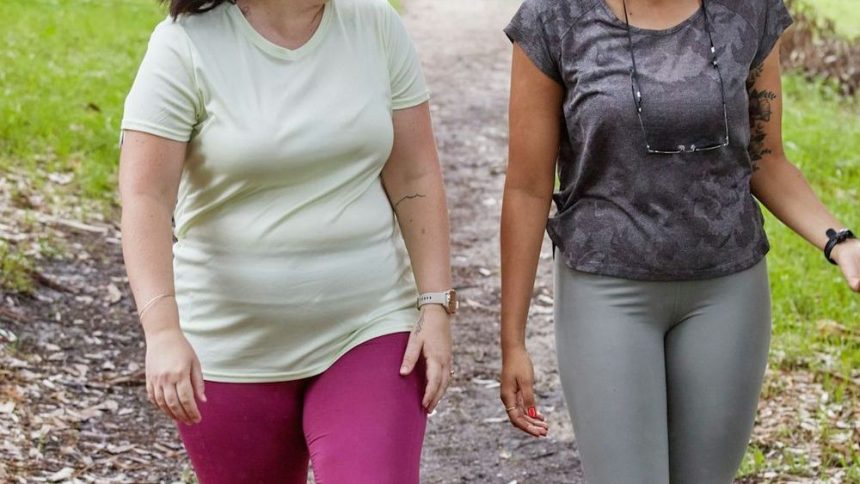
Most Adults Aren’t Meeting Basic Activity Levels
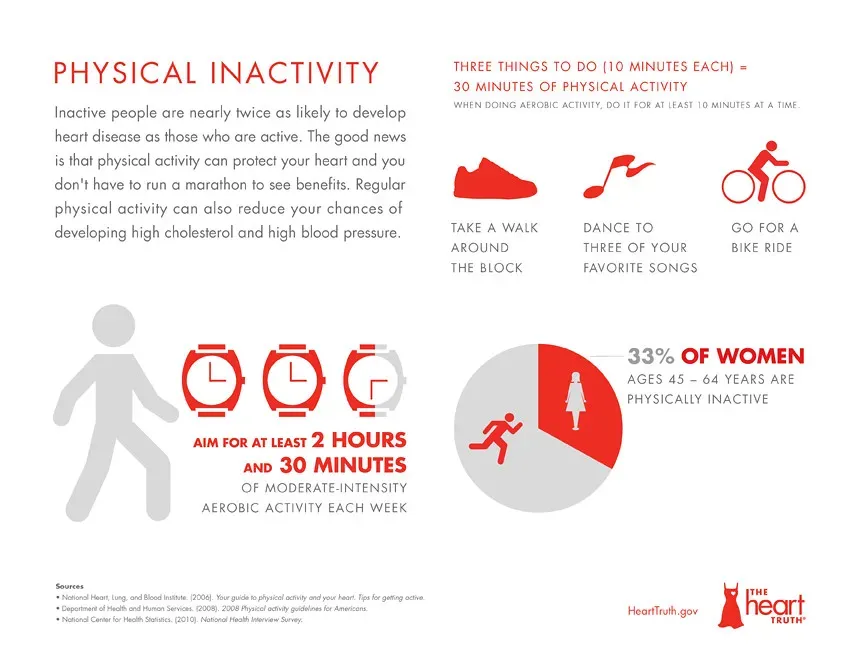
Let’s be real, nearly one out of every three adults globally isn’t getting enough physical activity. WHO data from 2022 show that roughly 31% of adults worldwide, around 1.8 billion people, failed to meet recommended physical activity levels, and inactivity has climbed by about five percentage points from 2010 to 2022. It’s not just about being lazy, though. When you think about it, modern life doesn’t exactly encourage movement. Here’s the thing: believing you need to hit the gym every single day to be healthy is one of the biggest myths out there. The reality is far more forgiving than that.
The World Health Organization actually recommends something way more achievable. Adults should aim for 150 minutes of moderate-intensity or 75 minutes of vigorous-intensity physical activity per week. That’s just over 20 minutes a day of moderate activity or about 10 minutes of vigorous stuff. You don’t need to become a fitness fanatic overnight.
You Don’t Need to Work Out Every Single Day

Here’s a myth that makes people quit before they even start: the idea that if you’re not exercising seven days a week, you’re wasting your time. Official guidance actually supports a “some is good, more is better” philosophy, not an all-or-nothing approach. The American Heart Association recommends moderate to high-intensity muscle-strengthening activity on at least two days per week, not every day. That’s it. Two days minimum for strength work, plus some aerobic activity spread throughout the week.
Most people feel like they’ve failed if they miss a workout, but your body actually needs rest days to recover and rebuild. Honestly, pushing yourself to exhaustion every day isn’t the badge of honor some fitness influencers make it out to be. It’s more likely to lead to burnout or injury than to better results.
Most Americans Skip Strength Training Entirely
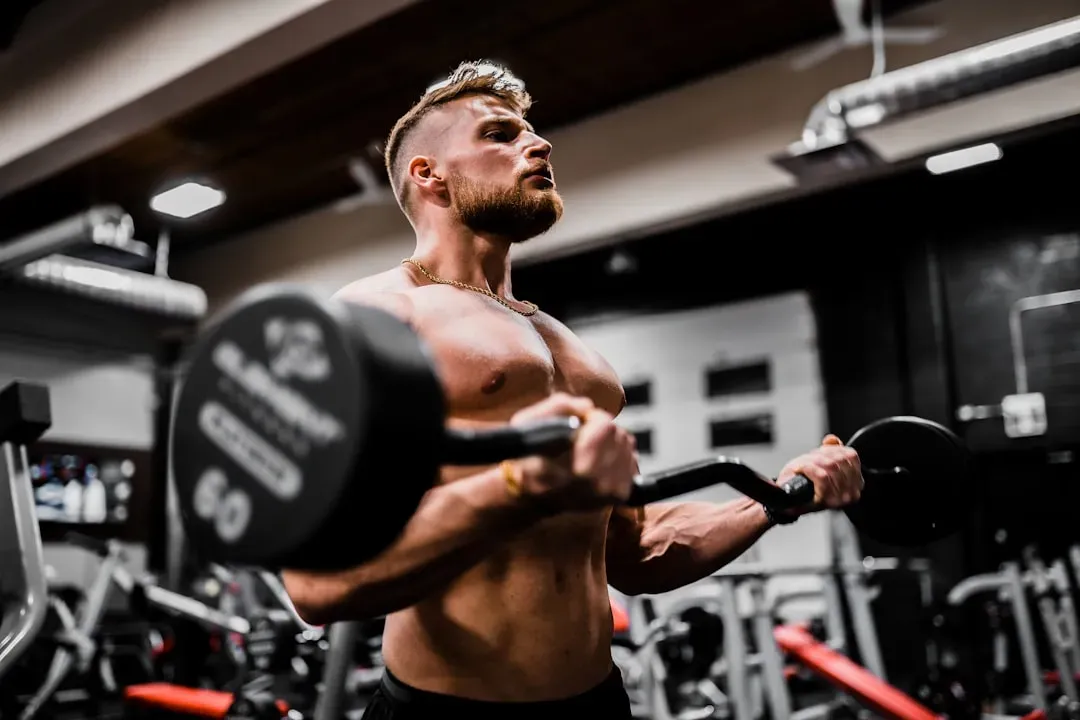
While we’re on the subject of strength training, here’s a sobering fact. Only 28% of US adults report doing resistance training at least two days per week, which is the federal guideline target, despite well-documented benefits. That means nearly three out of four adults are missing out on one of the most effective ways to protect their health. Muscle mass declines as we age, and strength training is the best defense against that decline.
I think part of the problem is that strength training sounds intimidating. People picture bodybuilders and heavy weights, but it doesn’t have to be that way. Bodyweight exercises, resistance bands, or even light dumbbells count. Just 30 to 60 minutes per week of resistance training is associated with maximum risk reduction for all-cause mortality and cardiovascular disease. That’s less than half an hour twice a week, yet most of us still don’t do it.
Cardio Alone Won’t Guarantee Weight Loss

This one might surprise you. Many people think any amount of cardio will melt fat away, but the science tells a more nuanced story. A 2024 dose-response meta-analysis found that aerobic exercise at least 150 minutes per week was associated with clinically important reductions in waist circumference and body fat in adults with overweight or obesity. Small amounts of exercise produce modest changes, but if you want clinically meaningful weight loss, you’ll likely need more than just a casual 20-minute walk here and there.
The myth that “any cardio is enough” sets people up for disappointment. Research shows that aerobic training exceeding 150 minutes per week at moderate intensity or greater may be needed to achieve clinically important reductions in weight and body fat. It’s not that cardio doesn’t work; it’s that the dose matters more than people realize.
Steps Still Matter Even If You Sit a Lot

Some people think that if they have a desk job, walking a bit won’t help because they’re sedentary most of the day. That’s another myth worth busting. A 2024 UK Biobank device-based cohort study found that any steps above 2,200 per day were associated with lower mortality and lower cardiovascular disease risk, even among people with high sedentary time. In other words, every step counts, no matter how much you sit.
This is actually encouraging news for office workers or anyone stuck at a desk. You don’t need to completely overhaul your lifestyle to see benefits. Just getting up and moving a bit more, even in short bursts throughout the day, can offset some of the harm from prolonged sitting. It’s not perfect, but it’s way better than nothing.
Walking Improves Mental Health at Lower Step Counts

Here’s another reason not to obsess over 10,000 steps: mental health benefits kick in much earlier. A 2024 meta-analysis in JAMA Network Open, covering 33 studies and 96,173 adults, found that higher daily steps were associated with fewer depressive symptoms, with multiple step ranges showing benefit compared with fewer than 5,000 steps per day. You don’t need to become a marathon walker to feel better mentally. Even moderate increases in daily movement can lift your mood.
This connection between steps and mental health is often overlooked. People focus on weight loss or heart health, but the psychological benefits of movement are just as real. If you’re feeling low or anxious, a walk might be one of the simplest and most effective interventions available. It’s hard to say for sure, but I think we underestimate how much our minds need movement just as much as our bodies do.
Sweating More Doesn’t Mean You’re Burning More Fat

This myth drives people to wear extra layers or work out in the heat, thinking they’ll burn more fat if they sweat buckets. In reality, sweating is mainly a cooling mechanism. Your body releases sweat to regulate temperature, not to shed fat. The amount you sweat has almost nothing to do with how many calories you’re burning or how much fat you’re losing.
If you step on the scale after a heavy sweat session and see a drop, that’s water weight, not fat loss. Public health sources emphasize that sweating does not meaningfully increase calorie burn, and any weight loss you see is temporary and will come back as soon as you rehydrate. So don’t torture yourself in a sauna suit thinking it’s a shortcut. It’s not.
Muscle Soreness Isn’t a Reliable Sign of a Good Workout

Plenty of people judge their workouts by how sore they feel the next day. No soreness? Must not have worked hard enough, right? Wrong. A 2024 research review on delayed-onset muscle soreness describes how soreness commonly follows unfamiliar or eccentric exercise and can occur even when muscle injury is minimal or absent in many conditions. Soreness is more about novelty and the type of movement than the quality of your workout.
If you do the same routine for weeks, you might stop getting sore even though you’re still making progress. Conversely, trying something new can leave you hobbling for days even if it wasn’t particularly intense. The takeaway? Soreness is a poor measure of effort or results. Focus on whether you’re getting stronger, faster, or more capable over time, not on how stiff you feel two days later.
What Does This All Mean for Your Fitness Routine

Fitness myths can paralyze people into inaction or push them toward unsustainable extremes. The truth is usually somewhere in the middle. You don’t need to work out every day, chase 10,000 steps, sweat till you drop, or do only high-intensity training to be healthy. What matters most is finding movement you can stick with, doing it consistently, and gradually increasing what you can handle. Progress beats perfection every single time.
Small, realistic changes compound over time. Adding a few thousand steps to your day, lifting weights twice a week, or swapping some couch time for a walk can all lead to meaningful improvements in your health. So forget the all-or-nothing mentality. What fitness habit could you realistically add to your week starting tomorrow? That’s the question worth asking.