
Ever notice how some people seem to glow with energy while others shuffle through the day feeling sluggish? Here’s the thing: what you put on your plate matters more than most of us realize. I think we’ve all become a bit numb to nutrition advice, honestly. Between fad diets and conflicting headlines, it’s easy to tune out completely.
Yet certain foods have earned their superfood status for good reason. They’re not exotic or expensive, just consistently backed by science as powerful allies in preventing disease and supporting vibrant health. Let’s be real, nobody’s perfect with their diet every single day. Still, knowing which foods pack the most nutritional punch can help you make smarter choices when it counts.
Fruits and Vegetables: The Foundation of Every Meal

Think about your last few meals. Did roughly half your plate consist of colorful produce? If not, you’re missing out on one of the simplest ways to protect your health. The World Health Organization recommends eating a minimum of 400g of fruit and vegetables a day to lower the risk of serious health problems, such as heart disease, stroke and some types of cancer.
That 400 grams translates to about five portions daily. Eating at least 400 g, or five portions, of fruit and vegetables per day reduces the risk of NCDs and helps to ensure an adequate daily intake of dietary fibre. These foods supply abundant vitamins, minerals, and fiber that your body craves.
Honestly, I know it sounds crazy, but hitting that target isn’t as hard as it seems. Toss berries into your morning oatmeal. Snack on carrot sticks. Add spinach to your pasta. Small additions throughout the day add up faster than you’d expect, and the payoff for your cardiovascular system alone makes it worthwhile.
Whole Grains: The Unsung Heroes of Digestion

White bread and refined pasta might be convenient, but they’re nutritional lightweights compared to their whole grain cousins. Increasing fiber-rich foods like fruits, vegetables, whole grains, and legumes remains a highly recommended strategy for improving health and reducing the risk of chronic disease.
Options like oats, brown rice, quinoa, and whole wheat provide the fiber and nutrients your digestive system needs to function optimally. Current Dietary Guidelines for Americans recommends whole grain consumption of at least 3 servings per day (48 g/d whole grain ingredients) to facilitate the prevention of chronic diseases and premature death. The fiber content particularly stands out because it helps lower cholesterol production and stabilizes glucose response.
Switching from refined to whole grains is one of those changes that feels minor but creates ripples throughout your health. Better blood sugar control, improved cholesterol levels, and a lower risk of cardiovascular disease all stem from this single swap. Higher whole grain intake was associated with slightly better diet quality in recent population studies.
Legumes: Protein Powerhouses That Stabilize Blood Sugar
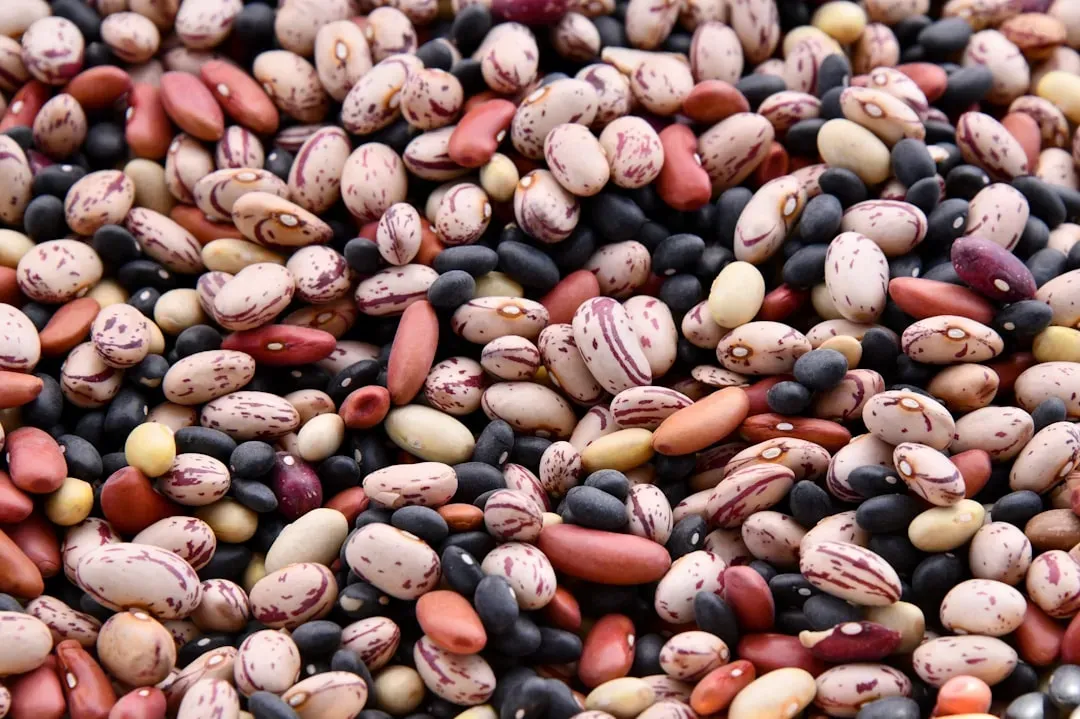
Beans and lentils don’t get nearly enough credit. These humble foods are nutritional superstars packed with protein, fiber, and micronutrients that work wonders for metabolic health. Scientific studies have definitively linked a diet high in legumes with a lower risk of developing obesity, diabetes, high blood pressure, high cholesterol, heart disease, or strokes.
The research on legumes and blood sugar control is particularly impressive. Regular legume consumption may play a considerable role in reducing the risks associated with Type 2 diabetes, with improvements in glycaemic control consistently observed among legume interventions, including reductions in fasting blood glucose, HbA1c, fasting blood insulin, and postprandial glucose.
What’s more, these benefits don’t require massive portions. Consuming at least one cup of legumes (beans, chickpeas, or lentils) every day for three months was associated with significant decreases in body weight, waist circumference, blood sugar, cholesterol, and blood pressure in clinical studies. That’s beans doing what some medications struggle to achieve.
Nuts and Seeds: Small Packages of Heart Protection
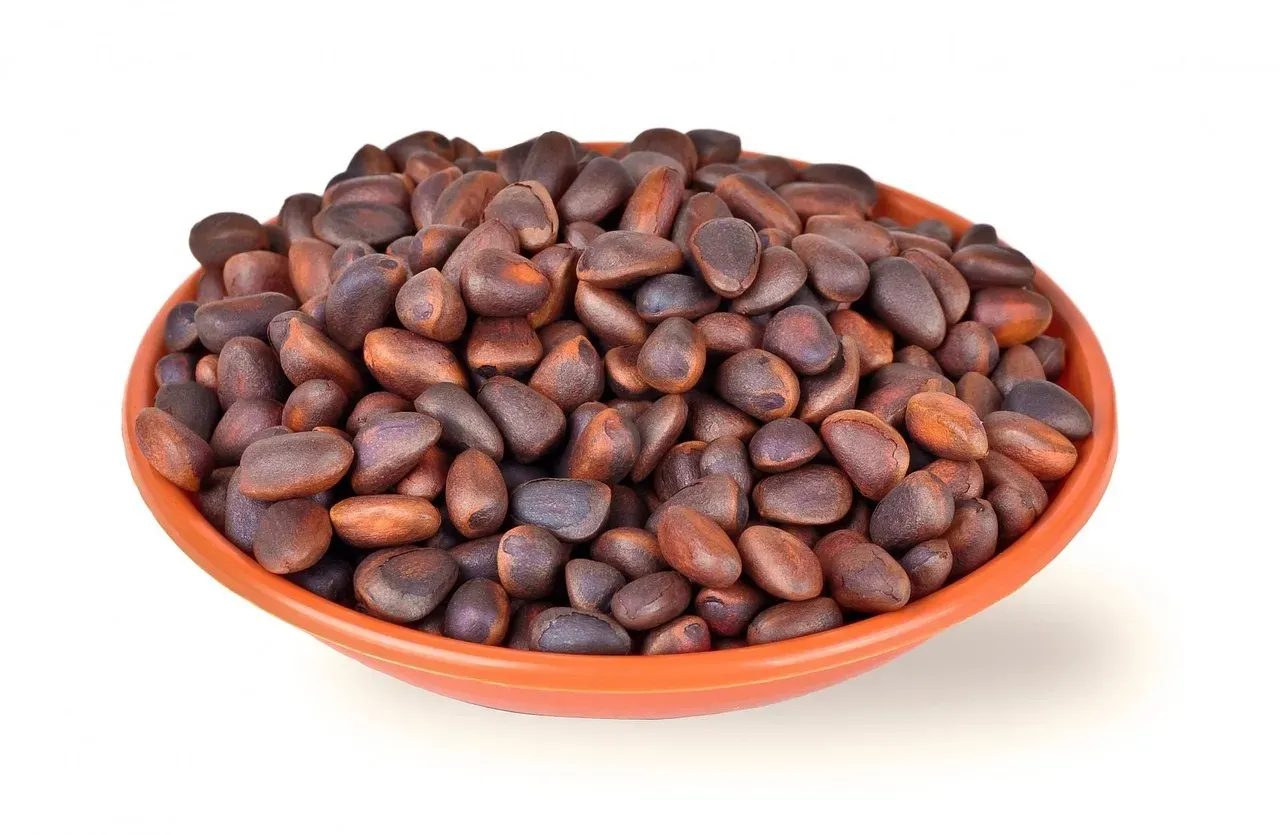
A handful of almonds or walnuts might seem like a modest snack, yet these tiny foods deliver outsized health benefits. Nuts and seeds contain healthy fats, protein, and antioxidants that actively support cardiovascular health when consumed regularly in appropriate amounts.
The monounsaturated and polyunsaturated fats found in nuts help improve cholesterol profiles. Meanwhile, their protein content makes them satisfying, which means you’re less likely to reach for processed snacks later. Let’s be real, nuts are calorie dense, so portion control matters. Still, around a quarter cup daily hits that sweet spot between benefit and excess.
Seeds like chia, flax, and pumpkin bring their own advantages to the table. They’re rich in omega-3 fatty acids and minerals that many people don’t get enough of through other foods. Sprinkling them on yogurt, oatmeal, or salads is an effortless way to boost your nutrient intake without much thought or effort.
Leafy Greens: Nature’s Multivitamins

If there’s one food group that deserves an award, it’s leafy greens. Spinach, kale, arugula, and watercress are among the most nutrient-dense foods on the planet. Leafy green vegetables are among the most nutrient dense foods in the human diet, packing more protective vitamins, minerals, and phytochemicals than any other food group.
Kale, spinach and arugula are packed with fiber and phytonutrients, not to mention calcium and vitamins A, C and K, providing anti-inflammatory benefits, as well as antioxidants that may lower cholesterol, prevent cancer and heart disease, and boost joint and bone health. The vitamin K content alone is remarkable, with just one serving often exceeding your daily needs.
Leafy green vegetables have an anti-inflammatory effect in the body, protecting against inflammation-driven cardiometabolic diseases, such as heart disease, hypertension, obesity, and type 2 diabetes. Their phytonutrients work at the cellular level to reduce oxidative stress and support DNA repair. Throwing a handful of spinach into a smoothie or building your sandwich with dark lettuce instead of iceberg makes more difference than you might think.
Partner offer
Fatty Fish: Omega-3 Superstars for Brain and Heart

Salmon, mackerel, and sardines aren’t just delicious; they’re medicine on a plate. These fatty fish are loaded with omega-3 fatty acids that fight inflammation and protect your cardiovascular system. Fatty fish, such as anchovies, herring, mackerel, salmon, sardines, bluefin tuna, oysters and mussels, are high in omega-3 fatty acids.
The American Heart Association recommends eating two servings of fish, particularly fatty fish, per week to help reduce heart disease and stroke risk. That amounts to about six ounces of cooked fish weekly. Studies have shown that individuals who consumed fatty fish a few times per week had almost one-half the risk of death from coronary heart disease and almost one-third the risk of death from a heart attack in comparison with those who consumed no fish.
The omega-3s in fish do more than protect your heart. They support brain health, may reduce cognitive decline, and help maintain healthy inflammatory responses throughout your body. If you’re not a fish eater, that’s where things get trickier, though plant-based omega-3 sources and supplements exist as alternatives.
Lean Proteins: Building Blocks for Metabolic Health

Protein isn’t just for bodybuilders. Every cell in your body needs it for structure, function, and repair. Lean proteins like poultry, eggs, and plant-based options help maintain muscle mass, which becomes increasingly important as we age.
Metabolic health depends partly on having adequate protein intake. Muscle tissue burns more calories at rest than fat tissue, so preserving that muscle through diet and activity keeps your metabolism humming. Eggs are particularly efficient protein sources, delivering all nine essential amino acids your body can’t produce on its own.
Plant-based proteins like tofu, tempeh, and legumes offer additional fiber and phytonutrients that animal proteins lack. Honestly, mixing protein sources throughout the week gives you the best of both worlds. The goal isn’t perfection; it’s consistent inclusion of quality protein with most meals to support long-term health and vitality.
Healthy Oils: Liquid Gold for Your Arteries

Fat got demonized for decades, yet research now confirms that certain fats are essential for health. Olive oil and canola oil contain monounsaturated fats and antioxidants that actively support cardiovascular health when used in moderation.
Fat intake can be reduced by replacing butter, lard and ghee with oils rich in polyunsaturated fats, such as soybean, canola, corn, safflower and sunflower oils. Extra virgin olive oil in particular has been extensively studied for its heart-protective compounds and anti-inflammatory properties.
The key word here is moderation. Healthy oils still pack roughly 120 calories per tablespoon, so drowning your salad won’t do you any favors. A drizzle for cooking or dressing provides flavor and nutrition without excess. Replacing saturated fats from butter or coconut oil with these unsaturated options can improve your cholesterol profile over time.
The Hidden Enemy: Ultra-Processed Foods

Here’s where things get uncomfortable. We’ve talked about what to eat more of; now let’s address what to limit. Ultra-processed foods and added sugars are everywhere, from breakfast cereals to frozen dinners to seemingly healthy granola bars.
Most people might not associate bean consumption with reduced gas, but in the case of planetary health, limiting ultra-processed foods while increasing vegetables, fruits, legumes, nuts, whole grains, fish and other seafood, and plant-based foods is recommended. The association between ultra-processed foods and chronic diseases like obesity, diabetes, and cardiovascular disease grows stronger with each passing study.
These products are engineered to be hyperpalatable, making them hard to resist and easy to overconsume. They often replace whole foods on our plates, crowding out the nutrients we actually need. Reducing them doesn’t mean never enjoying a treat. It means being honest about how often processed items dominate your diet and making incremental changes toward whole foods.
Putting It All Together: Your Plate as Medicine

Creating a healthier eating pattern doesn’t require an overhaul overnight. Small, consistent changes compound into significant results over months and years. Eating a variety of foods daily including vegetables, fruits, legumes, nuts and whole grains forms the foundation of dietary recommendations worldwide.
Think of your plate as real estate. Dedicating half of it to vegetables and fruits, a quarter to whole grains, and a quarter to lean protein creates a balanced template you can build on. Adding healthy fats, nuts, seeds, and legumes throughout the week rounds out your nutritional bases.
Experts continue to recommend the Mediterranean diet for long-term health and weight management, noting that its emphasis on whole foods like fruits, vegetables, whole grains and especially legumes is what makes it so effective. This isn’t about restriction; it’s about abundance of the right things. Eating this way becomes easier when you discover recipes and combinations that genuinely satisfy you.
Looking at your current eating habits without judgment is the first step. Where could you add more vegetables? Could beans replace meat once or twice a week? Might oatmeal work better than sugary cereal for breakfast? These aren’t radical changes, just thoughtful ones that align your daily choices with long-term wellbeing. What small change feels doable for you this week?
Partner offer
Planning a trip to Vegas?
Compare hotel rates and show tickets on VEGAS.com.