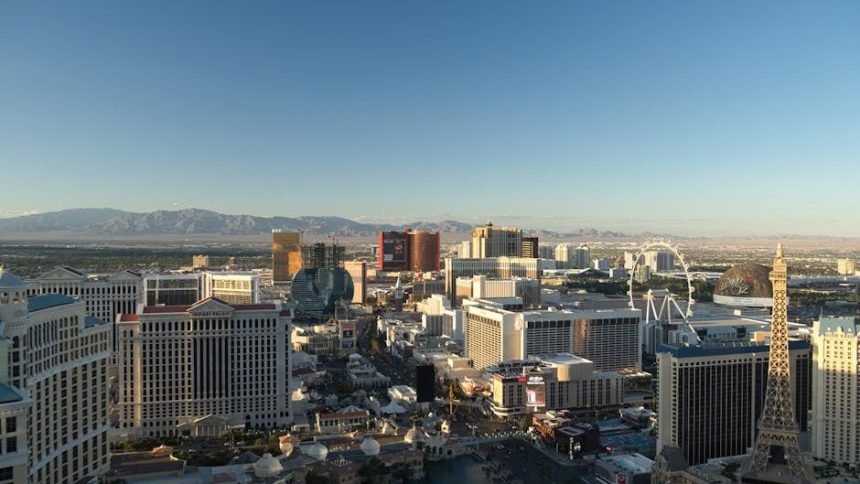
Most people picture Las Vegas as a city of neon lights and bone-dry heat. Rain feels like a visitor that barely shows up and quickly leaves. So when a summer storm rolls in and streets flood within minutes, it catches even long-time residents off guard. The truth is, the desert setting isn’t incidental to the flooding problem. It’s the very reason the problem exists.
A City Built Inside a Bowl
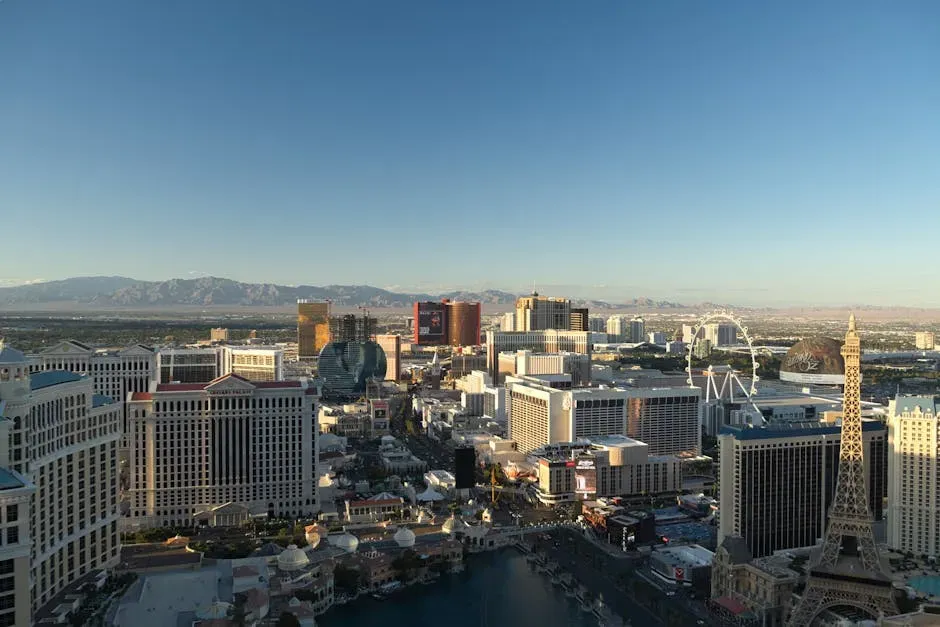
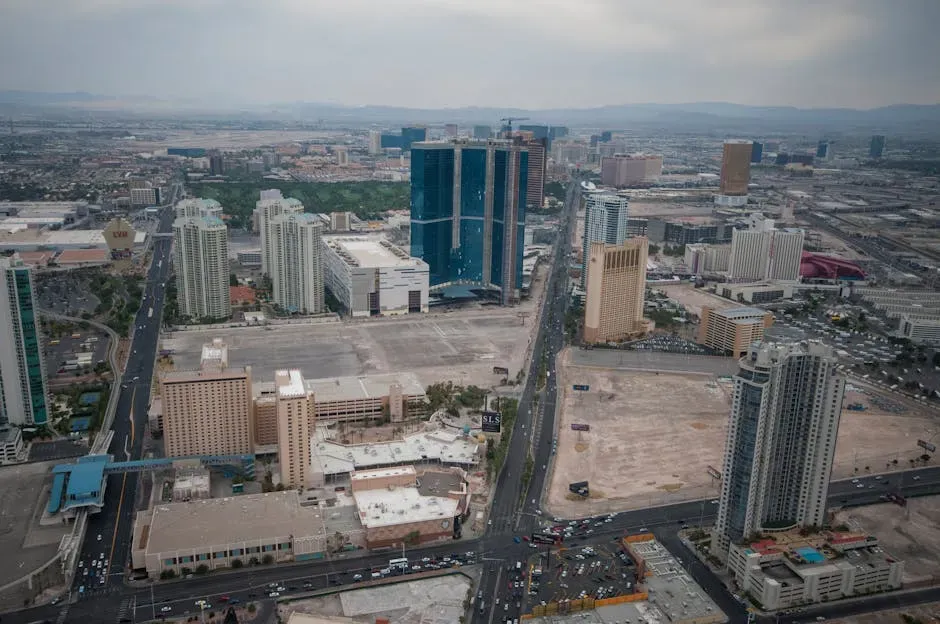
Topographically, the Las Vegas Valley is surrounded by mountains on three sides and acts like a bowl, capturing rainwater from the adjacent mountains through a series of washes and alluvial fans, with the Las Vegas Wash and Lake Mead at the end. There’s nowhere for storm water to escape laterally. It all funnels inward and downward, straight through the city.
Since Las Vegas is located in a basin with a single outlet, the Las Vegas Wash, all rain runoff drains to the east side of the basin where it will eventually be deposited into Lake Mead. Rainfall in the surrounding mountain ranges can cause flooding in the area as water flows off the mountains onto the valley floor. The geometry of the landscape essentially loads and fires flood water like a funnel.
The Role of Caliche: Desert Soil That Repels Water
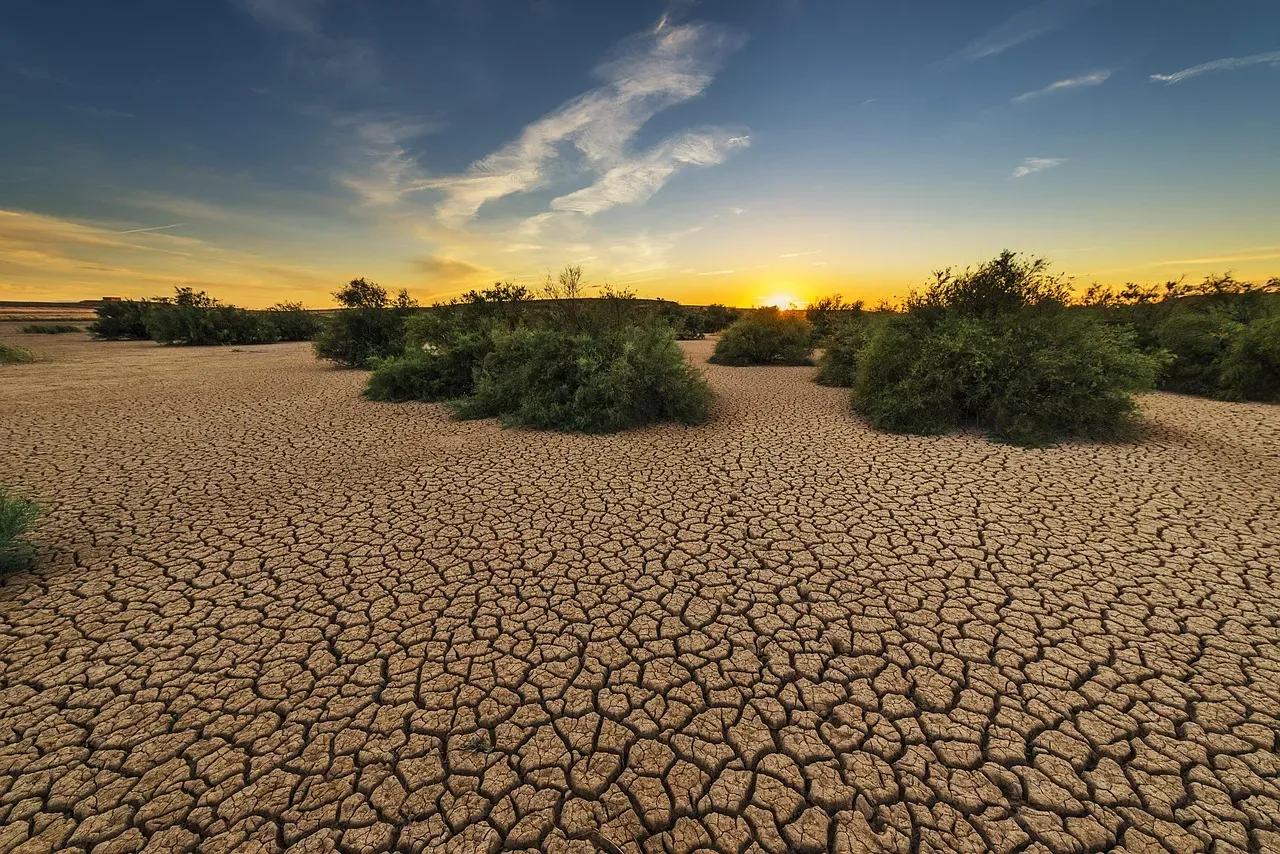
The alluvial fans around the valley contain large amounts of calcium carbonate, and when it is wet and then dries, caliche is formed. Caliche is almost impervious, so when there is rainfall in the valley, almost all of it runs off into the natural waterways which drain right into the city. This isn’t just a minor factor. It’s one of the most underappreciated reasons flash floods materialize so fast.
The combination of widespread caliche and soil moisture can result in flash flooding from relatively moderate precipitation amounts. These droughts cause the soil of Las Vegas to dry up and harden. The hardening of soil makes it less porous, which makes it less able to absorb rainfall as a result. Rain has essentially nowhere to go but straight to the nearest street.
Monsoon Storms: Short, Intense, and Merciless
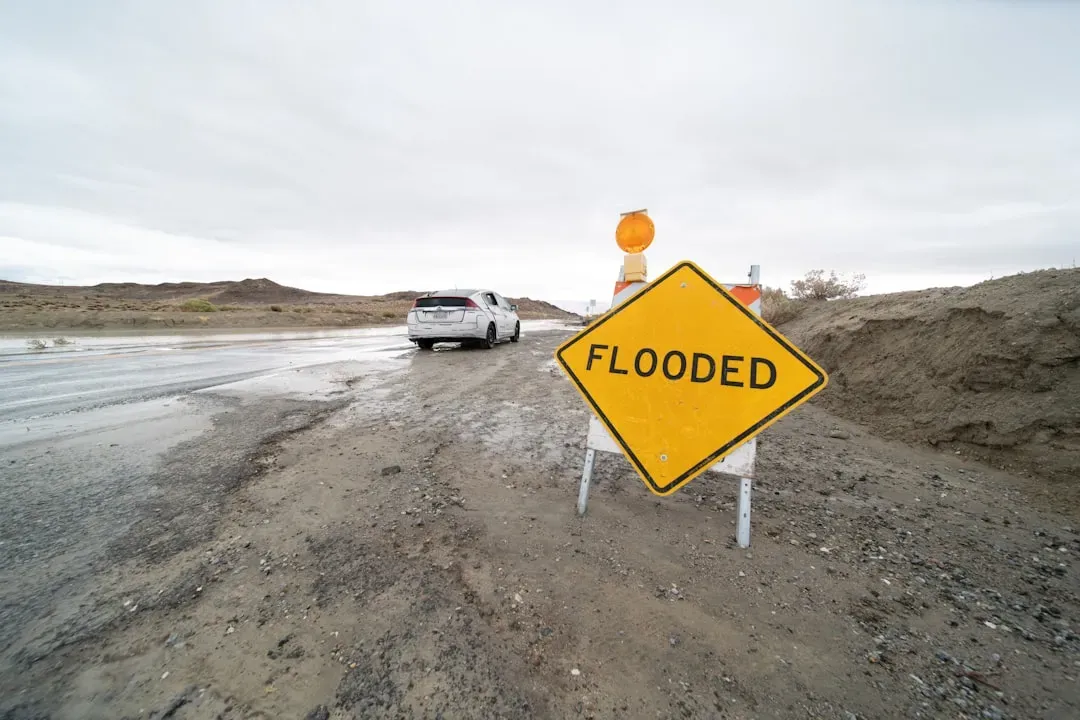
June through September is monsoon season, and Las Vegas officials want to remind residents how dangerous flash flooding can be. “These storms are very moisture-laden. They can put down an inch of rain in 15 to 30 minutes and they can happen really fast,” Chris Outler, lead forecaster from the National Weather Service in Las Vegas, said. For context, that kind of rainfall rate would challenge the drainage capacity of almost any city, let alone a desert one.
In the arid and semiarid southwestern United States, both cool- and warm-season storms result in flash flooding. A catalog of 52 flash-flood-producing storms over the 1996–2021 period for the arid Las Vegas Wash watershed was analyzed using rain gauge observations, reanalysis fields, radar reflectivities, cloud-to-ground lightning flashes, and streamflow records. The data confirms this isn’t a rare occurrence. It’s a recurring structural problem.
What “Impervious Surfaces” Actually Mean for Flooding

Urbanized watersheds are more prone to flash flooding compared to natural, undeveloped watersheds because of the increased hydrologic efficiency stemming from impervious surfaces, compacted soils, insufficient drainage capacity, and channel lining. Every casino floor, parking garage, and freeway lane plays a direct role in how quickly water moves through the city.
The expansive development and urbanization of Las Vegas have led to an increase in impervious surfaces, such as roads and buildings, reducing the land’s natural ability to absorb water. This alteration of the natural landscape increases runoff during rainfall events, contributing to the flood risks in the area. Rain that might once have soaked into sandy soil now races toward storm drains at full speed, overwhelming systems designed for a smaller city.
How Little Rain It Actually Takes
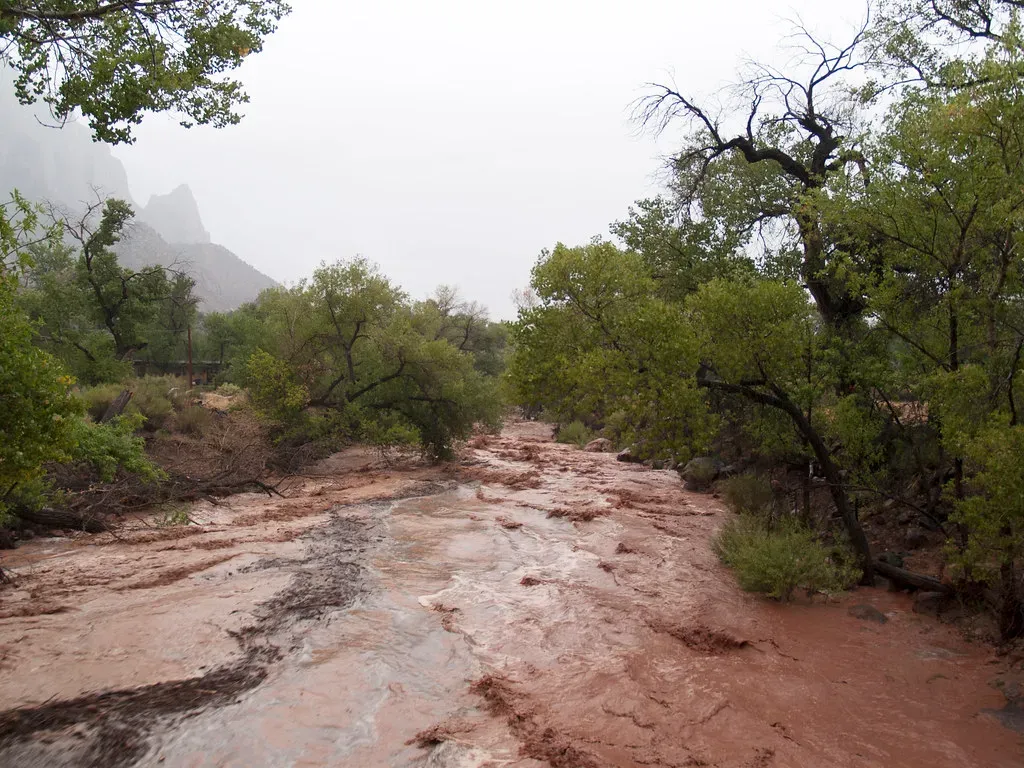
The desert soil, baked hard by months of sun, can’t absorb much water when it finally arrives. Instead of soaking in, the rain becomes instant runoff. As little as 0.29 inches of rain falling in one hour can cause vehicles to become stranded and trigger flash flooding in Las Vegas. That’s not an unusual storm anywhere else. In Las Vegas, it’s enough to close roads.
Las Vegas reported 0.88 inches of rainfall on Friday, which is almost three times the monthly average for the area for the entire of September, according to media reports. During that September 2023 event, Las Vegas Fire and Rescue said it had responded to 24 “swift water” rescue events, with up to 12 people being rescued from standing or moving water. Up to 35 vehicles were stranded in water.
The Physics of Moving Water: More Dangerous Than It Looks
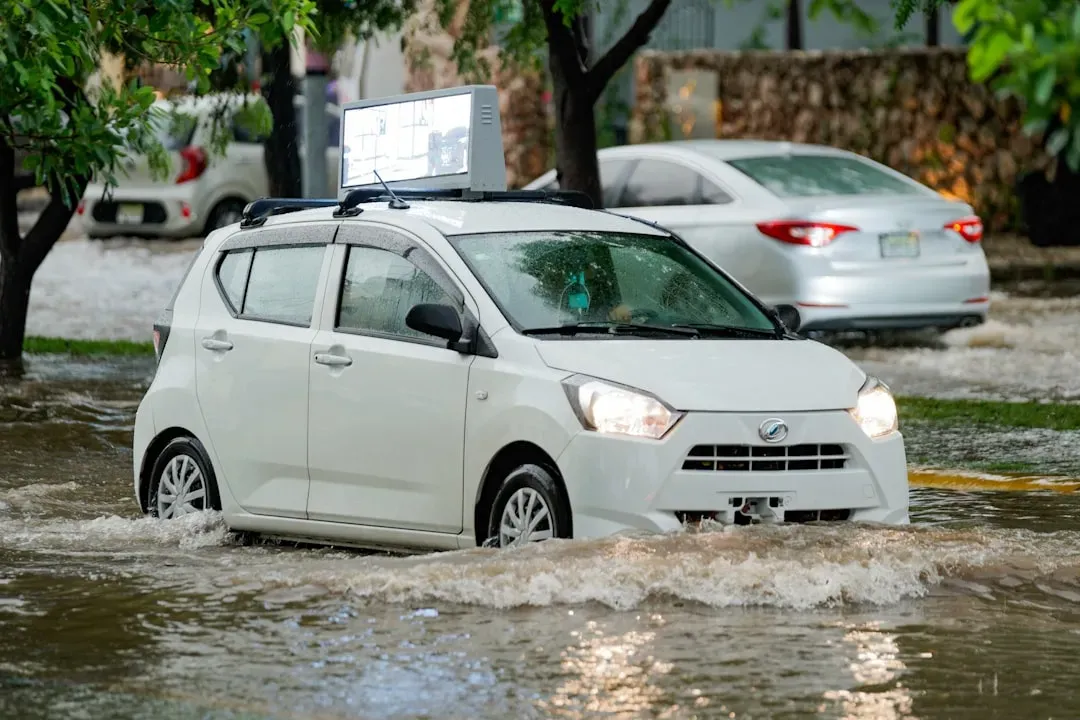
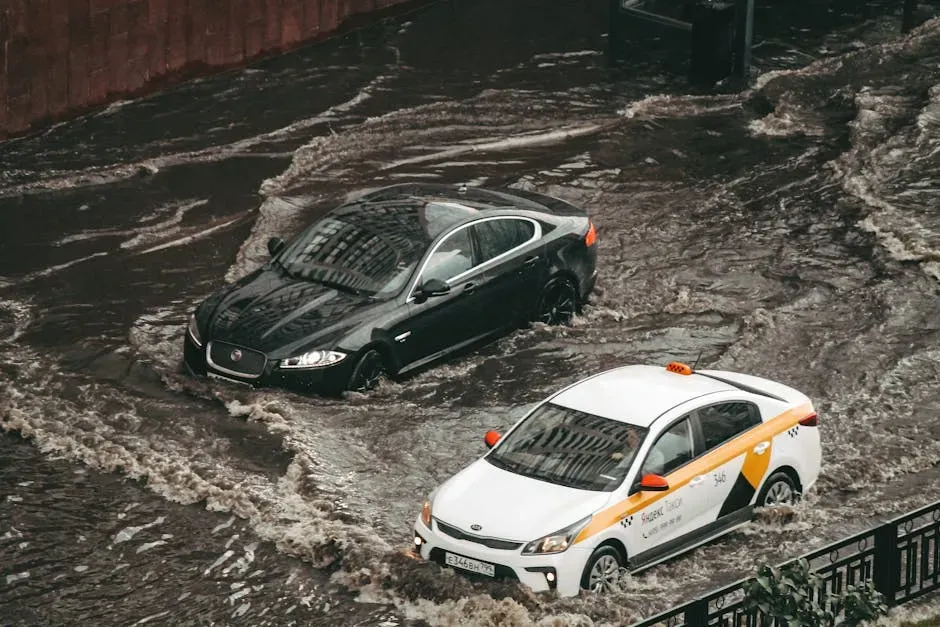
Local authorities noted that “six inches of running water can knock down an average adult” and that “eighteen inches of running water can carry a vehicle.” These aren’t dramatic warnings designed to scare people. They reflect basic hydraulic physics. Moving water exerts enormous lateral force, especially when it carries debris and moves at speed.
Flash flood warnings from the National Weather Service specifically highlight life-threatening flash flooding of low-water crossings, creeks, normally dry washes and roads. Most flood deaths occur in vehicles. The urge to drive through what looks like a shallow puddle is one of the most consistently deadly decisions people make during flash floods anywhere in the country.
A Brief History of Catastrophic Events
Heavy thunderstorm precipitation on the afternoon of July 3, 1975, between metropolitan Las Vegas and the mountains to the south, west, and north, caused flash flooding in the city area. Total storm precipitation equaled or exceeded 3 inches in some areas. Peak flows of Tropicana Wash, Flamingo Wash, Las Vegas Creek, and Las Vegas Wash were the highest ever determined. Flooding caused the loss of two lives and inflicted extensive property damage.
The resulting runoff from the torrential rain on July 8, 1999, caused widespread street flooding and record flows in normally dry washes and flood control detention basins, as well as two deaths and $25 million in damage. Some 369 homes were damaged or destroyed. Sections of busy Interstates 15 and 95 resembled a lake, bringing traffic to a standstill. The 1999 event in particular became the catalyst for a major overhaul of the city’s flood infrastructure.
The Flood Control System: Billions Spent, Still Not Enough
Since its inception about 40 years ago, the flood control district has invested $2.5 billion into building 110 detention basins, 713 total miles of flood channels and 222 real-time rain gauges. That’s a genuinely enormous investment, and it has saved lives. Still, the infrastructure faces limits that engineering alone can’t fully solve.
The drainage system of Las Vegas wasn’t built to handle the torrential downpours it receives. It is difficult to imagine any city that could be properly equipped for flash flooding in the amounts Las Vegas receives. The storm drains cannot keep up with the pace of a Las Vegas flood and lose the race against mother nature. The increase of hardscape as the valley has developed has contributed to an increase of runoff over time.
Uneven Rainfall Adds Another Layer of Risk
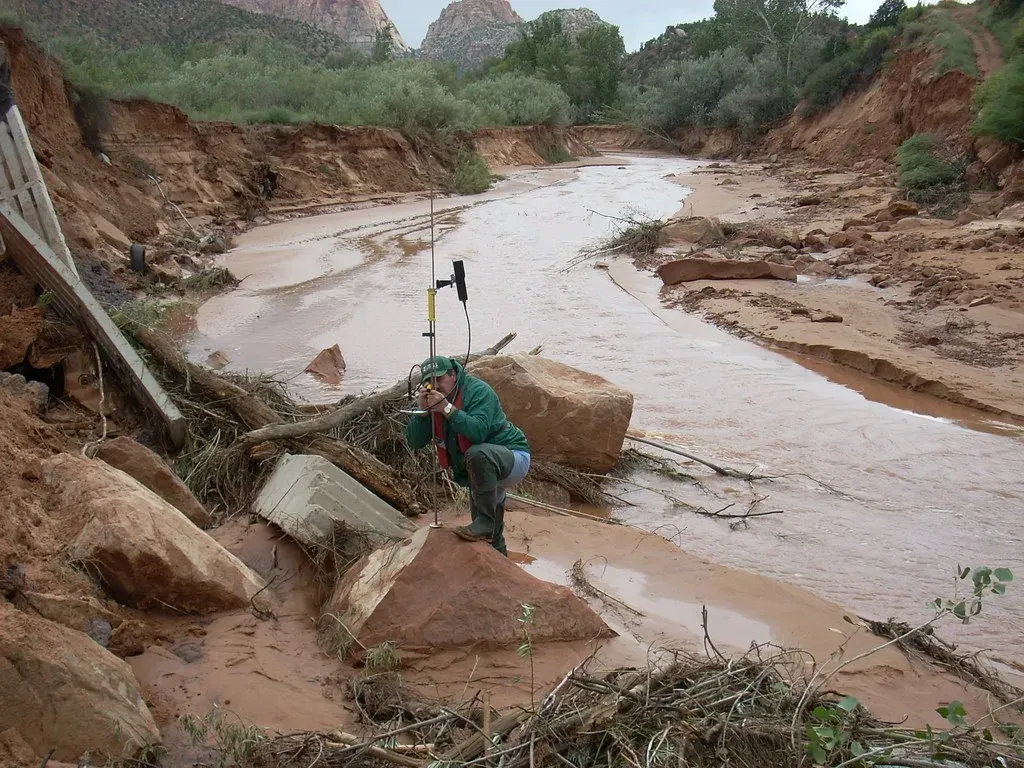
It is possible for an area to receive heavy rainfall in a short time, while nearby areas as close as one or two miles away receive little or no rain. This patchwork nature of desert storms makes planning extraordinarily difficult. A neighborhood can be dry while the area just uphill from it is drenched, and all that uphill water eventually arrives downstream.
During the summer monsoons, flooding often happens suddenly and severely since both urban runoff and rainwater from the mountains are directed through the city. Short but intense rain events scatter the valley unevenly, and heavy rain in one place could cause flash flooding downstream. The result is a city where dry skies overhead offer no guarantee of dry streets below.
What Researchers Are Watching in 2024 and Beyond
Recent research reveals that flooding patterns in Las Vegas are shifting. The traditional mix of summer monsoons and winter storms is changing, with late-season storms now playing a more important role than in decades past. This evolution complicates warning systems and preparedness timelines that were built around historical patterns.
Climate scientists warn that these intense events aren’t becoming less common and that climate change may actually increase severe winter storms and atmospheric rivers in the desert Southwest, making flooding worse over time. Las Vegas and neighboring communities are unaccustomed to widespread rainfall outside of the annual monsoon season, which generally begins later in the summer. An out-of-season storm, arriving when residents aren’t mentally prepared for it, compounds the danger considerably.
Conclusion
Flash flooding in Las Vegas isn’t a glitch or a rare disaster. It’s a predictable outcome of geology, climate, and urban design intersecting in one of the most unforgiving landscapes in North America. The caliche soil repels rain. The bowl-shaped valley concentrates it. The concrete city speeds it up. And the storms themselves arrive fast, hit hard, and leave before most people have time to react.
Understanding the physics doesn’t make the floods less dangerous. But it does make the warnings easier to take seriously. When the National Weather Service issues a flash flood alert in Las Vegas, the window between a dry street and a moving river can genuinely be measured in minutes, not hours. That’s not hyperbole. It’s hydrology.