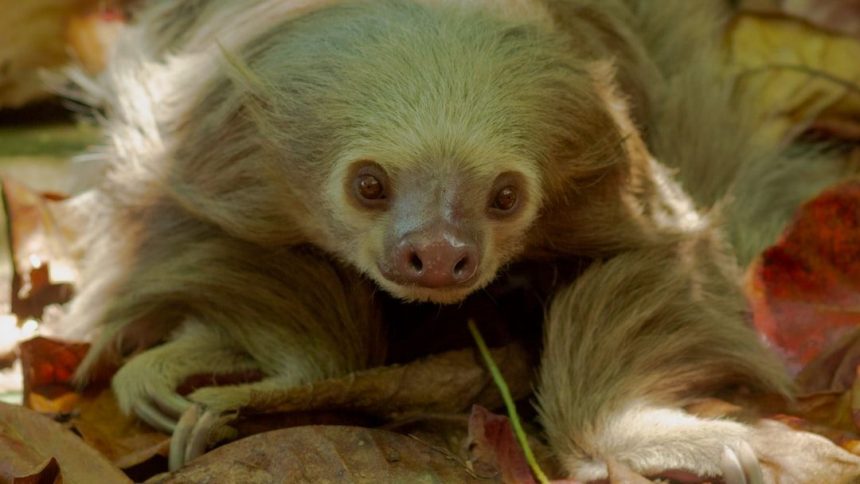
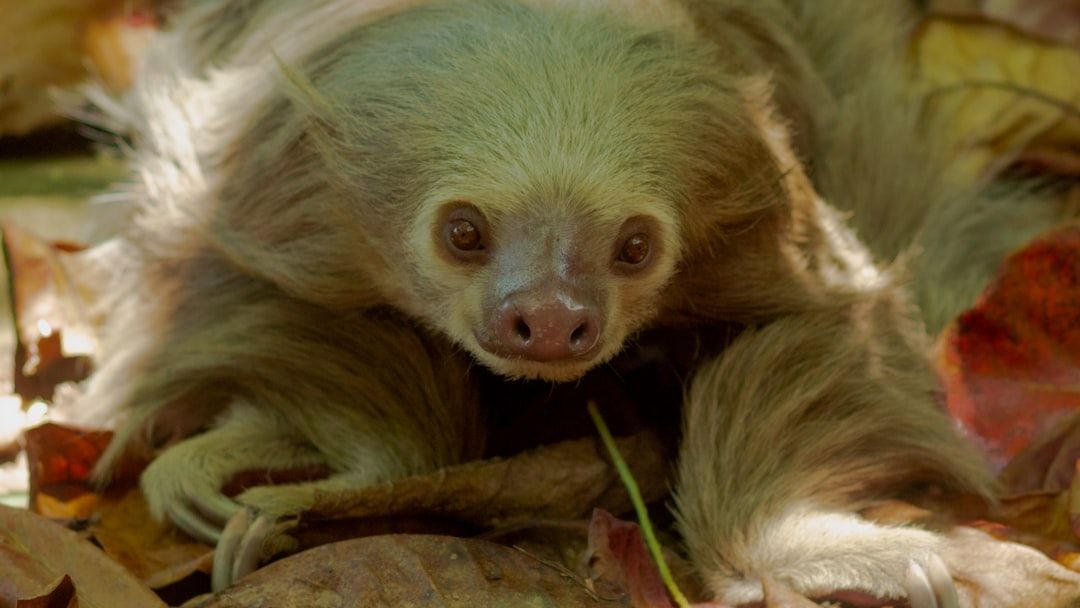

Florida Temporarily Bans Sloth Imports After Dozens Die at Orlando Business – Image for illustrative purposes only (Image credits: Unsplash)
Florida has placed a temporary halt on the importation of sloths following the deaths of dozens of the animals at a shuttered business in Orlando. The decision stems from an investigation that documented high mortality rates among wild-born sloths brought in for a planned tourist attraction known as Sloth World. Officials described the move as a necessary step with potential effects beyond state lines.
Details of the Mortality Incident
The Orlando site had intended to showcase sloths as part of a visitor experience before it closed. Records reviewed during the inquiry showed that most of the wild sloths imported for the project did not survive. The animals originated from their natural habitats, and the pattern of losses raised immediate concerns about the conditions under which they were transported and held.
State regulators acted once the scale of the deaths became clear. The facility no longer operates, yet the episode prompted a broader review of how such imports are managed. Authorities emphasized that the temporary suspension applies specifically to sloths while further safeguards are considered.
State Response and Regulatory Steps
Florida wildlife officials issued the import restriction to prevent additional losses while the matter is examined. The order targets shipments of wild sloths and leaves open the possibility of future adjustments once more information is gathered. This approach allows time for agencies to assess whether existing rules adequately protect the species during transit and initial care.
Partner offer

The action aligns with standard procedures for addressing unexpected animal welfare issues in commercial settings. Regulators noted that the suspension is not permanent and could be lifted once compliance measures are strengthened. In the meantime, businesses planning similar attractions must demonstrate they can meet higher standards before any new imports are approved.
Broader Implications for Wildlife Trade
The Florida decision carries weight for other states that permit comparable imports. It underscores the challenges of moving wild animals across long distances for entertainment purposes. Conservation groups have long pointed to stress, disease, and inadequate acclimation as recurring risks in such operations.
National attention has turned to whether similar oversight gaps exist elsewhere. The case illustrates how a single facility’s experience can influence policy across jurisdictions. Experts in animal transport continue to monitor the situation for any patterns that might inform updated federal guidelines.
Next Steps in Oversight
State agencies are expected to release additional findings as the review progresses. The focus remains on balancing public interest in wildlife education with the practical requirements of keeping animals healthy. Any future imports will likely require documented proof of suitable housing and veterinary protocols.
Observers note that the temporary ban serves as a reminder of the responsibilities that come with commercial use of wild species. Continued monitoring will determine whether the current restrictions achieve their intended protective effect.
Partner offer
Planning a trip to Vegas?
Compare hotel rates and show tickets on VEGAS.com.