

The Indiana community caught between coal and the data center boom – Image for illustrative purposes only (Image credits: Pixabay)
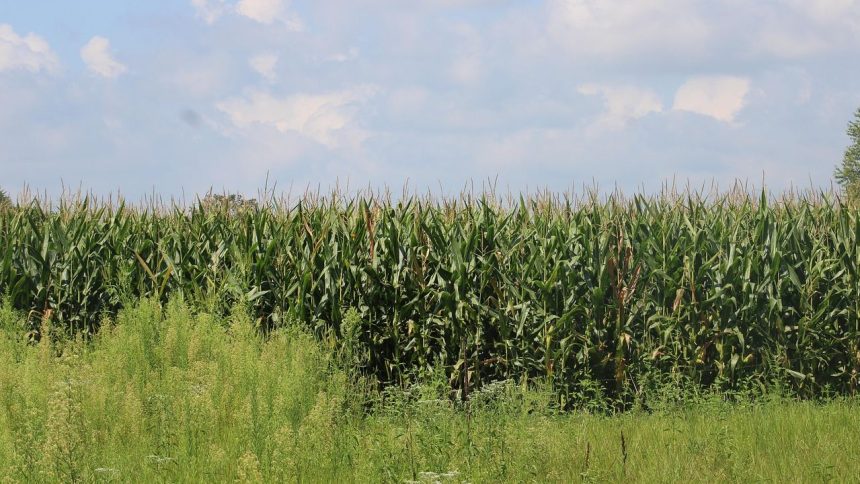
Jasper County, Indiana – Barb Deardorff loves her living room’s wide picture windows. She can gaze out at the cornfields, where sandhill cranes warble and graze, and in the evening, she can unwind from her hectic job as a teachers’ union organizer by watching the sun go down. Her sunset views have long anchored a sense of stability in this corner of the state.
Daily Rhythms in Open Fields
Deardorff’s routine reflects the quiet patterns that define much of Jasper County. Mornings often begin with the sight of cranes moving across the fields, their calls carrying through the air. Evenings bring the same expansive horizon, a reliable backdrop after long days spent supporting educators across the region.
These moments matter because they connect residents to the land itself. The cornfields stretch for miles, offering both livelihood and a buffer from denser development farther south. Many neighbors share similar attachments, whether through farming, teaching, or simply the comfort of open space.
Competing Demands on Local Power
Coal operations have supplied electricity to the area for decades, providing jobs and a steady energy base. At the same time, proposals for large data centers have surfaced, drawn by available land and transmission lines. These facilities would require substantial power, raising questions about whether existing coal capacity can meet the load or if new sources would be needed.
Local discussions have centered on how such projects might alter the balance. Some see potential economic gains through construction work and ongoing operations. Others worry about increased emissions, noise, and changes to the very views that residents like Deardorff value most.
Paths Forward for the Community
County officials and residents continue to weigh options through public meetings and planning reviews. Key considerations include air quality impacts, water use for cooling systems, and long-term effects on wildlife corridors that support the sandhill cranes.
One approach under review involves stricter emissions standards for any expanded coal use alongside incentives for cleaner energy alternatives. Another focuses on siting data centers farther from residential zones to limit visual and environmental disruption.
Deardorff and others emphasize that decisions made now will shape the county for years ahead. The goal remains preserving the rural character while allowing measured growth that does not erase the sunsets and open fields residents have come to rely on.