There’s a particular kind of frustration that only happens at the movies. You’ve watched the trailer a dozen times, you’ve convinced your friends to come, and then somewhere in the first twenty minutes you realize you’re watching something completely different from what you expected. It’s not always that the film is bad. Often, it’s genuinely great. The problem is the gap between promise and delivery.
Sometimes a movie fails not because of what it is, but because of what audiences were told it would be. Trailers sell laughs where there’s dread, action where there’s introspection, or comfort where there’s unease. When marketing lies, intentionally or not, viewers walk in with the wrong expectations and walk out disappointed, confused, or angry. These ten films all pulled it off at the box office anyway, but each one left a trail of bewildered audiences in its wake.
Drive (2011): The Art Film Dressed as a Car Chase Movie

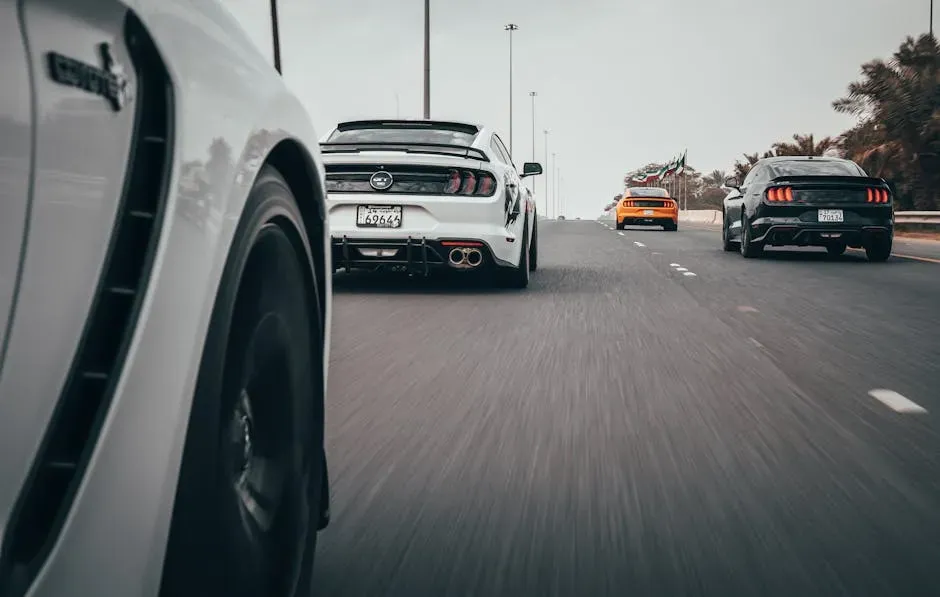
Marketed as a slick, fast-paced action thriller, Drive baffled audiences expecting car chases and macho bravado. Instead, they got a quiet, moody neo-noir about loneliness, repression, and sudden violence. Long stretches of silence, emotional restraint, and brutal outbursts didn’t match the “cool getaway movie” the ads promised. The marketing campaign featured dizzying, full-throttle ploys that suggested Hollywood escapist thrills, with the trailers and TV spots featuring almost all the driving that actually appears in the film.
One Michigan woman complained that the film contained “very little driving” and bore “very little similarity to a chase or race action film” and actually sued the distributor. The film earned director Nicolas Winding Refn the Best Director prize at Cannes over powerhouse artists including Terrence Malick and Lars von Trier, which says everything about what kind of movie it actually was. Today it’s widely considered a modern classic, but only after the marketing fog cleared.
Sweeney Todd: The Demon Barber of Fleet Street (2007): A Musical in Disguise

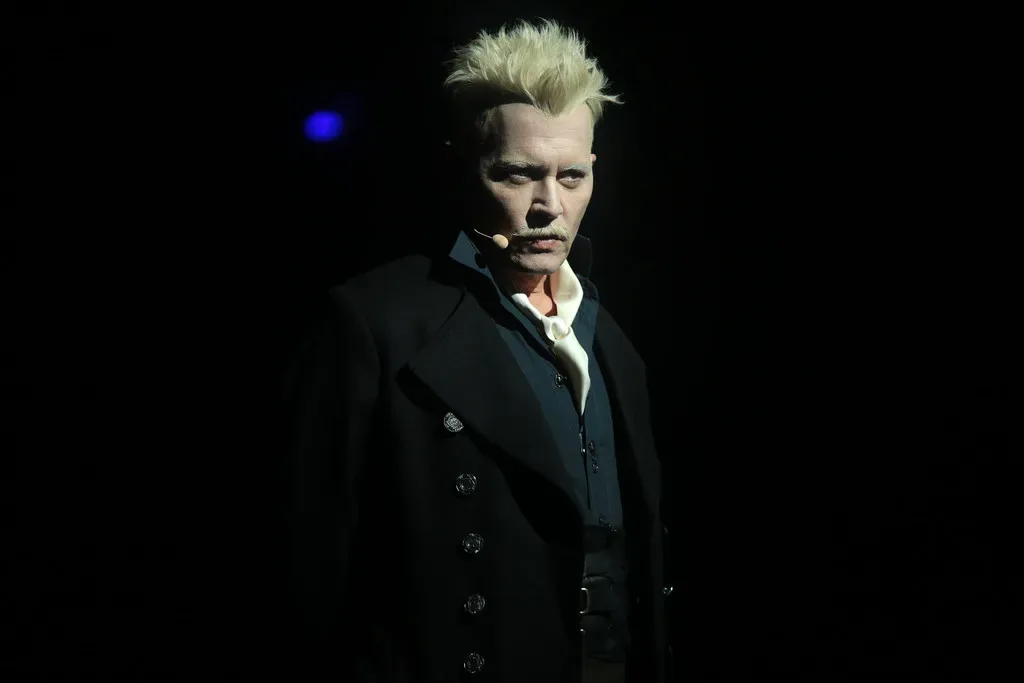
When Tim Burton’s Sweeney Todd was distributed in 2007, it was billed as a horror film rather than its musical origins. With Johnny Depp at the helm and Helena Bonham Carter at his side, audiences flocked to the theater expecting a gothic thriller like the blood-splattered trailer indicated. When the first round of moviegoers realized that the dialogue was delivered by a ballad, the backlash was swift. In the UK, a number of audience members walked out on realizing it was a musical, and complaints that advertisements were deliberately misleading were made to both the Advertising Standards Authority and Trading Standards agency.
Directed by Tim Burton, Sweeney Todd was marketed as another dark, eccentric Burton movie, similar to Edward Scissorhands or Beetlejuice. Some audiences didn’t realize it was actually a musical with a side plot about a boy falling in love with his crush. Despite the uproar, the film grossed over $153 million against a production budget of $50 million and has since been widely assessed as one of the greatest musical films of the 21st century.
Mean Girls (2024): Sneaking in the Song-and-Dance

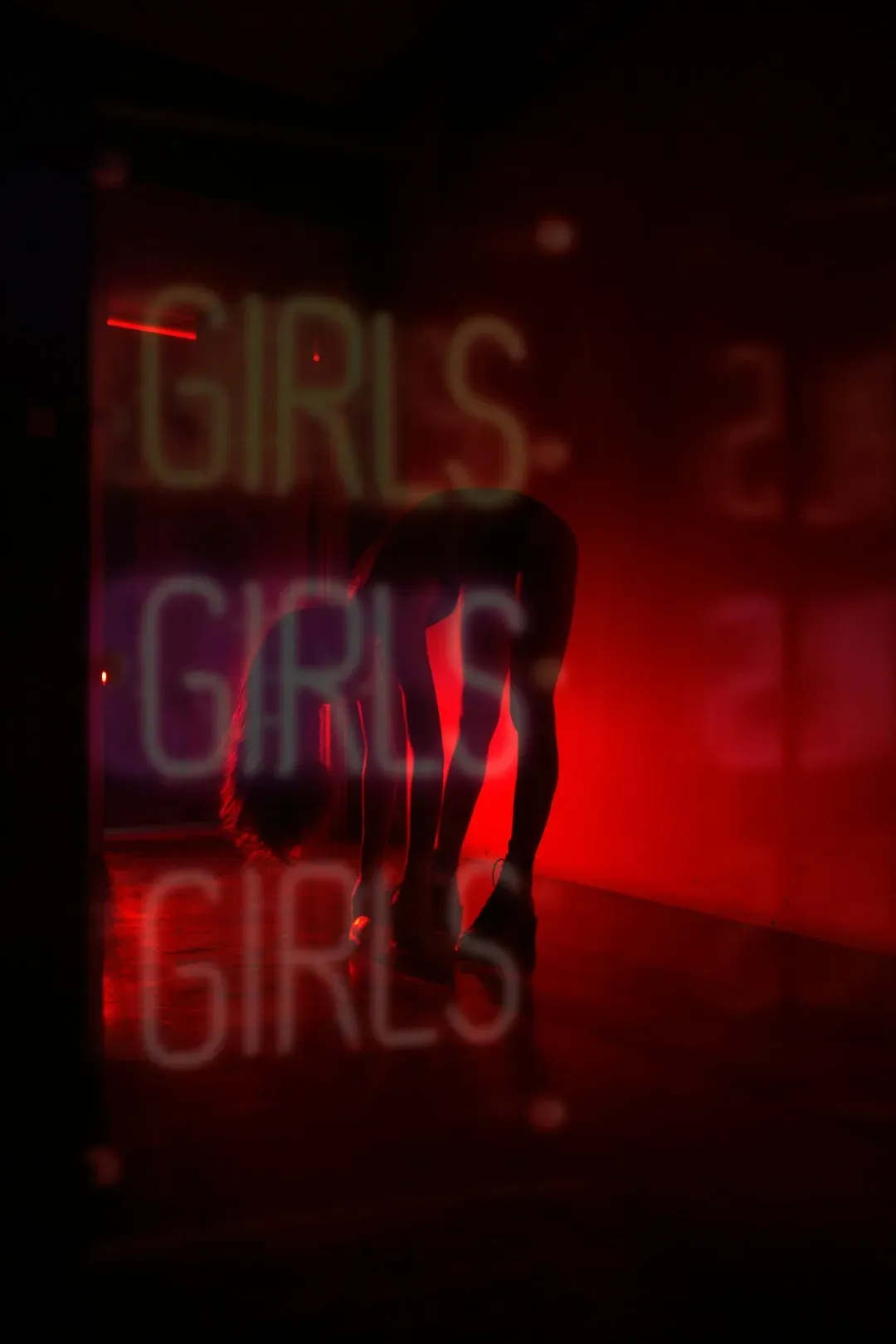
While the movie performed well with critics upon release, Mean Girls 2024’s trailers barely admitted that the movie was a musical, with the promos featuring no singing and minimal shots of choreography. Despite receiving mixed reviews, the film cost only $36 million to make and raked in over $100 million worldwide. Paramount shared data acknowledging that roughly one in six audience members left the theater after realizing the genre.
Paramount’s president of global marketing explained that they didn’t want to advertise it as a musical because people tend to treat musicals differently, describing it as “a broad comedy with music” that could appeal to a larger audience. As an adaptation of the Broadway show, it is both more song-heavy than Wonka and has less to offer outside its musical set-pieces. The strategy worked financially, even if it left a loud segment of the audience feeling genuinely misled.
Crimson Peak (2015): Gothic Romance Sold as a Ghost Story
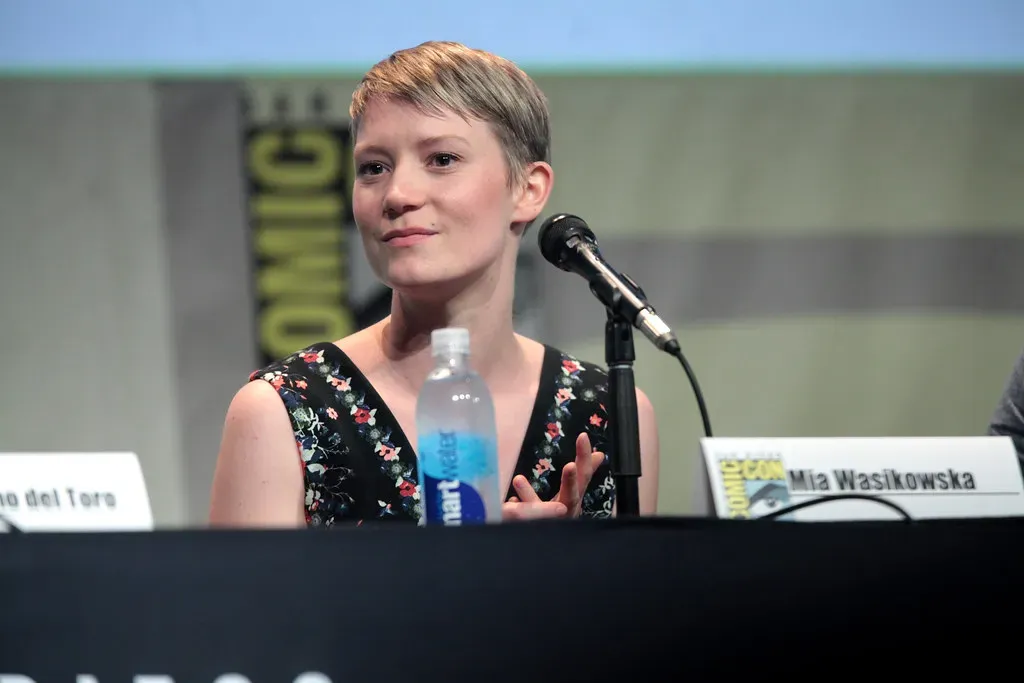
Crimson Peak is a gothic romance film created by Guillermo del Toro. While the film is a quality work, many of its initial mixed reviews came from disappointed horror fans. The film’s trailer marketed the movie as a ghostly horror flick, featuring a collection of creepy ghouls and paranormal activity. So when horror fans came in droves to have the pants scared off of them, many were disgruntled to find they were tricked into watching a dark romance movie.
Universal Pictures sold the film as a terrifying jump-scare horror movie to capitalize on the Halloween season. Audiences were disappointed to find a gothic romance that focused on atmosphere rather than terror. Director Guillermo del Toro famously stated that the marketing was misleading and set the wrong expectations. The mismatch between the trailer and the final product resulted in poor word of mouth. Del Toro himself reportedly said the film was always intended as a love story first, with ghosts as atmosphere rather than the main event.
The Grey (2011): Liam Neeson vs. the Wolves That Never Showed Up

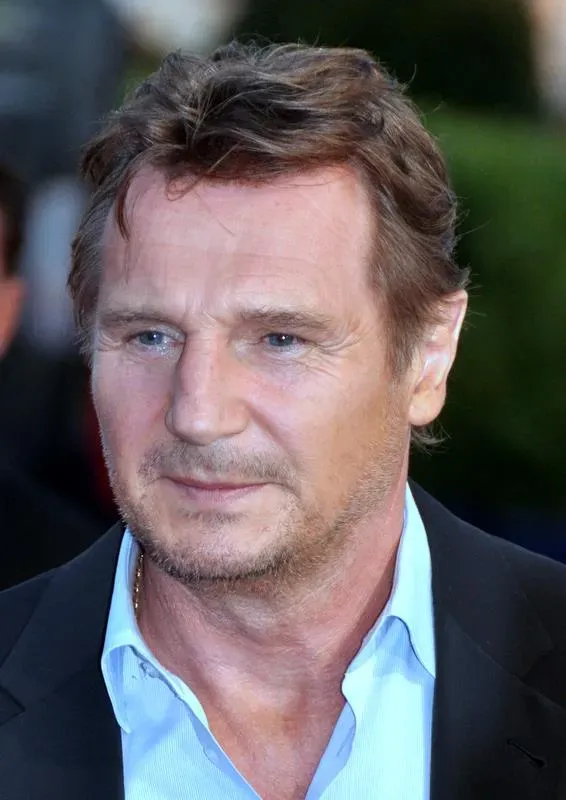
At the time of The Grey’s release, nearly every poster and trailer showed Liam Neeson sporting a set of improvised knuckle dusters fashioned out of shards of glass. Neeson had recently starred in Taken and was starting to cement himself as an action hero. Posters and trailers showed him with his makeshift weapons, poised and ready to fight a pack of hungry wolves. Everything pointed to this film being a great survival-action movie where Liam Neeson fights off a bunch of wolves by himself.
Then Neeson charges at the camera, and it cuts to black as the credits roll. That’s right: the wolf fight the posters and trailers teased doesn’t even happen on screen. What viewers got instead was a somber, deeply philosophical meditation on mortality, grief, and the will to survive. The film earned genuine critical admiration, but plenty of ticket buyers left theaters feeling actively cheated out of a fight scene that never came.
Jennifer’s Body (2009): The Feminist Satire Nobody Knew They Were Watching


Marketed as a sexy, male-gaze horror comedy, Jennifer’s Body alienated its actual audience. The film is a sharp feminist satire about friendship, exploitation, and rage, aimed far more at teenage girls than teenage boys. The marketing misunderstood its tone completely, burying Diablo Cody’s wit under cheesecake imagery. The result was a confused opening weekend, with the film’s intended audience having little reason to show up and its marketed audience finding nothing recognizable inside.
The filmmakers were pretty upset when they saw how their film was being marketed. Writer Diablo Cody and director Karyn Kusama reportedly pushed back against promotional choices that had almost nothing to do with the actual film they made. Years later, it’s been reclaimed as a cult classic that deserved better framing. It’s one of the more striking examples of a film being actively harmed by marketing that attracted exactly the wrong crowd.
mother! (2017): An Allegory Sold as a Horror Film


The trailers sold mother! as a conventional psychological horror film. What audiences got was a relentless, allegorical fever dream about creation, faith, ego, and destruction. The marketing concealed its biblical symbolism and experimental structure, leaving viewers unprepared for escalating chaos. The film stars Jennifer Lawrence, which only amplified how wide the expectations gap was, given her mainstream blockbuster profile at the time.
The trailers for the film deluded audiences into thinking this was a horror movie and they were not pleased. Anyone who walked into the film hoping for a Blumhouse-style production was instead treated to an avant-garde diatribe about humanity’s lack of concern for nature, which is largely unintelligible to anyone who isn’t well-versed in Christian theology. The film earned a rare “F” CinemaScore from general audiences, a record low for a wide studio release, while critics were largely fascinated by it.
Eternal Sunshine of the Spotless Mind (2004): A Heartbreak Film Sold as a Wacky Comedy

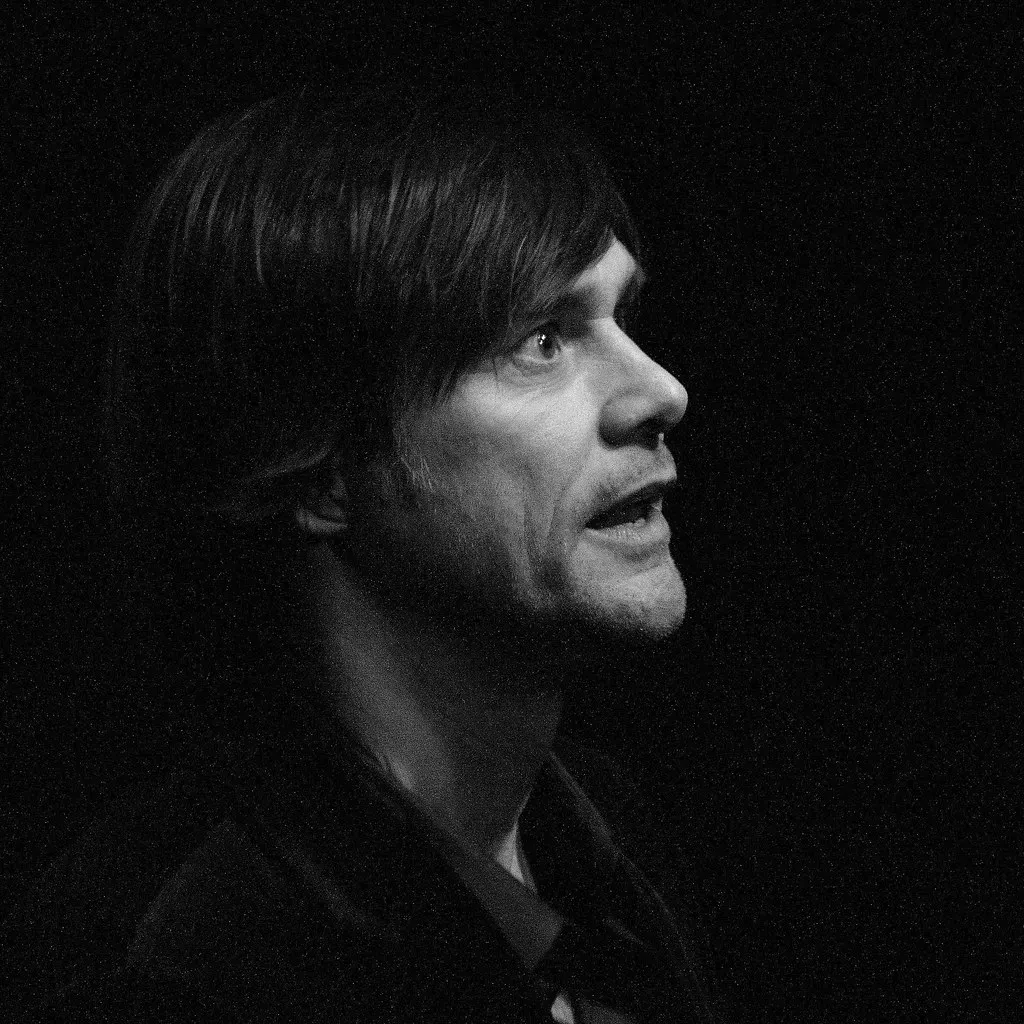
Eternal Sunshine of the Spotless Mind is a deeply moving dramedy wherein a troubled man undergoes an experimental procedure designed to remove all his memories of a failed romantic relationship. The critically acclaimed hit features one of Jim Carrey’s best performances as a brittle, heartbroken antihero, but the infamously bad trailer made the movie out to be a wild rom-com in the vein of Bruce Almighty. Carrey’s comedic star power worked against the film here, pulling in audiences expecting chaos and jokes.
The film was directed by Michel Gondry from a screenplay by Charlie Kaufman, and is as melancholic and structurally unconventional as anything those names suggest. The film doesn’t exactly fit into one specific genre; it’s kind of a romance and kind of a sci-fi drama with elements of comedy. Ultimately it’s an emotional and existential look at relationships, memories, and pain. It went on to win the Academy Award for Best Original Screenplay, a fact that would have surprised many who only saw the misleading trailer.
Suicide Squad (2016): The Joker Who Barely Showed Up

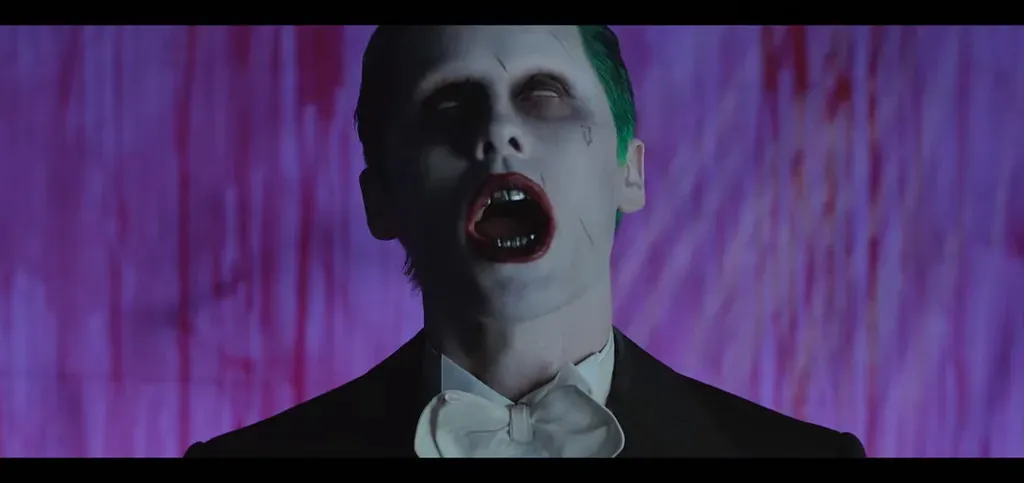
While licensed music is all over the opening minutes of Suicide Squad, Jared Leto’s Joker has very little actual screen time, especially when compared to how much the trailers, ads, and merchandise showed him. Leto himself was extremely displeased by this, as were plenty of moviegoers who felt they’d been tricked by the film’s marketing. Also, the film itself wasn’t as light and funny as the trailers would make it seem.
The movie was supposed to be about the Joker and Harley Quinn’s demented relationship. Leto’s Joker looked compelling in the previews and audiences were ready to see a new take on the classic character. Instead, Suicide Squad barely featured the Joker at all. Robbie’s character drives the movie, which doesn’t feature much action in the first half, eventually shifting its focus to Enchantress and turning into a bizarre gothic psychological horror film by the end. The film still earned over $746 million globally, proof that marketing reach can overwhelm almost any mismatch.
Seven Psychopaths (2012): Dark Philosophy Dressed as a Caper Comedy
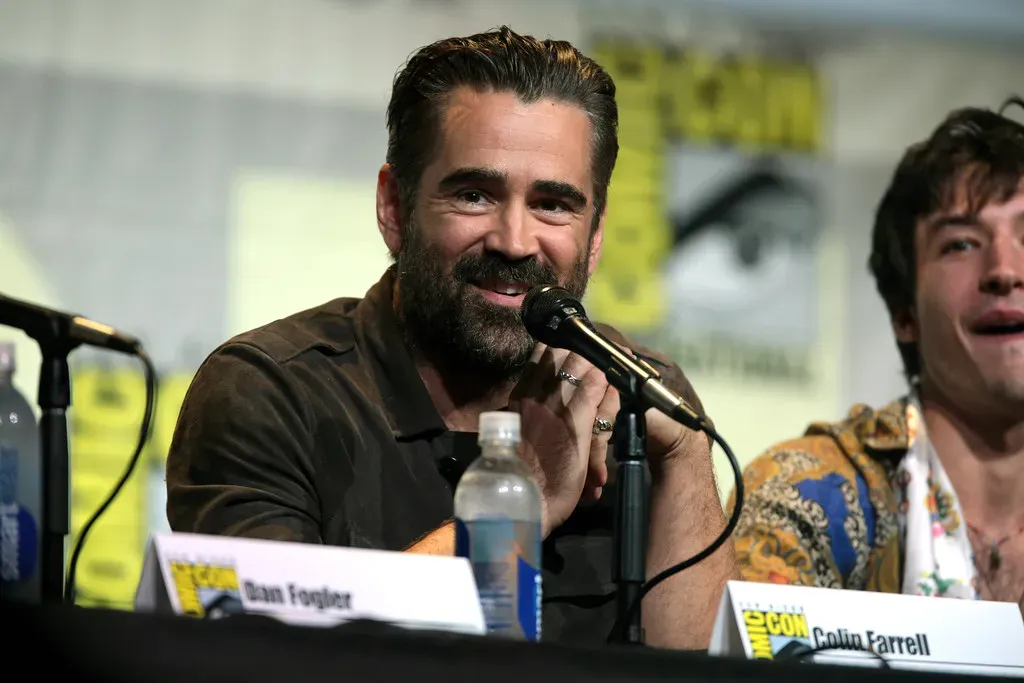
Although the 2012 movie was marketed as an action comedy, Seven Psychopaths is nowhere near as light-hearted or action-packed as the trailer suggests. It is actually a thoughtful meditation on the nature of violence and vengeance, with many of the trailer’s most explosive action beats taking place in dreams and fantasies. Audiences expecting a fast-talking, gun-toting crime caper found themselves in a much stranger and more introspective film than advertised.
This pattern was repeated in earlier and later movies by Seven Psychopaths’ director Martin McDonagh, with both In Bruges and The Banshees of Inisherin getting the same treatment. McDonagh seems to have a particular habit of making films that resist easy categorization, which puts marketing teams in a genuinely difficult position. In Bruges, for instance, is about two hitmen who hide out in the city of Bruges, and while the trailer sells the film as a quirky dark comedy, it’s actually a very melancholic and at times deeply depressing film that is only sometimes darkly comedic.