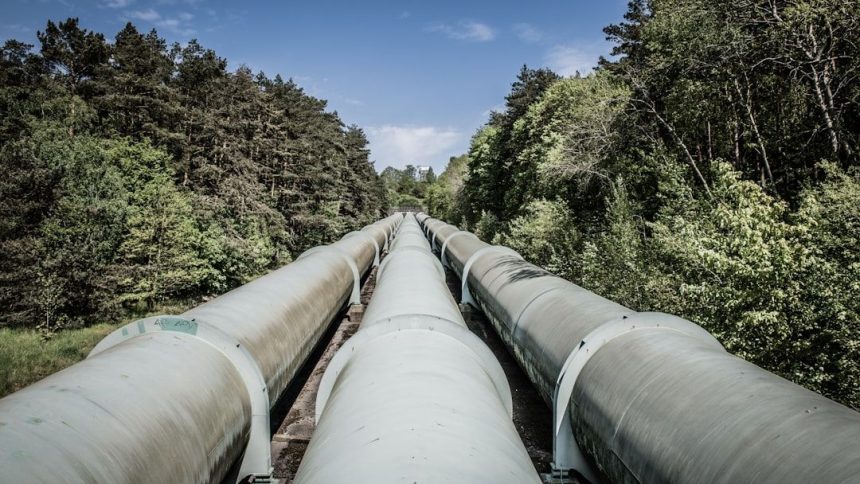

FortisBC violating environmental permit for more than a year – Image for illustrative purposes only (Image credits: Unsplash)
Squamish, B.C. – Construction crews at FortisBC’s Eagle Mountain-Woodfibre Gas Pipeline site have released hundreds of millions of litres of excess wastewater into East Creek, surpassing permit limits nearly every day for more than a year. This ongoing discharge carries elevated levels of heavy metals like copper and aluminum, raising alarms for the fragile aquatic life in Howe Sound, a UNESCO biosphere reserve still recovering from decades of industrial pollution. Local environmental advocates and scientists warn that the violations could hinder the region’s ecological rebound, even as regulators maintain that risks remain low.
Groundwater Surprises Trigger Daily Overages
The project involves drilling a nine-kilometre tunnel to deliver natural gas to the Woodfibre LNG export facility south of Squamish. In 2022, the B.C. Energy Regulator approved a daily discharge limit of 1.5 million litres of treated wastewater into East Creek from the site’s water treatment plant. Records from weekly water quality reports revealed exceedances starting shortly after construction began, with volumes topping the cap almost every day between March 2025 and the end of March 2026.
FortisBC attributed the overruns to unexpectedly high groundwater inflows into the tunnel. On at least 35 days during this period, discharges exceeded twice the permitted amount. Overall, from January 2025 to March 2026, the company released 365 million litres more effluent than authorized, according to a review of the public reports.
Heavy Metals Exceed Provincial Guidelines
Beyond volume issues, the wastewater consistently showed dissolved copper and aluminum concentrations above B.C. water quality guidelines. These metals do not break down in the environment and prove toxic to algae, invertebrates, fish, and other aquatic organisms. At least 16 weekly tests from November 2024 to October 2025 detected copper levels beyond regulatory thresholds, with some instances reaching more than 10 times the limit on three separate days.
Weekly reports from January to March 2026 confirmed the pattern persisted, often two to four times over the guidelines. Vicki Marlatt, a Simon Fraser University toxicology professor who provided expert input for environmental challenges to the permit, highlighted the risks. Continuous metal discharges can impair growth, reproduction, and survival in stream and downstream habitats, she noted.
Partner offer

Regulator Issues Warning but Stops Short of Penalties
The B.C. Energy Regulator responded in December 2025 with a warning letter to FortisBC over repeated copper exceedances, establishing a compliance record without recommending fines or remediation. The agency emphasized rigorous oversight through inspections and assessments deeming excess effluent risks “minimal to negligible.” Officials explained that halting discharges could flood the tunnel and damage equipment, necessitating continued releases.
By late March 2026, FortisBC upgraded its onsite treatment facility, which the regulator said has since managed volumes and quality effectively, eliminating exceedances. The agency continues monitoring, with options for escalated enforcement if issues recur. Critics, however, argue for broader surveillance, including sediment, water quality, and biodiversity checks in East Creek and its outflow into Howe Sound’s intertidal zones.
“Fortis has failed to comply with their permit since as early as September 2024… by dumping pollution loaded with heavy metals into the Átl’ka7tsem/Howe Sound biosphere, which is a fragile and recovering ecosystem.”
– Tracey Saxby, executive director of My Sea To Sky
Project Context and Broader Ecological Stakes
Howe Sound, known as Átl’ka7tsem to the Squamish Nation, supports unique Pacific Northwest glass sponges, once believed extinct but now key indicators of recovery from historic pollution. Sites like the nearby former Britannia Mine, once among North America’s worst polluters, discharged massive copper and zinc loads that sterilized shorelines for decades. Modern treatment plants now remove a quarter-million kilograms of contaminants annually from mine runoff, aiding gradual healing in this third Canadian UNESCO biosphere region.
Environmental group My Sea To Sky had cautioned FortisBC about underestimating tunnel water inflows, urging a treatment upgrade before further work. The organization called for halting tunnel boring until compliance with guidelines. FortisBC, meanwhile, described its site water management as comprehensive and reaffirmed commitment to environmental laws.
| Aspect | Permitted Limit | Reported Exceedances |
|---|---|---|
| Daily Volume | 1.5 million litres | Almost daily; 35+ days over 2x limit |
| Dissolved Copper | B.C. guidelines | 16+ weeks over; up to 10x on 3 days |
| Total Excess (Jan 2025-Mar 2026) | N/A | 365 million litres |
Pending Permit Changes and Path Forward
In February 2026, FortisBC sought a permit amendment to quadruple daily discharge volumes and nearly double allowable copper levels, citing elevated metals in reference samples from the site – a former industrial brownfield near a long-closed pulp mill. The regulator is reviewing the request with expert analysis and First Nations consultations. Marlatt questioned the sample site’s validity, recommending upstream watershed locations for true baseline data.
Stakeholders from environmental non-profits to the Squamish Nation watch closely as the project advances amid Woodfibre LNG’s ballooning costs. For communities relying on Howe Sound’s revitalization, these violations underscore tensions between energy development and ecosystem protection. Whether upgrades fully mitigate impacts or amendments reshape oversight will shape the tunnel’s completion and the sound’s future health.
Partner offer
Planning a trip to Vegas?
Compare hotel rates and show tickets on VEGAS.com.