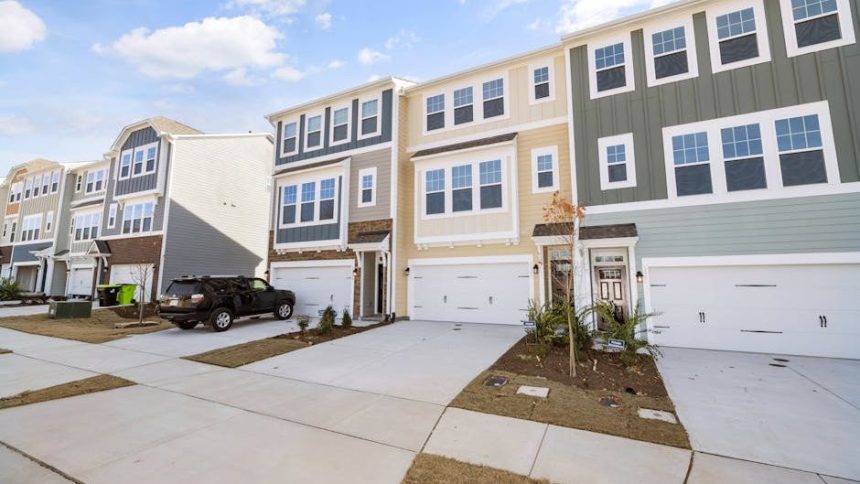
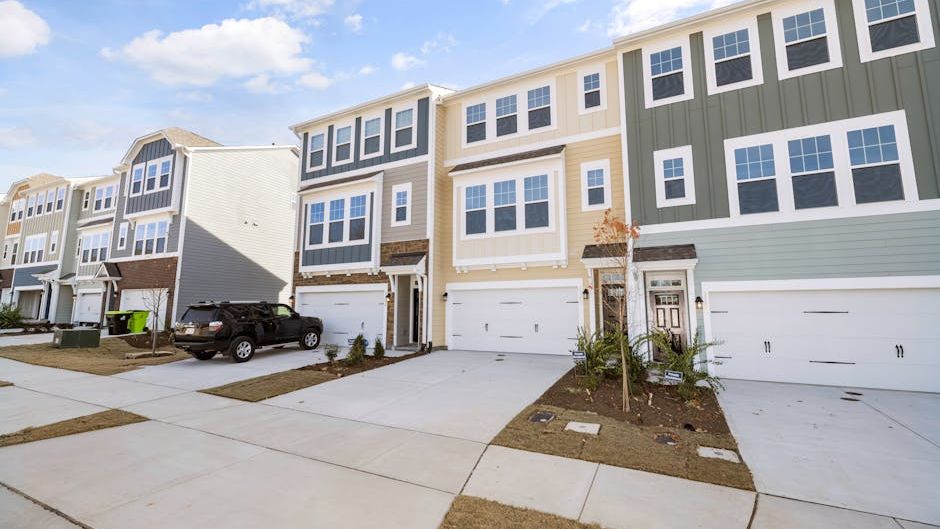

Metro Vancouver homebuyers finding ‘sweet spot’ in townhome units, new report says – Image for illustrative purposes only (Image credits: Pexels)
Metro Vancouver – Homebuyers in the region navigated a crowded market by gravitating toward townhomes, seeking ground-level access and family-friendly layouts amid a buildup of unsold condos. A detailed survey revealed that more than half of prospective and recent purchasers favored these units, marking a clear pivot from traditional high-rise options. This preference underscored broader shifts in daily life, from pet ownership to remote work habits, as residents weighed practical needs against rising construction costs.
Insights from the Homes of Tomorrow Survey
Rennie Intelligence released the Homes of Tomorrow report on Monday, drawing from a comprehensive poll conducted by the Angus Reid Group. The survey gathered responses from 1,400 renters, recent buyers, and future purchasers across Metro Vancouver, Greater Victoria, and the Central Okanagan. Researchers aimed to align current living patterns with future development strategies.
Unlike a similar 2023 study that included investors, this effort captured mostly end-users – those who bought homes in the past three years or planned to within the next three. Renters made up nearly half the participants. Couples, with or without children, dominated the respondent pool, reflecting the core demographics driving demand.
Rising Demand for Ground-Oriented Homes
Over half of end-user buyers selected townhomes as their ideal home type, with three-bedroom family units hitting the “sweet spot” for many households. Compact two-bedroom versions also drew significant interest, appealing to those needing less space but still desiring a private entrance. The report emphasized that this ground-oriented appeal extended beyond large families to smaller groups.
Bedroom count remained a key consideration across age groups, though priorities varied. Buyers over 55 valued outdoor areas highly, while those under 34 showed less concern for private yards. Overall, the demand highlighted a market force favoring accessible, low-rise living over stacked condos.
Lifestyle Shifts Reflected in Ownership Patterns
Pet ownership climbed to 47 percent among buyers, up from 43 percent in 2023, signaling a need for pet-friendly designs. Nearly all homeowners owned at least one car, with close to half maintaining multiple vehicles – a rise from prior years. Car reliance proved highest outside the City of Vancouver, particularly in the Central Okanagan.
Family structures leaned toward smaller units: just over a third of buyer households included children under 18, mostly one child per family. Only two percent reported three or more young children at home. These trends pointed to evolving household needs that developers must address.
| Trend | 2023 | 2025 |
|---|---|---|
| Pet Ownership (Buyers) | 43% | 47% |
| Multiple Vehicles (Homeowners) | Lower | Higher |
Amenities Evolving with Modern Habits
Respondents ranked 30 amenities, placing a gym at the top by a wide margin, followed by parcel lockers and pools. Secure delivery options surged in appeal, jumping from seventh place in 2023 to the top three as online shopping expanded. These choices aligned with habits like frequent home cooking and remote work.
Buyers valued functional spaces that supported daily routines. The shift toward practical features like lockers illustrated how e-commerce reshaped expectations for new builds. Developers now faced pressure to prioritize these over less essential perks.
- Gym: Top choice for fitness-focused residents.
- Parcel lockers: Essential for secure online deliveries.
- Pool: Strong runner-up for leisure.
Local Loyalty Meets Affordability Pressures
Sixty-two percent of buyers eyed homes in their current municipality, with nearly half limiting searches there. Past buyers confirmed this pattern: 55 percent stayed local, while 45 percent moved to a different area. Initial preferences strongly predicted final choices.
The market projected 3,650 completed but unsold condos by late 2026, exacerbating an inventory glut from stalled projects and court sales. Developers confronted an “affordability paradox” – escalating build costs clashing with selective buyers whose power had diminished. Equity-rich move-up buyers dominated, sidelining first-timers.
“Our markets are increasingly driven by equity-rich, move-up buyers, while first-time buyers struggle to gain entry,” the report noted. This dynamic challenged builders to adapt amid abundant options, moving away from the old “build it and they will come” mindset. For families eyeing townhomes, the path forward hinges on bridging these gaps before inventory overwhelms the sector.