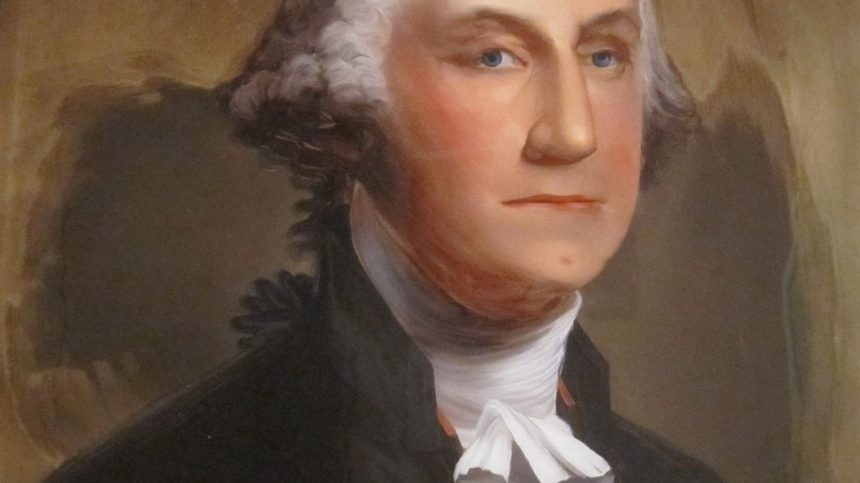
1. George Washington: The Architect of Executive Power
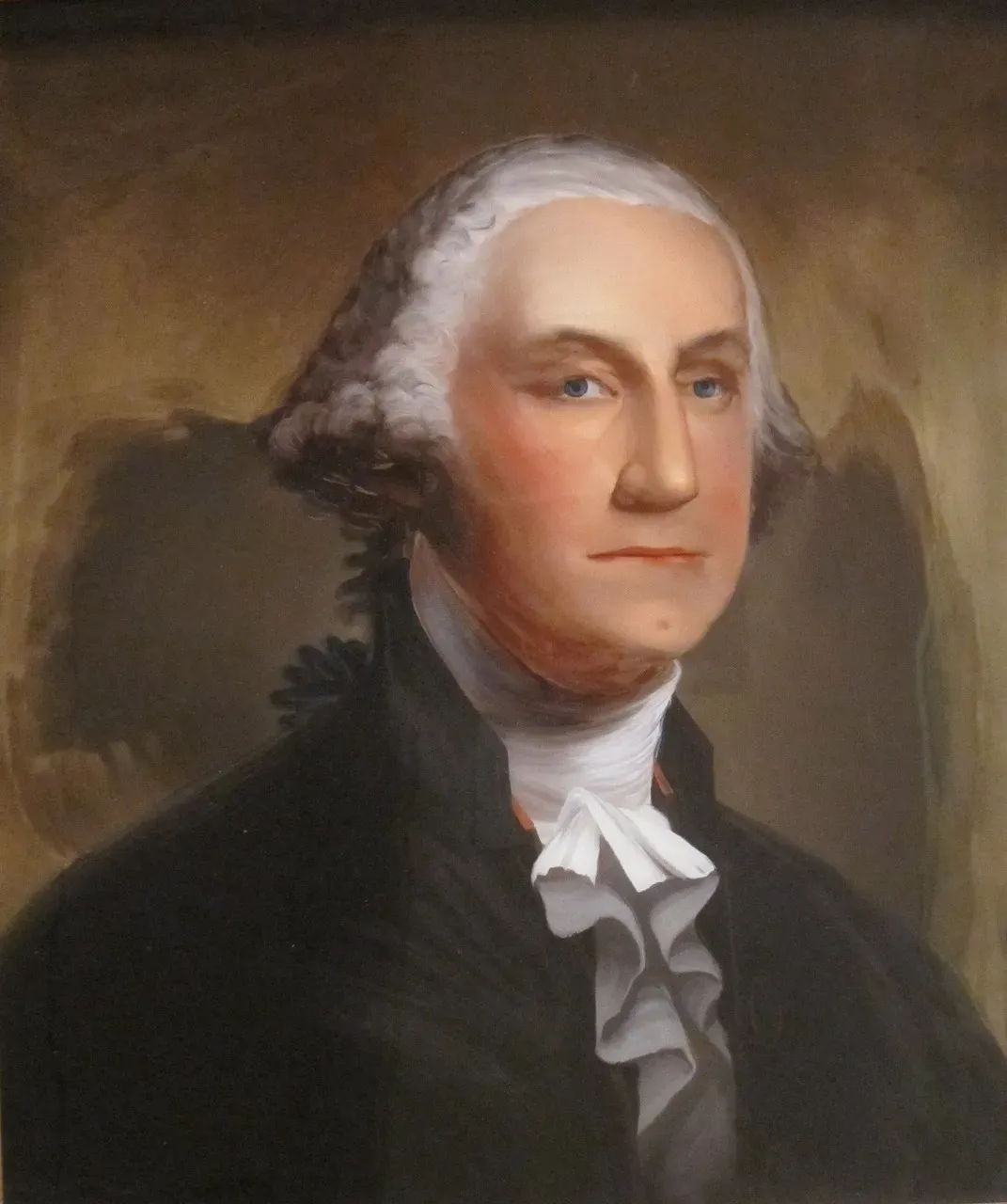
Washington walked on untrodden ground, shaping the presidency with no historic models to follow while ensuring the office gained power without resembling monarchy or dictatorship. He returned his military commission to Congress after the Revolution, establishing that the military serves civilian government rather than seizing power. His voluntary decision to step down after two terms set a pattern followed for over a century until FDR.
2. Abraham Lincoln: The Union’s Preserver
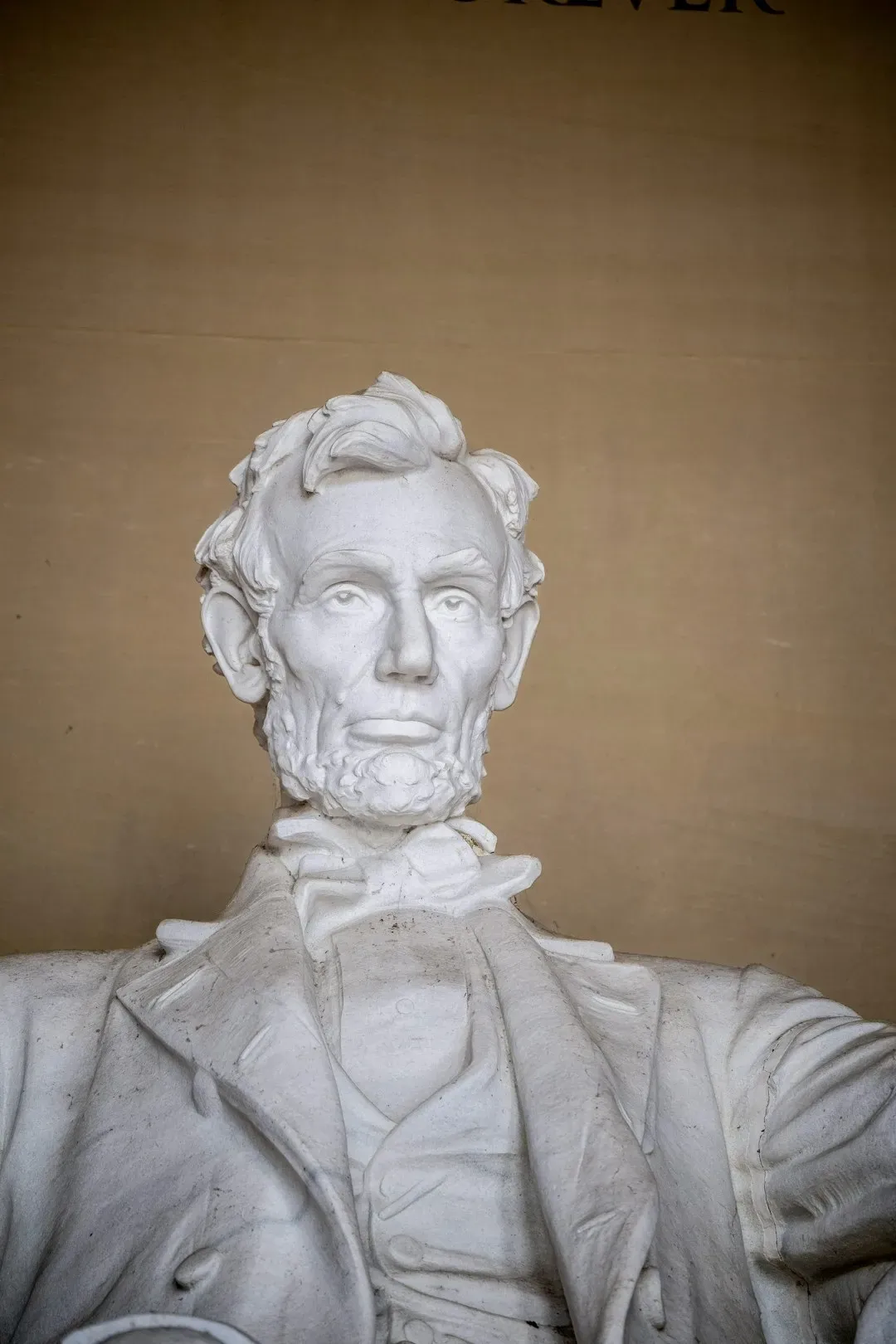
Lincoln issued the Emancipation Proclamation on January 1, 1863, declaring slaves in rebellious states free and fundamentally transforming the war’s character. The Proclamation changed the legal status of more than 3.5 million enslaved people, who became permanently free upon escaping their enslavers or as federal troops advanced. It paved the way for permanent abolition through the 13th Amendment, which both houses of Congress passed by January 1865.
3. Franklin D. Roosevelt: The Federal Government’s Expander

Roosevelt instituted programs during the Great Depression that aimed to restore prosperity, fundamentally and permanently changing the federal government by expanding its size and role in the economy. One of the most significant New Deal parts, the Social Security Act, established a contributory pension system that the United States has expanded multiple times since. Many New Deal programs including Social Security, unemployment insurance and federal agricultural subsidies remain in place today.
4. Thomas Jefferson: The Territorial Visionary
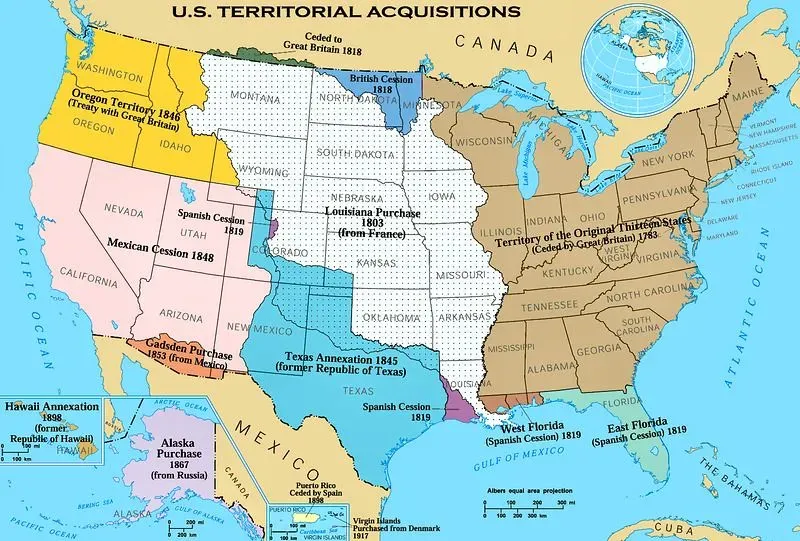
The Louisiana Purchase nearly doubled the nominal size of the United States, with the nation acquiring 828,000 square miles for fifteen million dollars. The purchase enhanced the United States’ position on the world stage, drove westward expansion, and secured vital trade routes essential for the nation’s growth. Geopolitically, it ensured European powers would no longer dominate the North American continent, setting the stage for future territorial acquisitions.
5. Theodore Roosevelt: The Conservation Pioneer
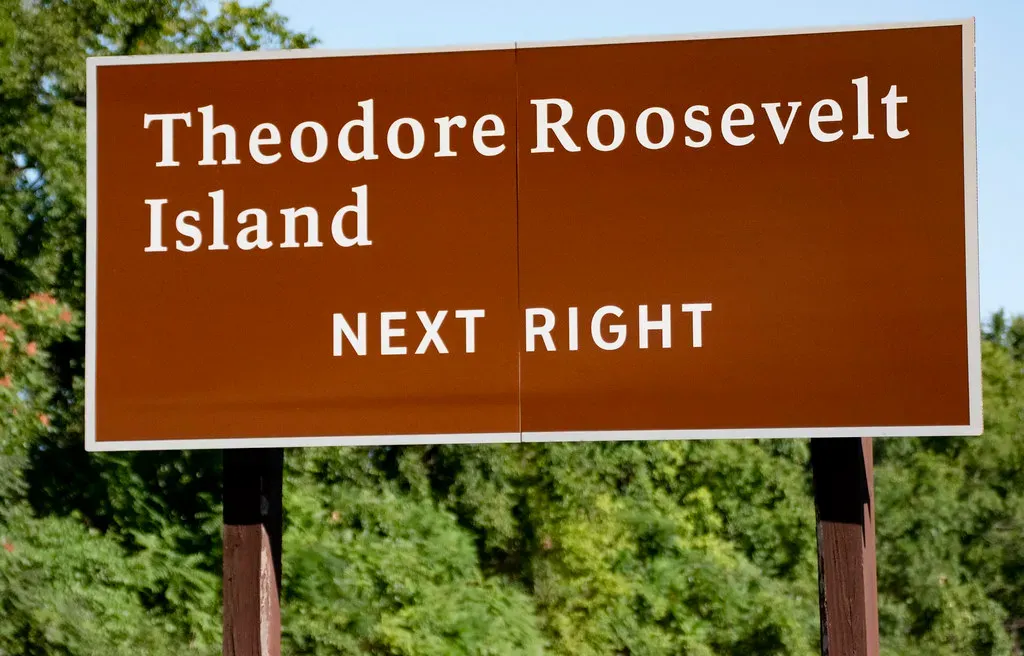
During his tenure, Roosevelt set aside 230 million acres of U.S. public land as National Parks, National Monuments, National Forests, National Wildlife Refuges, and National Game Preserves. Roosevelt alone created more than 75% of all National Forests in the United States and invented the National Wildlife Refuge System by Executive Order, naming the first 51. He provided federal protection for land equivalent to the entire Eastern Seaboard from Maine to Florida, including 150 national forests and the first 18 national monuments.
6. Ronald Reagan: The Cold War Accelerator
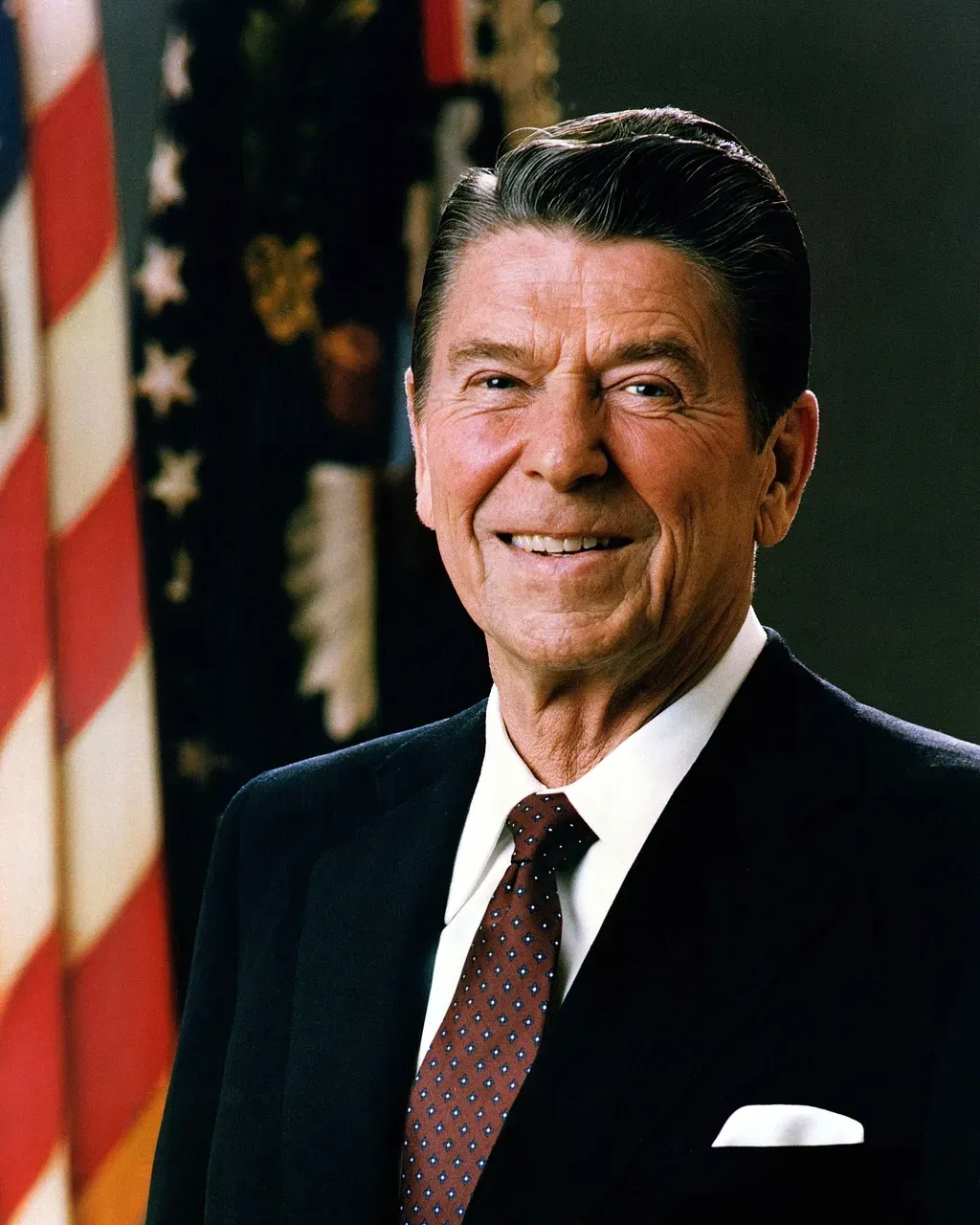
Reagan transformed U.S. economic policy and reshaped global geopolitics during his presidency from 1981 to 1989. His administration accelerated the end of the Cold War through assertive policies toward the Soviet Union. The Council on Foreign Relations emphasized in analyses his role in redefining U.S. Soviet relations. His economic approach, often called Reaganomics, fundamentally shifted federal spending priorities and tax policy for decades.
7. Lyndon B. Johnson: The Civil Rights Legislator
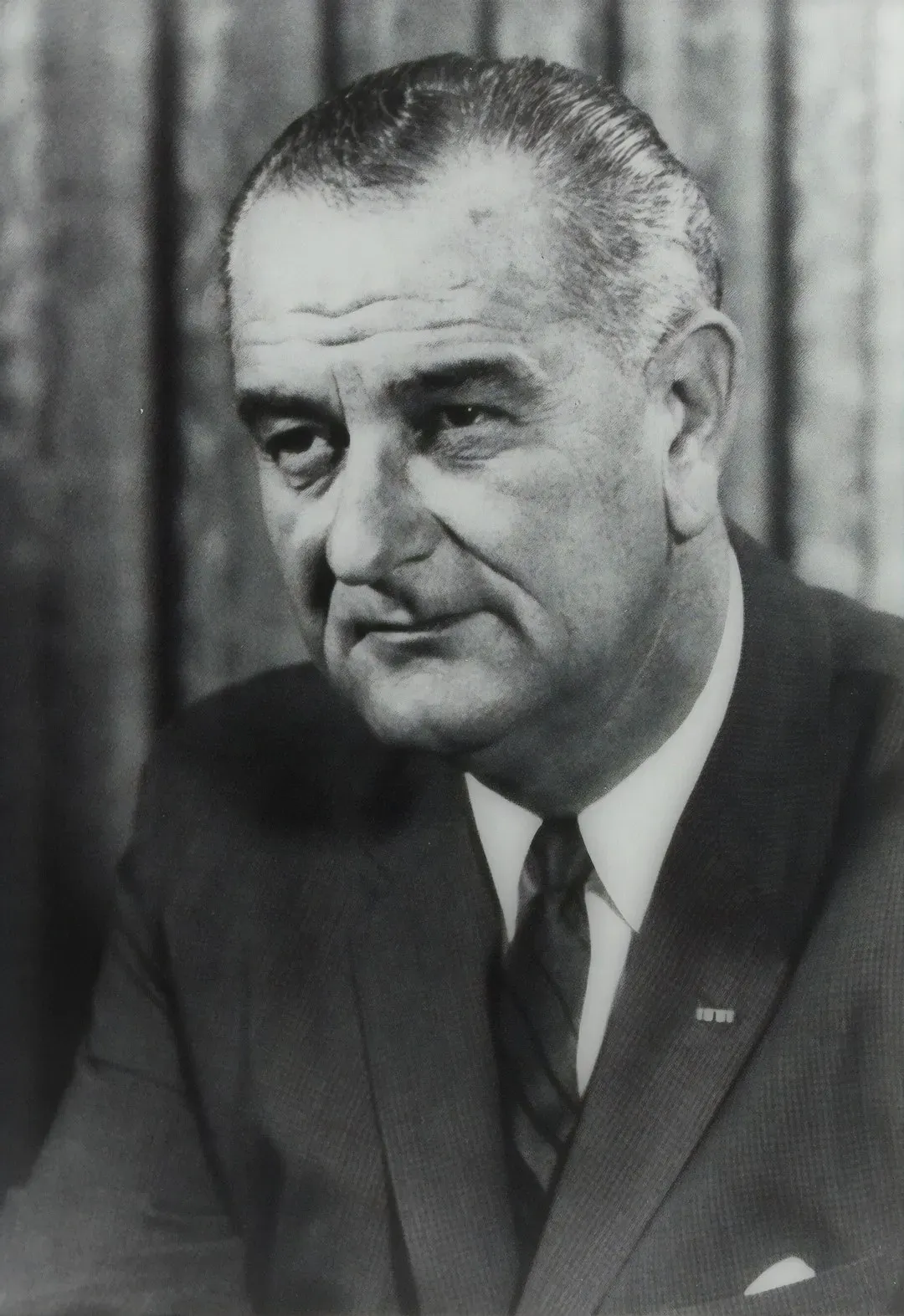
Johnson signed the Civil Rights Act of 1964 and the Voting Rights Act of 1965 into law during his presidency. Congressional Research Service reviews confirm these acts remain the legal backbone of U.S. anti discrimination enforcement. His Great Society programs expanded federal involvement in education and healthcare. The legislation he championed permanently altered the relationship between federal authority and individual rights.
8. Barack Obama: The Healthcare Reformer

Obama expanded healthcare access through the Affordable Care Act, signed into law in 2010. U.S. Department of Health and Human Services data from recent years shows over 40 million Americans gained coverage due to ACA related provisions. The law survived multiple Supreme Court challenges and became embedded in American healthcare infrastructure. His administration also significantly expanded regulations on financial institutions following the 2008 crisis.
9. Andrew Jackson: The Executive Power Reshaper
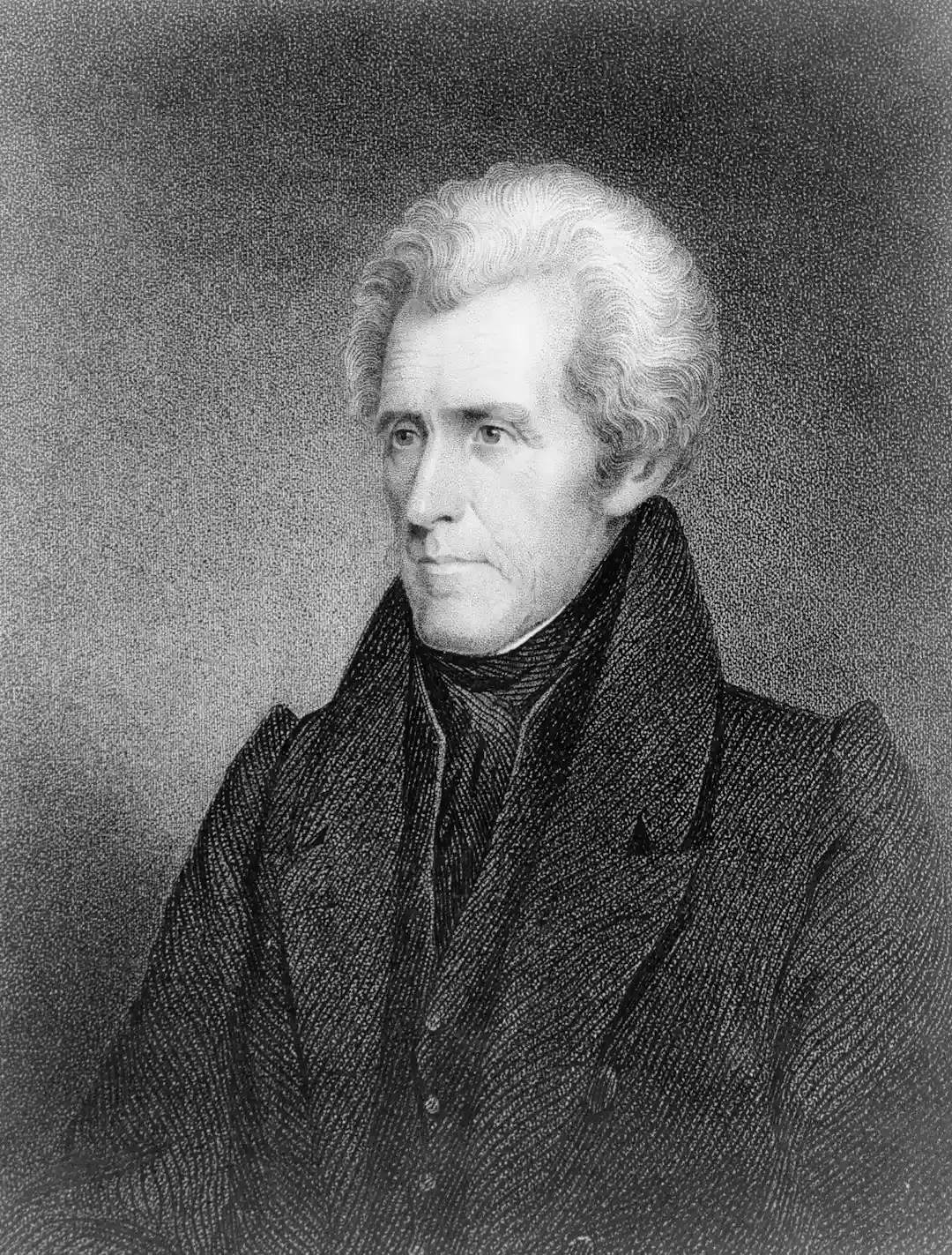
Jackson permanently altered the balance between the presidency and Congress during his two terms from 1829 to 1837. Modern scholarship increasingly frames his legacy as influential yet deeply controversial. His use of the presidential veto expanded executive authority beyond what previous presidents had claimed. The Indian Removal policies he pursued had devastating and lasting consequences for Native American populations.
10. Joe Biden: The Climate Investment Leader

Biden enacted major climate, infrastructure, and industrial policy laws during his presidency beginning in 2021. White House and International Energy Agency reports confirm the Inflation Reduction Act as the largest climate investment in U.S. history. The Infrastructure Investment and Jobs Act directed hundreds of billions toward transportation and broadband. His administration also responded to major international crises including the war in Ukraine and reshaped semiconductor policy through the CHIPS Act.