The Mongol Empire Covered More Land Than You Can Imagine
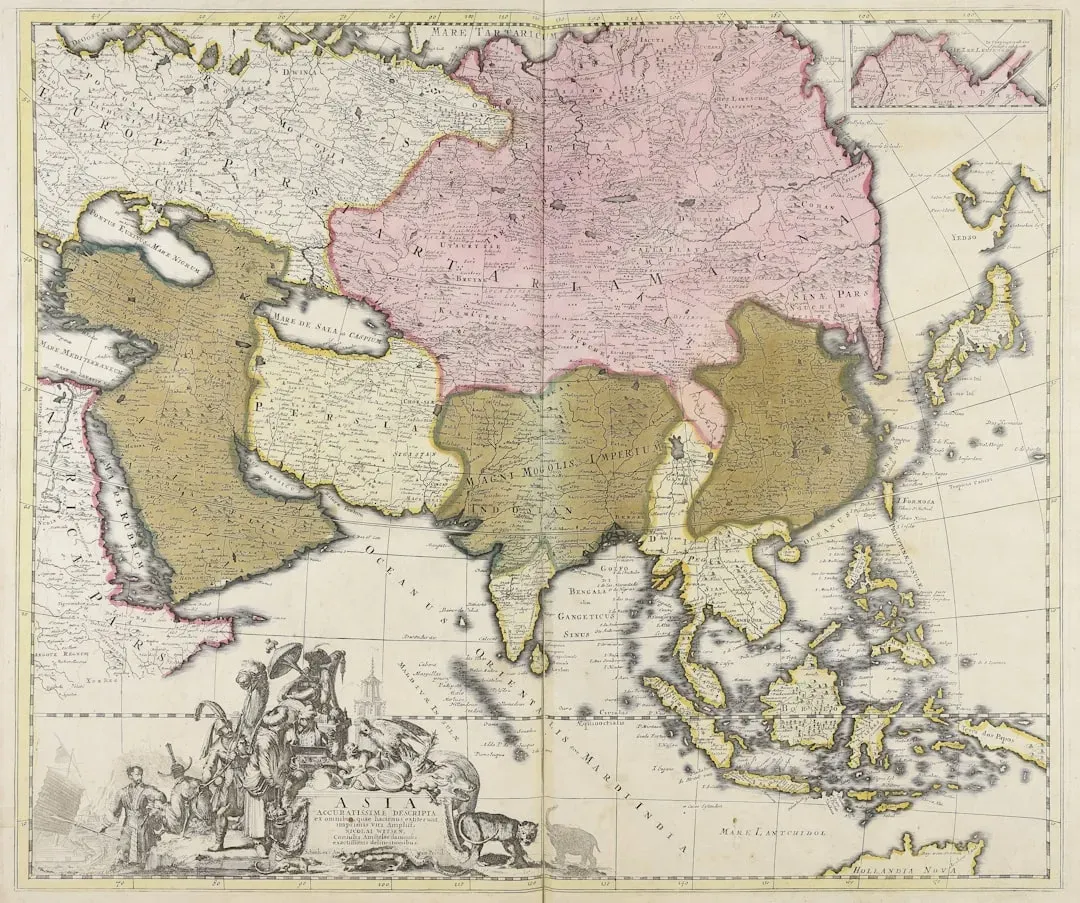
The Mongol Empire stands as the largest contiguous land empire in world history, reaching approximately 23 to 24 million square kilometers at its peak. That’s roughly the size of Africa. By the early 13th century, this vast expanse encompassed large parts of Asia and extended into Europe and the Middle East. Here’s what makes that figure almost incomprehensible: it wasn’t built over centuries through gradual colonization, but conquered in just a few generations through relentless horseback warfare.
A Quarter of Humanity Lived Under British Rule
At its territorial zenith around 1920, the British Empire administered approximately 412 million people, about 23 percent of the world’s population. Think about that for a moment. Nearly one in four human beings alive at the time answered to the British crown. The 1947 partition and independence of India and Pakistan severed British oversight of roughly 400 million subjects in the subcontinent, representing the single largest demographic fragmentation of the empire. The sheer administrative reach across oceans and continents was unprecedented in scope, though not in direct military domination alone.
Scholars Now Say Territory Alone Doesn’t Define Power
Possible ways of measuring size include area, population, economy, and power. It turns out historians have been rethinking how we measure conquest. Let’s be real, conquering massive territory means little if you can’t hold it or govern it effectively. During the rise phase, great powers typically expand territory through military conquest, colonization, diplomacy, or consolidation, with the peak year marking the transition from rise to fall. Plenty of empires exploded across maps only to collapse within a generation or two. What truly mattered was what you built, not just what you seized.
Rome Governed Three Continents for Over Four Centuries
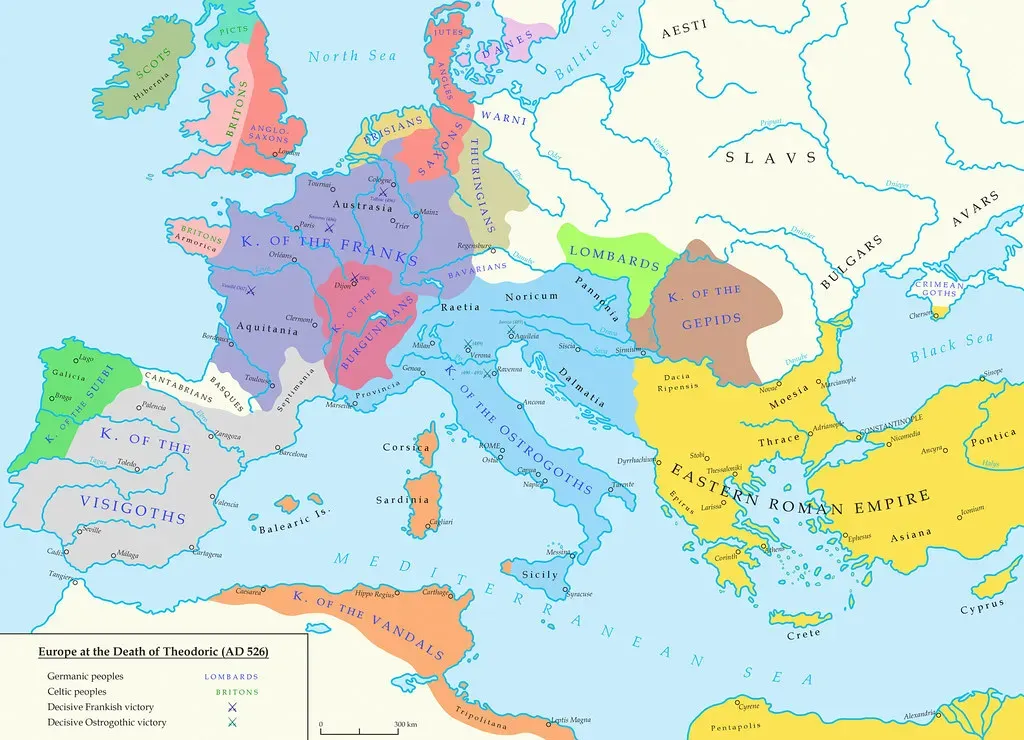
The Roman Empire lasted from 27 B.C.E. to 476 C.E., about 500 years. The Roman stress on various kinds of cultural conformity, their linkage of political power and military conquest, and their creation of an empire built across land and sea served as a model for later empires of western Christendom. Rome didn’t just conquer. It standardized taxation, built roads connecting distant provinces, imposed legal systems that still influence modern law, and created administrative infrastructure that outlasted the emperors themselves. It’s hard to say for sure, but few empires matched that combination of reach and durability.
Persia Pioneered the Art of Imperial Administration
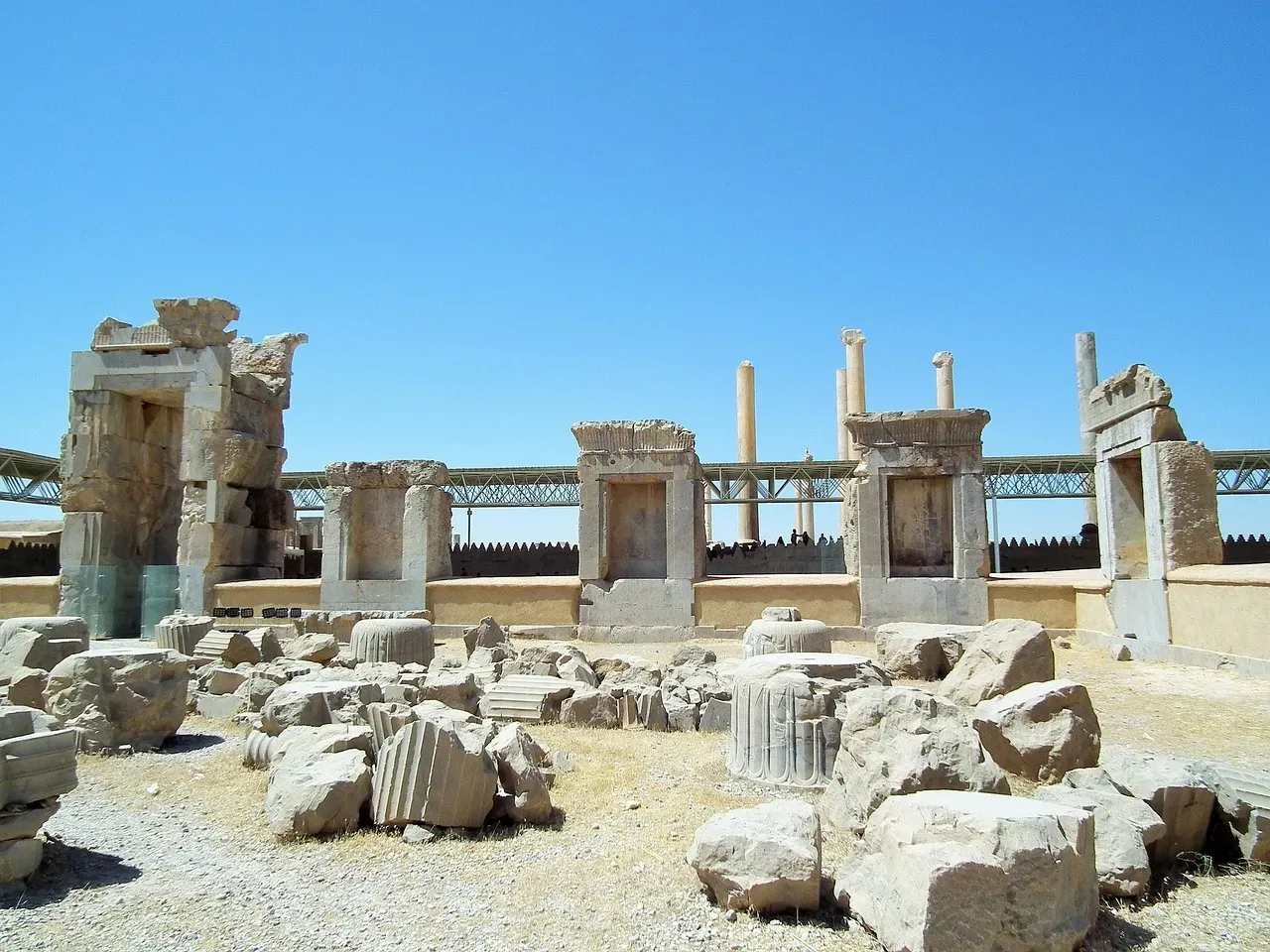
At its greatest extent under Darius I, the empire spanned west to the Aegean Sea, east to the Indus River, south into Egypt, and north to the Caucasus Mountains and Central Asia, with a huge wealth of different ethnicities, religious systems, and cultural systems. Darius introduced a regulated and sustainable tax system precisely tailored to each satrapy, and revolutionized the economy by placing it on silver and gold coinage. The Achaemenid Persian Empire introduced innovations that sound almost modern: standardized currency, provincial governors with delegated authority, religious tolerance, and sophisticated bureaucracy. The satrapy system allowed for local autonomy while maintaining central control, with each satrapy required to pay fixed tribute contributing to the empire’s wealth and funding public works.
Partner offer
Napoleon’s Influence Burned Bright but Brief
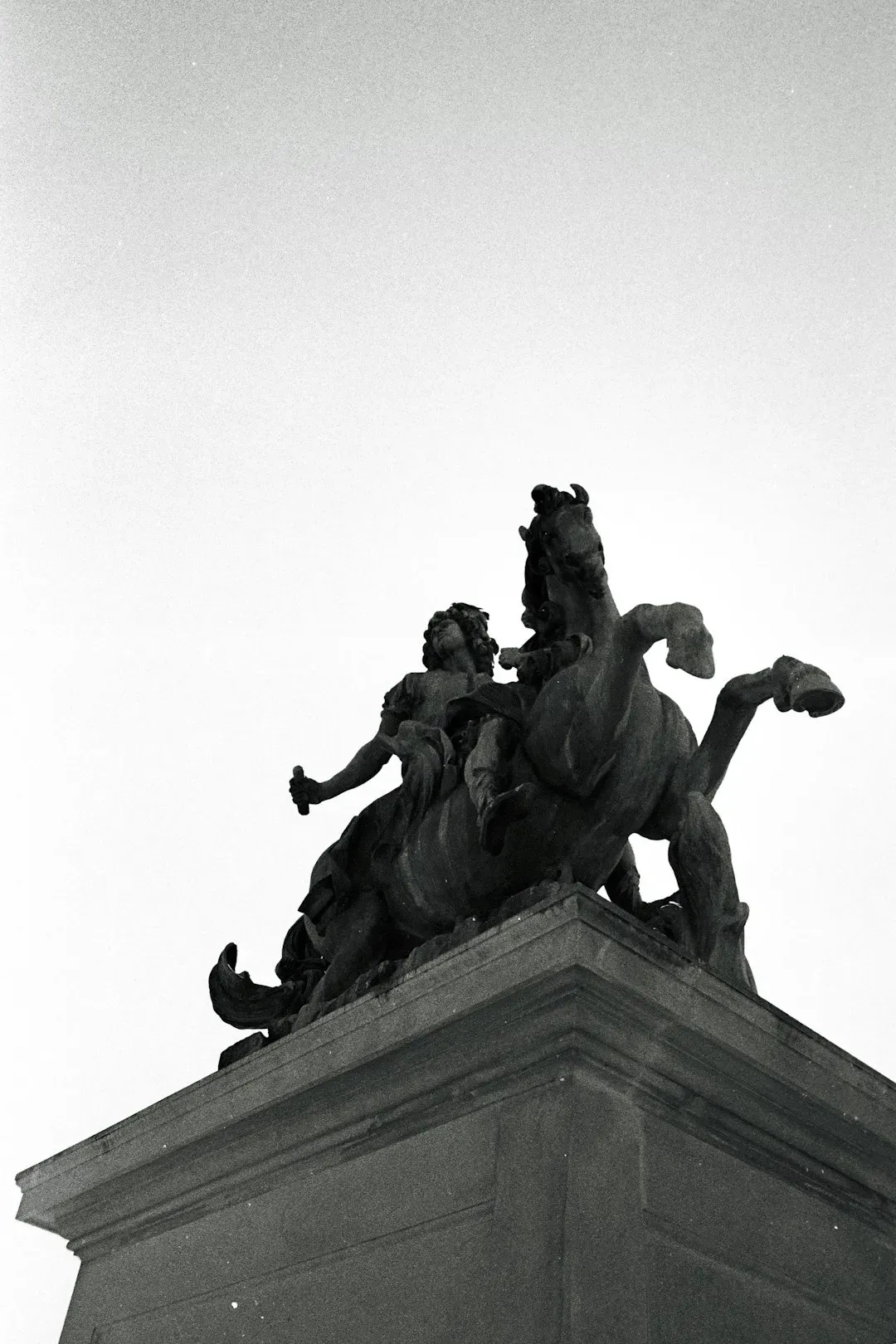
Napoleon Bonaparte conquered much of continental Europe in less than a decade. His brilliance as a military tactician is undeniable. Yet here’s the thing: his empire crumbled almost as fast as it rose. The rise phase extends to peak territorial control, with expansion through military conquest, colonization, or diplomacy, before the peak year marks the transition to the fall phase. Napoleon’s administrative reforms, the Napoleonic Code, and his reorganization of European politics left lasting marks. Still, when measured against empires that governed for centuries, his personal reign was remarkably fleeting, showing that battlefield genius alone doesn’t equal enduring power.
The Ottomans Lasted Over Six Centuries Through Adaptation

From the late 13th century until 1922, the Ottoman Empire persisted for more than 600 years. That’s longer than the United States has existed by a factor of three. Territorial empires used military conquest to impose political control over wide expanses of land adjacent to their ancestral homelands, existing by providing a degree of civil and economic order in exchange for taxes. The Ottomans mastered something critical: adaptive governance. They didn’t rely solely on constant military expansion. Instead, they developed systems to manage diverse populations, religions, and cultures within a cohesive imperial framework, adjusting policies as circumstances shifted across centuries.
Administrative Reach Matters More Than Battlefield Victories

The government of ancient Persia was based on an efficient bureaucracy combining centralization of power with decentralization of administration, with the Achaemenid Empire drawing on earlier models of Akkadian and Assyrian administration. The Achaemenid model would be followed by successive empires in the region with little modification because it was so effective. Honestly, we’ve been taught to glorify battlefield heroes, the generals who charged into combat. Yet the real architects of power were often those who built tax systems, trained administrators, established trade routes, and created legal frameworks. These unglamorous tasks determined whether an empire would endure or evaporate.
The Most Powerful May Not Be a Single Individual
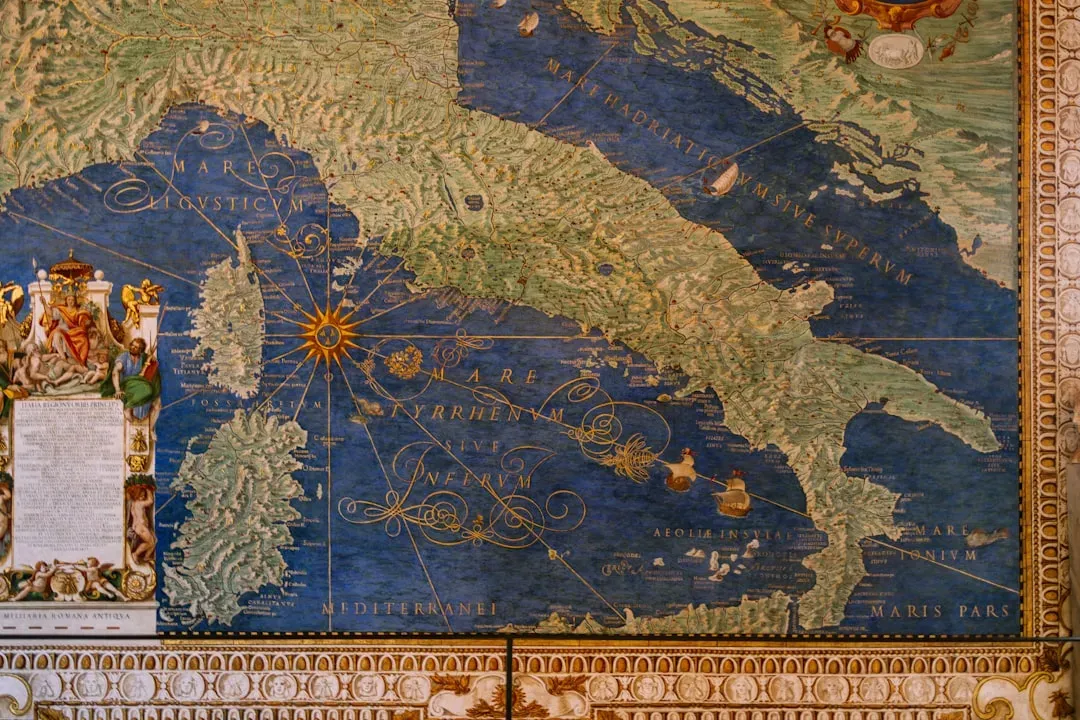
Here’s where it gets interesting. If imperial imaginaries consisted of ideas and values, the institutional manifestations were fashioned from inherited techniques of governance in response to particular contexts, with “repertoires of power” linking intellectual currents to on-the-ground outcomes. Maybe we’ve been asking the wrong question all along. The “most powerful conqueror” might not be one person but rather the leaders whose administrative systems, cultural influences, and institutional innovations outlasted them by centuries. The use of a single official language can be assumed to have greatly contributed to the astonishing success of the Achaemenids in holding their far-flung empire together for as long as they did. Power measured by legacy might yield completely different rankings than power measured by square miles seized.
Who would you have guessed held the title of most powerful conqueror? Share your thoughts in the comments.
Partner offer
Planning a trip to Vegas?
Compare hotel rates and show tickets on VEGAS.com.