
There’s something quietly telling about the fact that some of the world’s biggest entertainment companies are now betting billions not on perfecting the stage show, but on erasing the boundary between performer and audience altogether. Traditional entertainment formats, from magic acts to seated theater productions, held their cultural grip for well over a century. Their decline isn’t dramatic or sudden. It’s more like a slow tide going out, revealing just how much the ground beneath them has shifted.
The Numbers Tell a Clear Story
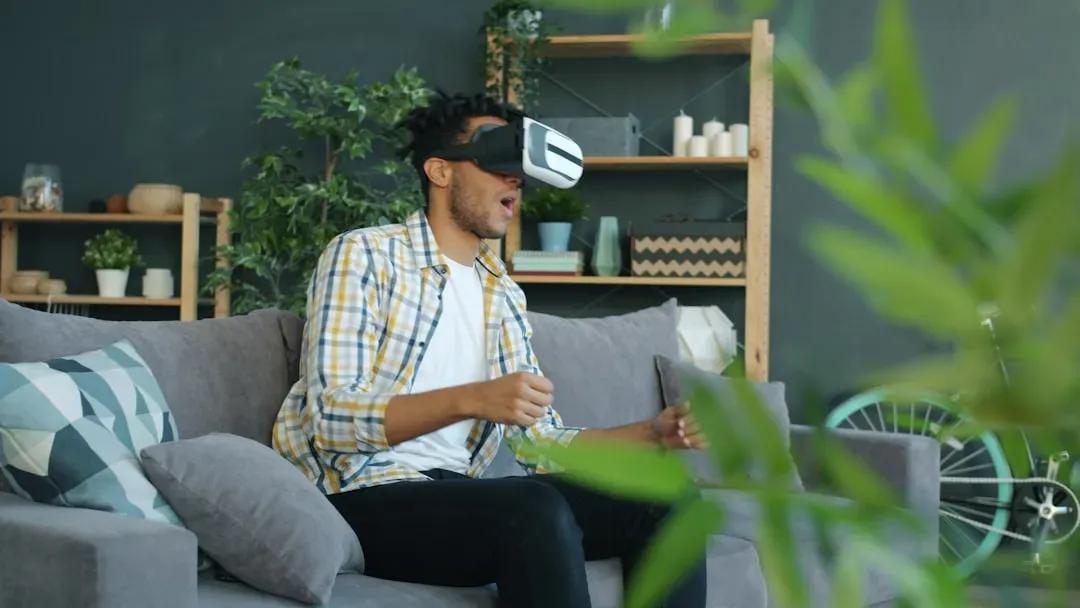
The global immersive entertainment market was valued at roughly $134 billion in 2024 and is projected to reach nearly $474 billion by 2030, growing at a compound annual rate of around 23.5 percent. That’s not the kind of trajectory you see in a niche trend. It’s a structural transformation of how the world entertains itself.
Recent data around changes in media and entertainment revenue show that traditional, passive forms of media and live performance are largely stagnant or declining, while location-based performance, video games, and other forms of experience that center participant engagement and interactivity continue to grow, in some cases almost doubling, even amidst the larger decline in their respective industries. The divergence between these two tracks is no longer subtle.
What Audiences Actually Want Now

Gen Z has very different content consumption habits than their Millennial or Gen X counterparts, often preferring fast-paced and interactive “lean-forward” experiences over the “lean-back” experience offered by traditional linear media. Sitting still and watching someone perform at a safe, polite distance is simply not how this generation’s entertainment instincts are wired.
Survey data show roughly seven in ten Gen Z respondents would sacrifice retail purchases to fund experiential outings, underscoring durable momentum for immersive entertainment. This isn’t casual preference. It’s a reordering of spending priorities. Gen Z is more focused on the overall experience, where interactive installations, themed environments, behind-the-scenes access, and shareable moments matter just as much as who’s on stage.
The Passive Show Problem
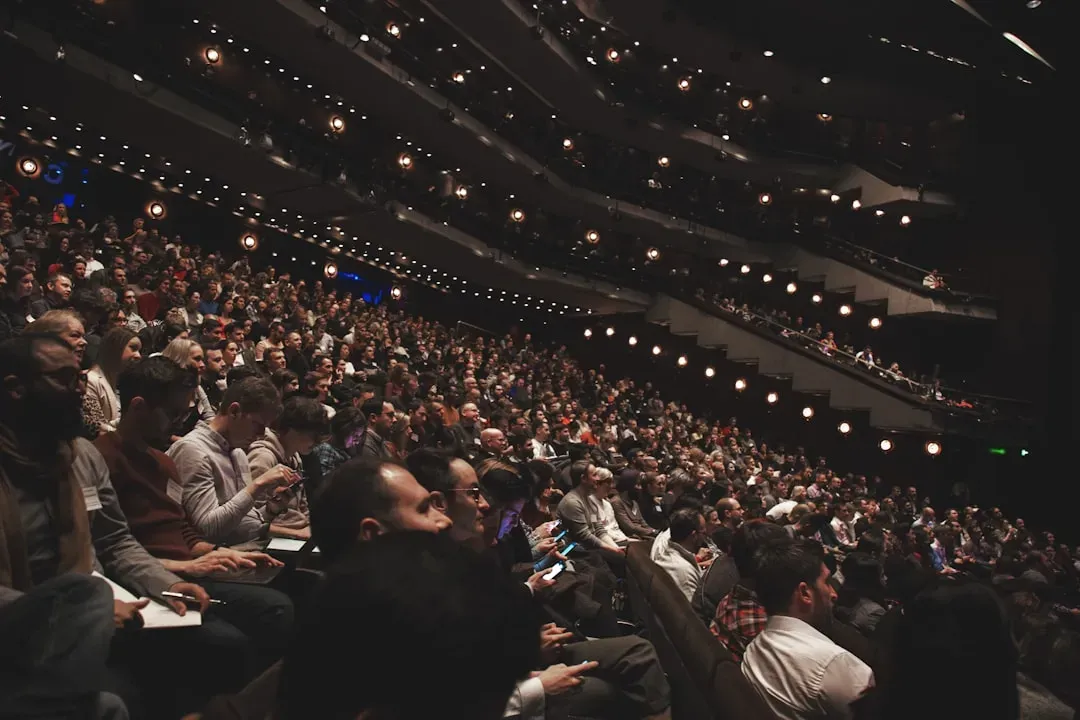
Before the COVID-19 pandemic, theater companies were already concerned about how to get more people in seats, and worries about declining ticket sales and audience retention, on top of economic inflation, have grown even more urgent as performances have safely come back to the stage but audiences haven’t returned to pre-pandemic levels. The pandemic accelerated something that was already happening.
Live TV shows the highest abandonment rate and the most polarised audience, with only 14 percent watching more than two hours daily, confirming that traditional broadcast formats are no longer central to this generation’s routine. The same logic applies to stage shows that ask audiences to sit quietly for 90 minutes without any meaningful role in what they’re experiencing. Passivity is simply no longer the default mode people are comfortable with.
Immersive Theater Is Filling the Gap
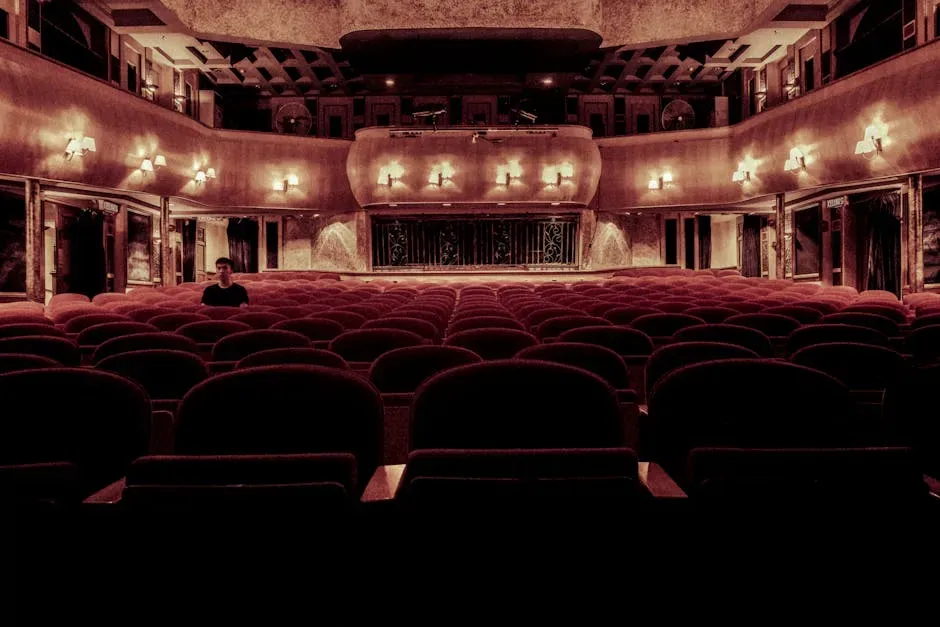
Immersive theatres post a 24.23 percent compound annual growth rate to 2030, fuelled by narrative intimacy, lower capital expenditure, and high repeat-visit intent, illustrating how agile story-centric formats can challenge market leadership from capital-heavy parks. The format works precisely because it puts the audience inside the story rather than across from it.
The trend is shifting towards making audiences active participants rather than passive observers, with immersive theater productions using sensor-driven audience interaction where viewers can vote on plot branches, creating personalized and boundary-breaking experiences that foster deeper connection and repeat attendance. Productions like “Sleep No More” in New York, where audience members roam freely through multi-level environments discovering scenes at their own pace, have become reference points for this entire movement.
Technology as the New Stage Designer
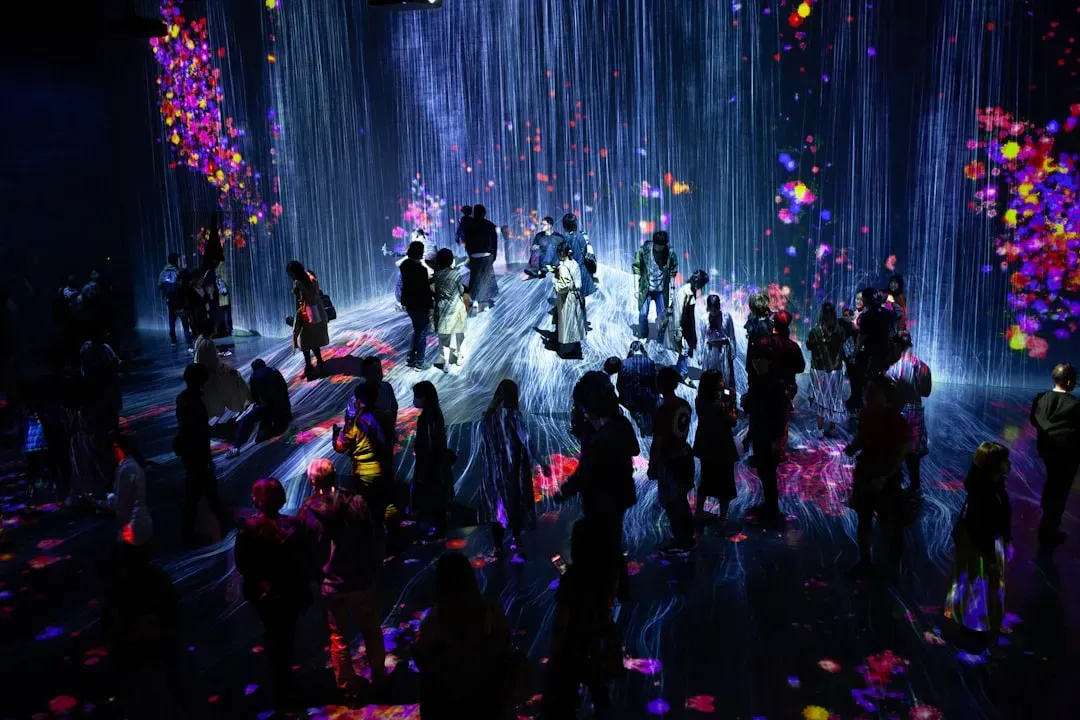
Projection mapping led with nearly 39 percent revenue share in the immersive entertainment market in 2024, while mixed reality is projected to expand at nearly 24 percent compound annual growth rate over the same horizon. These are tools that would have been unimaginable to any traditional stage designer just two decades ago.
Connectivity advancements such as 5G networks and edge computing are playing a crucial role in enabling seamless immersive experiences, with faster data speeds and lower latency allowing real-time interactions in virtual spaces, and artificial intelligence being integrated into immersive platforms to enable real-time customization of experiences based on user behavior and preferences. A magic show that never changes night to night can’t compete with an environment that adapts to each individual visitor in real time.
The Social Sharing Effect
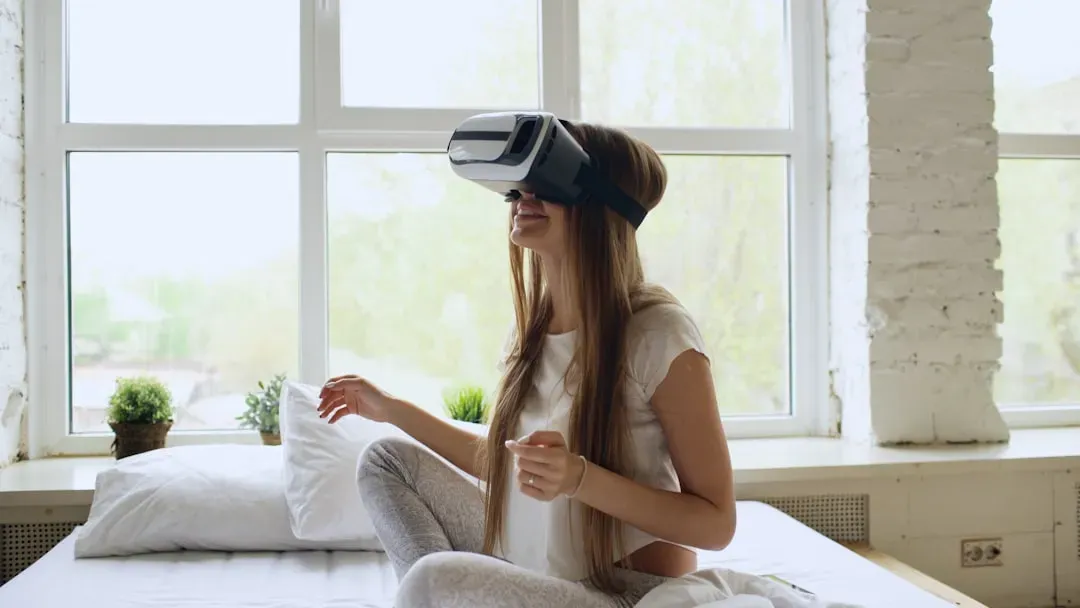
Experiential REITs recorded eight percent growth in 2025 and near-total occupancy, reflecting almost year-round utilization of attractions that once relied on seasonal peaks, while social-media amplification multiplies marketing reach at minimal cost, making shareability a design imperative for new venues. This is a genuinely new dynamic in entertainment economics. A traditional magic show produces a memory. An immersive experience produces content that audiences post, share, and help market.
Most audience members say they were eager to attend more immersive experiences, and nearly three quarters were willing to travel to experiences that piqued their interest, with those who traveled frequently also reporting a willingness to pay more for immersive experiences, presuming they are high quality. Willingness to travel and pay a premium is a strong signal. Traditional shows rarely inspire that level of proactive commitment from a general audience.
Big Operators Are Shifting Their Bets

Global operators have announced more than $80 billion in new attraction spending through 2035, led by Disney’s substantial multi-decade pledge and Universal’s own investments in immersive destinations. These are not experimental budgets. They represent a firm conviction about where entertainment value is headed.
In December 2024, Sony Pictures Entertainment launched Wonderverse, an innovative immersive entertainment destination in Oak Brook, Chicago, transporting visitors beyond the confines of the screen and immersing them in fantastical realms inspired by beloved films, television series, and video games. The model is clear: take intellectual property that once lived only on screens or stages, and rebuild it as something you inhabit. Disney filed a dozen patents in 2024 and 2025 covering AR wayfinding and queue-management algorithms, and Universal submitted patents on motion-based synchronization and ride haptics, signaling that the competitive advantage in entertainment is increasingly technical, not just creative.
What Traditional Shows Can Still Offer – And Where They Fall Short
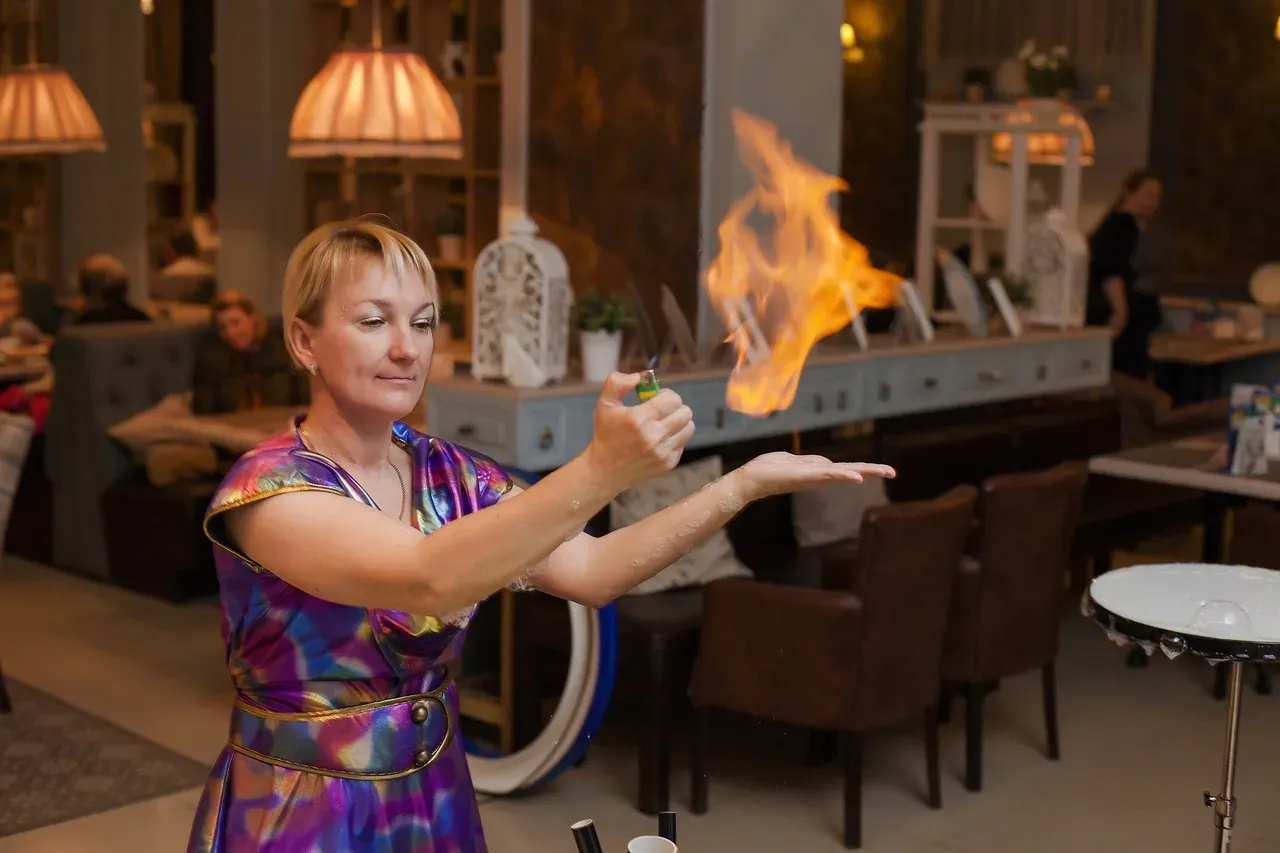
Traditional magic shows were often grand spectacles, filled with dramatic flair and mystique, but today’s shows have transformed to suit contemporary tastes, focusing more on interactivity and personal engagement. The ones that have survived are the ones that adapted, adding direct participation, closer formats, and technology-assisted illusions that audiences couldn’t have encountered a generation ago.
Consumers increasingly shift from passive media consumption to interactive storytelling, spatial exploration, VR gaming, and immersive live events, with growing expectations for multi-sensory realism, including 3D audio, haptic feedback, and life-sized virtual characters. Traditional shows, by design, can’t deliver most of those things. The seated theater format, the curtained stage, the fourth wall kept firmly in place – these conventions now work against what modern audiences expect from an evening out. The question isn’t whether immersive entertainment will continue growing. The numbers have already answered that. The real question is how quickly traditional formats can find new relevance before the gap becomes permanent.