The Oldest Story in the World, Retold on Neon Floors
In narratology and comparative mythology, the hero’s journey is the common template of stories that involve a hero who goes on an adventure, is victorious in a decisive crisis, and comes home changed or transformed. It’s one of the most recognized storytelling patterns in human history, cutting across cultures, religions, and centuries. What’s surprising is how precisely that ancient arc mirrors the experience people seek every time they walk through a casino door.
The connection isn’t accidental. Casinos have become modern stages for a deeply personal drama, one where the ordinary visitor gets to imagine themselves as the protagonist of something larger. The Las Vegas Strip, with its sheer scale and sensory intensity, has perfected that staging. In 2024, Las Vegas received some 41.7 million visits from tourists, up 2.1 percent against the previous year, according to the Las Vegas Convention and Visitors Authority. Tens of millions of people a year choosing the same destination isn’t just about gambling. It’s about a story they want to live, even briefly.
The Call to Adventure: Why We Step Inside
The hero is living in the so-called “ordinary world” when he receives a call to adventure. Usually, the hero is unsure of following this call, but is then helped by a mentor figure, who gives him counsel and convinces him to follow the call. Translate that to the casino experience, and the parallel is almost uncomfortably clear. The flashing marquee, the promise of a jackpot, the story of a friend who won big last weekend, all of these serve as the call.
There’s a reason people don’t just drift into casinos the way they drift into a coffee shop. The decision carries weight. Most visitors know the odds aren’t in their favor, yet they go anyway. That tension between hesitation and desire, between reason and possibility, is precisely where Campbell’s framework lives. The casino floor is not ordinary life. It’s a threshold. Crossing it means something, even if only for a night.
Departure from the Ordinary: Entering a World Built for Transformation
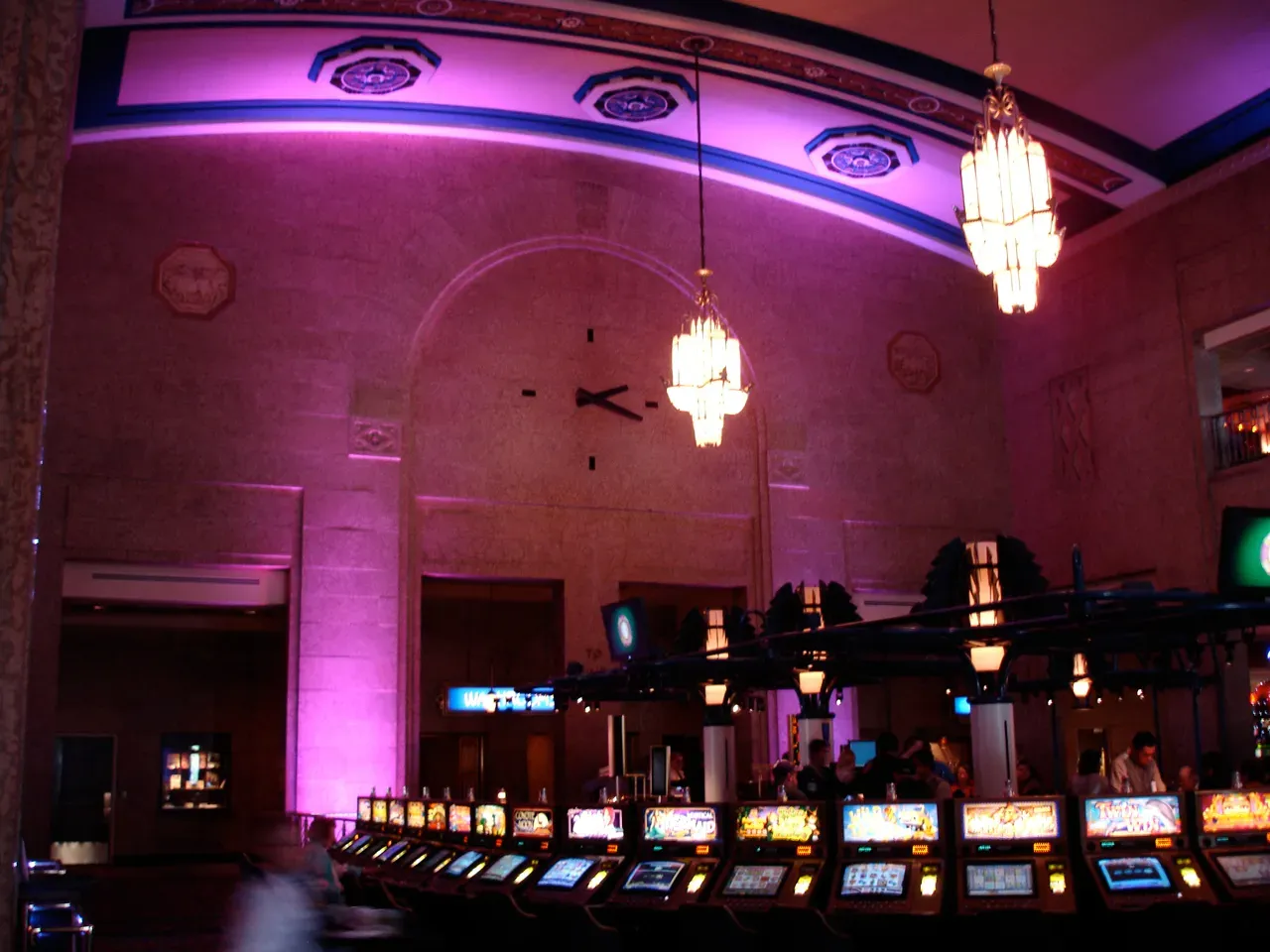
Walk into a casino, and you’re not just entering a room. You’re stepping into a psychological maze built with precision. Every carpet swirl, every missing clock, every ringing slot machine has a purpose. The design is intentional down to the smallest detail. Time slows, or more accurately, it disappears. The absence of natural light, the constant ambient sound, the endlessly looping sightlines, all of these remove the visitor from their regular frame of reference.
Sound designers add amplified winning sounds and continuous background music that represents victory. Environmental factors are kept under precise control in gaming houses, working in tandem with the reward systems that harness dopamine. This transformation of space is the casino’s most powerful tool. The moment a person crosses into that environment, they’ve already stepped out of their normal identity. They’ve become a player. A potential winner. A hero in waiting.
The Ordeal: Stakes, Risk, and the Allure of the Trial
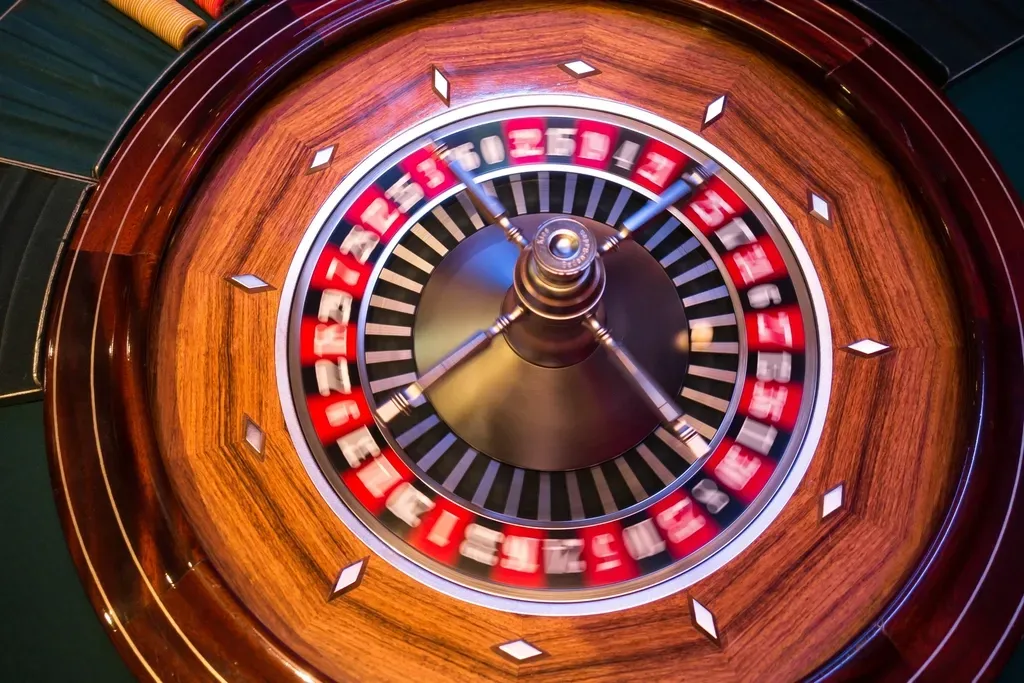
In the initiation section, the hero enters the “special world,” where he must begin facing a series of tasks until he reaches the climax of the story, the main obstacle or enemy. Here, the hero must put into practice everything he has learned on his journey to overcome the obstacle. On a casino floor, that translates into a series of bets, each one a small ordeal. There are decisions to make, strategies to consider or abandon, and a growing emotional investment in the outcome.
The feeling of being tested matters enormously here. Intermittent reinforcement further compounds the addictive nature of gambling. Unlike consistent rewards, intermittent reinforcement provides rewards at unpredictable intervals, making the behavior more resistant to extinction. When you can’t predict whether the next outcome will be a win or a loss, the experience carries narrative suspense. That uncertainty keeps the story open. And open stories, by their nature, demand to be finished.
The Near Miss: When the Narrative Lies to the Brain
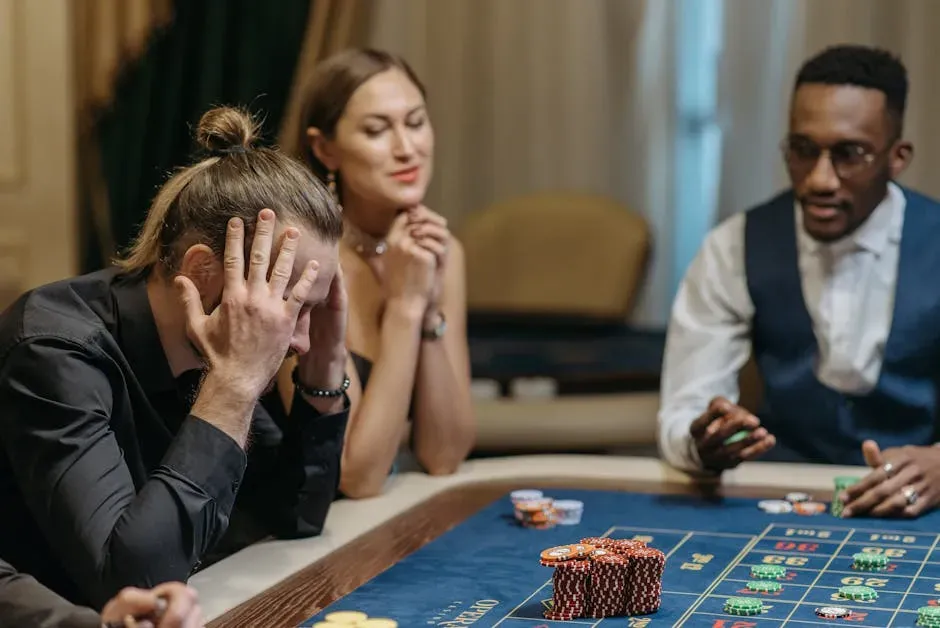
When two jackpot symbols line up and the third lands just above or below the payline, your rational brain knows you lost. Emotionally, it feels like you almost won. In most areas of life, almost succeeding can be motivating in a healthy way. In gambling, it can distort judgment. This is one of the most well-documented and consequential features of modern slot machines, and it’s inseparable from the big win narrative.
Partner offer
A near-winning scenario triggers the same neural pathways as actual wins, releasing dopamine and reinforcing the behaviour despite the objective loss. In storytelling terms, a near miss is a cliffhanger. It signals that the story isn’t over, that the protagonist came close and should try again. A study published in the Journal of Gambling Studies found that near-miss experiences can increase betting frequency by up to 30%. The brain interprets near misses as narrative momentum, not failure. That’s a powerful distortion with very real consequences.
The Reward: Jackpots as Mythic Triumph

Campbell talks about the hero attaining some kind of prize for his troubles, which can be a physical token or “elixir,” or just good, old-fashioned wisdom. In gambling culture, the jackpot is the elixir. It is the prize that transforms the ordinary person into something extraordinary, at least in the story they tell themselves and others. Casinos understand this completely, which is why they broadcast big wins loudly, visibly, and repeatedly.
The economics behind those wins, however, sit in careful balance. Slot machines are engineered to remain profitable long-term. In 2023, traditional casino gaming generated record revenue of $49.37 billion from slot machines and table games, reflecting 3.3 percent growth compared to the previous year. While traditional casino gaming’s rate of annual growth slowed compared to 2022, it outpaced the years leading up to the pandemic. The big win is real and celebrated, but statistically rare. The narrative power comes precisely from that rarity. Myths don’t feature everyday heroes having average days.
Why We Remember Wins and Forget Losses
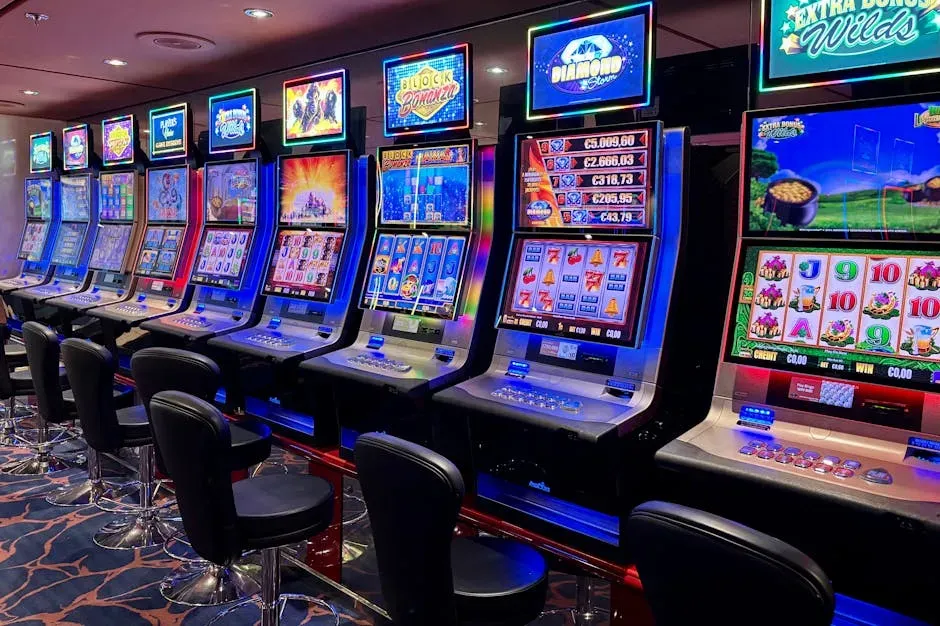
Memory is not neutral. Research in behavioral psychology consistently shows that people are far more likely to recall and retell stories of success than stories of loss. Wins carry narrative shape: a beginning, a climax, and a satisfying ending. Losses, by contrast, feel structureless. They’re not stories, they’re just outcomes. That selective memory keeps the mythology of the big win alive and unchallenged in popular culture.
Casinos actively support this asymmetry. The constant visual and auditory cues serve as subtle invitations to engage in additional play, capitalizing on impulsive behavior and increasing the time and money spent within the casino. Slot machines, in particular, are designed to produce celebratory sounds and flashing lights even for small wins or near-misses, creating a sense of excitement and achievement. Even modest returns get framed as wins. The environment is curated to produce more positive memories than negative ones, regardless of the actual outcome. It’s storytelling through design.
The Return: What the Narrative Costs and Carries

Feeling like he is ready to go back to his world, the hero must now leave. Once back in the ordinary world, he undergoes a personal metamorphosis in the realization of how his adventure has changed him as a person. Most people who leave a casino walk out with less money than they arrived with. Yet the story they carry can still feel like a meaningful one. The thrill of having played, the memory of a good run, or simply the social experience of having taken a risk alongside others, all of these carry narrative weight that outlasts the financial result.
The scale of the industry reflects just how deeply this narrative pull works. The American Gaming Association showed that U.S. commercial gaming generated $72 billion in revenue in 2024, a 7.5 percent increase from 2023. Last year’s total set a new all-time record for the fourth consecutive year, an impressive feat on the heels of the Covid pandemic and subsequent economic headwinds. These aren’t numbers generated by a small, niche appetite. They represent hundreds of millions of individual decisions made by people who chose, consciously or not, to step into a story. The hero’s journey is a storytelling framework that revolutionized narratives. It provides a universal structure for character development and plot progression, emphasizing the cyclical nature of narrative arcs that mirror human experiences and psychological growth. The Strip didn’t invent this need. It just learned to answer it better than almost anything else in the modern world.
Understanding the mechanics behind the appeal doesn’t diminish the experience, but it does put it in clearer light. Every person who walks onto the Strip is, in some sense, auditioning for the role of the hero. The casino knows the script. The question is whether the visitor does too.
Partner offer
Planning a trip to Vegas?
Compare hotel rates and show tickets on VEGAS.com.