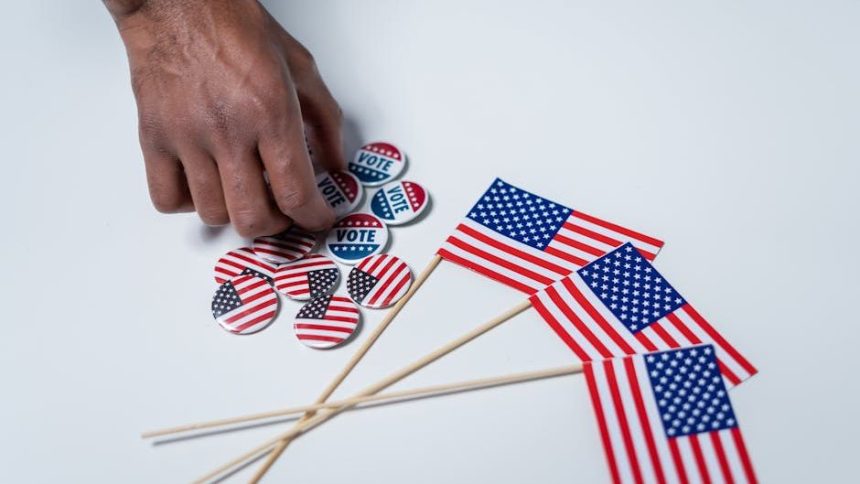
The relationship between Las Vegas money and American politics has never been a quiet one. Nevada’s casino industry sits at the intersection of tourism, jobs, tax revenue, and legislative power – and as the 2026 election cycle heats up, the Strip’s heaviest wallets are once again making their presence known far beyond state lines. This is not simply a Nevada story. The donors who built their fortunes on casino floors are now shaping congressional races, influencing federal tax policy, and funding campaigns from Nevada to Texas. The scale and strategy behind that spending is worth a closer look.
Gaming Reclaims the Top Donor Spot in Nevada
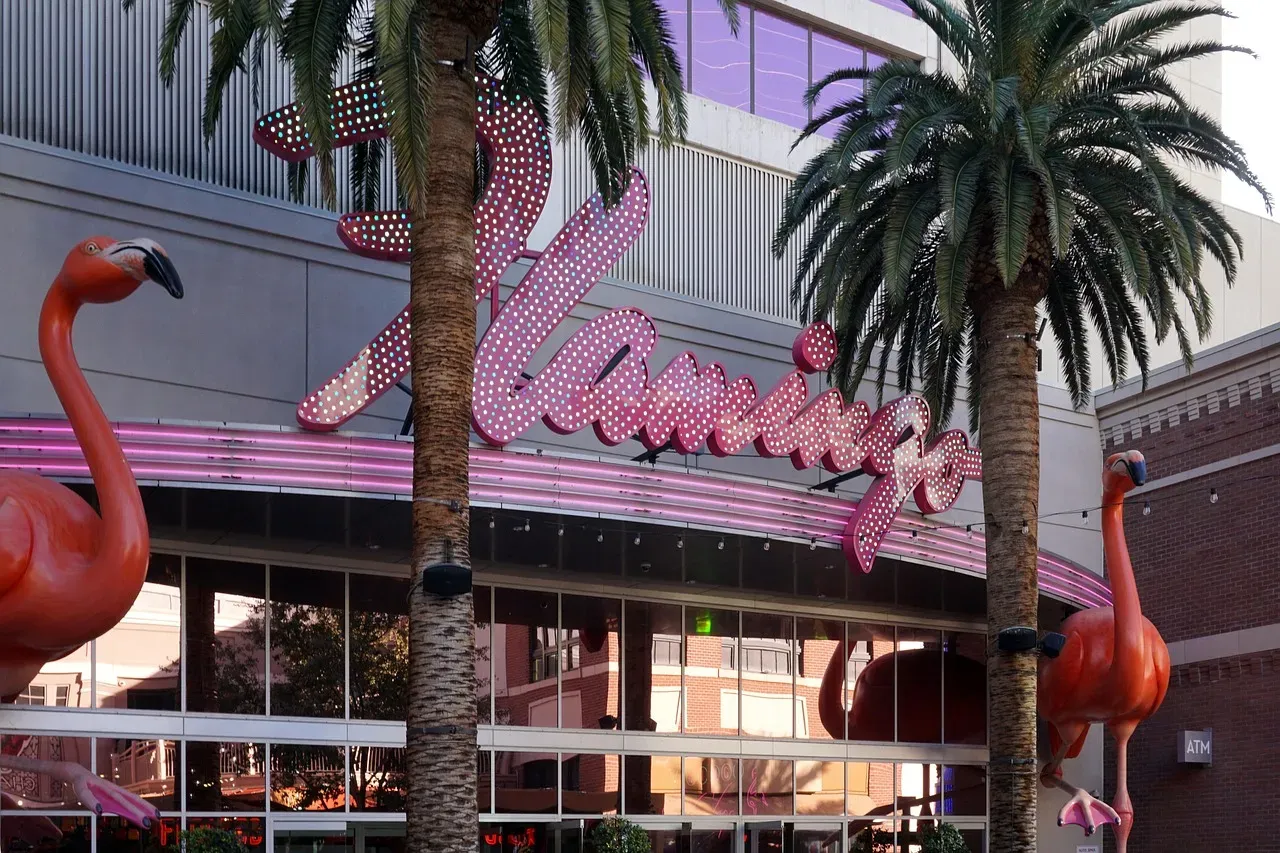
The gaming industry reclaimed its place atop Nevada’s political donor hierarchy during the 2024 election cycle, donating more than $2 million to state lawmakers. It was the first time since the 2018 cycle that casinos and other gaming groups donated more than any other industry, and the most they had donated in a single cycle since The Nevada Independent began tracking contributions to lawmakers in the 2016 election cycle.
This is also part of an upward trajectory in political activity that includes the 2022 creation of a PAC affiliated with the Nevada Resort Association. The numbers tell a clear story: the industry is not pulling back from politics. It is leaning in harder than it has in years.
Nevada law prohibits donors from giving more than $10,000 to a single candidate, but some gaming groups were able to easily surpass that limit by contributing through affiliated entities. That structural flexibility matters a great deal when you’re trying to move a legislature.
Miriam Adelson: The Casino World’s Most Powerful Donor

Since the 2010s, Adelson has been one of the Republican Party’s largest individual donors. She was the third largest donor to Trump’s 2024 election bid, donating $106 million. That figure alone dwarfs most other individual contributions in American politics.
Miriam Adelson, the billionaire owner of the Dallas Mavericks and the casino company Las Vegas Sands, donated $95 million in the third quarter alone to the pro-Donald Trump Preserve America PAC, according to a Federal Election Commission filing. Adelson made four large donations to the PAC in July, August, and September.
As of October 2025, estimates placed her wealth at $34.6 billion, making her the 48th richest person in the world. Notable holdings include Las Vegas Sands and the Dallas Mavericks. Her political reach is now truly national in scope – moving well beyond Nevada.
Las Vegas Sands and the Texas Expansion Play
The Las Vegas Sands Corporation has individually contributed around $10 million to Texas 2026 primary politics, matching the amount given by Las Vegas Sands owner Miriam Adelson as an individual. Casinos may still be illegal in Texas, but their billionaire owners are making waves in the Texas political scene.
Since purchasing a controlling ownership interest in the Dallas Mavericks, Adelson has been advocating and lobbying for the legalization of casino gambling in Texas, in order to build a casino in the state. The business logic is straightforward: political donations now are an investment in market access later.
In January 2026, the team confirmed that it was interested in property in downtown Dallas that is the current site of Dallas City Hall in order to build an entertainment complex that would include an arena and potentially a casino. The ambitions are large, and the lobbying effort to match them is already underway.
The Nevada Resort Association PAC and Its Legislative Ambitions
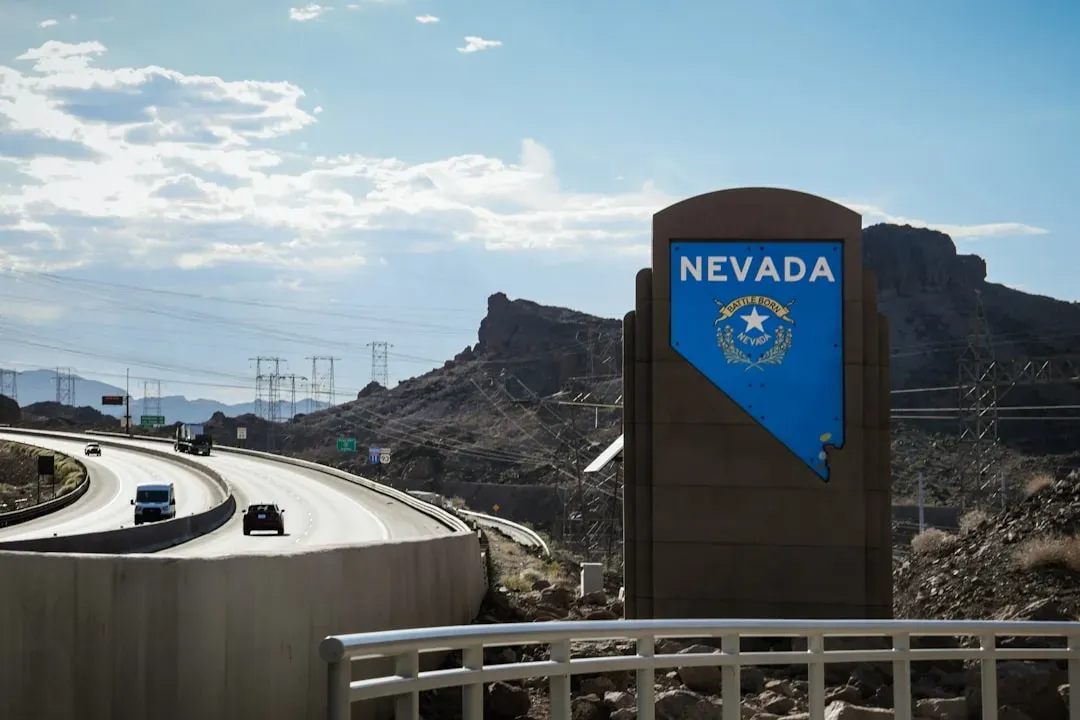
Outside of gaming companies themselves, the Nevada Resort Association donated more than $192,000 in the 2024 cycle. This included donations from the association itself and its PAC, which launched in 2022 to “recruit, assess, endorse, and elect state legislative candidates.”
During the last cycle, the Nevada Resort Association and its PAC gave close to $180,000 to 18 winning candidates. The association represents 80 casino resorts statewide and is the primary trade association for the gaming industry. That track record of picking winners matters in a state where legislative margins can be thin.
The Nevada Resorts PAC released general election endorsements for 13 Assembly candidates – nine Democrats and four Republicans – showing that the industry PAC will continue to support candidates of either major political party who “respect and champion our state’s biggest industry.” Bipartisan reach is the point. The goal is access, not ideology.
Casino Money Inside Individual 2026 Nevada Races
One prominent 2026 candidate brought in donations from several major casino companies, including $10,000 from Marnell Gaming Management, $5,000 each from South Point, Boyd Gaming and Circa Resorts CEO Derek Stevens, and $2,500 from Station Casinos. These contributions tend to cluster around candidates who have demonstrated a willingness to work with the industry.
Miriam Adelson donated $21,000 to Nevada state legislators, all of which went to Republicans except for $2,500 to one Democratic senator. Altogether, 72 percent of the donations from Adelson and Las Vegas Sands went to Republicans, a number only exceeded among top donors by South Point Hotel and Casino, which gave 78 percent of its donations to Republicans.
The top recipient of gaming dollars in the 2024 election cycle was Nevada state Sen. Rochelle Nguyen, who brought in more than $213,000. In a state where legislative races can be decided by a few thousand votes, that kind of financial advantage is not easily overcome.
Partner offer
The Gambling Tax Deduction Fight and Its Political Stakes

Nevada lawmakers and casino leaders are urging Congress to reverse a federal tax change set to take effect in 2026 that limits how much gamblers can deduct in losses. The change was included in the One Big Beautiful Bill Act signed by President Donald Trump in July 2025. It reduces the allowable deduction for gambling losses from 100 percent to 90 percent.
U.S. Rep. Dina Titus introduced the FAIR BET Act in response to the changes. Titus’s bill, which has broad bipartisan support and 21 co-sponsors, would restore the 100 percent deduction. That bipartisan count is unusual and reflects how broadly the Nevada casino industry has spread its political relationships.
Lawmakers and industry groups say the policy could lead to reduced wagering, fewer tourists, and job losses in Nevada, where casinos and tourism are key economic drivers. For the gaming industry, this is no abstract policy debate – it is a direct threat to the bottom line, and money is flowing accordingly.
Nevada’s Senators and the Prediction Markets Battle

Nevada’s two U.S. senators are both supportive of federal efforts to curb sports-related prediction contracts, saying the products function as unregulated gambling and undermine the state-based oversight model that governs the industry. Sen. Catherine Cortez Masto has signed on as a co-sponsor of newly introduced bipartisan legislation that would amend the Commodity Exchange Act to explicitly bar prediction markets from offering event contracts tied to sports or casino-style games.
Nevada State Senate Majority Leader Nicole Cannizzaro said sports betting prediction markets is a pertinent issue for legislation, following the state being locked in a legal battle to keep unlicensed operators from offering betting contracts in the state. The Gaming Control Board has warned license holders not to offer prediction markets in other states where it’s not allowed, at the risk of putting their licenses in jeopardy.
Kalshi executives and other proponents of prediction markets argue that banning the contracts simply pushes trading offshore, where regulation does not exist, and that the new federal legislation serves to protect established gaming monopolies rather than consumers. The lobbying battle on both sides is already underway, and its outcome will shape the regulatory landscape for years.
The Revolving Door Between Gaming and Government
On February 12, 2026, the Nevada Gaming Control Board unanimously recommended licensing approval for two new members of the Resorts World Las Vegas board of directors – former Nevada Gaming Commission Chairman Brian Sandoval and former Nevada Gaming Control Board Chairman A.G. Burnett. Both had previously shaped the regulatory environment they now seek to operate within.
Both now seek to govern a casino that regulators fined $10.5 million in 2024 for anti-money laundering violations – the second-highest penalty in Nevada gaming history. Sandoval left the governorship in 2019 and was hired directly by then-MGM Resorts CEO Jim Murren. By November 2025, he had been elevated to chairman of the Resorts World board.
The movement of former officials into industry roles – and industry allies into office – is not unique to Nevada, but it is particularly visible there. It is a structural reality that blurs the line between regulator and regulated, and it makes the relationship between casino money and political outcomes harder to disentangle.
Boyd Gaming, Station Casinos, and the Institutional Donors
Boyd Gaming made up nearly 10 percent of total gaming industry contributions to Nevada legislators, a higher share than in the past two cycles. These are not small checks written by one wealthy individual; they reflect coordinated institutional strategies developed by major corporate operators.
Although many gaming regulations are made at the state and local level, the federal-level influence of the casinos and gambling industry has grown through both campaign donations and lobbying efforts. Much of the motivation for this increased spending is the desire to minimize federal regulations that will impede the industry’s growth on a national scale.
In Nevada, individuals, political committees, political parties, corporations, and unions can all contribute $5,000 per election to gubernatorial and state legislative candidates. When multiple corporate affiliates each write a check at or near the limit, the combined effect can be substantial – and entirely legal.
What 2026 Actually Means for the Industry’s Political Future
Nevada legislative committees in 2026 will consider bills dealing with prediction markets and any modifications to protect the integrity of sports betting. Two top Nevada lawmakers addressed the topic when talking to gaming attorneys at their annual law conference sponsored by the State Bar of Nevada. The next full session of the legislature is in 2027, but committees will be meeting throughout 2026.
The 2026 United States House of Representatives elections in Nevada will be held on November 3, 2026, to elect four U.S. representatives from the state’s congressional districts. The elections will coincide with elections to the United States Senate and various state and local elections. The primary elections will take place on June 9, 2026.
Legislative attention is also being focused on gaming-related legislation that aims to keep the industry healthy, given the economic challenges nationwide and a drop of tourism in Las Vegas in 2025. As one lawmaker noted, “People are traveling less and that’s affecting us here more than anywhere else.” That backdrop of economic pressure is precisely what makes 2026 such a high-stakes moment for the industry’s political spending.
The deeper pattern here is durable. Las Vegas money does not simply show up in election cycles and disappear. It moves through PACs, through lobbying contracts, through the careers of former officials, and through carefully timed donations designed to reach candidates before they vote on bills that matter to the industry. In 2026, with federal tax law, online prediction markets, and multiple competitive Nevada races all in play simultaneously, that machine is running at full speed. Whether voters view that as democracy working as intended or something that needs watching more closely is, in the end, a question only the ballot box can begin to answer.Partner offer
Planning a trip to Vegas?
Compare hotel rates and show tickets on VEGAS.com.