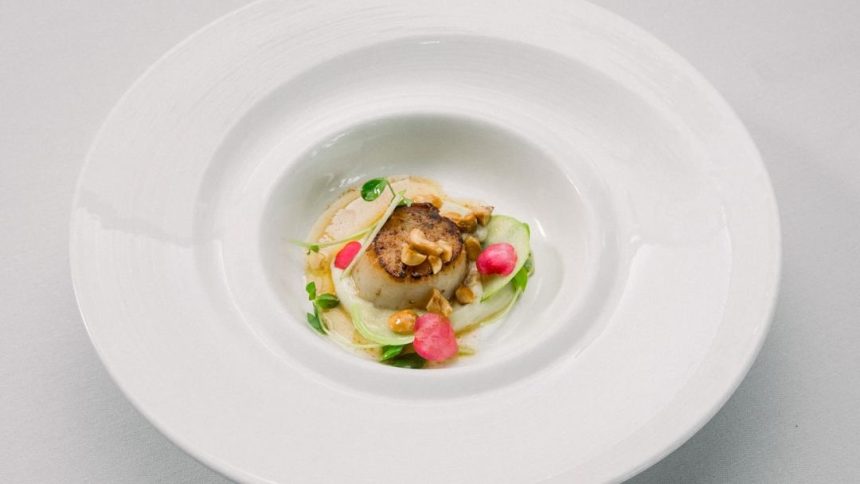
There’s a version of Las Vegas that still exists in people’s heads: cheap steaks, free drinks, and all-you-can-eat buffets stretching to the horizon. That version is fading, fast. What’s replacing it is something nobody really predicted for a city built on spectacle and volume. Quietly, deliberately, and often in small rooms tucked inside massive casino resorts, a new kind of dining is taking root. Vegas is becoming a city of intimate, chef-driven experiences, where fewer seats and more focused menus are now the point.
The Buffet Era Is Officially Over
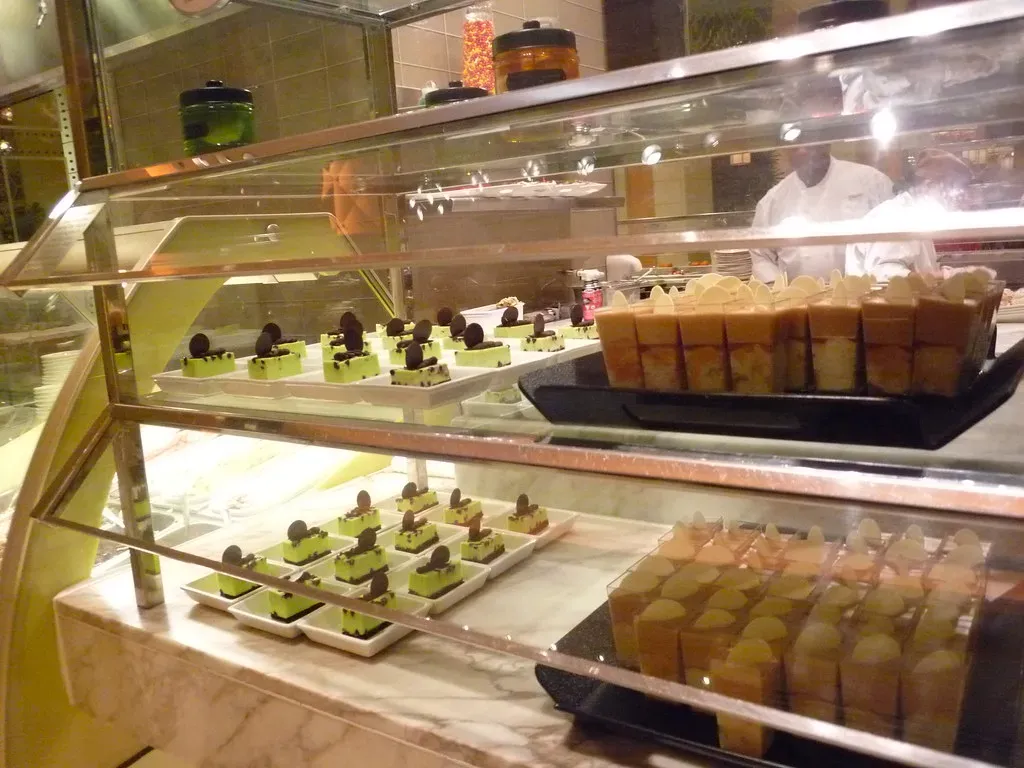
According to Eater Las Vegas’s comprehensive guide to dining in the city, a clear shift has emerged away from inexpensive buffets designed merely to keep gamblers on the casino floors, toward a diverse array of world-class restaurants catering to every palate and price point. The numbers confirm the mood. According to UNLV’s Center for Gaming Research, gaming win on the Las Vegas Strip has fallen from 59% of total casino revenue in 1984 to just 35% in fiscal 2024. Non-gaming revenue, comprising dining, entertainment, and retail, now makes up roughly two-thirds of Strip casino-resort revenue.
The Strip’s two largest casino operators, Caesars Entertainment and MGM Resorts International, have either eliminated or reduced the number of buffet offerings. Las Vegas’s once-famous buffets are fading from the Strip, replaced by trendy food halls. One Vegas local put it simply: the buffets “are a dying breed,” noting that COVID was the turning point that really sealed it.
The Financial Logic Behind the Shift
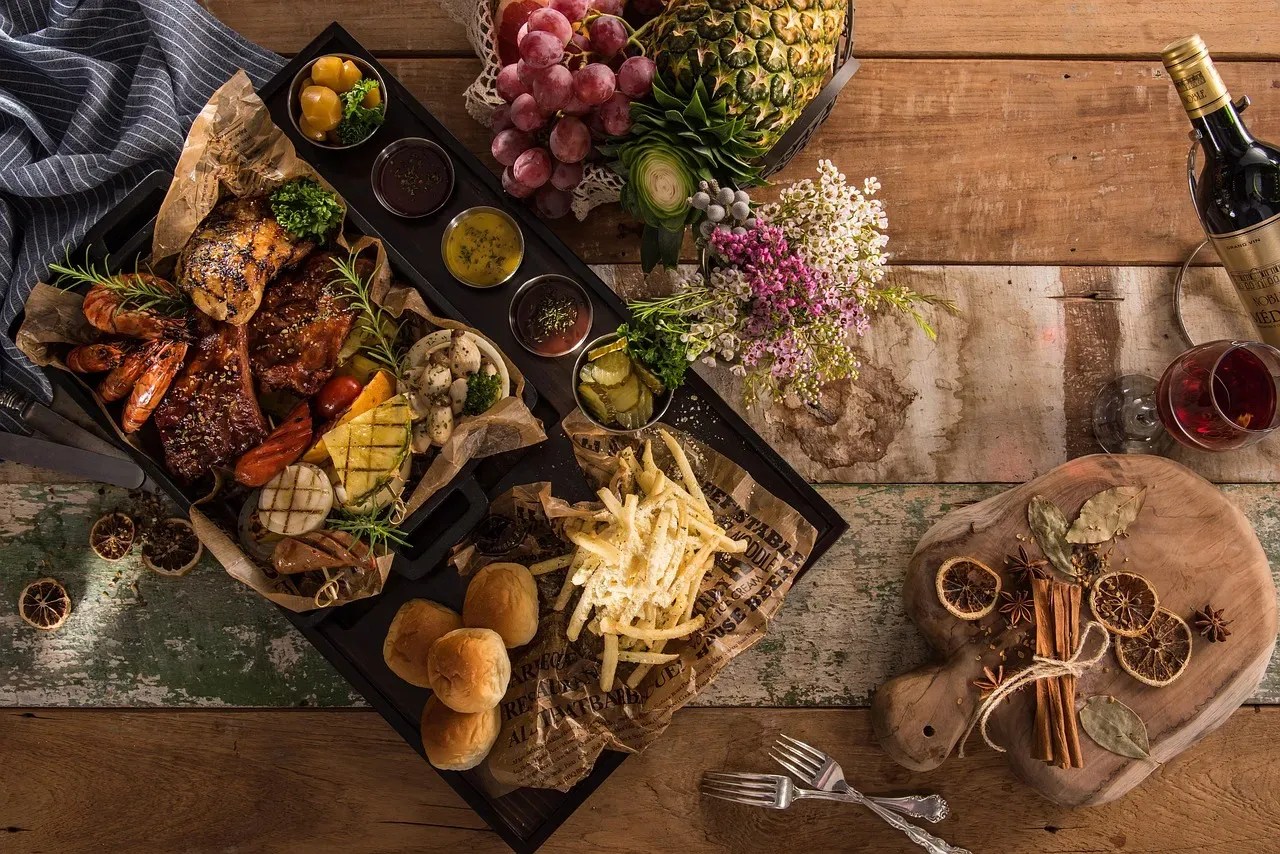
The space occupied by a typical buffet is massive, covering multiple dining zones, enormous kitchens, and endless service stations. Converting that real estate into upscale restaurants generates multiples of the previous revenue. Buffets have historically operated with minimal profit margins or even losses, functioning as loss leaders to draw patrons into gaming areas.
Food-at-home prices increased by roughly five percent in 2023, while food-away-from-home prices jumped more than seven percent that year, and continued rising over four percent in 2024, hitting restaurants particularly hard. When ingredient costs surge, the buffet model is the first to crack. Buffets depend on volume purchasing and razor-thin per-plate costs, and when wholesale prices for staples like meat, dairy, and produce surge by double digits, the math simply stops working.
Who Is Dining in Vegas Now
The median household income of Strip visitors reached ninety-three thousand dollars in early 2024, showing a clear trend toward more affluent tourists. Tourists spent an average of roughly thirteen hundred dollars per trip in 2024, indicating visitors arrive with serious spending power. Vegas has deliberately repositioned itself as a luxury destination, attracting high-net-worth individuals who prioritize experience over bargain hunting.
The LVCVA’s 2024 Visitor Profile Study found average per-trip spending of $615 on food and drink, $281 on shopping, and $160 on local transportation, all up year over year. The average trip gambling budget hit a record $820, up from $591 in 2019. According to the National Restaurant Association, nearly two-thirds of full-service diners now value the overall dining experience more than price.
Michelin’s Long Absence, and Its Return
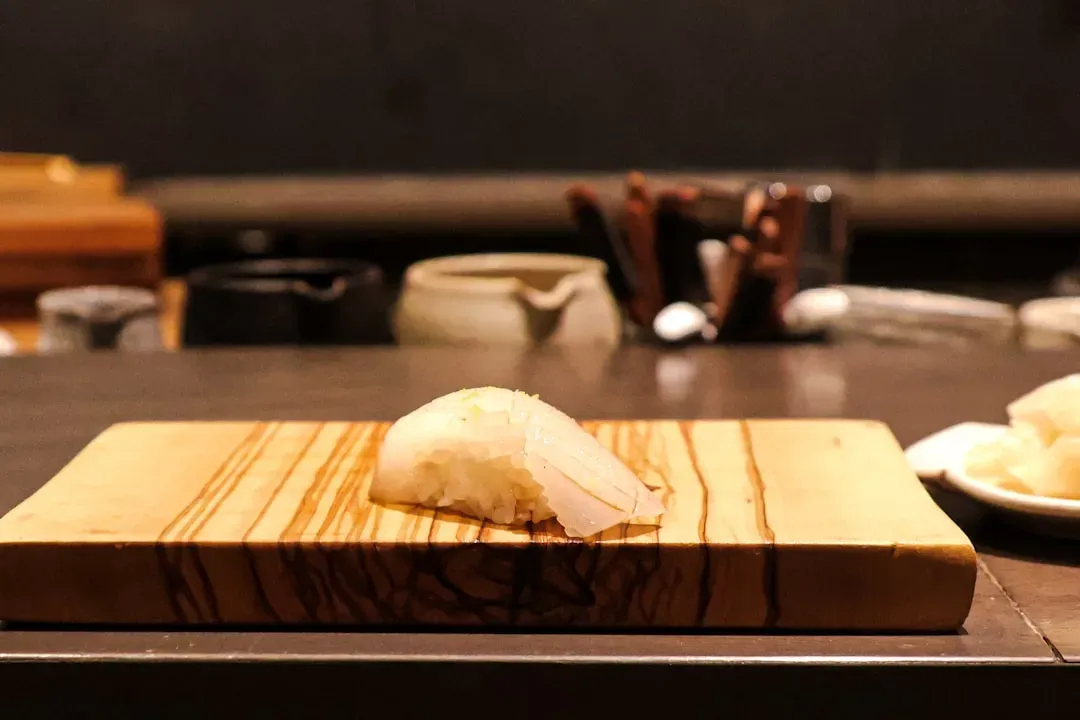
The Michelin Guide was published for Las Vegas in 2008 and 2009, covering the Strip and surrounding areas, before its publication was suspended in 2010, citing the economic climate. During those two years, 17 Vegas restaurants received Michelin stars. Eight of those restaurants remain open today, including Joël Robuchon at MGM Grand, the only Vegas restaurant ever awarded three Michelin stars, Guy Savoy at Caesars Palace with two stars, and Wing Lei at Wynn Las Vegas, the first Chinese restaurant in North America ever to receive a star.
The prestigious Michelin Guide is returning to Las Vegas after a 16-year absence, meaning that local restaurants will once again qualify for Michelin stars, the world’s most prestigious culinary awards. In December 2025, Michelin announced it will review restaurants in Las Vegas alongside the rest of Nevada, Arizona, New Mexico, and Utah as part of the Michelin Guide in the American Southwest, with the inaugural guide debuting in August 2026.
The New Micro-Restaurant Model
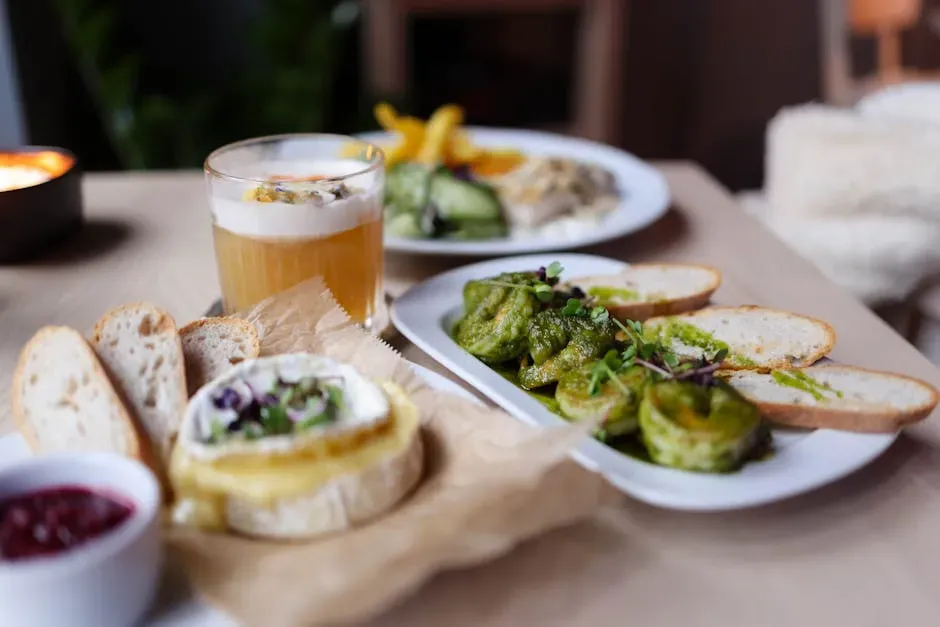
The landscape of the best restaurants in Las Vegas has evolved from a city of buffets into a global capital of high-end gastronomy. Whether strolling through palatial resorts of the Strip or exploring the creative pulse of the Arts District, the sheer density of culinary talent is staggering, with the city now a playground for world-renowned chefs bringing their most ambitious concepts to the desert. The micro-restaurant is the purest expression of this shift. Small rooms, short menus, and zero compromise on craft.
Tucked discreetly within Jaleo at The Cosmopolitan, É by José Andrés is less a restaurant and more a culinary speakeasy. This ultra-exclusive dining room, seating just nine lucky guests per evening, delivers a theatrical 20-plus course tasting experience that blurs the line between cuisine and contemporary art, from liquid olives to edible air. Reservations open only a few times per month and are snapped up in seconds, making this Vegas dining at its most exclusive.
Chef-Driven Intimacy as a Design Choice
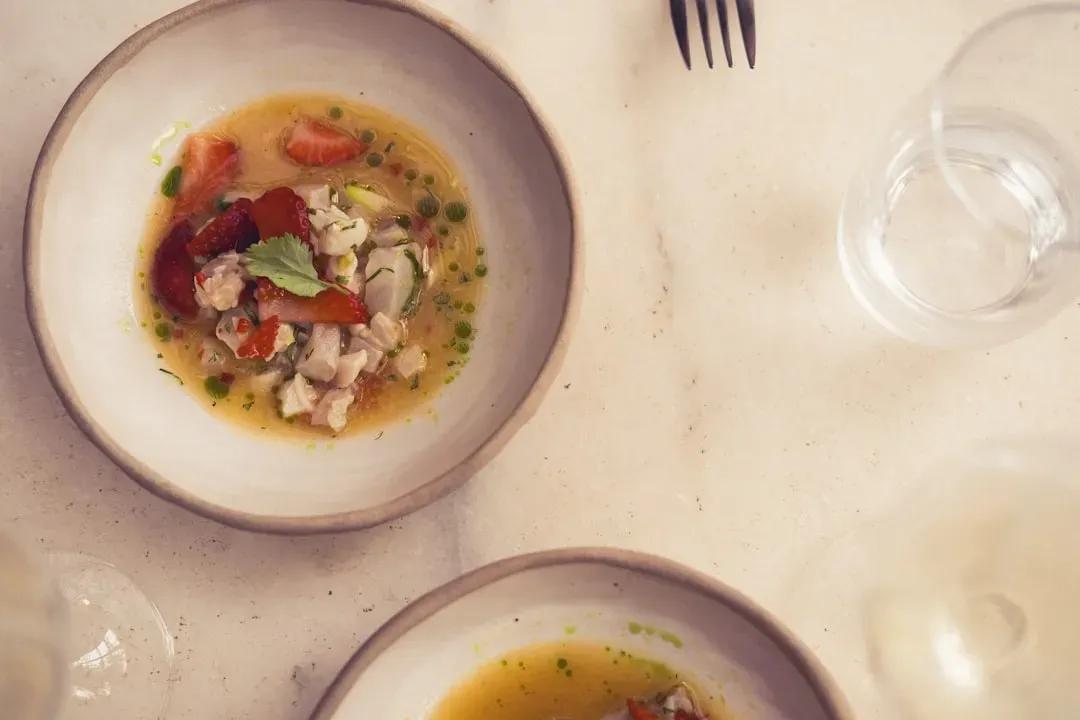
Partage is where diners go when they want a tasting menu that is not about flash and circumstance. The room is quiet, the service exacting, and the nine-course chef’s table with wine pairings and direct views of the kitchen is considered one of the best dining experiences in the city. There is no telling what chef Yuri Szarzewski will create on a given night. This kind of controlled unpredictability is exactly what the micro-restaurant format enables.
Partner offer
In the heart of the MGM Grand, L’Atelier de Joël Robuchon offers an intimate counter dining experience. Its sleek black and red décor, coupled with an open kitchen, enables diners to observe the culinary artistry firsthand. The restaurant’s biggest feature is the dining room, which faces the seating toward the kitchen so guests can watch as their food is prepared directly in front of them. That transparency is deliberate. It changes the relationship between diner and chef entirely.
The Tasting Menu as Storytelling
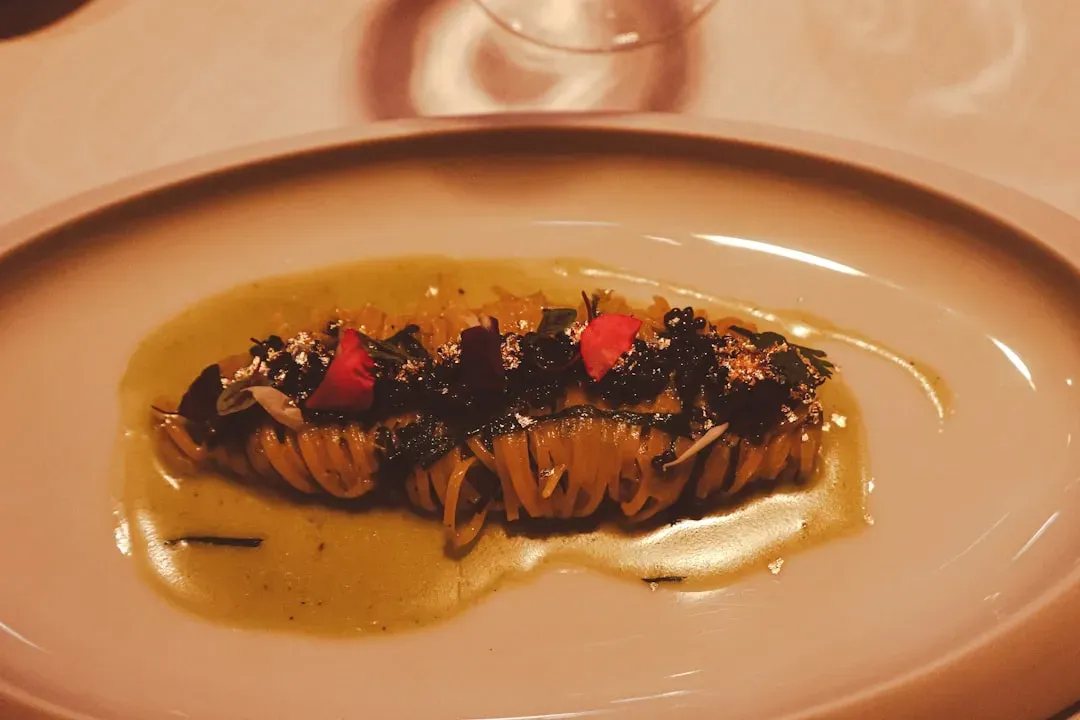
From intimate omakase rooms to sprawling steakhouse cathedrals, the variety in Las Vegas today ensures every palate finds its match. Still, it is the tasting menu format that most completely defines the micro-restaurant philosophy. A fixed progression of courses, no improvisation at the table, and a narrative arc built by the kitchen. Stubborn Seed Las Vegas, for example, presents a fine dining tasting menu that celebrates both innovation and tradition, with each course composed with seasonal ingredients, modern culinary techniques, and a dedication to balance in flavor and presentation.
Partage is where guests go when they want the kind of tasting menu that is not about flash and circumstance. The room is quiet, the service exacting, and the nine-course chef’s table offers direct views of the kitchen. Diners might encounter king crab jelly with caviar, foie gras under a cloud of spun sugar, and plating that demands they slow down. These are not meals you rush through.
Japanese Precision Finds Its Place on the Strip

Step through the striking torii gate at The Venetian’s Palazzo Tower and enter Wakuda, a modern temple to high-end Japanese cuisine from two-Michelin-starred chef Tetsuya Wakuda. Wakuda is celebrated for his ability to source the finest seafood in the world, often flying ingredients in daily. The menu is an artful blend of traditional Japanese flavors and modern luxury, featuring items like Japanese wagyu, uni, and succulent snow crab, with the kitchen excelling at grilled dishes that highlight the purity of the ingredients.
The restaurant has been recognized by 50Best Discovery for its uncompromising standards and unique positioning as a high-status “see and be seen” locale. The design takes inspiration from the neon-drenched streets of Tokyo’s Shinjuku district, and includes a secret back-room omakase speakeasy. A hidden room inside a high-concept restaurant inside a massive casino resort: that is quintessentially Vegas, done at the highest level.
The Off-Strip Renaissance
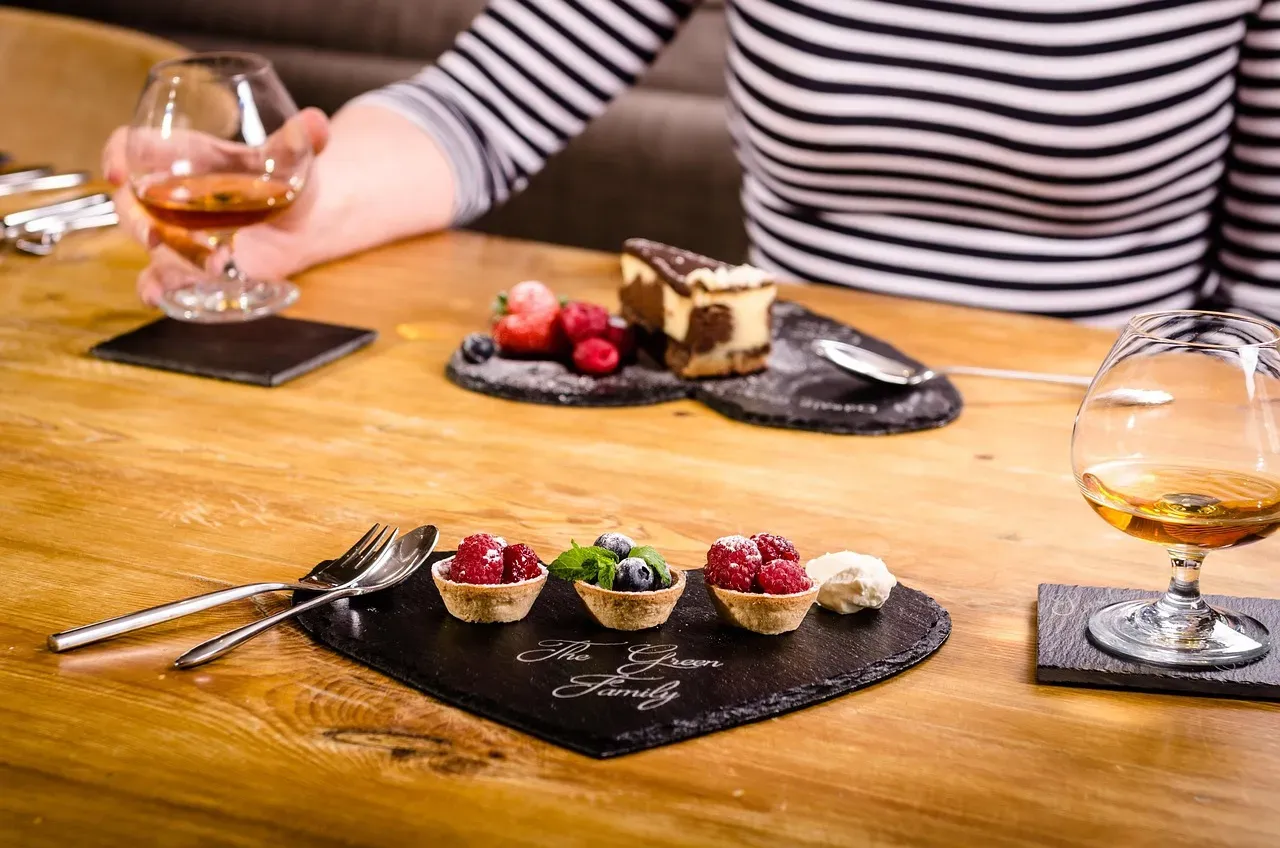
Bar Boheme has evolved from its brasserie roots into a more intimate dining experience, now centered around a thoughtfully curated prix fixe and chef’s tasting menu. Created by Chef James Trees and led by Chef Sean O’Hara, the restaurant offers a focused expression of seasonality and craft in the heart of the Las Vegas Arts District. This kind of neighborhood-anchored fine dining is growing, not shrinking.
Named one of the favorite new openings of 2025 by local critics, Bar Boheme successfully bridges the gap between high-end dining and neighborhood charm. Standout menu items include escargot and a red wine-braised boeuf bourguignon, with the raw bar offering fresh seafood as a lighter counterpoint. By focusing on refined French classics made accessible, it has quickly become a cornerstone of the downtown Las Vegas dining renaissance.
What Michelin’s Return Means for Small-Format Dining
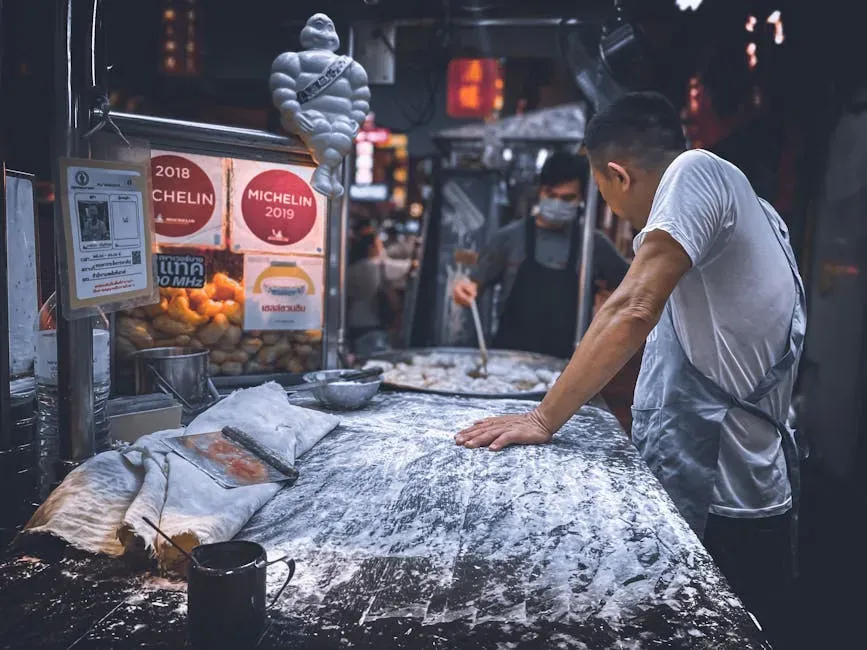
Michelin inspectors visit restaurants multiple times anonymously and rate them on five criteria: quality of products, mastery of flavor and cooking techniques, the personality of the chef represented in the dining experience, value for money, and consistency between inspector visits. Inspectors have at least ten years of expertise. Every single one of those criteria favors the focused, chef-centric micro-restaurant over a large-volume operation.
Michelin is expanding with a Southwest edition that includes Nevada, with anonymous inspectors likely already making the rounds and a full selection planned to be revealed at a ceremony in 2026. That means the question is no longer whether there are Michelin stars in Las Vegas, but which restaurants will look the most inevitable when the guide returns. The new Southwest edition brings to fifteen the number of city and regional guides for North America. The timing could not be more loaded.
A City Reinventing What Fine Dining Means
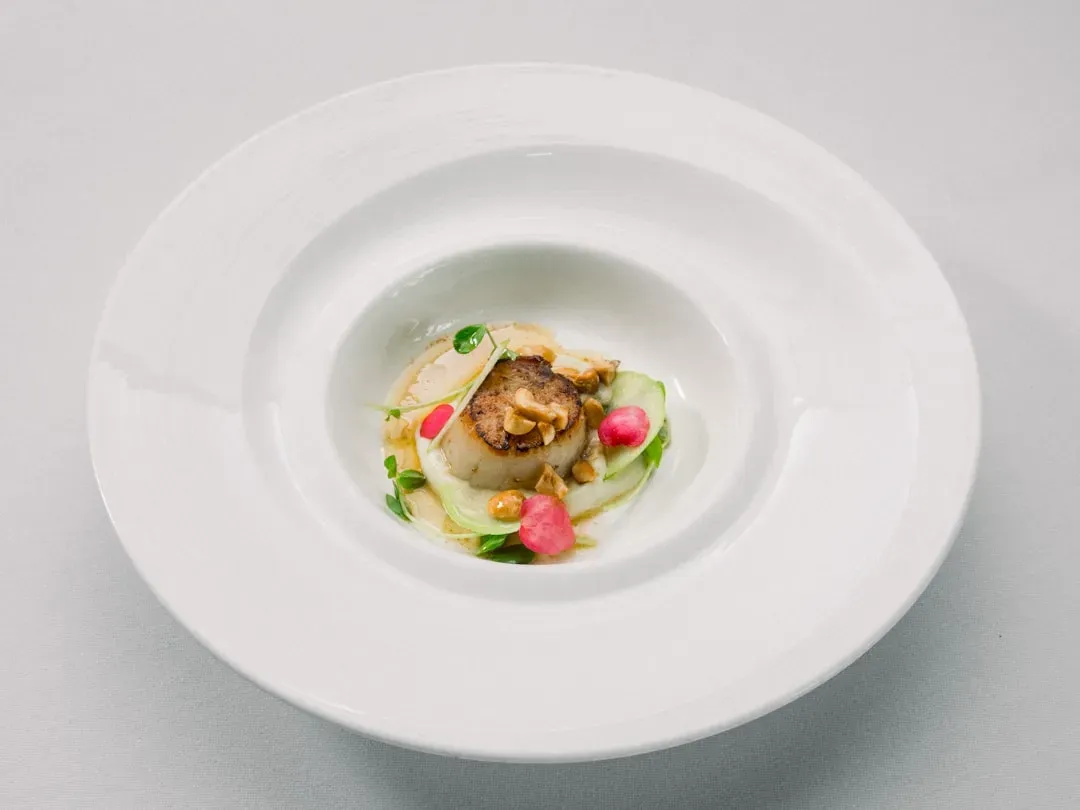
The global fine-dining restaurants market reached an estimated $166.9 billion in 2024 and is projected to grow to $243.2 billion by 2030, representing a robust 6.5 percent compound annual growth rate during that period. In 2025, fine dining is all about taste, technology, and unique experiences. As guest priorities shift toward personalization, sustainability, and wellness, fine dining is evolving beyond luxury into a more multidimensional experience. Las Vegas, perhaps unexpectedly, sits at the center of that evolution.
In Las Vegas, Michelin stars are a genuine game-changer. They elevate the city’s culinary scene from buffets and quick eats to world-class dining destinations. Over 40 celebrity chefs have partnered with casinos, transforming the city into a gastronomic playground. The micro-restaurant did not arrive here by accident. It arrived because a city once defined by abundance quietly decided that restraint, precision, and intimacy were worth more.
What’s emerging in Vegas now is not a rejection of excess, it is a redefinition of it. A room with nine seats, a chef you can watch, and a meal that takes three hours is its own kind of indulgence. It just happens to be the kind that Michelin notices.Partner offer
Planning a trip to Vegas?
Compare hotel rates and show tickets on VEGAS.com.