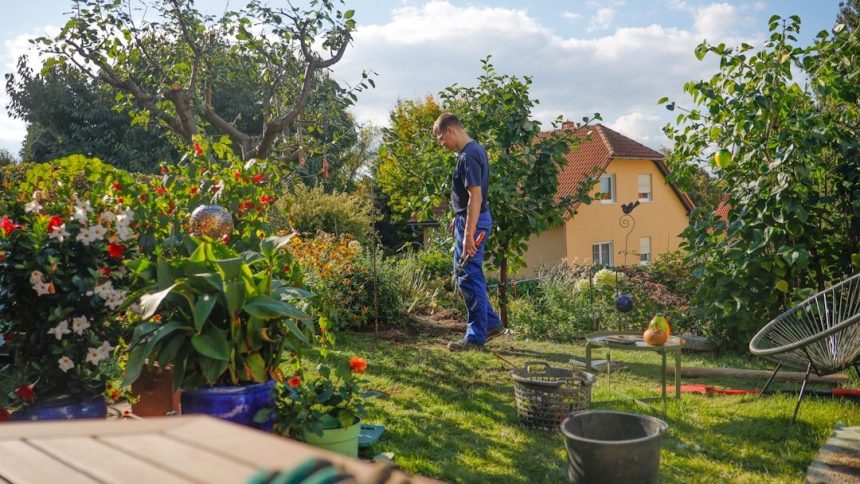
Picture this: walking out to your backyard on a chilly January morning and still finding fresh greens waiting to be harvested. Sounds a bit far-fetched? Not if you’re armed with the right strategies. Having a backyard that flourishes through every season isn’t just some pipe dream reserved for professional horticulturists. It’s actually a lot more attainable than most people think. Whether you’re dealing with blistering summers or frosty winters, there are proven ways to keep your garden lively and productive.
I’ve noticed more people are ditching the idea that gardens only thrive during peak growing months. The truth? Your backyard can stay vibrant even when temperatures drop or soar. So let’s dig into the real techniques that’ll transform your outdoor space into a resilient, year-round haven.
Focus on Soil Health: Your Garden’s Foundation
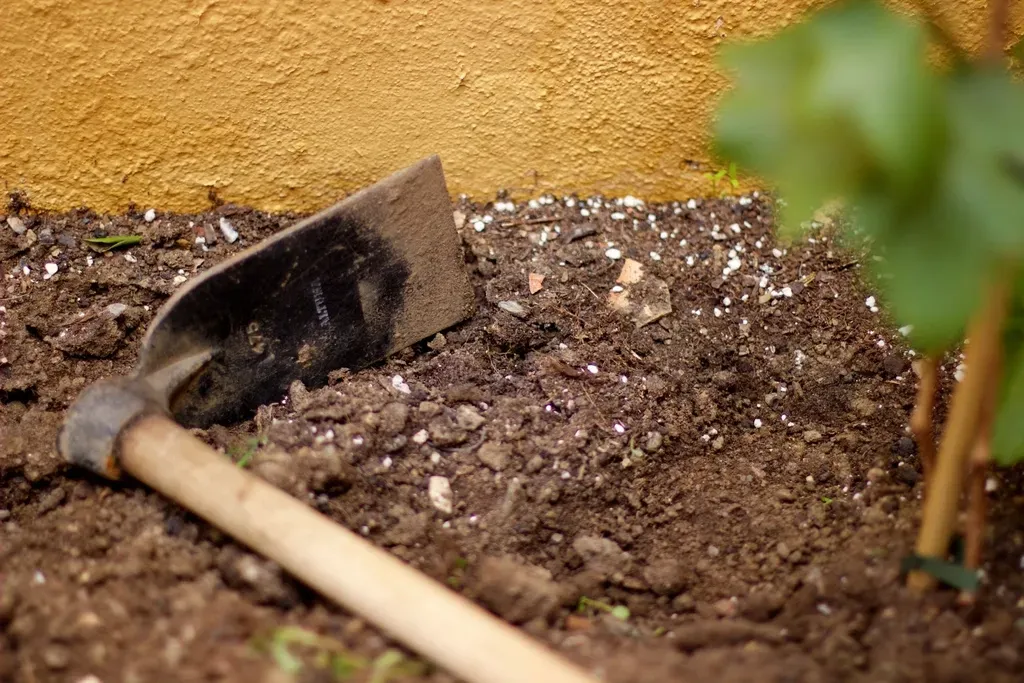
Here’s the thing about gardening: your soil is basically everything. Roughly about half of the world’s soil is already degraded, with projections suggesting that levels could rise to 90% by 2050 if we don’t take action now. Think of healthy soil as the beating heart of your backyard. Without it, even the fanciest fertilizers won’t save you. Soil health is soil’s continued capacity to function as a dynamic, living ecosystem that sustains plants and microorganisms, enhancing air and water quality, and supports animal and human health.
Crop residues can reduce soil water evaporation by up to 70%, resulting in improved moisture retention and enhanced drought resilience, according to findings published in the Soil Science Society of America Journal. Start by adding organic matter like compost or well-rotted manure regularly. This feeds the microbes that do the heavy lifting underground. You want those billions of tiny critters working for you, breaking down nutrients and keeping your soil aerated and fertile.
Another game-changer? Cover cropping. Cover cropping offers a multitude of benefits for soil health and crop productivity by protecting the soil from erosion, suppressing weeds, and enhancing nutrient cycling. Sure, it takes a bit of planning, yet the payoff in healthier soil structure is worth every bit of effort.
Choose Native Plants for Less Hassle and More Life
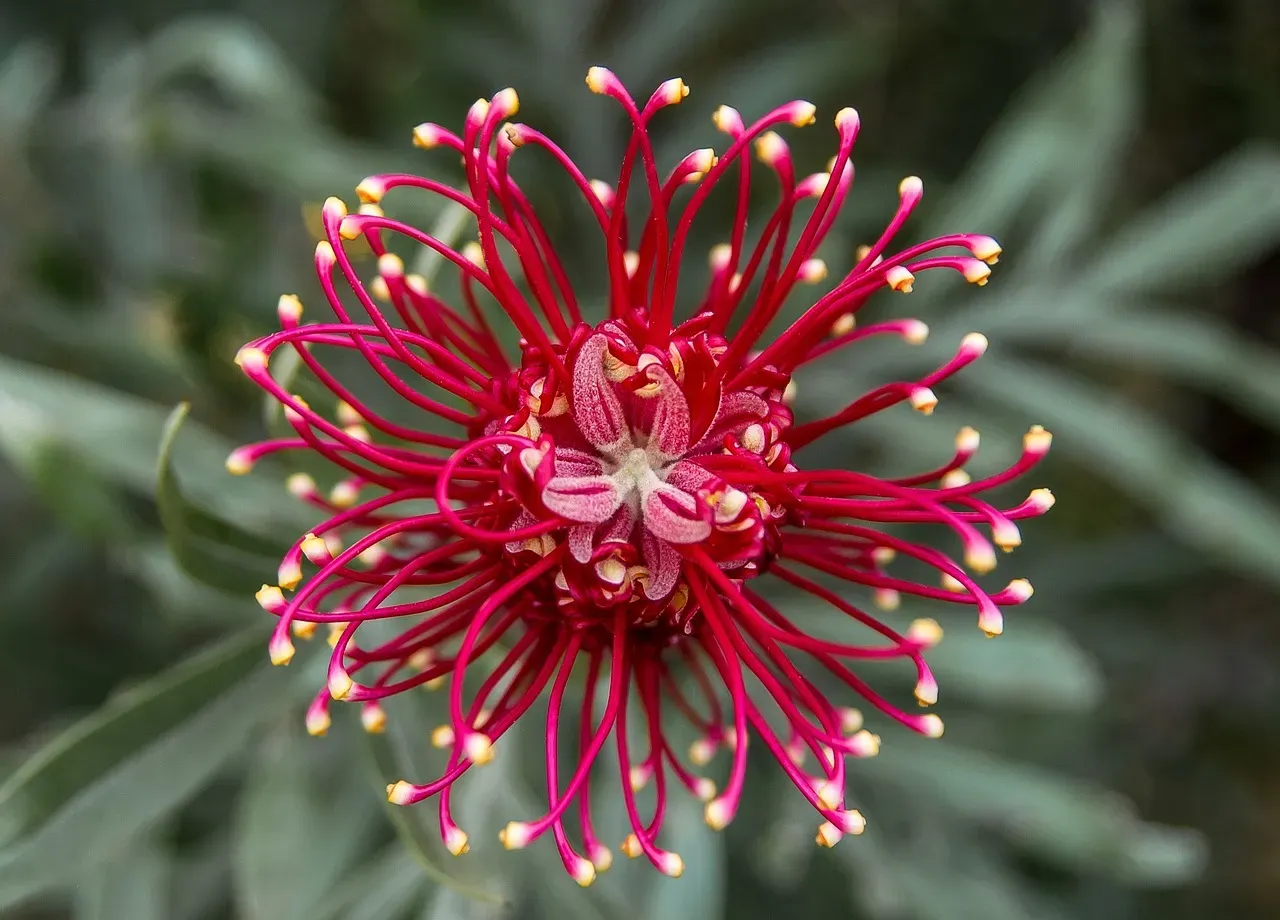
Let’s be real: native plants are the unsung heroes of low-maintenance gardening. Research by entomologist Doug Tallamy has shown that native oak trees support over 500 species of caterpillars whereas ginkgos, a commonly planted landscape tree from Asia, host only 5 species of caterpillars, and when it takes over 6,000 caterpillars to raise one brood of chickadees, that difference matters hugely.
Native species have spent thousands of years adapting to your local climate, soil, and pests. Native plants are well adapted to local environmental conditions, maintain or improve soil fertility, reduce erosion, and often require less fertilizer and pesticides than many alien plants. That means they need less water once established, fewer chemicals, and almost no babysitting. They’re basically the dream guests at your garden party.
Plus, there’s this fascinating ecological domino effect. The National Wildlife Federation recommends a garden or landscape should be 50-70% native plants, which helps to attract and conserve wildlife like birds, butterflies, and bees. More pollinators mean better yields if you’re growing veggies, and honestly, who doesn’t love seeing butterflies and bees buzzing around?
Master the Art of Year-Round Planting
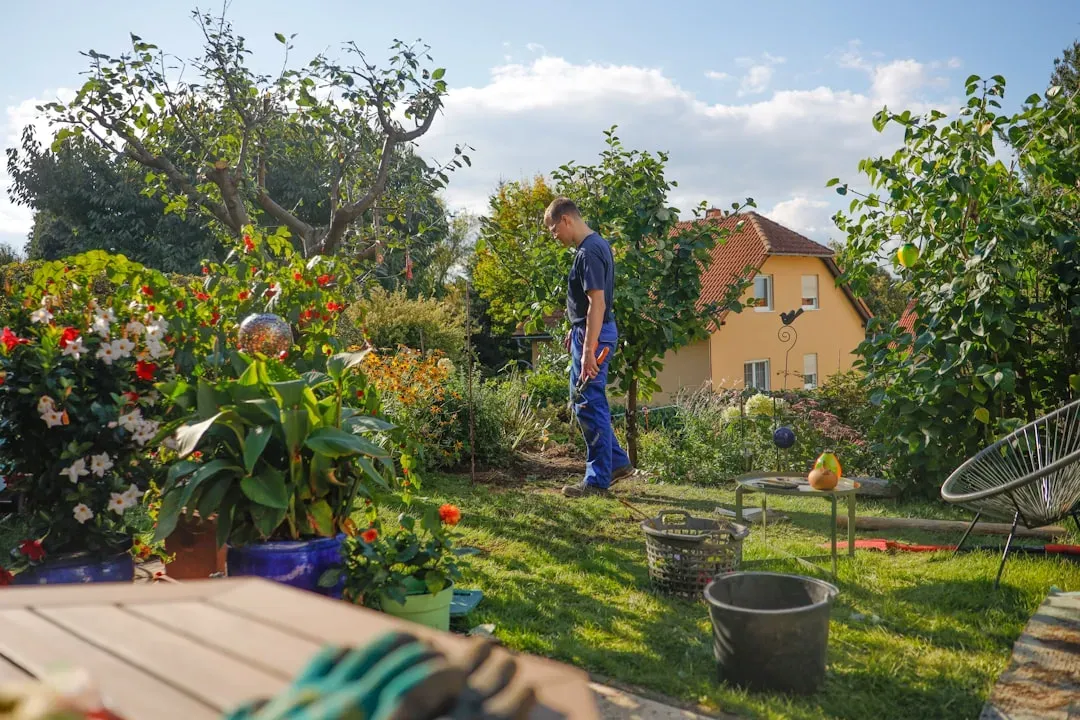
Recent data show that over 43% of Americans are now growing some kind of food at home, up from about 35% of households in earlier years. Here’s something I find genuinely exciting: gardening doesn’t have to stop when the first frost hits. The idea of year-round gardening stirs up anxiety in many gardeners because it sounds like a lot of extra work, but year-round gardening does not have to mean a lot of extra work.
What you need is strategic planning. Cool-season crops like kale, spinach, and Brussels sprouts actually taste better after a light frost. Vegetables like kale, carrots, and brussels sprouts enjoy, and in fact taste better with, the kiss of Jack Frost. Meanwhile, tomatoes and peppers demand summer’s warmth. Understanding these seasonal preferences lets you design a planting schedule that keeps something growing in every corner, no matter the month.
Even in colder climates, you can extend your growing seasons with protection like frost cloth, floating row covers, or even cold frames. Cold frames, hoop houses, or simple row covers can protect delicate greens during winter months. It’s not rocket science, just a matter of giving plants the right conditions when Mother Nature isn’t cooperating.
Water Wisely with Mulching Techniques
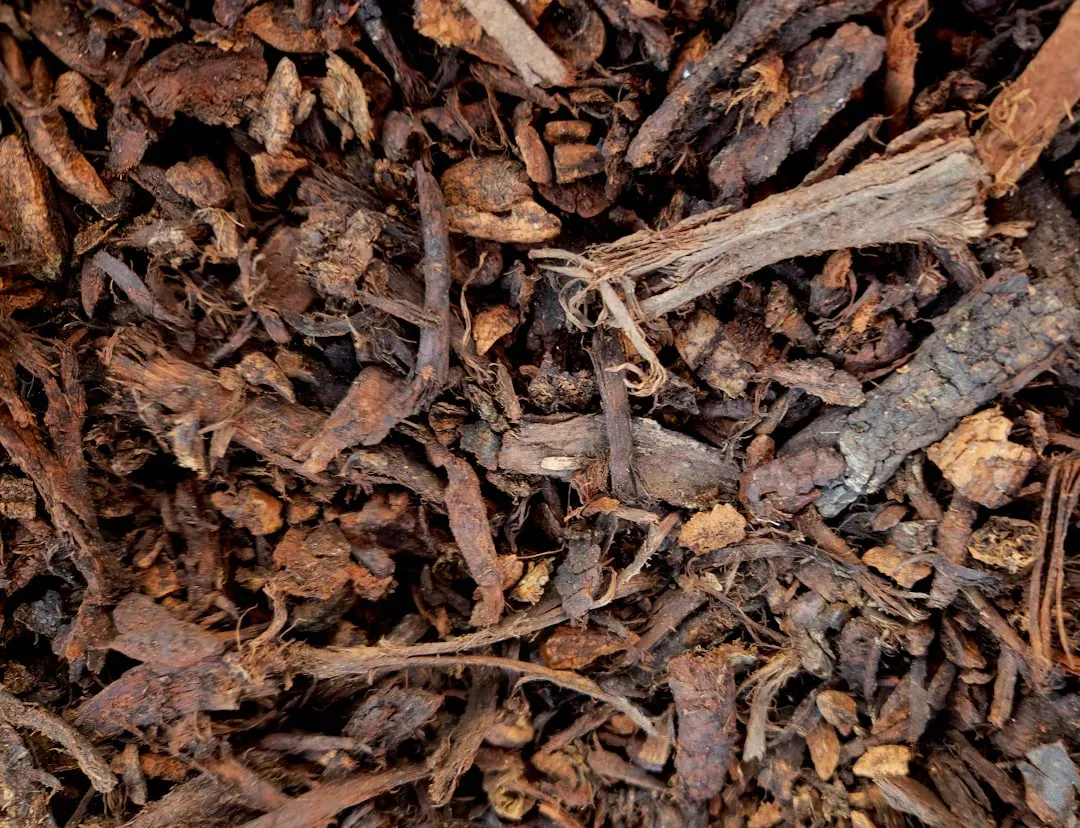
As droughts and climate change impact more regions, water-wise gardening is gaining traction worldwide, even in places not known for extreme aridity. Mulch is honestly one of the simplest tricks in the book, yet so many gardeners overlook it. By shading the soil mulches help to conserve soil moisture, reducing the amount you have to water by as much as two-thirds.
Studies have revealed fascinating details about which mulches work best. Hemp animal bedding managed to retain 80% of the added water over a three day experiment, while the cheapest mulch, grass clippings, came second and kept 73% of the water. Organic options like wood chips, shredded bark, or even grass clippings create a protective blanket that shields soil from sun and wind. This keeps moisture locked in longer and reduces how often you’re dragging out the hose.
Coarse textured organic mulch like shredded wood or wood chips placed on bare soil worked best in conserving soil moisture according to research findings. Apply a layer about two to four inches thick around your plants, but keep it away from stems to prevent rot. As a bonus, mulch breaks down over time and feeds your soil with organic matter. Win-win.
Embrace Seasonal Diversity and Succession Planting
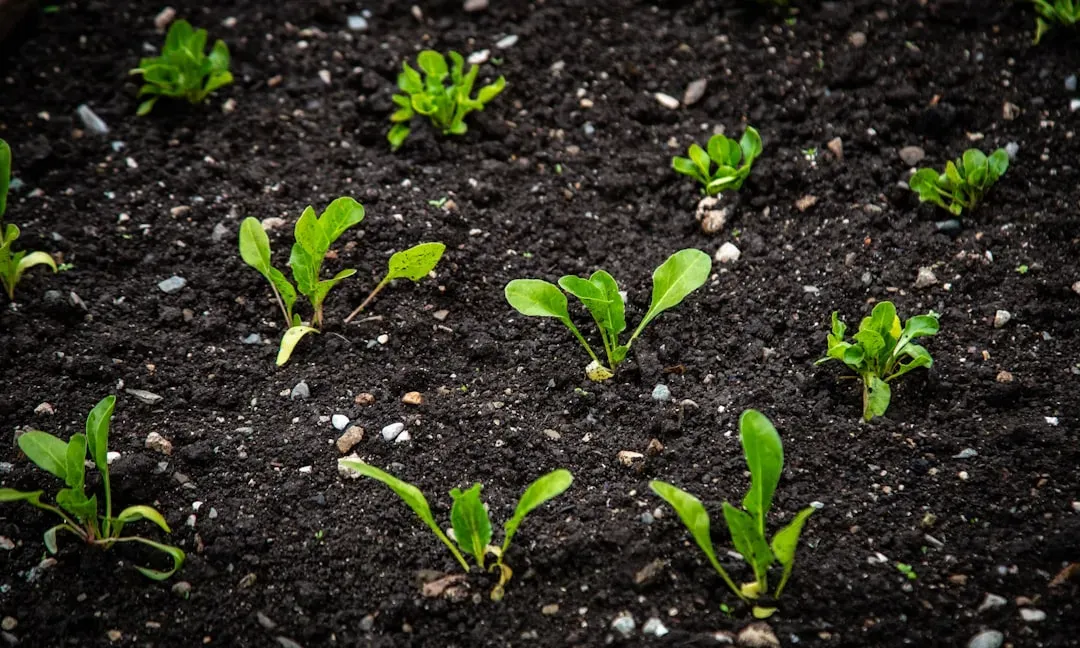
Studies have shown that 68% of interested people aged 18-34 are considered garden lovers, reflecting the growing enthusiasm for gardening among younger generations. Instead of planting everything at once and calling it a day, try staggering your crops. This is called succession planting, and it’s a total game-changer for keeping your harvest steady.
For example, plant lettuce every two weeks instead of all at once. That way, you’re not drowning in salad greens one month and starving the next. Same goes for beans, radishes, and other quick-growing veggies. Breeders and growers are offering a wider variety of natives, including ‘nativars,’ which are cultivated native plants specifically designed to thrive and fit into residential gardens, providing food and habitat for pollinators and wildlife.
The Royal Horticultural Society received the highest number of enquiries ever – 115,000 questions in one year, showing just how engaged gardeners have become. Mixing warm-season and cool-season crops ensures there’s always something productive happening in your beds. Diversity is the secret sauce. Different plants support each other, attract beneficial insects, and keep pests guessing.
Prioritize Pollinator-Friendly Practices
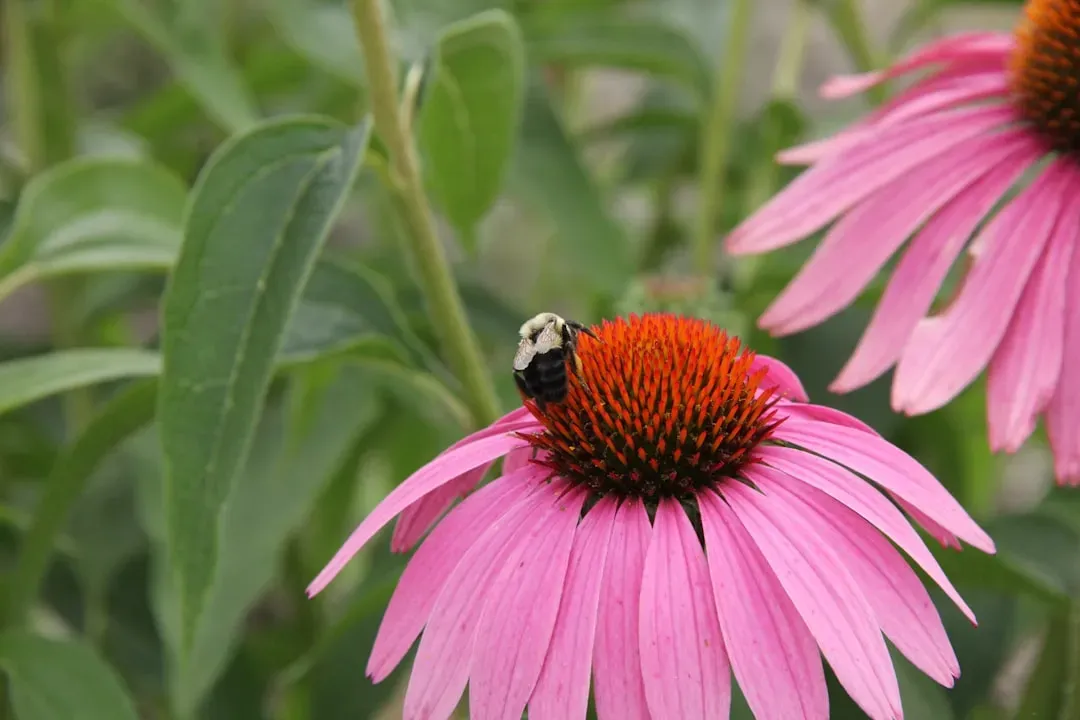
Pollinator gardens provide habitat and food for native pollinating bees, wasps, moths, and butterflies, including the iconic monarch butterfly, with usage of these plants in gardens rising in tandem with greater awareness of their important ecological functions. If you want a thriving backyard, you’ve got to roll out the welcome mat for pollinators. They’re not just pretty visitors; they’re essential workers ensuring your plants reproduce and your veggie yields stay strong.
Adding pollinator attracting plants such as Pycnanthemum, mountain mint; Eutrochium Joe-pye weed; Liatris, gayfeathers; Echinacea, coneflowers and Asclepias, milkweeds will increase the diversity of garden pollinators. Create habitats by leaving some leaf litter and adding bee hotels. Creating bee habitats like “bee hotels” and leaving or stacking stems from perennials are also popular tactics gardeners are adopting to provide good overwintering habitat for pollinators.
Honestly, it’s hard to say for sure exactly how big an impact each individual garden makes, but collectively? Massive. Every patch of pollinator-friendly habitat you create becomes part of a bigger network supporting struggling ecosystems. Plus, watching bees and butterflies work their magic is just deeply satisfying.
Adapt to Climate Realities with Resilience Strategies
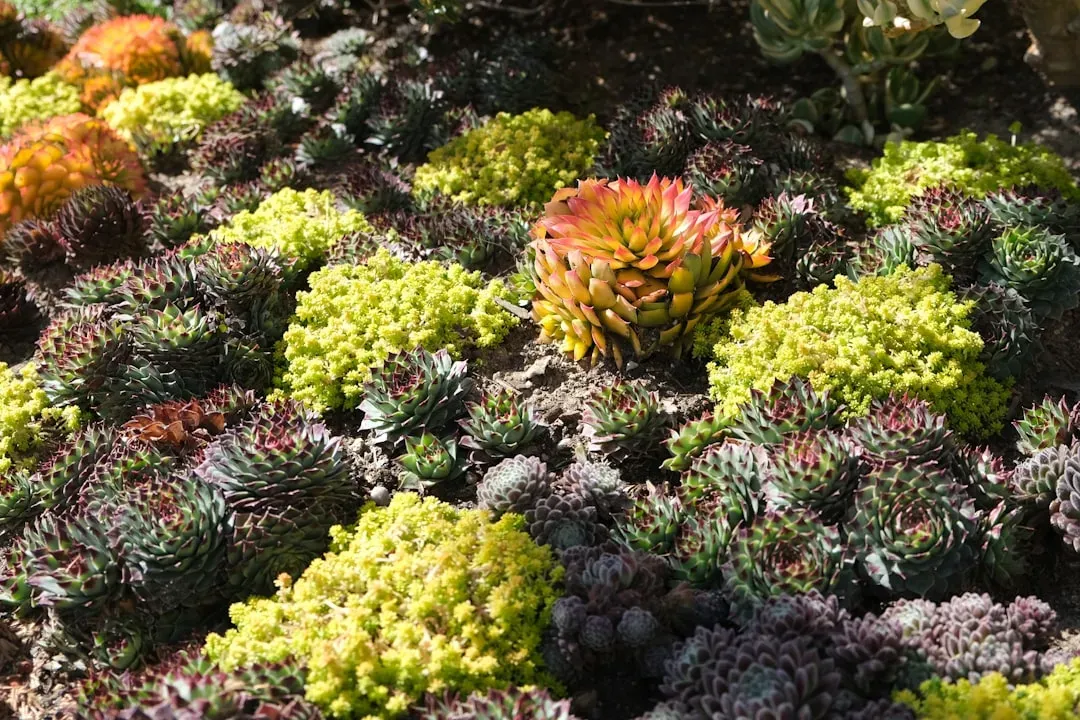
The current trends in gardening can be summed up in two words – resilient and creative, with resiliency required not only from gardeners forced to work with unpredictable climate change but also from plants. Climate change isn’t some distant threat anymore; it’s reshaping how we garden right now. Extreme weather swings, unexpected frosts, and prolonged droughts are becoming the new normal.
There is a noticeable shift toward a more organic, nature-inspired approach to planting design that emphasizes the integration of native and naturalized plant species to create modern meadows that enhance a naturalist aesthetic and support essential pollinators, according to landscape architects. Build resilience by choosing drought-tolerant varieties, installing rain barrels to capture free water, and designing your garden layout to maximize shade and windbreaks.
Gardening is gaining recognition as a powerful tool for wellness, with research showing its benefits for mental health and overall well-being. Vertical gardening is another clever adaptation, especially in urban settings. Vertical gardening is becoming increasingly popular because of its versatility and ability to maximize limited space. It saves space, reduces water runoff, and makes harvesting easier. Climate-smart gardening isn’t about fighting nature; it’s about working smarter within new realities.
Gardening year-round really boils down to understanding what your plants need and when they need it. It’s less about heroic efforts and more about consistent, thoughtful habits. Healthy soil, smart plant choices, strategic watering, and welcoming biodiversity create a backyard ecosystem that can weather any season. What’s your biggest challenge in keeping your garden thriving? Share your thoughts, because every gardener’s experience adds to the collective wisdom.