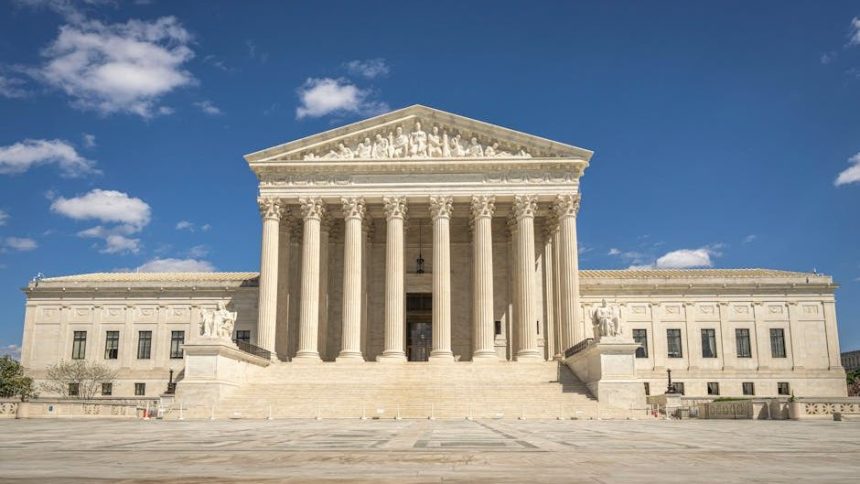
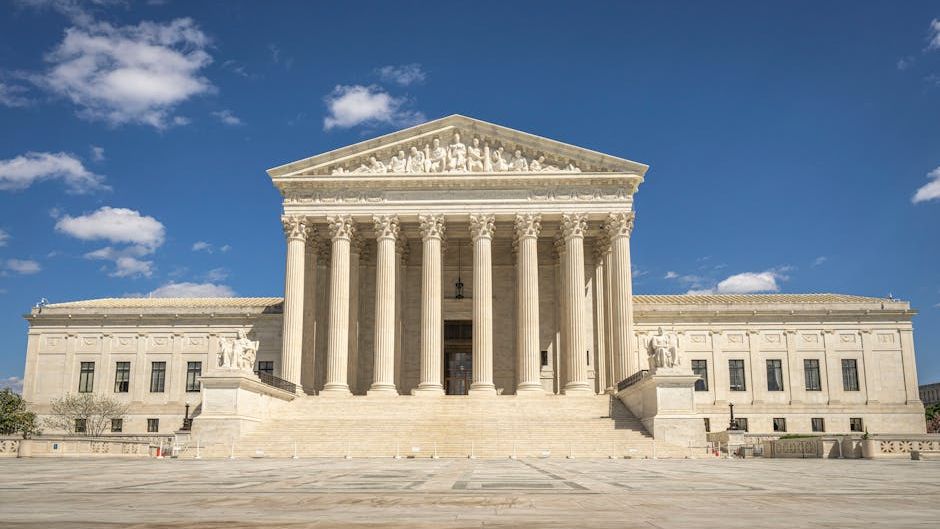

Democrats Battle To Politicize the Georgia Supreme Court – Image for illustrative purposes only (Image credits: Pexels)
Atlanta – Voters across Georgia head to the polls on Tuesday facing a choice that could reshape the state’s highest court for years to come. Three seats on the Georgia Supreme Court appear on the ballot in what have long been low-key, nonpartisan contests. This year, however, the races have drawn national attention and heavy spending from both sides, turning a once-routine judicial selection into a high-stakes political contest. The shift reflects broader efforts by Democrats to gain influence on a court that currently leans conservative. Challengers backed by progressive groups are running against two sitting justices, raising questions about how the court will handle issues from abortion access to voting rights in the future.
Why These Races Matter to Everyday Georgians
The outcome will affect real decisions that touch families, businesses, and communities throughout the state. A court with a different balance could review laws on reproductive health, criminal sentencing, and election procedures with fresh eyes. Georgians who rely on stable legal interpretations now watch closely as outside money and party leaders weigh in. Early voting records already show strong turnout, signaling that residents recognize the stakes. Those who cast ballots early have done so amid a flood of advertisements that frame the contests in stark terms. The practical result is that ordinary voters must sort through claims about judicial independence while deciding who will interpret the law on their behalf.
Incumbents and Challengers Line Up for the Contests
Two of the races pit sitting justices against Democratic-backed attorneys. Justice Charlie Bethel and Justice Sarah Warren seek re-election with support from Republican leaders, including Gov. Brian Kemp. On the other side stand former state Sen. Jen Jordan and trial lawyer Miracle Rankin, who have received endorsements from figures such as former President Barack Obama and former Vice President Kamala Harris. The third race involves a different set of candidates but has drawn less outside attention so far. All three contests remain officially nonpartisan on the ballot, yet campaign activity has blurred that line. Groups aligned with each party have poured resources into television spots and voter outreach, marking a departure from past cycles when these races stayed quiet.
Outside Spending and National Echoes Shape the Campaign
National organizations have entered the fray with significant ad buys. Progressive groups have highlighted the court’s recent rulings on abortion restrictions, while Republican allies emphasize the need to preserve experienced jurists. The pattern mirrors recent judicial battles in other states, where control of state supreme courts has grown more contested. State Democratic Party leaders have described their investment as the largest in judicial races in two decades. Republican officials counter that the push threatens the court’s traditional role as a neutral arbiter. Both sides agree that Tuesday’s results will set the tone for how future vacancies are filled and how the court approaches divisive cases.
What Comes Next for Georgia’s Judicial Landscape
A strong showing by the challengers could open the door to further shifts on the nine-member court over time. Even without an immediate majority change, the visibility of these races may encourage more organized campaigns in future cycles. Observers note that sustained partisan involvement could alter the way Georgians view their courts. For now, the focus remains on turnout and the messages that reach voters in the final days. The results will reveal whether the state’s judicial elections can retain their distinct character or whether they will follow the more polarized path seen elsewhere.