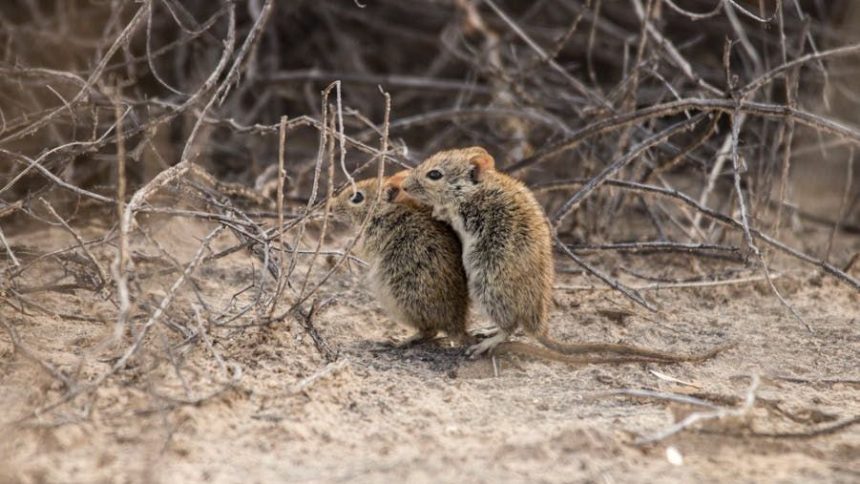
The high desert is one of America’s most breathtaking environments. Open skies, red rock formations, and a silence that feels almost permanent. But that stillness can be deceiving, because in the dust, the old cabins, the forgotten sheds, and the scrubby brush piles along your fence line, something dangerous can be quietly building. Hantavirus has been present in the American Southwest since at least 1993, and it hasn’t gone anywhere. Understanding the warning signs before exposure happens is the difference between a close call and a tragedy. This guide breaks down everything you need to recognize, from the landscape-level risk factors to the physical symptoms that too many people mistake for an ordinary flu.
A Virus With Desert Roots: The Origin and Scope of the Threat
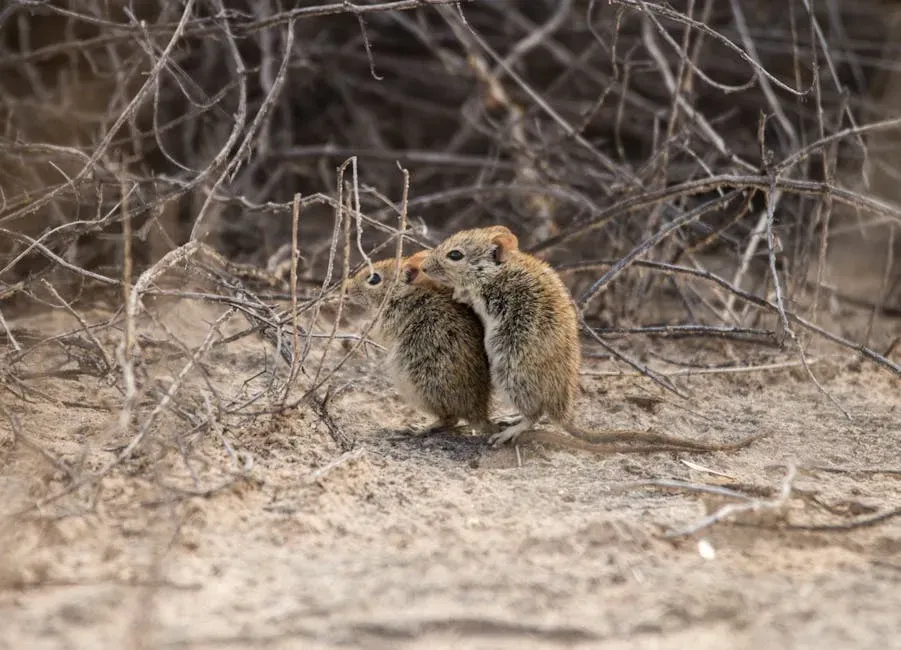
Hantavirus disease surveillance in the United States began in 1993 during an outbreak of severe respiratory illness in the Four Corners region, the area where Arizona, Colorado, New Mexico, and Utah meet. That single cluster of unexplained deaths in young, otherwise healthy people triggered what became a decades-long national surveillance effort. The disease it brought to light was Hantavirus Pulmonary Syndrome, or HPS, and it turned out to be hiding in plain sight across the entire Southwest.
As of the end of 2023, 890 cases of hantavirus disease were reported in the United States since surveillance began in 1993. Those numbers may look modest at first glance, but they reflect only laboratory-confirmed cases. A vast majority, roughly 94 percent, of those cases have come from west of the Mississippi River. For people living in high desert communities across New Mexico, Arizona, Colorado, Utah, and Nevada, that concentration is not a statistic – it’s a neighborhood reality.
The Animal Behind the Virus: Deer Mice and the Sin Nombre Strain
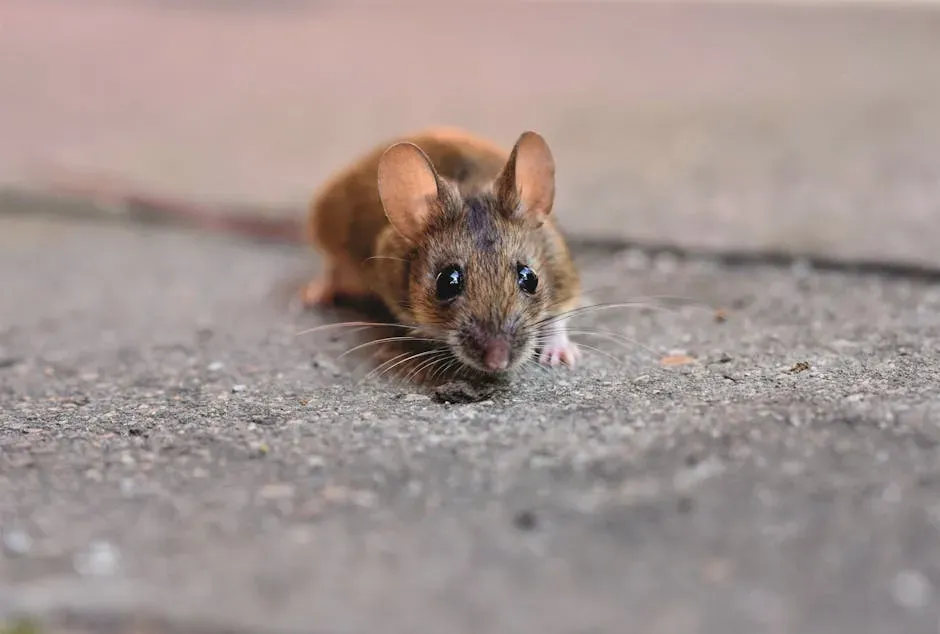
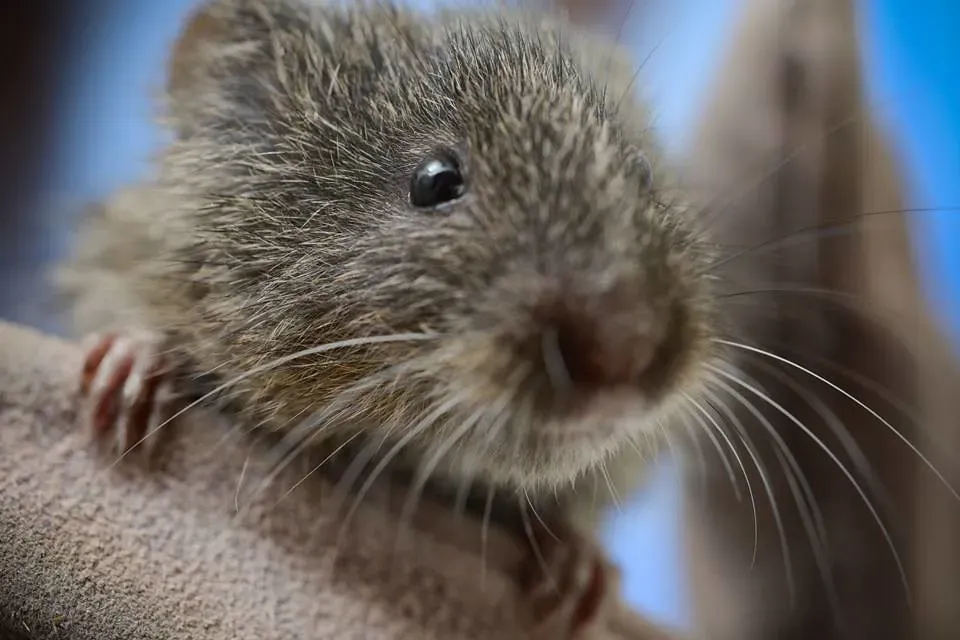
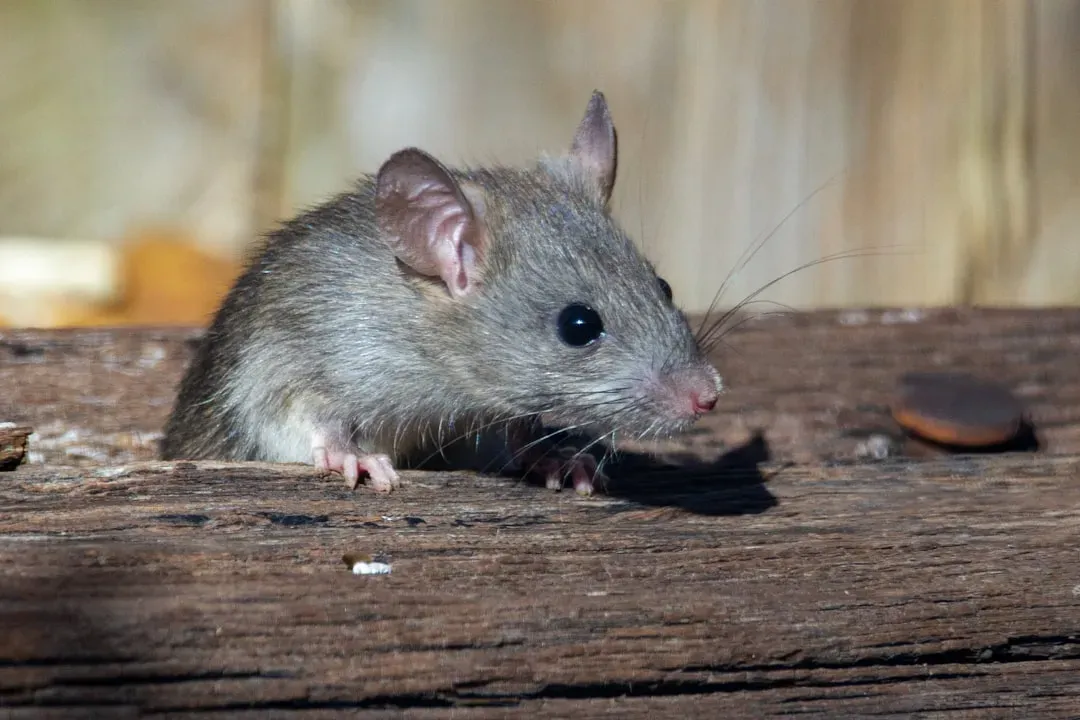
In North America, the Sin Nombre virus is spread by the deer mouse. Infection is usually caused by inhaling airborne rodent urine, droppings, or saliva that contains hantavirus particles. The deer mouse is small, brown, and almost everywhere in the high desert. It looks unremarkable, which is part of what makes it so easy to underestimate.
An estimated 15 percent of deer mice carry hantavirus. That’s roughly one in every seven of the small, wide-eyed creatures you might see darting across your porch at dusk. Sin Nombre virus is the type of hantavirus most commonly identified in the Southwest. The virus was first recognized during the 1993 outbreak near the Arizona-New Mexico border. Decades later, it remains the primary strain driving infections across the region.
Where People Get Infected: The High-Risk Spaces Most Residents Overlook
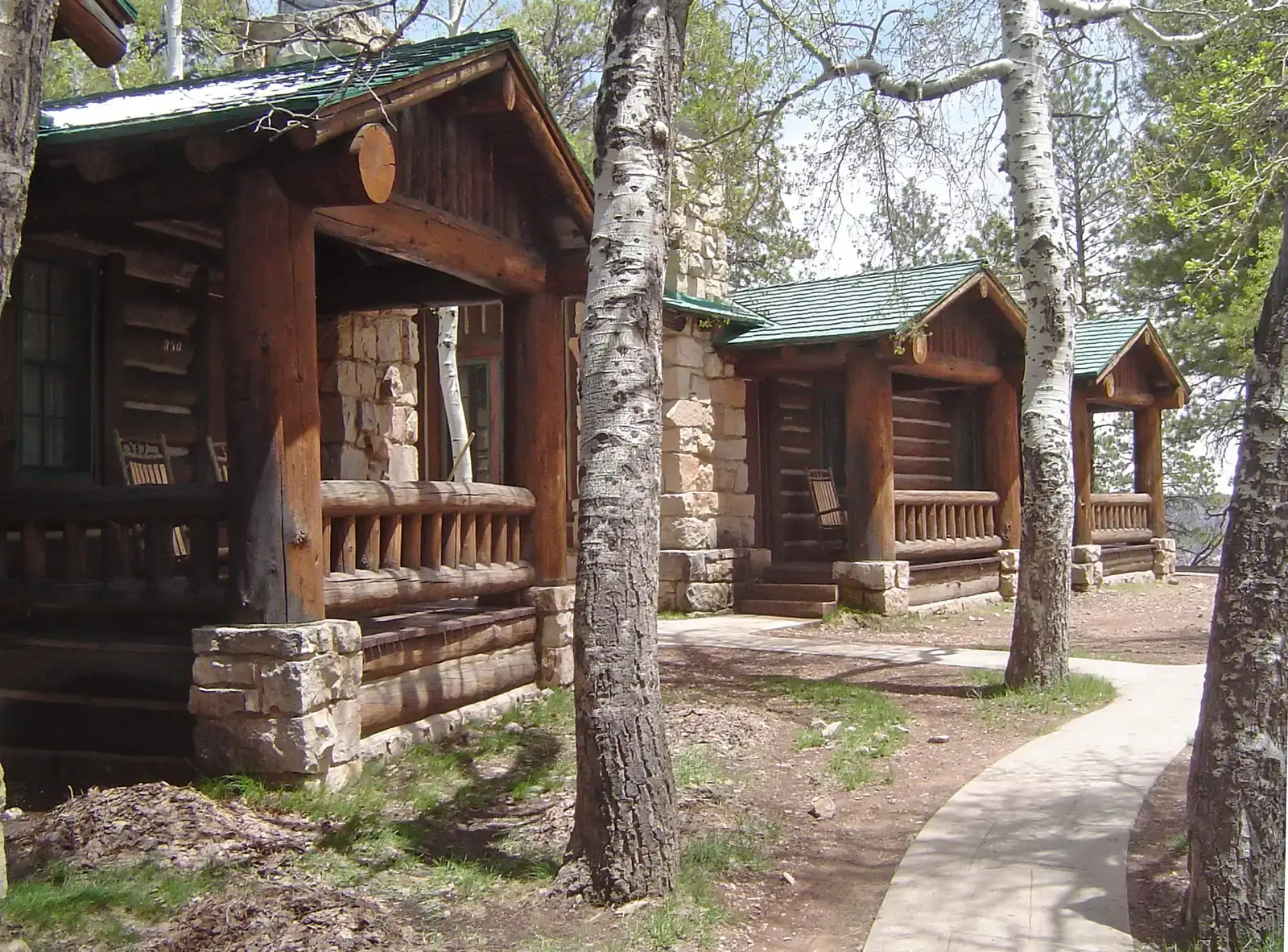
In the United States, hantavirus infections are often tied to people cleaning enclosed spaces where rodents have been active, including cabins, sheds, and garages. These are spaces people use seasonally, reopening them in spring after months of vacancy. Rodents move in over winter, leave their traces everywhere, and the next person through the door stirs up that contaminated dust without even realizing it.
Spring and early summer can be a good time to be aware of risk, especially in rural areas, mountain communities, campgrounds, and seasonal homes. Above-normal precipitation can boost vegetation and food sources for deer mice, and people may encounter signs of rodent activity when reopening cabins, sheds, garages, campsites, or vacation homes after winter. A weekend trip to a desert cabin, an afternoon cleaning out the garage, or simply moving stored firewood can put someone in direct contact with infectious material. The setting doesn’t need to look alarming to be genuinely dangerous.
Reading the Early Warning Signs: What Symptoms Actually Look Like
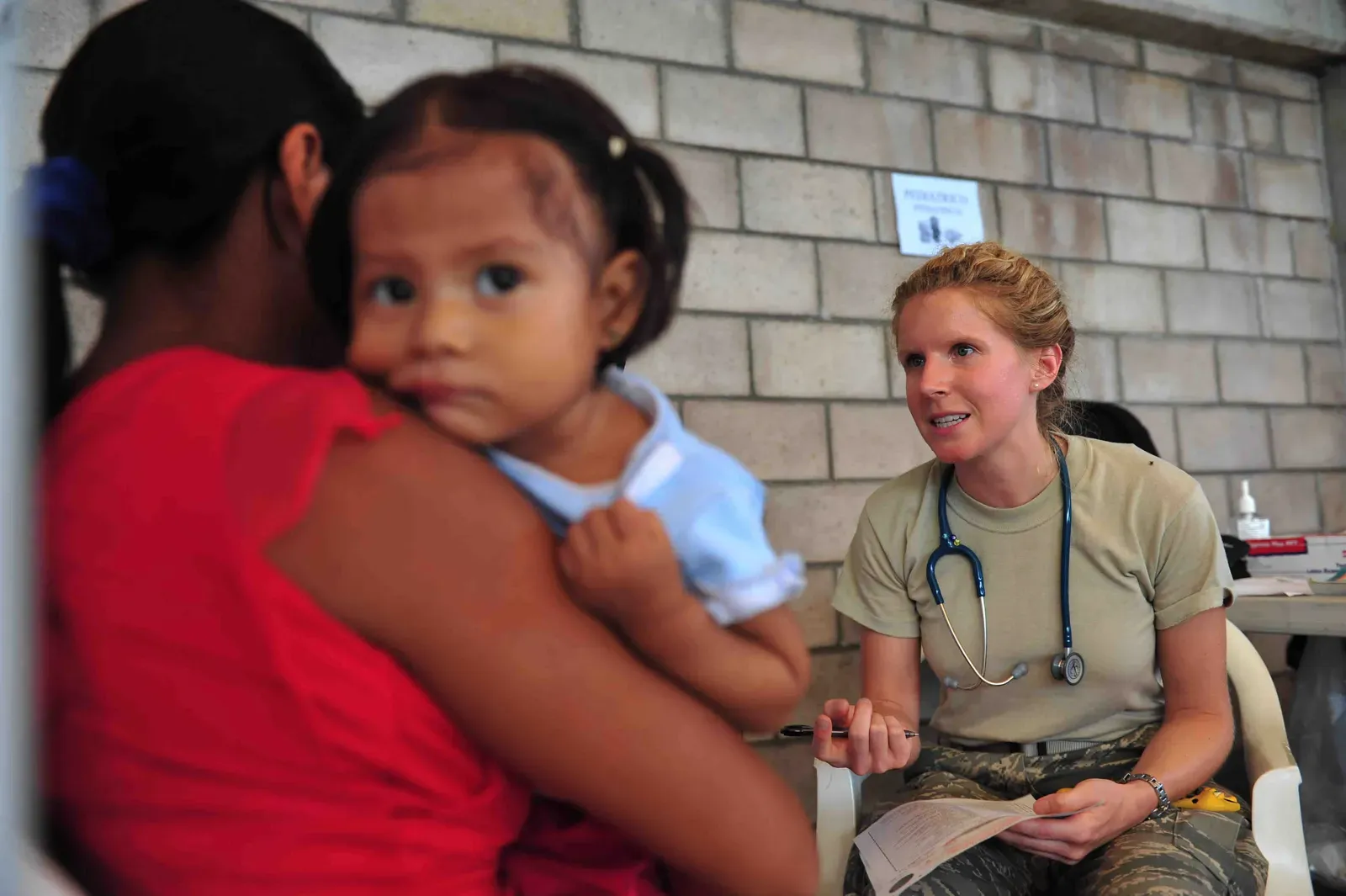
Symptoms occur anywhere from one to eight weeks after exposure to the virus and come in three distinct phases. First, there is an early phase with flu-like symptoms such as fever, muscle aches, headache, and shortness of breath, as well as low platelet count. The problem is that this phase is nearly indistinguishable from a standard influenza infection, which is exactly why so many cases go unrecognized in those critical early hours.
There may also be headaches, dizziness, chills, and abdominal problems such as nausea, vomiting, diarrhea, and abdominal pain. About half of all HPS patients experience these symptoms. After the early phase, there is a cardiopulmonary phase during which people experience elevated or irregular heart rate, cardiogenic shock, and pulmonary capillary leakage, which can lead to respiratory failure, low blood pressure, and buildup of fluid in the lungs and chest cavity. At that stage, the window for effective intervention is measured in hours, not days.
The Fatality Rate No One Talks About Enough

Thirty-eight percent of people who develop respiratory symptoms may die from the disease. That’s not a fringe statistic. Nearly two out of every five people who reach the severe phase of HPS do not survive. For context, that makes hantavirus one of the most lethal rodent-borne infections found in North America, with a death rate that far exceeds many well-known viral diseases.
Partner offer
There is no specific treatment, cure, or vaccine for hantavirus infection. However, if the disease is recognized early and the person is treated in an intensive care unit, there is a better chance of recovery. In intensive care, patients are intubated and given oxygen therapy to help them through the period of severe respiratory distress. This is why early recognition is everything. By the time someone is struggling to breathe, the disease has already entered its most dangerous phase, and the margin for survival narrows fast.
Weather Patterns and the Boom-Bust Cycle of Desert Rodent Populations
Prolonged drought sends rats and mice into populated areas in search of food, which can put people at higher risk of contracting the virus. Sudden rainfall following drought causes trees and shrubs to produce a windfall of nuts and seeds, which tend to benefit rodents and boost their numbers, all the while increasing the risk of transmission from animal to human. This cycle plays out repeatedly across the American Southwest, and it’s one of the most important environmental patterns to understand if you live in or near high desert terrain.
In the southwestern United States, unusually dry conditions directly followed the wet, exceptionally favorable conditions believed to have contributed to the increase in rodent numbers and the HPS outbreak of 1993 to 1994. That pattern has repeated itself in the decades since. Research has revealed a positive relationship between HPS cases and rodent abundance with a three-month lag, as well as rainfall with an eight-month lag. In practical terms, a wet season in the desert this year could mean elevated human risk roughly six to eight months down the line – something worth keeping in mind when the spring monsoons arrive.
How the Virus Travels: Understanding Transmission Mechanics
Early symptoms of HPS can look like other respiratory illnesses. People can get infected with hantavirus when they breathe in air that is contaminated with the virus. Particles containing hantavirus get into the air when dried mouse urine, saliva, or droppings are stirred up. The key word there is “stirred up.” Simply sweeping out a shed, shaking out an old sleeping bag, or even walking through an infested space can aerosolize particles that are invisible and odorless. You don’t see, smell, or feel the exposure happening.
Sin Nombre virus is not transmitted person to person. This is an important distinction for U.S. high desert communities, and it separates the local risk picture from concerning events elsewhere. There is one exception worth knowing: the Andes virus, a strain endemic to South America, has demonstrated the ability to spread from person to person in rare cases. This distinction came into sharp focus in May 2026, when the WHO flagged possible human-to-human transmission during a deadly hantavirus outbreak aboard a cruise ship that killed three people. For residents of the American Southwest, the risk profile remains fundamentally about rodent contact, not human contact.
What You Can Actually Do: Practical Steps to Reduce Your Risk

Before cleaning enclosed areas where rodents may be present, open doors and windows and allow the area to ventilate for at least 30 minutes. Spray rodent droppings or nesting material with a disinfectant or bleach solution, one part bleach to nine parts water, and allow it to soak before cleanup. Wear gloves and a mask while cleaning contaminated areas. These steps matter enormously. The single most dangerous thing a person can do is grab a broom and start sweeping a dusty room where mice have been nesting for months. Wet the droppings first. Always.
Health officials recommend reducing rodent habitats around homes, garages, sheds, campsites, and workplaces by removing brush, wood piles, and food sources. Seal gaps or openings where rodents can enter buildings. Seek medical care if you develop fever, fatigue, or respiratory symptoms after rodent exposure. That last point deserves particular emphasis: if you’ve recently cleaned out a structure where mice have been active and you start running a fever within the following month, do not wait to see if it gets better on its own. Tell your doctor about the potential exposure directly, because diagnosing hantavirus in a person who has been infected for less than 72 hours is difficult, and every hour of early clinical awareness counts.
Conclusion

Hantavirus isn’t a sensational headline disease. It doesn’t spread in crowds or travel on airplanes. It lives quietly in the landscape, carried by animals that have shared this desert terrain with humans for thousands of years. The risk is low in absolute terms, but the consequences of an unrecognized exposure are severe enough that awareness genuinely matters.
The high desert is a place of remarkable beauty, and most people who live there or visit will never encounter this virus. Still, knowing what to look for, understanding which spaces carry real risk, and recognizing the early flu-like symptoms as a possible red flag rather than a minor inconvenience – these are small habits that can prevent a catastrophic outcome. In this case, the most powerful tool available isn’t a vaccine or a treatment. It’s knowing what you’re dealing with before the dust settles.
Partner offer
Planning a trip to Vegas?
Compare hotel rates and show tickets on VEGAS.com.