Most people know Las Vegas as a place where the summer heat is simply part of the deal. You expect it to be hot. What most visitors, and even many residents, don’t fully appreciate is that the heat isn’t distributed evenly across the valley. Depending on where you stand, the temperature difference between your block and a neighborhood a few miles away can be startling.
What Exactly Is the Urban Heat Island Effect?
Buildings, roads, and other infrastructure absorb and re-emit the sun’s heat more than natural landscapes, causing these areas to become “islands” of higher temperatures. That’s the core idea behind the urban heat island effect. It’s not a theory so much as a measurable, observable reality that researchers have been tracking in cities across the world for decades.
This phenomenon is known as urban heat island effect, where dark-colored city streets and buildings trap excess heat, especially in areas without appropriate tree cover and green spaces. In most cities, this creates a modest difference. In Las Vegas, a city already sitting inside one of the hottest deserts on Earth, the consequences are considerably more severe.
Just How Much Hotter Is Downtown?
East Las Vegas, North Las Vegas, and downtown Las Vegas can experience temperatures up to 11 degrees hotter than other parts of the region, according to research findings. That’s not a minor variation. On a day when the suburbs sit at 108 degrees, downtown can effectively feel like a different climate zone entirely.
Urban heat islands can be up to 11 degrees hotter than the valley’s coolest neighborhoods and feel up to 30 degrees hotter when factoring in humidity. The humidity dimension is often overlooked in desert heat conversations, but it matters enormously for how the human body actually experiences the temperature. That 30-degree perceived difference is the kind of number that turns a bad afternoon into a medical emergency.
The Science Behind Why Concrete and Asphalt Run So Hot
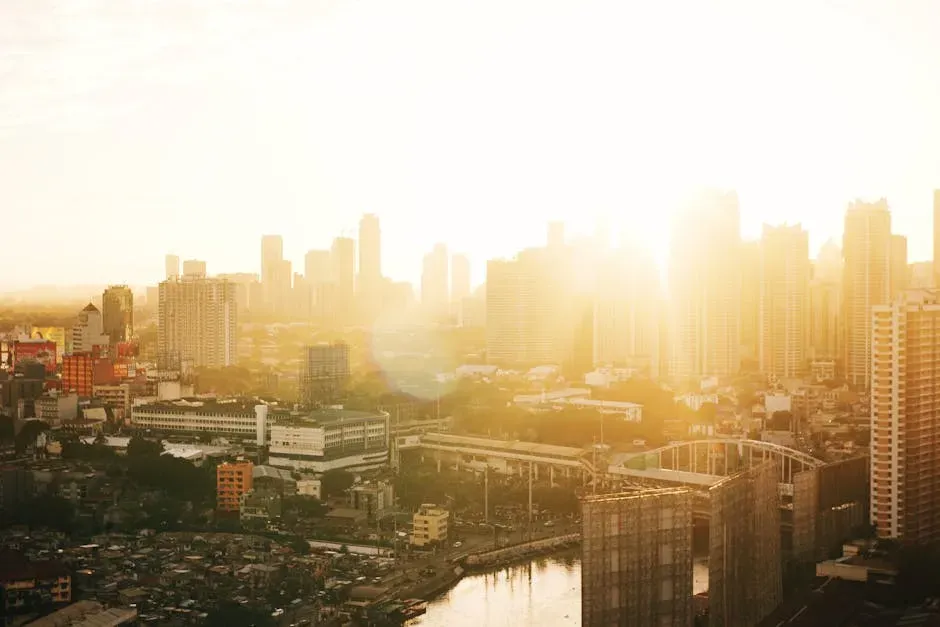
The basic physics are straightforward. Heat is absorbed, stored, and otherwise captured within concrete, black rooftops, tiles, and asphalt, the trappings of any city. These materials have high thermal mass, which means they are very good at holding onto energy. During the day they soak it up. At night, rather than releasing it quickly the way open desert does, they radiate it slowly back into the air.
There are many causes of urban heat island effect, such as building homes too close together, reducing air flow, and a high volume of pavement that traps heat at the height of the day. When you add reduced airflow to heat-retaining surfaces, the result is a neighborhood that never quite cools down. The desert around Las Vegas can drop dramatically after sunset. Parts of downtown rarely get that relief.
Las Vegas: One of the Fastest-Warming Cities in the Nation
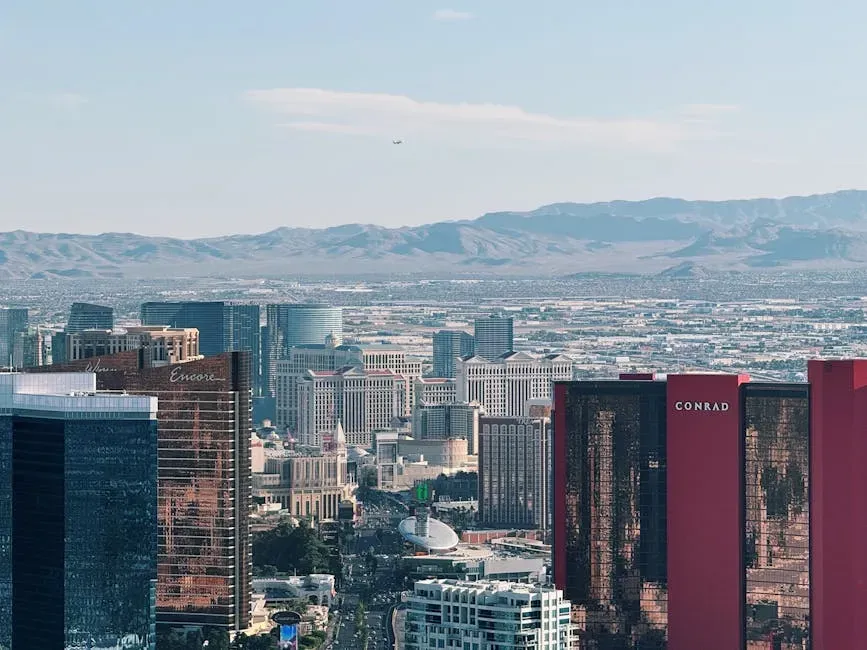
Las Vegas is among the fastest-warming cities in the United States, with an overall increase of nearly six degrees Fahrenheit in annual average temperature from 1970 to 2024. Over that time, the population in Clark County grew by 778 percent, reaching 2.4 million people today. That population explosion didn’t happen in a vacuum. It came with an enormous amount of new construction, road building, and the replacement of open desert with heat-absorbing development.
The spread of low-density neighborhoods, the loss of natural vegetation, and the increase in impervious surfaces such as buildings, roads, and parking lots have contributed to the urban heat island effect in the valley, leading to higher temperatures and creating significant disparities in heat exposure across neighborhoods. In short, the city built its own heat problem one concrete slab at a time.
The Nightmare of Nighttime: When Temperatures Won’t Drop
Urban heat islands are less likely to cool off in the nighttime because they hold heat so well. That’s certainly the case in Las Vegas. The National Weather Service has said the city is on track to have the most days on record where temperatures don’t dip below 90 degrees at night. Ninety degrees at midnight is not a number that allows the human body to recover. Sleep suffers, core temperature stays elevated, and the risk of heat illness compounds hour by hour.
Vegas’ nighttime temperatures have been getting hotter much faster than its days, due to an urban heat island effect that’s trapping daytime heat in impermeable surfaces, roads, dark rooftops, and asphalt parking lots, and releasing that heat at night. Because the heat is soaked into the city’s very foundation, places such as Las Vegas do not have a fresh cooling period. It remains hot through the night, and the solar radiation picks up momentum again at sunrise.
2024: A Year That Rewrote the Record Books
The summer of 2024 was the hottest on record in Las Vegas, according to the National Weather Service, with the average high temperature reaching 107.6 degrees Fahrenheit, about 6.7 degrees hotter than the benchmark. Southern Nevada also set a record with 27 days setting new-high temperatures, as well as records for the most consecutive days above 115 degrees, and an all-time heat record of 120 degrees set in July. These aren’t just headlines. They represent the kind of sustained extreme heat that infrastructure, bodies, and communities were never designed to handle.
Reno’s average annual temperature rose by 7.8 degrees and that of Las Vegas jumped by 5.9 degrees since 1970, according to Climate Central’s analysis. Both cities sit at the very top of the national warming rankings. For Las Vegas, every additional degree of baseline warming makes the heat island problem measurably worse, because you’re compounding two forms of extreme heat on top of each other.
The Human Cost: Heat Deaths Are Climbing
In 2024 alone, there were 526 heat-related fatalities in Southern Nevada, more than the number of homicides and traffic deaths in the same year. That figure deserves to sit for a moment. Heat killed more people in this single metro area than guns and cars combined. It is, by any honest measurement, the region’s most lethal public health threat.
Partner offer
A report from the Southern Nevada Health District acknowledged 475 heat-related deaths throughout Clark County, a 60 percent increase over the 296 fatalities attributed to heat in 2023. At least 30 deaths had been reported in two Southern Nevada zip codes alone: downtown Las Vegas’ 89101 and 89030 in North Las Vegas. Those two zip codes are, of course, among the hottest in the entire valley.
Who Bears the Heaviest Burden? The Inequality of Heat
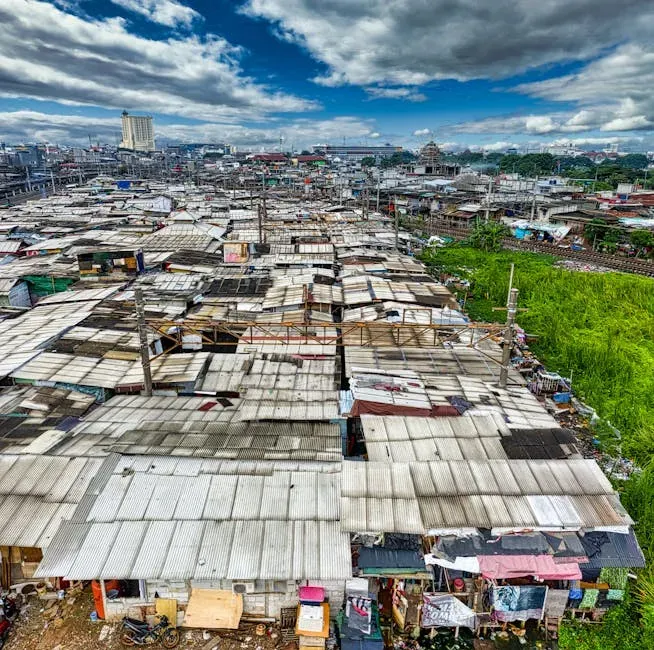
A 2022 RTC study found that the valley’s highest temperatures are generally concentrated in the urban core, including downtown and the Historic Westside neighborhood, and East Las Vegas, which are predominantly Black and Latino neighborhoods. The overlap between race, income, and heat exposure is not coincidental. It reflects decades of planning decisions that shaped who got parks, trees, and shade, and who didn’t.
Not only do these areas experience the impacts of the urban heat island effect, they are often more economically stressed with fewer resources and in older homes. Research found that in one heat-stressed area of North Las Vegas, the median annual income is just 28,000 dollars. For families in that range, the financial pressure to choose between cooling costs and other necessities is real and constant. Air conditioning isn’t optional in Las Vegas. For some, it’s simply unaffordable to run continuously.
Asphalt as a Heat Machine: Surface Temperatures Nobody Talks About

Air temperature is what gets reported. But the surfaces themselves tell a more extreme story. Asphalt, which covers a staggering share of the Las Vegas landscape in the form of roads, parking lots, and driveways, can reach temperatures of 150 to 170 degrees Fahrenheit during peak summer afternoons. That’s hot enough to cause burns with bare-skin contact in seconds.
According to research on the urban heat island effect, Las Vegas’ average downtown temperatures are five degrees higher than surrounding areas. Peak afternoon temperatures are even hotter, running 15 to 20 degrees higher than suburbs with more trees and less pavement. The difference between a shaded, tree-lined street and an exposed asphalt parking lot in July isn’t subtle. It can be the difference between a manageable afternoon and a dangerous one.
Why Trees Are More Valuable Here Than Almost Anywhere
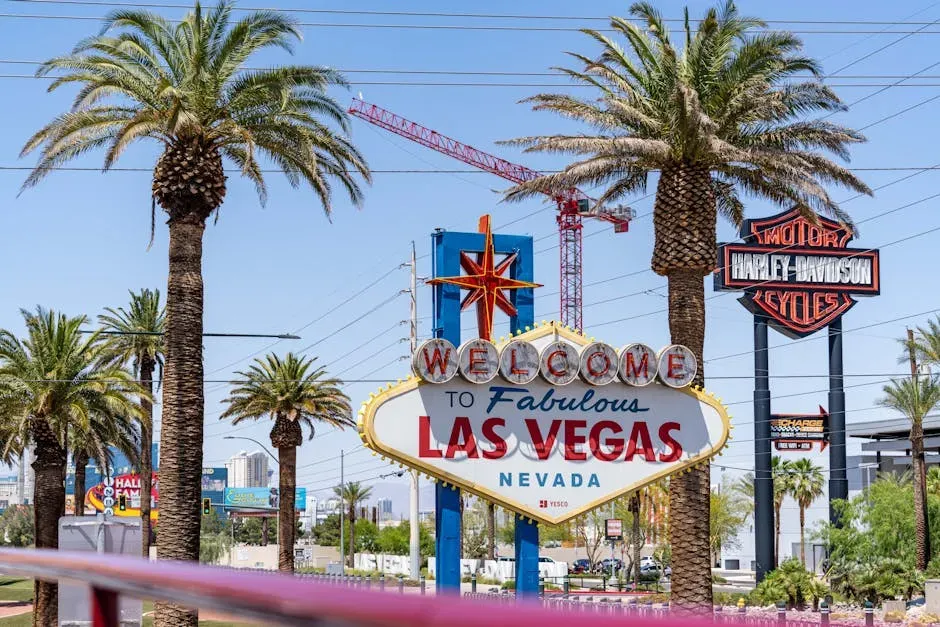
A 2024 U.S. Geological Survey study found that trees provide a more powerful cooling effect in Las Vegas than they do in other hot cities like Miami and Phoenix. If Las Vegas could remove about 20 percent of its heat-trapping pavement and replace it with tree canopy, air temperatures could decline by up to four degrees during heat waves. Four degrees doesn’t sound dramatic until you remember that each additional degree of heat meaningfully increases heat stroke risk, especially among the elderly and those with preexisting conditions.
The city’s plan calls for the planting of an additional 60,000 trees, though only about 2,500 had been planted as of the most recent reporting. The gap between ambition and execution is wide. Research on existing tree canopy over the Las Vegas metro area has found several areas of extreme heat vulnerability concentrated in North Las Vegas and eastern Las Vegas. Those are precisely the neighborhoods where the trees don’t yet exist.
The Cooling Strategies Being Explored Right Now
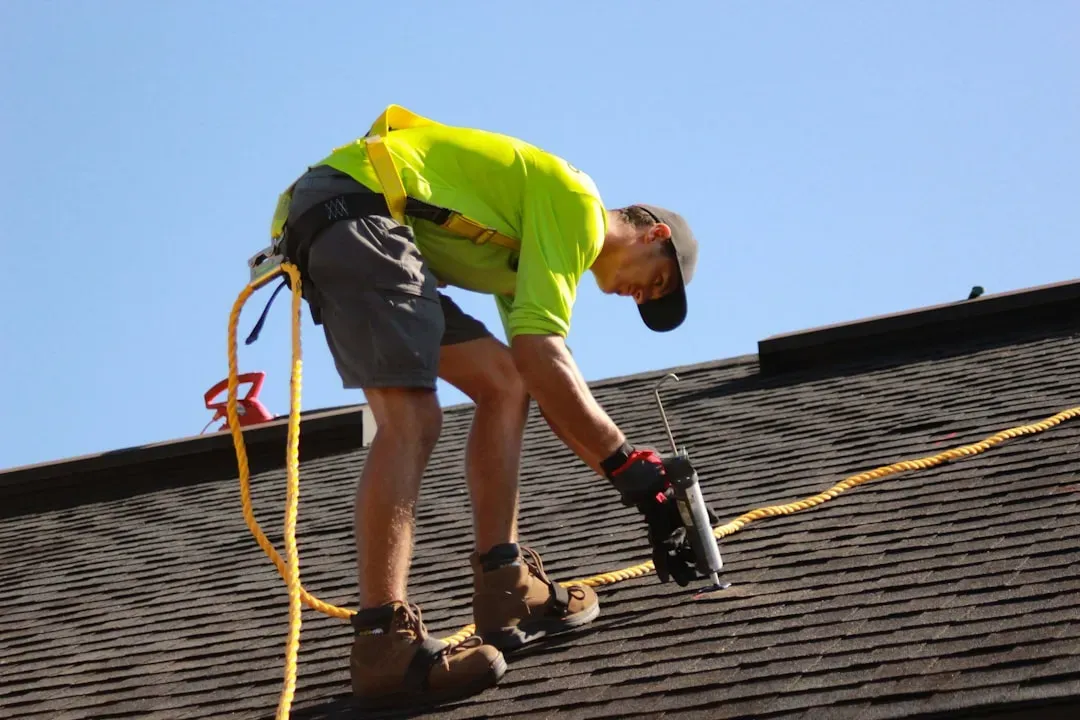
Reflective pavements have demonstrated a capacity to lower surface temperatures by between five and 20 degrees Celsius depending on reflectivity changes, while evaporative pavements have reduced temperatures by five to 35 degrees Celsius based on type and design. Both approaches are gaining traction in Sun Belt cities, though implementation at meaningful scale takes time and significant investment. Las Vegas officials and planners are watching these technologies closely.
Cities including New York, Los Angeles, Chicago, Dallas, Denver, Houston, Miami, and Philadelphia have incorporated cool roofs into their building codes. Painting rooftops white, known as cool roofs, can help reduce heat buildup by reflecting heat instead of absorbing it. Bus shelters in Las Vegas can provide shaded areas that are at least 20 degrees cooler, and plans are in motion to roll out 300 new shelters, with roughly 70 percent of them targeting the hottest 30 percent of the valley.
The Challenge of Getting Ahead of It
The City of Las Vegas 2050 Master Plan identifies the need to increase overall tree canopy to decrease the urban heat island effect and reduce air pollution. Having a plan is a meaningful step. Results from the city’s mapping efforts revealed that populations vulnerable to extreme heat were areas with higher rates of poverty or homelessness, the elderly, the young, and those with preexisting medical conditions. In other words, the people most in need of relief are also the ones with the least ability to create it for themselves.
In Clark County, heat-related deaths have steadily increased from 2020 to 2024 despite community prevention efforts. The majority of these deaths, roughly nine in ten, occur during the summer months, when temperatures frequently exceed 100 degrees Fahrenheit. Prevention efforts are real and growing, but the gap between what’s being done and what’s needed remains large. Nevada’s Occupational Safety and Health Administration saw a surge in heat complaints since 2021. During 2015 to 2020, the agency had around 118 average annual heat complaints. During 2021 to 2023, that average jumped to 330, more than double the prior six-year average.
A City That Built Its Own Problem
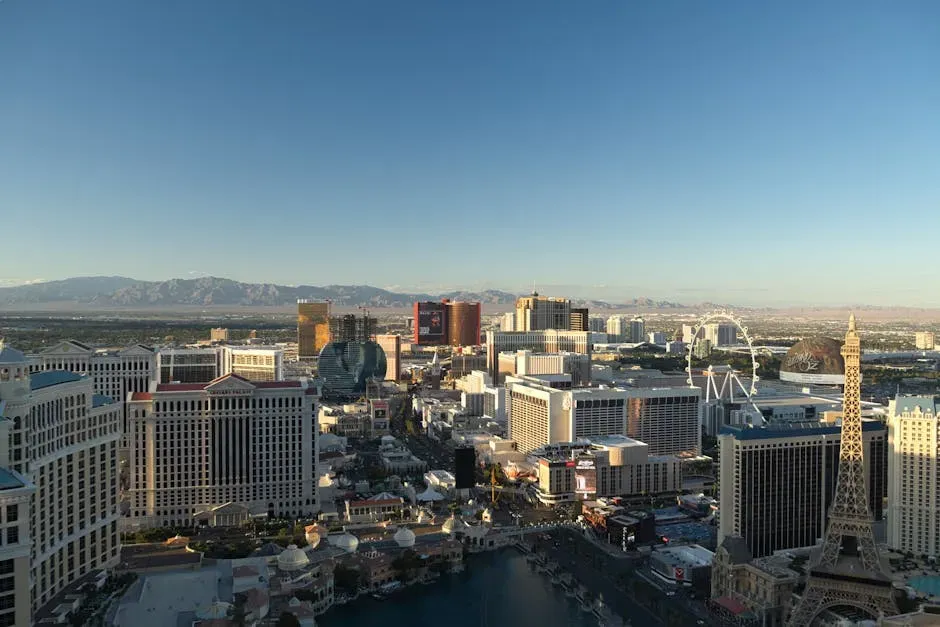
There’s something worth sitting with in the fact that Las Vegas built its heat island mostly by accident. No single decision created it. It grew incrementally, one new subdivision, one parking structure, one strip mall at a time, as a city expanded faster than almost anywhere else in the country. The physics of heat retention don’t care about intent. They just respond to surfaces.
What happens next in Las Vegas will be watched by cities across the American Southwest and beyond. The combination of extreme desert heat, rapid urbanization, and the compounding effect of climate change makes the valley something of a preview of what warmer, denser cities elsewhere will eventually face. The solutions being tested here, shaded transit stops, reflective surfaces, expanded tree canopy, smarter zoning, aren’t optional luxuries. They’re the building blocks of a city that can remain livable as temperatures continue to climb. Getting there fast enough is the part that remains genuinely uncertain.
Partner offer
Planning a trip to Vegas?
Compare hotel rates and show tickets on VEGAS.com.