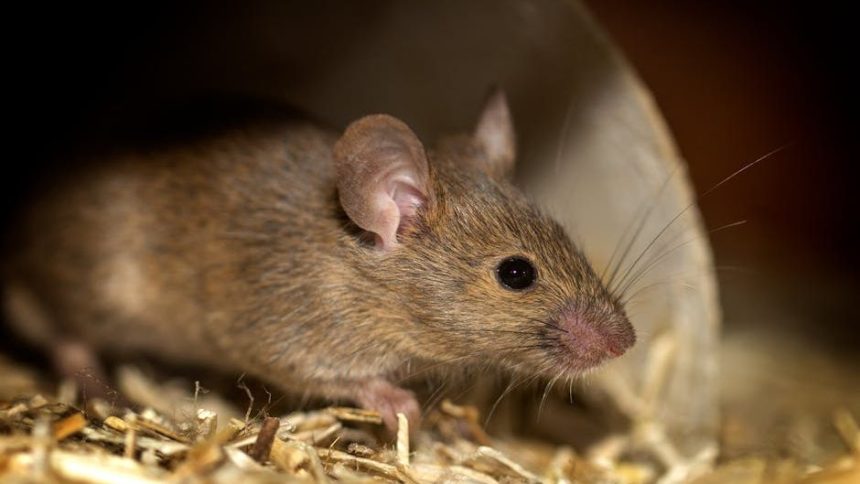


How hantavirus may have spread aboard a cruise ship – Image for illustrative purposes only (Image credits: Pexels)
Praia, Cape Verde – Authorities confirmed a hantavirus outbreak aboard the MV Hondius, an ice-breaking expedition vessel, that claimed three passenger lives and sickened several others during a monthlong voyage from Antarctica.[1][2] The Dutch-operated ship, carrying 88 passengers and 59 crew from 23 nationalities, now anchors offshore here while medical teams assess the situation.[3] Local officials barred full docking as a precaution, forcing reliance on international coordination for evacuations and next steps.
A Deadly Timeline Emerges
The MV Hondius left Ushuaia, Argentina, on April 1 for a 42-night Atlantic Odyssey, visiting Antarctica, South Georgia, and remote islands like Tristan da Cunha and Saint Helena.[4] Symptoms appeared early in the journey, with the first major incident striking on April 11 when a 70-year-old Dutch man died aboard from severe respiratory distress.[3]
His 69-year-old wife fell ill soon after and disembarked at Saint Helena on April 24 for repatriation. She collapsed en route to Johannesburg and died on April 27; tests later confirmed hantavirus in her system.[2] A British passenger, also 69, required evacuation from Ascension Island on April 27 and remains in critical but stable condition in a South African intensive care unit, with hantavirus verified there as well.[1]
- April 11: Dutch man dies at sea; body offloaded at Saint Helena.
- April 27: Dutch woman dies post-evacuation; British passenger airlifted to South Africa.
- May 2: German woman dies aboard; cause under review.
- May 4: Two crew members – one British, one Dutch – report respiratory symptoms; evacuations planned.[3]
Health officials now count two laboratory-confirmed hantavirus cases and five suspected among seven total illnesses, including three deaths.[5] The World Health Organization noted the cluster on May 2, triggering lab work in South Africa and Senegal.
The Rare Threat of Hantavirus at Sea
Hantavirus typically spreads through contact with infected rodent droppings, urine, or saliva, causing hantavirus pulmonary syndrome – a severe lung condition with fever, muscle aches, and rapid breathing failure.[1] Experts suspect passengers encountered rodents during shore excursions in rodent-prone areas like South American ports or sub-Antarctic islands before symptoms surfaced weeks later.
No rats appeared on board, but investigators probe a possible Andes virus strain, known in South America for limited human-to-human spread among close contacts, such as cabinmates.[2] This marks a rare maritime cluster, as the virus rarely affects ships; incubation can last up to eight weeks, explaining the delayed outbreak recognition.[6]
Partner offer

WHO’s Maria van Kerkhove emphasized that person-to-person transmission remains uncommon, with initial exposure likely predating the voyage. Still, the cases underscore risks for adventure travelers in remote ecosystems.
Stranded Passengers Face Uncertainty
With 149 people confined to cabins under strict hygiene protocols, the atmosphere aboard stayed calm despite the crisis. Passengers received regular updates, fresh provisions, and activities like reading and films to maintain morale.[6]
One passenger, Qasem Elhato, described days as “close to normal,” focused on awaiting authorities. Another, Helene Goessaert, noted, “Everyone on board is ‘in the same boat, literally.'”[6] A U.S. blogger shared emotional videos pleading for recognition of their humanity amid the headlines.[4]
Key Impacts on Stakeholders:
- Passengers and Crew: Isolation, delayed disembarkation, medical screening ahead.
- Operator Oceanwide Expeditions: Activated top-level SHIELD response; coordinates with WHO and governments.
- Cruise Industry: Renewed scrutiny on health protocols for polar routes.
Policy Hurdles and Path Ahead
Cape Verde authorities visited the ship with medical teams in protective gear but denied docking to protect public health, creating an offshore isolation zone.[6] Dutch officials now arrange air ambulances for the two ill crew and a close contact of the German deceased, targeting the Netherlands.
The vessel eyes Spain’s Canary Islands – Tenerife or Las Palmas – for disinfection, screening, and release, pending approval from Madrid and WHO oversight.[3] South Africa traces contacts from evacuees, while the UK supports its nationals. Contact tracing extends to a flight linked to one case.
This multi-nation effort reveals the complexities of outbreak management at sea, balancing maritime law, national sovereignty, and global health security. As evacuations proceed, the remaining travelers await clearance to resume normal lives.
Partner offer
Planning a trip to Vegas?
Compare hotel rates and show tickets on VEGAS.com.