Before it became one of the best selling book series in history, the first Harry Potter manuscript spent time in the slush of British publishing. Twelve publishing houses passed on it before one said yes.
It wasn’t a one-off. Plenty of famous books were turned away at first, sometimes by a handful of editors and sometimes by dozens. Rejection counts for older books come mostly from author interviews and publishing histories, so some figures are approximate. Here are eight novels that found their publishers only after a long wait.
Harry Potter and the Philosopher’s Stone

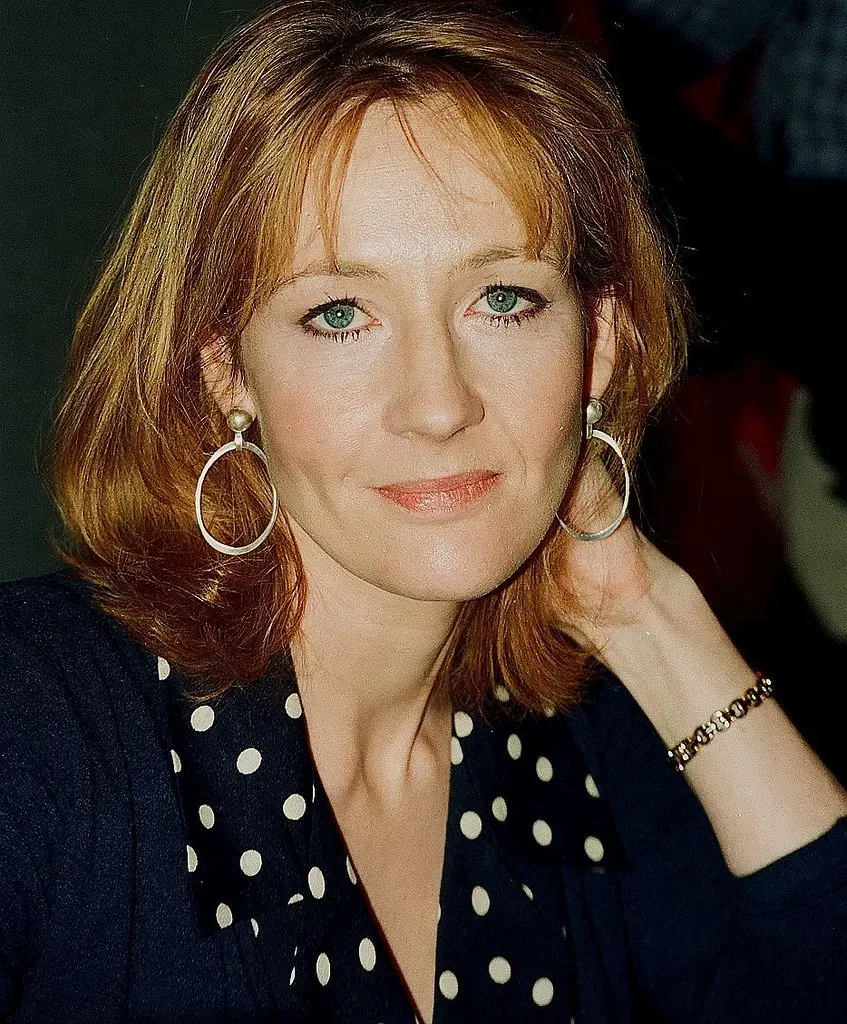
J.K. Rowling’s debut was turned down by twelve publishers before Bloomsbury took it on. Her agent, Christopher Little, had sent the manuscript around, and editor Barry Cunningham eventually made the offer. The advance was modest, reported at about 2,500 pounds.
Bloomsbury chairman Nigel Newton has often recounted that his young daughter Alice read the first chapter and asked for more. The book came out in June 1997 in the UK. It was published in the United States the following year as Harry Potter and the Sorcerer’s Stone.
Carrie by Stephen King

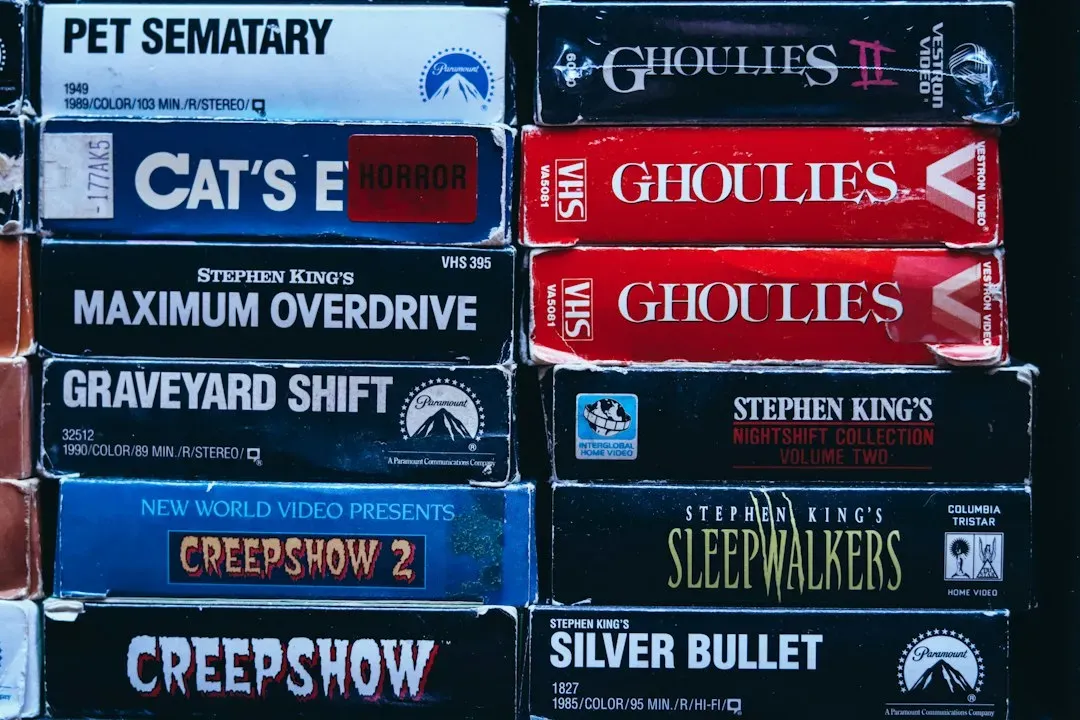
Stephen King’s first published novel has a well known origin story. He has said he threw the early pages away, and his wife, Tabitha, pulled them from the trash and encouraged him to continue.
King has also talked about collecting a stack of rejection slips for his early work, with a figure of around thirty often cited for this book. Doubleday published Carrie in 1974. Its success helped launch one of the longest careers in modern fiction.
A Wrinkle in Time by Madeleine L’Engle

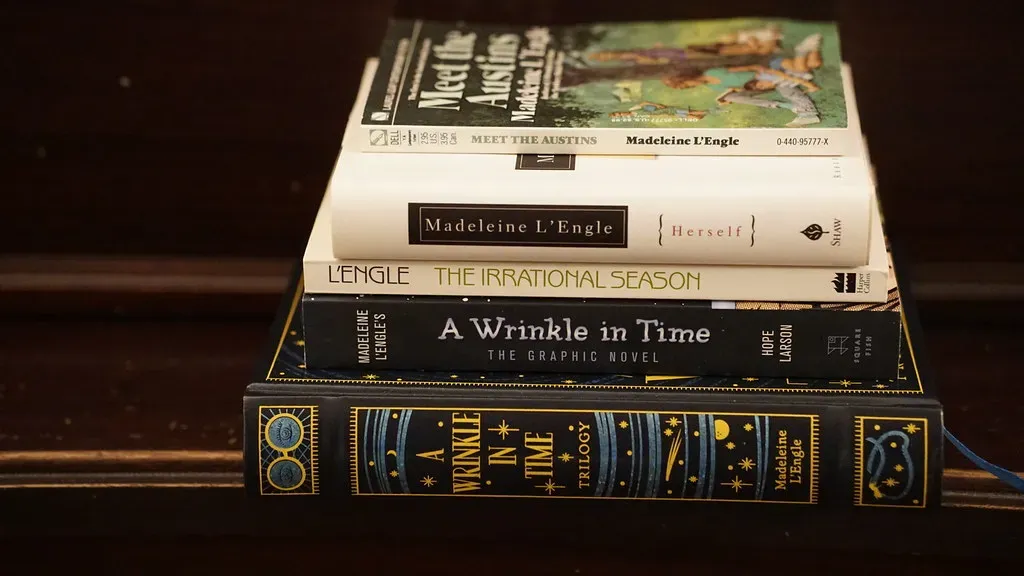
Madeleine L’Engle’s science fantasy novel was reportedly turned down by more than two dozen publishers. Editors found it odd, partly because it was hard to say whether it was meant for children or adults.
John C. Farrar of Farrar, Straus and Giroux finally published it in 1962. It won the Newbery Medal the next year and has stayed in print for decades.
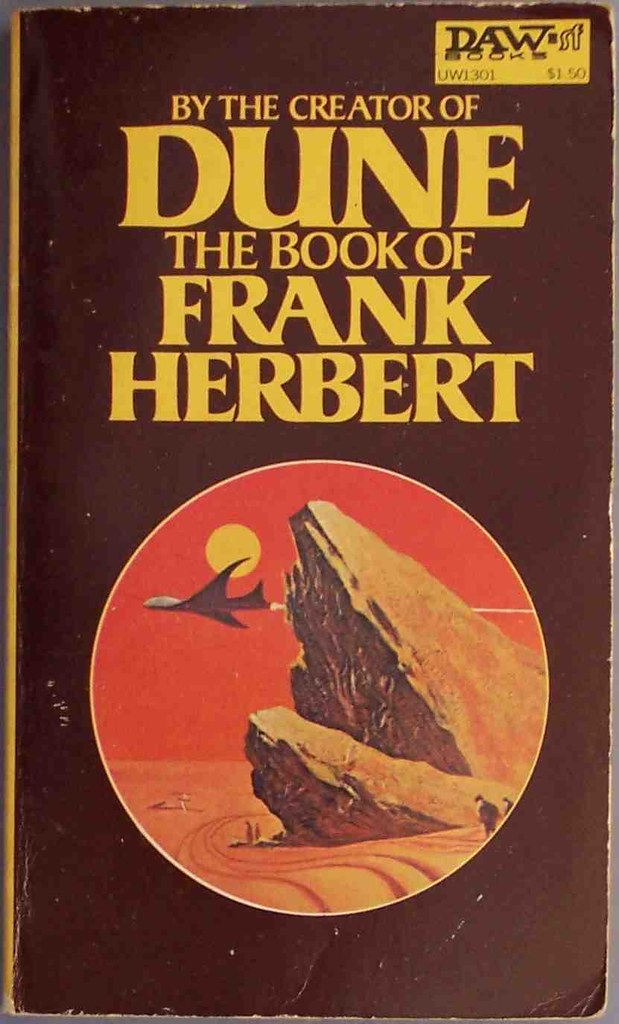
Dune by Frank Herbert
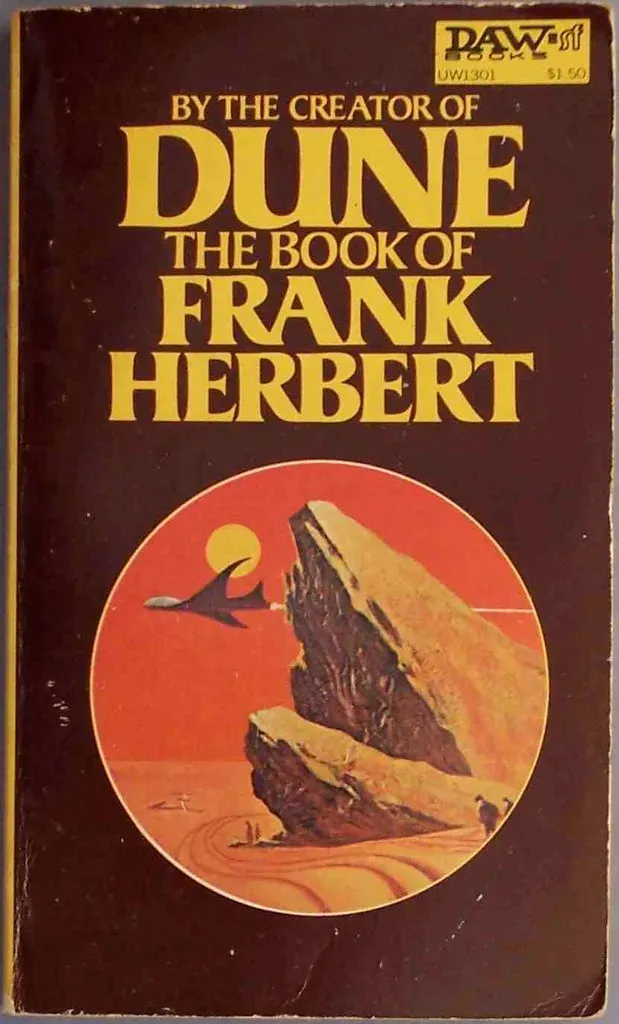
Frank Herbert’s epic is commonly said to have been rejected by roughly twenty publishers. Its length and dense world building made it a hard sell in the early 1960s.
The publisher that took it was Chilton, a company best known for auto repair manuals. Dune appeared in 1965 and went on to become one of the best known science fiction novels ever written.
Partner offer

Lord of the Flies by William Golding


William Golding’s story of schoolboys stranded on an island was reportedly turned down by around twenty publishers. Some saw it as too bleak or too strange for the market.
Faber and Faber accepted it, with editor Charles Monteith championing the manuscript. It was published in 1954. Golding later won the Nobel Prize in Literature, in 1983.
The Help by Kathryn Stockett

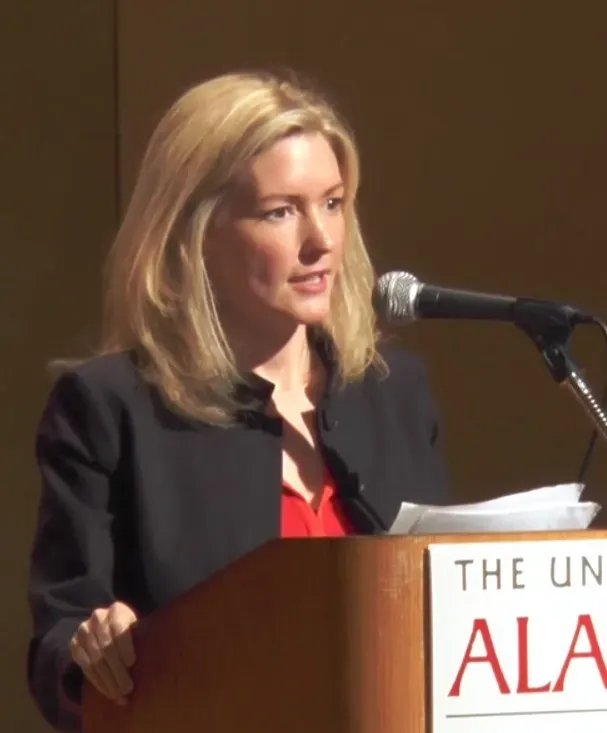
Kathryn Stockett has said that an estimated sixty literary agents rejected her novel before one agreed to represent it. The book is set in 1960s Mississippi and tells its story through Black maids and a young white woman.
Once the book found representation, it sold to a publisher and came out in 2009. It became a bestseller and was adapted into a 2011 film.
Chicken Soup for the Soul

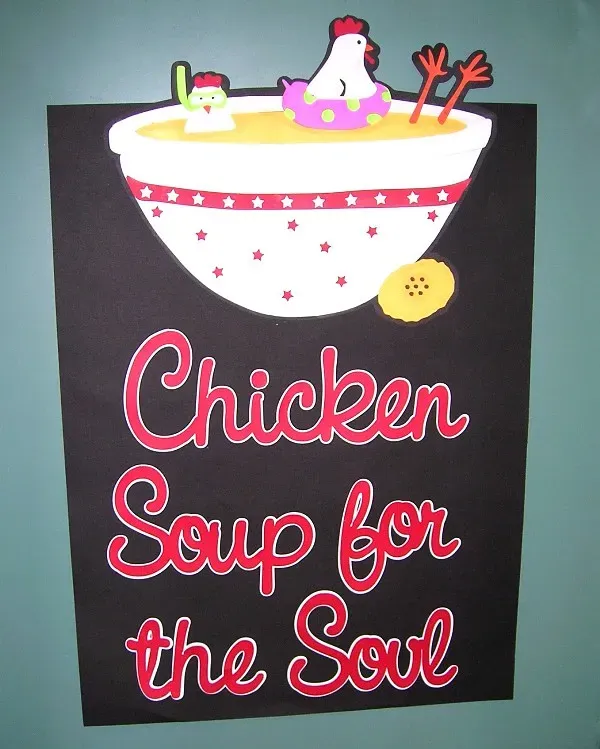
This one is a story collection rather than a traditional novel, yet its path to print is famous. Jack Canfield and Mark Victor Hansen are widely reported to have been turned down more than a hundred times.
Health Communications, a small Florida publisher, released it in 1993. The title grew into a huge franchise with many follow up volumes.
Jonathan Livingston Seagull by Richard Bach


Richard Bach’s short fable about a seagull who wants more from life is commonly said to have been rejected by eighteen publishers. Its brevity and spiritual themes didn’t fit neatly into any category.
Macmillan published it in 1970, and it became a major bestseller in the early 1970s. The book was later adapted into a film in 1973.
The Takeaway


Harry Potter, Carrie, Dune and the other books above all reached shelves after being turned down at least once, and often many times. Each was eventually accepted by a single editor or publisher willing to take the risk.
The exact rejection counts vary by source, but the pattern is well documented in author accounts and publishing histories.
Partner offer
Planning a trip to Vegas?
Compare hotel rates and show tickets on VEGAS.com.