The American Southwest has always been a place that demands respect. Its summers don’t just arrive – they press down. Cities like Phoenix and Tucson have long built their identities around surviving heat that would be considered extraordinary anywhere else. Yet something shifted in recent years. The numbers stopped looking like weather statistics and started looking like a crisis. The architecture community, long inspired by the desert’s visual severity, is now being asked a different question: not just what looks right in this landscape, but what keeps people alive in it.
When the Numbers Stopped Being Abstract
The record number of heat-related deaths in Phoenix’s Maricopa County for 2023 exceeded the previous record by more than 50 percent, with the county’s Department of Public Health confirming that heat killed 645 people that year, compared to 425 in 2022. That gap is not a rounding error. It represents a community overwhelmed by conditions its built environment was not prepared for.
While the heat-related death rate has roughly doubled over the past two decades in the country as a whole, it has increased roughly tenfold in Arizona. Despite logging the hottest summer on record, Maricopa County saw 602 heat-related deaths in 2024, a slight drop from 2023, though the conditions themselves were more extreme than ever. The trajectory is clear. Heat is no longer a background feature of desert life. It’s the central design problem.
The Summer That Changed the Conversation
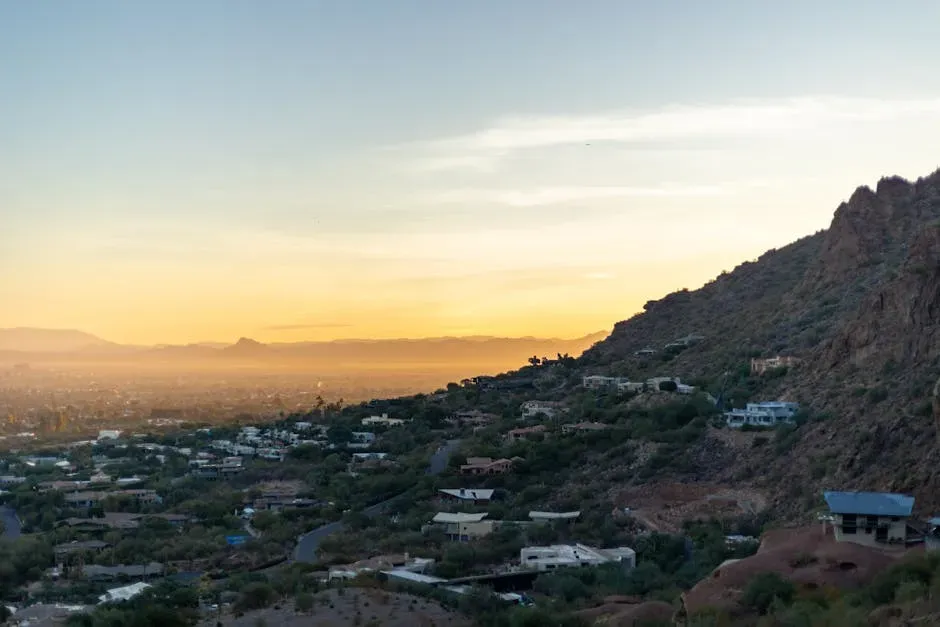
During the summer of 2023, Phoenix spent nearly all of July with high temperatures at or above 110 degrees Fahrenheit, setting a record for consecutive 110-degree days at 31. When factoring both high and low temperatures together, the average temperature in July reached 102.74 degrees, making Phoenix the first major city in the United States ever to average 100 degrees or more for an entire month.
There was scant relief from the heat at night either. From July 10th to July 25th, the temperature never dropped below 90 degrees, and on July 19th, it only dropped to 97 degrees, the hottest low temperature ever recorded in the city. In 2023, roughly three out of every four heat-related deaths happened when the victim was outside, while among the indoor deaths, the vast majority of people had an air conditioning unit – but most of those units were not working at the time of death. That detail alone reshaped how architects and planners think about building design.
What Ancient Desert Builders Already Knew
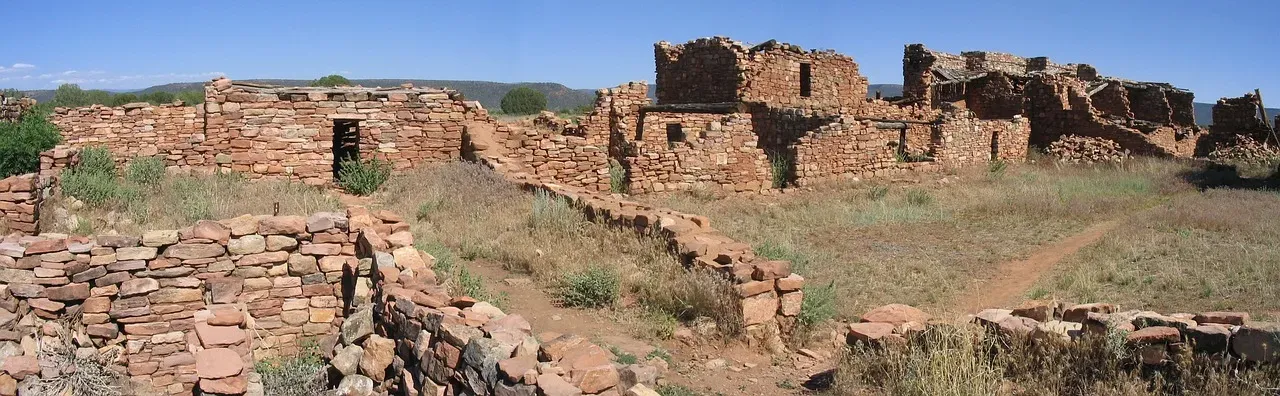
Long before mechanical air conditioning, Indigenous communities in the American Southwest had solved the problem of desert heat through architecture. They didn’t fight the sun. They negotiated with it. Thick earthen walls, deeply recessed doorways, shaded courtyards, and carefully oriented openings were not decorative choices – they were survival strategies refined across generations. These buildings absorbed solar heat slowly during the day and released it gradually at night, creating a natural thermal rhythm that kept interiors livable without any external energy source.
Incorporating indigenous design elements and traditional building techniques pays tribute to the rich cultural heritage of desert regions, and from Native American pueblo-style architecture to early mud-brick structures, desert homes fuse ancient wisdom with modern innovations, creating residences that resonate with local traditions, climate responsiveness, and community identity. Architects and designers collaborate with local artisans and communities to integrate vernacular design elements such as courtyards, shaded outdoor spaces, and passive cooling features that have stood the test of time. The deeper point is that these weren’t primitive workarounds. They were intelligent systems.
Thermal Mass: The Physics of Thick Walls
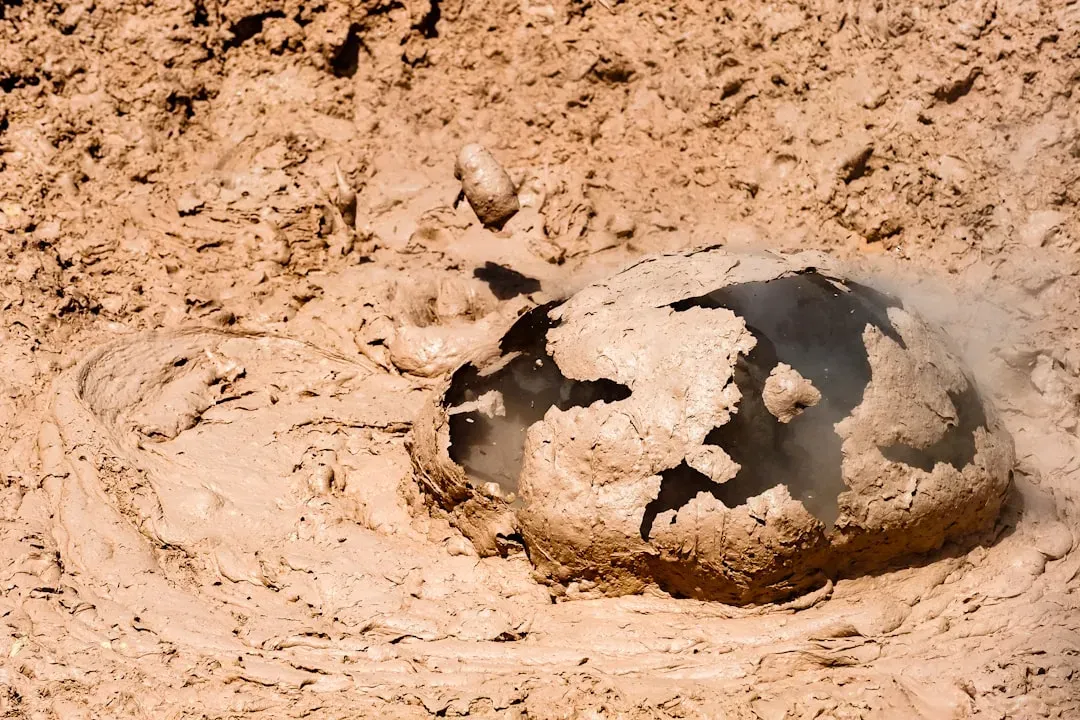
Adobe and rammed earth are not trendy materials. They are some of the oldest building technologies on the planet, and their persistence in desert architecture is not sentimental – it’s practical. Rammed earth, adobe, and stone are the standout materials of desert construction precisely because of how they handle heat. Their mass absorbs solar energy slowly over the course of a day, preventing it from reaching the interior quickly. By nightfall, when temperatures drop, that stored heat radiates outward. The building breathes in reverse.
One hallmark of desert home architecture is the strategic integration of passive design strategies that leverage natural elements for energy efficiency and comfort. Architects harness the desert’s abundant sunlight for passive solar management through building orientation, shading devices, and thermal mass materials such as rammed earth or adobe. Natural ventilation systems, courtyards, and landscaping elements optimize airflow, reduce indoor temperatures, and enhance the overall livability of desert homes. Modern practitioners haven’t abandoned these principles. They’ve found ways to build them into contemporary structures that would look right at home in a design magazine.
Partner offer
Cool Roofs and the Science of Reflection
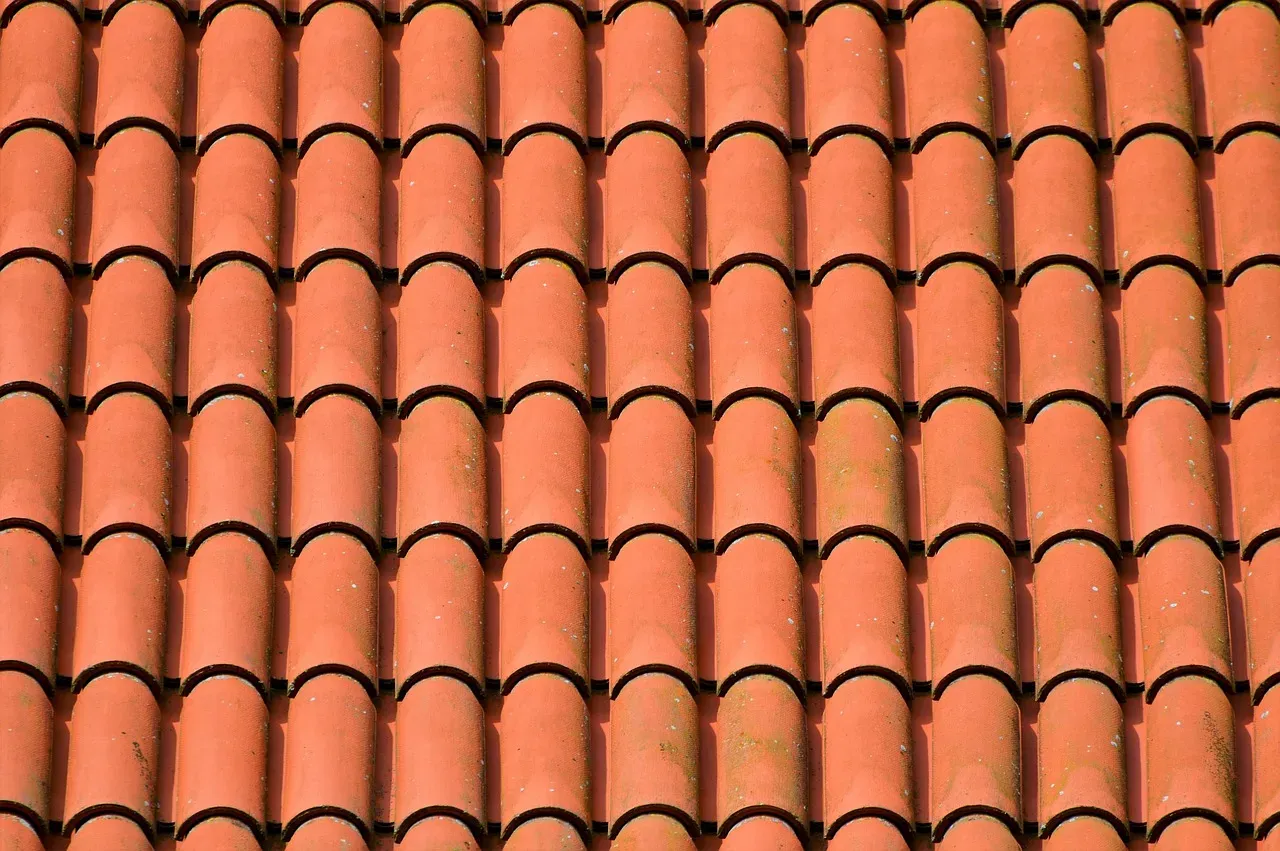
Typical conventional roofs can be 50 to 90 degrees Fahrenheit hotter than the surrounding air and transfer that solar energy directly into the building below. Cool roofs, by reflecting the sun’s energy back into the sky, become only around 10 degrees hotter than the ambient air, keeping buildings far cooler than either black painted roofs or steel roofs. That temperature difference isn’t trivial in a place where July afternoons exceed 115 degrees.
According to Lawrence Berkeley National Lab’s Heat Island Group, on a typical summer afternoon a clean white roof that reflects roughly 80 percent of sunlight will stay about 50 degrees Fahrenheit cooler than a grey roof that reflects only 20 percent of sunlight. A cool roof can reduce the amount of energy needed for air conditioning by up to 15 percent on a single-story building, leading to substantial savings on energy bills. In general, cool roofs work best in hot, sunny climates like the Southern United States, particularly on buildings with low levels of roof insulation. For desert states, this is not a niche technology. It’s becoming a baseline expectation.
The Urban Heat Island Problem
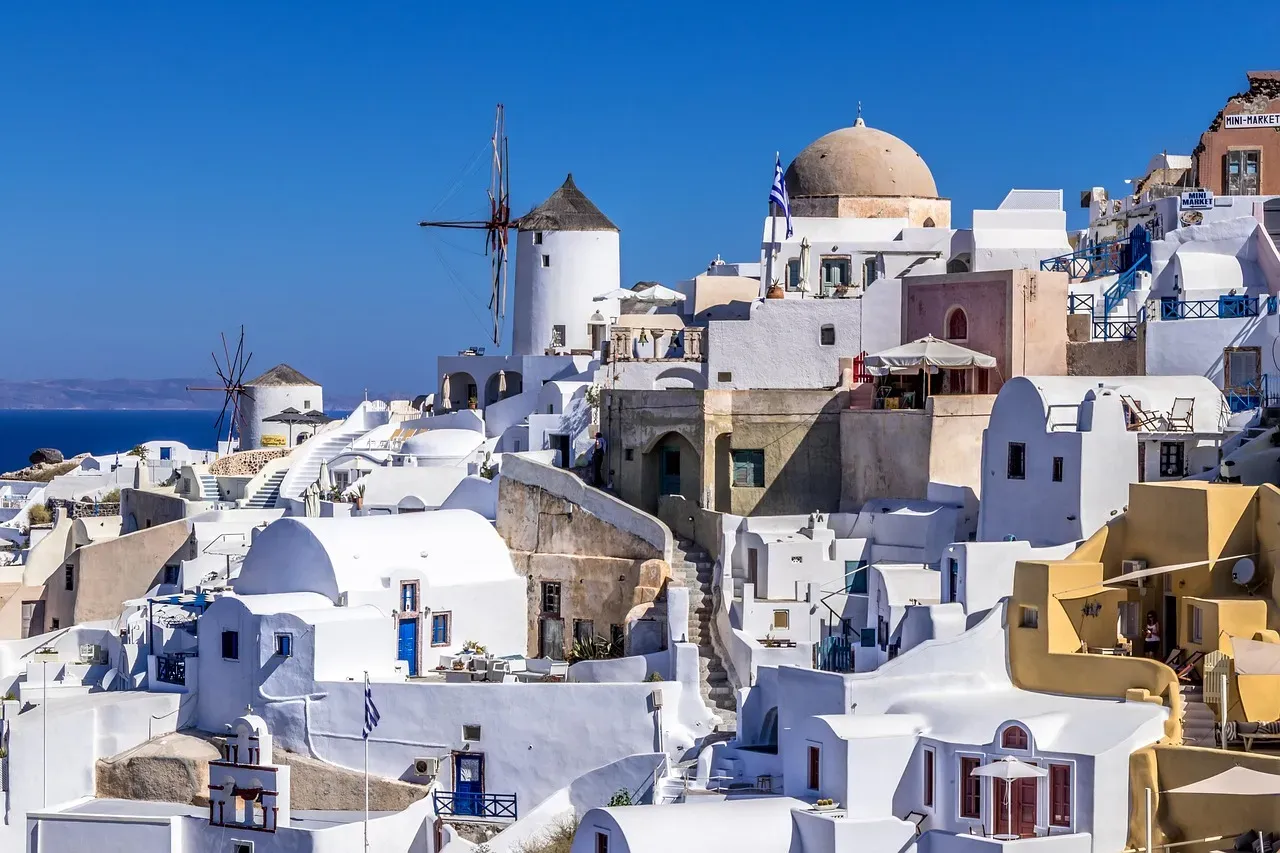
The “urban heat island effect” refers to the compounded effect of paved surfaces in predominantly urban areas absorbing heat from the sun and further amplifying the average ambient temperature. In a city like Phoenix, this effect layers on top of an already brutal climate. Asphalt streets, concrete parking lots, and dark rooftops bake through the day and radiate heat well into the night – which is precisely why overnight temperatures have been climbing in ways the built environment never accounted for.
Phoenix, Arizona, a rapidly warming city, shows high surface temperatures in formerly redlined communities reaching up to 10 to 15 degrees Fahrenheit higher than other neighborhoods. The cooling benefits of trees have been widely described but remain inequitably distributed across cities, and historically marginalized communities that have experienced disinvestment generally have lower tree canopy cover and hotter temperatures. The urban heat island isn’t just a climate problem. In American cities, it often maps directly onto income and race, which means architectural adaptation carries a justice dimension as well.
Passive Cooling Strategies That Are Old Ideas Made New
Natural ventilation harnesses desert breezes in ways that architects can design around deliberately. Buildings can be designed for cross-ventilation, where openings on opposite sides let air flow straight through, carrying heat away with it. The “stack effect” works on a different principle: warm air naturally rises and escapes through high openings, pulling cooler air in through lower ones, creating a continuous flow of air movement that can cut cooling needs substantially.
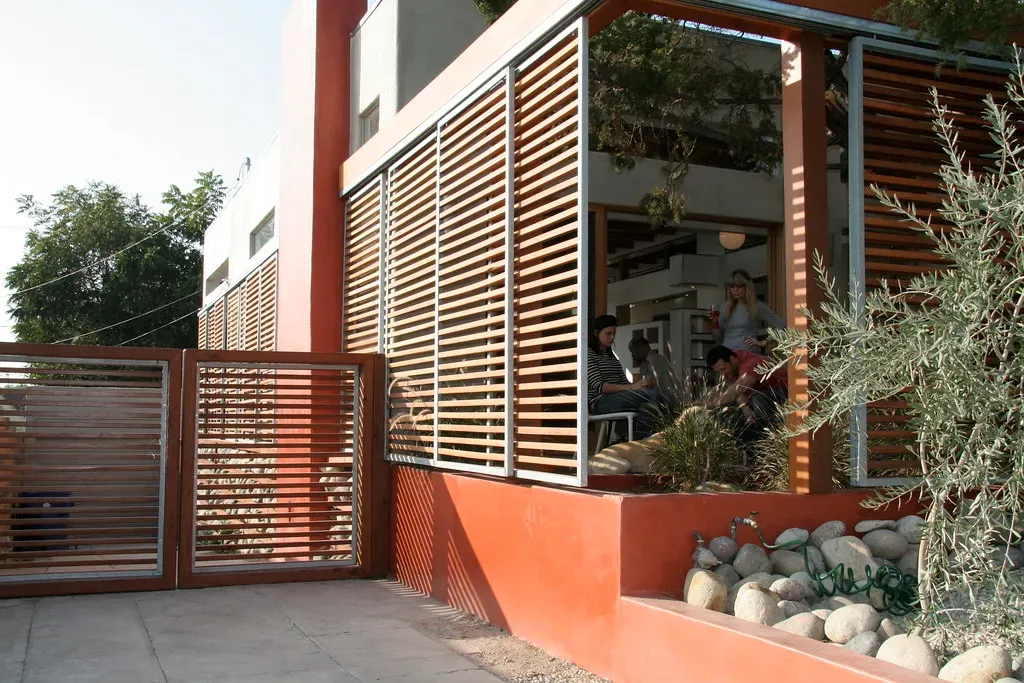
Overhangs, louvers, pergolas, and strategically placed plants all work together to block direct sunlight from hitting windows and walls. Multiple factors associated with architectural design, equipment technologies, and human behavior affect heat resilience in buildings, and tested combinations of these measures have been shown to reduce peak electrical load by up to 70 percent and delay the onset of dangerous heat stress after a power outage by more than 60 hours relative to baseline buildings. That last figure matters enormously in a region where grid failures during heat events are increasingly common.
Building for a Desert That Is Still Getting Hotter
Summers have gotten longer and hotter as a result of both global climate change and local urban heat island effects, and more people tend to die on hotter days. Architects working in the Southwest increasingly describe a moving target. Designing for the Phoenix of 2026 means accounting for the Phoenix of 2040. Research modeling future climate scenarios found that the implementation of cool and reflective roofs at the city level can lead to substantial annual reductions in heating and cooling energy consumption, with projections showing very significant savings possible in coming decades.
Cities in hot, arid climates are particularly vulnerable to extreme heat, especially during summer, and climate-responsive design strategies can support architects and urban designers in shaping buildings and open spaces to reduce thermal discomfort and be more resilient to the impacts of climate change. The tools already exist. Adobe, rammed earth, cool roofs, cross-ventilation, shaded courtyards, and reflective exteriors are not futuristic concepts. They are borrowed from the past and refined by the present. The question is not whether desert architecture knows how to handle heat. It always has. The question now is whether the people building American cities are willing to listen to what the desert has been teaching for centuries.
Partner offer
Planning a trip to Vegas?
Compare hotel rates and show tickets on VEGAS.com.