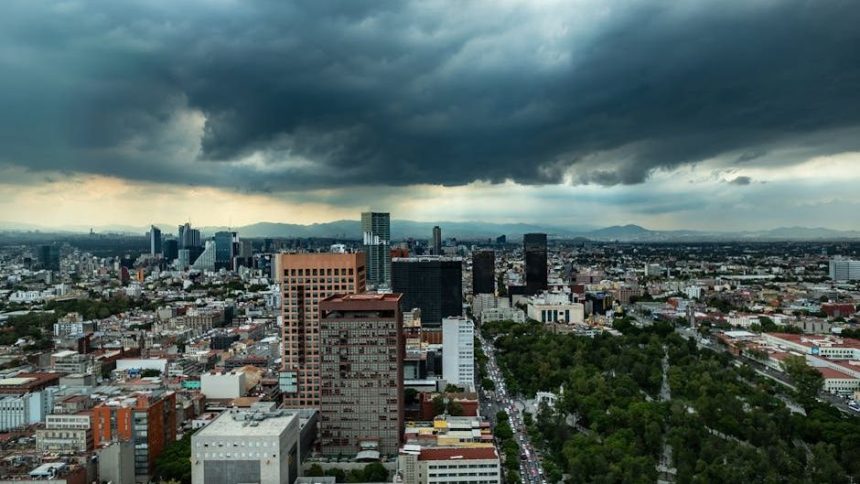
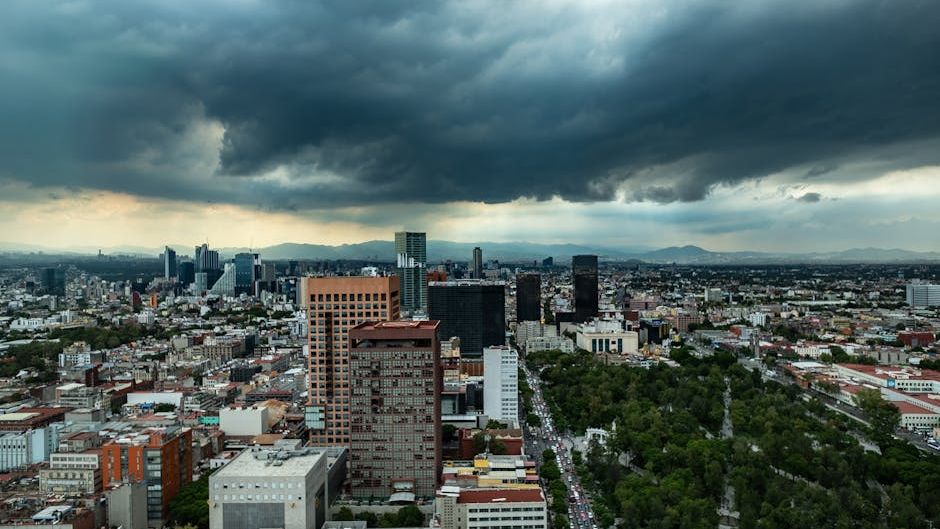
Up to 2cm a month: Nasa keeps track as Mexico City sinks into the ground – Image for illustrative purposes only (Image credits: Pexels)
Mexico City faces an accelerating challenge beneath its streets and buildings. Fresh measurements from a joint NASA and Indian Space Research Organisation satellite now capture the pace of change with unprecedented clarity. The data arrives at a moment when water shortages and infrastructure strain already test the metropolis of more than 20 million residents.
Why the latest readings stand out
The NISAR satellite, launched in July 2025, collected observations between late October 2025 and mid-January 2026. In several districts the ground dropped by as much as two centimetres each month. That pace translates to roughly 25 centimetres over a full year in the fastest-moving zones, including areas near the international airport and the Angel of Independence monument.
Earlier satellite missions had documented the same general trend, yet the new instrument delivers sharper detail across the entire urban footprint. Its L-band radar penetrates clouds, vegetation and darkness, allowing consistent tracking even during the dry season when groundwater extraction peaks.
The geological setting that drives the movement
The city rests on the compacted sediments of an ancient lake bed. Centuries of drainage and, more recently, intensive pumping of underground water have removed the fluid that once supported the clay-rich soils. Without that support the layers compress irreversibly, lowering the surface in an uneven pattern.
Over less than a century the cumulative drop has exceeded 12 metres in some central neighbourhoods. Streets crack, subway tunnels shift, and older structures such as the Metropolitan Cathedral lean visibly. The same process also deepens the city’s chronic water crisis by reducing the aquifer’s capacity.
Partner offer
Practical consequences for daily life and planning
Uneven subsidence fractures roads, water mains and drainage systems on a regular basis. Repair crews work constantly, yet the underlying movement continues. Researchers note that the damage extends to housing, public transport and the network that supplies drinking water to millions.
Local scientists emphasise that the first requirement for any lasting response is accurate, up-to-date mapping. The NISAR imagery supplies exactly that, showing not only where sinking occurs but also how rates vary from one block to the next.
What the technology now makes possible
Because NISAR passes over the same locations every 12 days, future datasets will reveal whether extraction limits or recharge projects slow the descent. Scientists hope to refine the measurements further, eventually distinguishing movement at the scale of individual buildings.
Beyond Mexico City, the same radar approach can monitor other fast-changing landscapes worldwide, from volcanic flanks to glacier margins. For the Mexican capital the immediate value lies in giving planners a clearer picture of where intervention is most urgent.
The first step is to just understand.
With that understanding now sharper than before, attention can turn to practical steps that protect infrastructure and secure water supplies for the decades ahead.
Partner offer
Planning a trip to Vegas?
Compare hotel rates and show tickets on VEGAS.com.