The debate rages on nearly a century later. Two giants of the Jazz Age, two different approaches to storytelling, and one persistent question that refuses to fade into literary history. Ernest Hemingway with his terse, muscular prose and F. Scott Fitzgerald with his lyrical, emotionally rich narratives represent fundamentally different visions of what American literature could be. They knew each other, competed with each other, and in many ways needed each other to define what they were against.
The truth is messier than picking a winner. These men weren’t just writers; they were cultural interpreters navigating the aftermath of World War I, the excesses of the Roaring Twenties, and their own demons. Their legacies intertwine in complex ways that continue to shape how we think about American identity, ambition, and artistic integrity. So let’s dive in.
The Battle of Styles: Minimalism Meets Extravagance


Hemingway’s writing style is characterized by simplicity and economy of language, notable for its use of short, declarative sentences and its focus on action and dialogue. He championed what became known as the Iceberg Theory, an approach suggesting that the true essence of his stories lay beneath the surface, inviting readers to uncover deeper meanings. His journalism background carved away any excess, leaving only what was absolutely necessary.
Fitzgerald’s writing was a symphony of lyrical beauty and rich symbolism, with sentences that unfurled like poetry, painting vivid imagery that resonated with readers. Where Hemingway stripped language down to its bones, Fitzgerald dressed it in elegant clothing. Think of reading Hemingway as looking at a stark photograph; reading Fitzgerald feels more like gazing at an impressionist painting. Neither approach is inherently superior, yet the contrast reveals two fundamentally different philosophies about what literature should accomplish.
Who Actually Influenced More Writers?

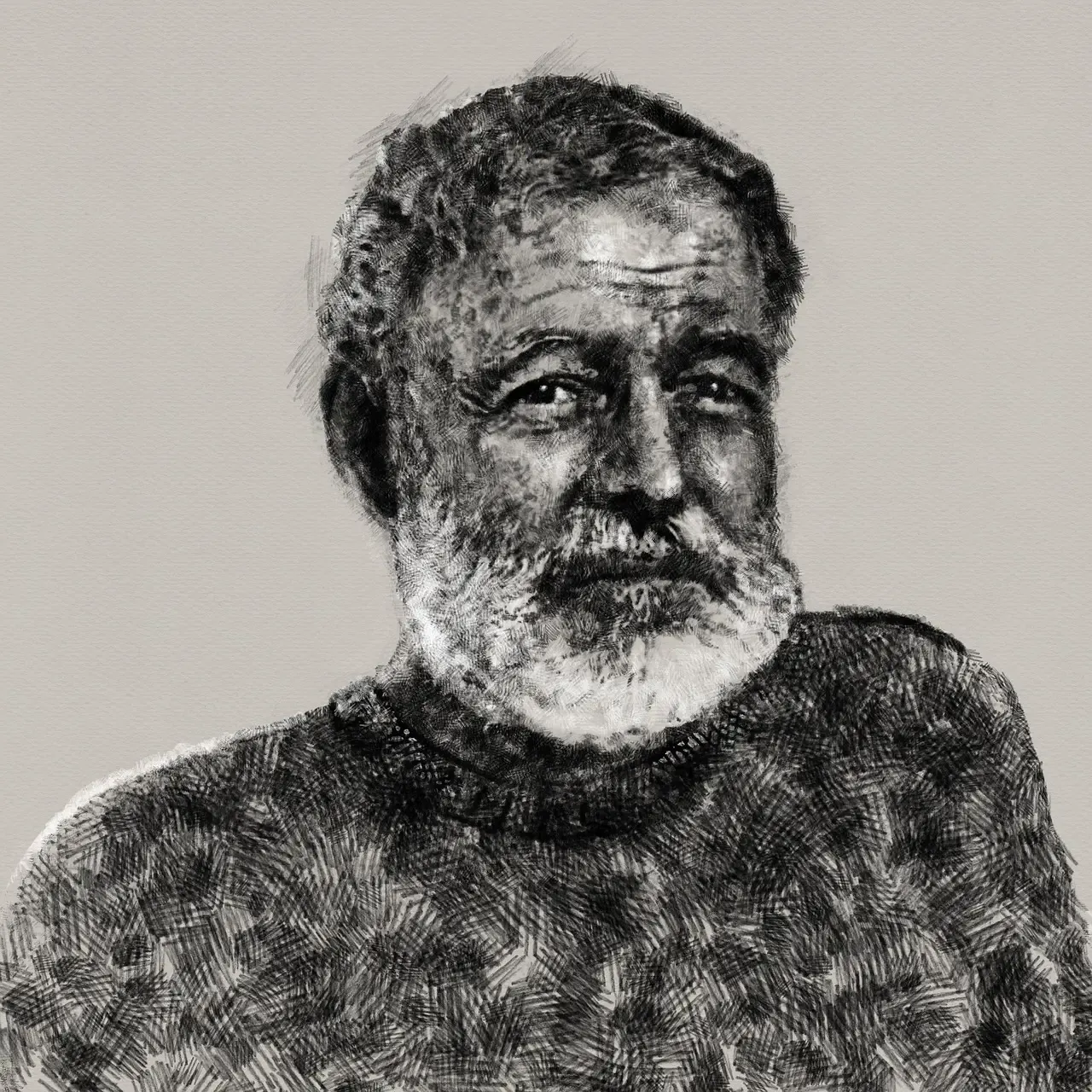
Here’s where things get interesting. It would be impossible to find any major American author whom so many others have credited with influencing their styles as Hemingway, including J.D. Salinger (who named himself “national chairman of the Hemingway Fan Clubs”), Norman Mailer, Hunter S. Thompson, Raymond Carver, Elmore Leonard, Ray Bradbury, Denis Johnson, Bret Easton Ellis, and even Anne Beattie. That’s a staggering roster spanning multiple generations and genres.
Hemingway’s style and approach to storytelling have inspired countless writers over the years, with his legacy visible in the works of authors like Cormac McCarthy, Raymond Carver, and J.D. Salinger. The influence of the Hemingway hero can be seen in many literary soldiers and is even more evident in the archetypal tough-talking detectives of Raymond Chandler and James Ellroy. His fingerprints are everywhere in American fiction, from crime novels to war narratives to literary minimalism.
Fitzgerald’s influence operates differently, more subtly. His ability to capture the essence of an era while delving into universal human experiences has contributed to the enduring relevance of his work in modern literature, with his use of symbolism and metaphor becoming a hallmark of modern literary fiction and his attention to character development having a lasting impact on contemporary literature. His reach might be less obvious, yet writers still grapple with the themes he explored.
The Sales Numbers Tell an Unexpected Story


Let’s talk cold, hard facts. In 2017, Hemingway’s publisher Scribner sold well over 350,000 copies of his works in North America alone, with no author in the publishing house’s hardcover Scribner Classics line having more titles in print: 24. That’s commercial dominance nearly sixty years after his death.
Yet Fitzgerald’s comeback story is absolutely wild. The Great Gatsby has sold well over 30 million copies worldwide since its 1925 publication, with the truly remarkable part being its incredible journey from commercial disappointment to an enduring global phenomenon that still sells over 500,000 copies every single year in the U.S. alone. In its first year of publication, 1925, The Great Gatsby sold approximately 20,000 copies, and by the time Fitzgerald died in 1940, he believed the novel to be a failure, having earned just over $8,000 in royalties from it.
The turnaround came during World War II. In 1945, 155,000 copies of The Great Gatsby were distributed to service members who read it, loved it, and returned home from the war hoping to buy a copy of the book. That single distribution arguably saved Fitzgerald’s legacy from obscurity.
Classroom Presence: The Ultimate Literary Competition


Academia offers another lens through which to judge lasting influence. Here’s what’s fascinating: neither author dominates college syllabi the way you might expect. In the US, Mary Wollstonecraft Shelley’s Frankenstein is the most taught work of fiction, with Chaucer’s Canterbury Tales a close second. Neither Hemingway nor Fitzgerald crack the overall top position.
Still, their classroom presence remains substantial. Frankenstein by Mary Shelley is the most assigned novel by a woman, appearing in 4,789 syllabi, but this doesn’t diminish the steady assignment of both authors’ works across American universities. The Great Gatsby has become such a staple of high school curricula that nearly every American student encounters Fitzgerald’s vision of the American Dream before graduating.
Hemingway’s works appear regularly on university reading lists, particularly in courses examining modernist literature, war narratives, and stylistic innovation. Both writers secured their place in the educational canon, though perhaps neither achieved total dominance over the other.
Critical Reception Then and Now

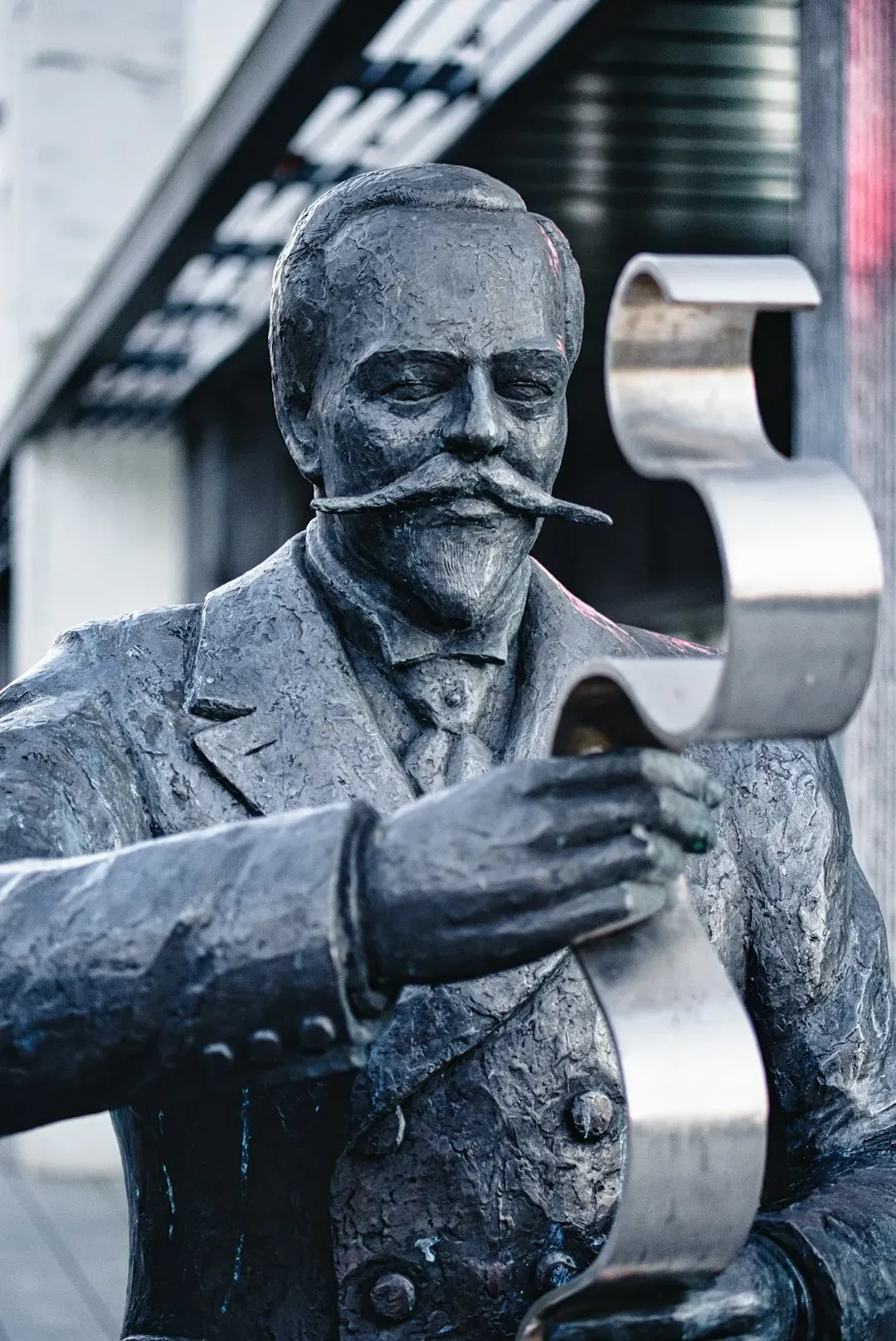
Even during F. Scott Fitzgerald and Ernest Hemingway’s respective lifetimes, many critics hailed them as the voices of an entire generation, a generation lost between its yearning for remembrance of pre-war times dominated by traditional American values and its new post-war reality. The “Lost Generation” label stuck to both men like glue, though they embodied it differently.
Hemingway won the Nobel Prize in Literature in 1954 for his mastery of the art of narrative, most recently demonstrated in The Old Man and the Sea, and for the influence that he has exerted on style in modern fiction, though the award sparked controversy among some critics who felt that Hemingway’s best work was behind him. Fitzgerald never received such recognition during his lifetime, dying in relative obscurity.
The scholarly reassessment began decades later. Hemingway remains both a definitive stylist of twentieth-century literature and a case study in what happens to an artist consumed by the spectacle of celebrity, with new-millennium scholarship confirming his continued relevance to an era defined by digital realms, ecological anxiety, and globalization. The scholarly and popular culture responses to Fitzgerald’s work between 2000 and 2020 have greatly increased and expanded, partially because of international conferences and the completion of the eighteen-volume Cambridge Edition of his works in 2019.