History has a wild sense of humor. Some of the most earth-shattering, civilization-altering moments in human history happened in an era when the fastest way to spread news was a telegram or a newspaper boy shouting on a street corner. And honestly? Looking back at them now, knowing what we know about how the internet works, about memes and trending hashtags and 24-hour news cycles, it is almost impossible not to wonder: what if those moments happened today?
Imagine watching history unfold in real time on your phone, with billions of people reacting, arguing, cheering, weeping, and posting takes all at once. The sheer volume of noise, emotion, and pure human energy would be staggering. So let’s take a trip through history, gallery style, and reimagine some of its most thunderous moments through the lens of 2026. You might be surprised by just how chaotic things could get. Let’s dive in.
1. The Wright Brothers Take Flight (1903)
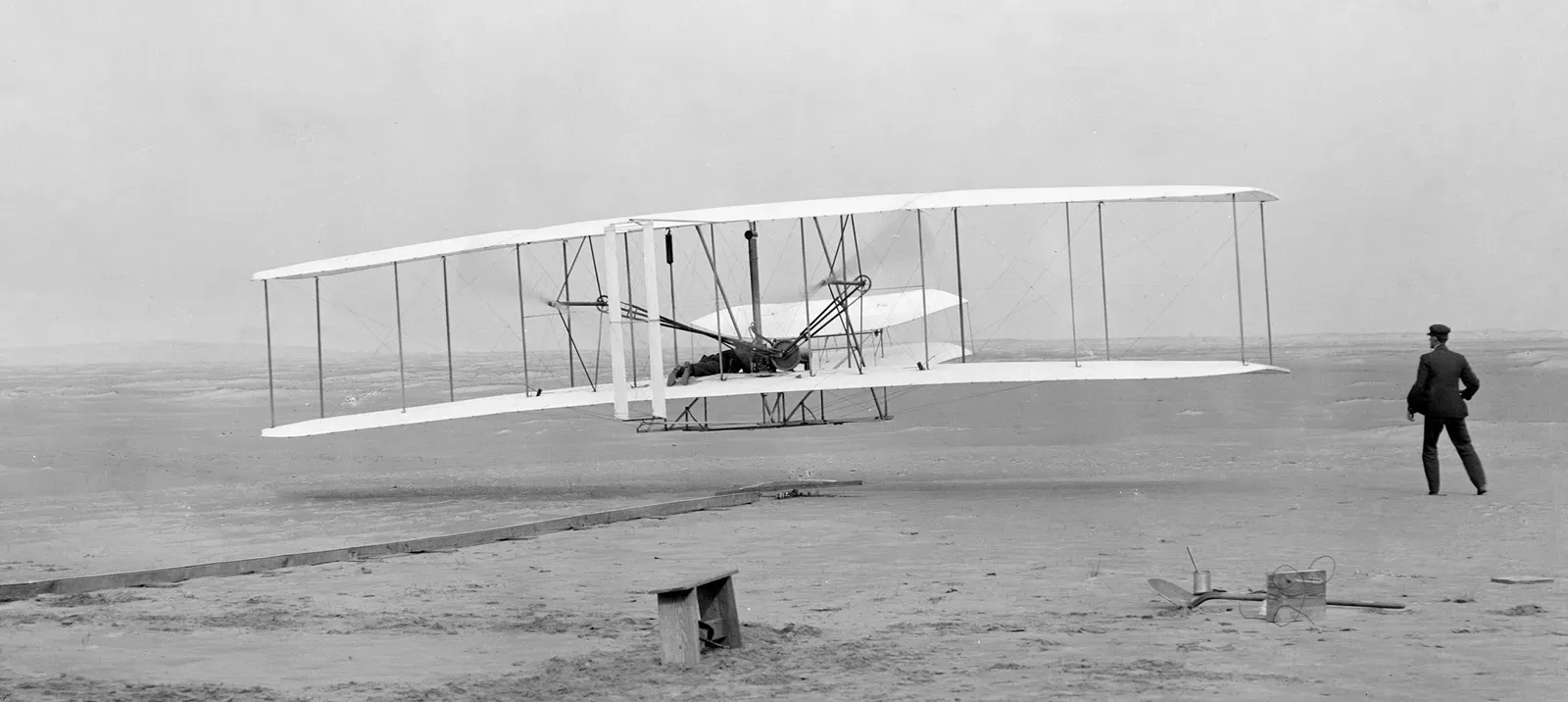
On December 17, 1903, the Wright brothers made the first controlled, sustained flight of an engine-powered, heavier-than-air aircraft with the Wright Flyer, four miles south of Kitty Hawk, North Carolina. Their powered aircraft flew for just 12 seconds above the sand dunes. Twelve seconds. That’s barely enough time to film a TikTok. Yet the clip would be the most-watched video in the history of the internet, guaranteed.
On that December day, they succeeded in flying the first free, controlled flight of a power-driven, heavier-than-air plane, with Wilbur flying for 59 seconds over a distance of 852 feet. In December 1903, the industrialized world moved at the speed of a steam engine, and a few months earlier a smug American scientist claimed to have proven that a powered aircraft would never fly. The comments section would have been absolutely unhinged. Conspiracy theories claiming it was all staged, engineers arguing about physics, and a dozen random accounts saying “they should’ve been wearing helmets.”
Despite the Wright brothers’ accomplishments embodying the American dream, as they were not trained as engineers, did not come from an affluent family, and yet achieved greatness, their success seemed to startle their compatriots. That origin story alone would drive millions of clicks. Two bicycle mechanics from Ohio beating the establishment scientists? That’s peak underdog content, and the internet absolutely loves an underdog.
2. Neil Armstrong Walks on the Moon (1969)
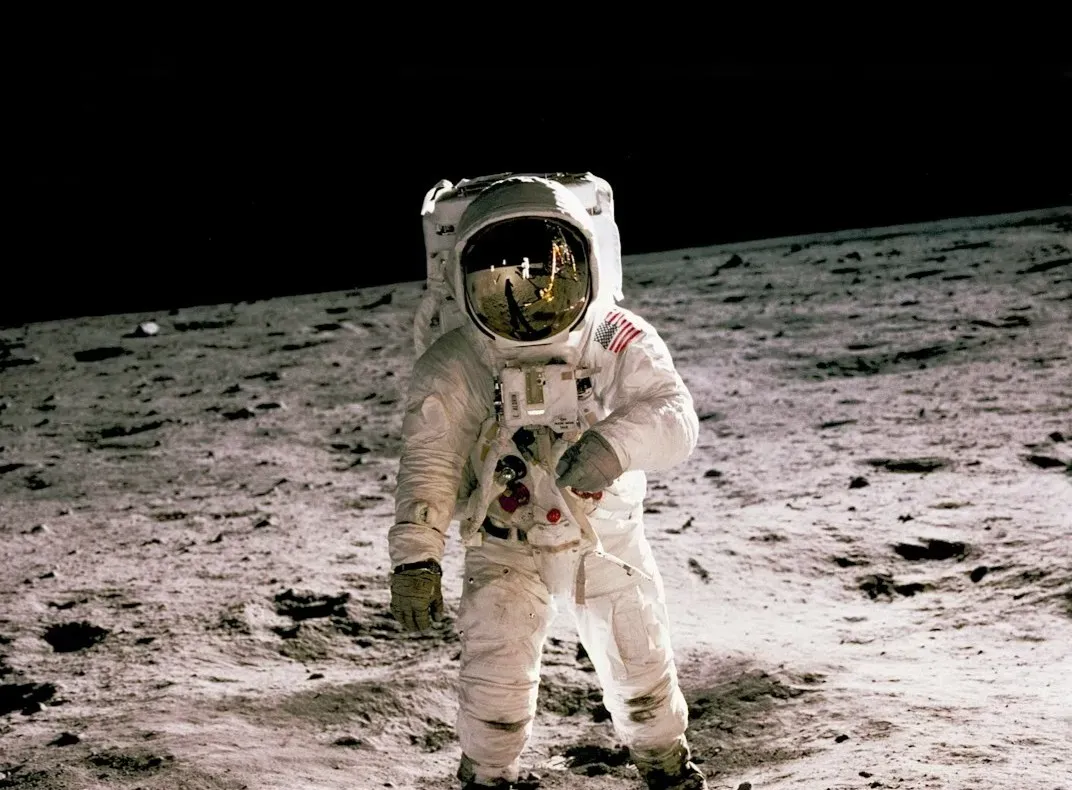
Over 53.5 million US households tuned in to watch the Apollo 11 mission across the two weeks it was on TV, making it the most watched TV programming up to that date, with an estimated 650 million viewers worldwide watching the first steps on the Moon. Today, with a global internet user base of over five billion people, that number would absolutely shatter every streaming record ever set. Think Netflix’s biggest premiere multiplied by a thousand.
Imagine the electrifying moment when Neil Armstrong set foot on the lunar surface playing out today, with billions glued to their phones. Social media feeds would light up with live tweets, Instagram stories, and instant memes celebrating the achievement. Trending hashtags like #MoonLanding and #OneSmallStep would connect people from all corners of the globe. Every world leader would be posting. Every comedian would be riffing. Every conspiracy theorist would be screaming.
Ipsos polled the issue in 2019 and found that only six percent of all respondents believed the moon landing was staged, though among millennials, eleven percent indicated belief in the conspiracy theory. Imagine feeding that skepticism into the algorithmic fire of today’s internet. The misinformation would spread at lightspeed, while scientists and NASA engineers scrambled to debunk it in real time. It would be 2026’s greatest online war of fact versus fiction.
3. The Assassination of Archduke Franz Ferdinand (1914)
The assassination of Archduke Franz Ferdinand of Austria, heir presumptive to the Austro-Hungarian throne, and his wife Sophie, occurred on June 28, 1914, carried out by Bosnian Serb student Gavrilo Princip. They were shot at close range while being driven through Sarajevo. A motorcade, an open car, a political heir, and a 19-year-old nationalist. This is the kind of breaking-news story that modern media was practically built to cover obsessively.
Sophie died in the car, and Franz Ferdinand shortly after reaching the residence of the Governor. The conspirators could not know, and certainly had not planned, that a world war would result from this act of violence, but in the weeks that followed, decisions were made in Europe’s capitals that ensured that the death of this one man would lead to the deaths of millions. The unfolding chain of events would have kept the internet in a perpetual state of dread and disbelief for weeks.
Historians generally accept that the assassination of Archduke Franz Ferdinand was the most significant single inciting act of World War I. On June 28, 1914, the tensions roiling virtually the entire European continent reached a crescendo. Exactly one month later, Austria-Hungary declared war on Serbia, marking the official start of the Great War. Today, that one-month gap between shooting and declaration of war would be filled with a relentless, terrifying, and utterly viral news cycle. The doomscrolling would be unprecedented.
4. The Sinking of the Titanic (1912)
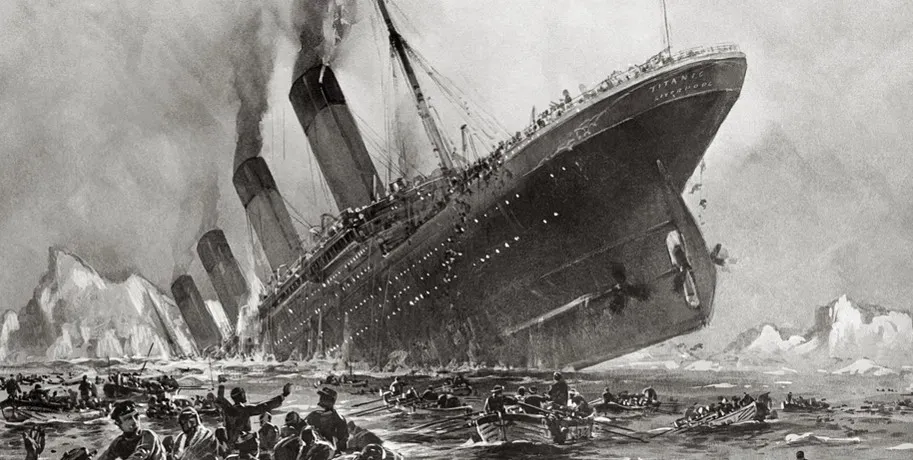
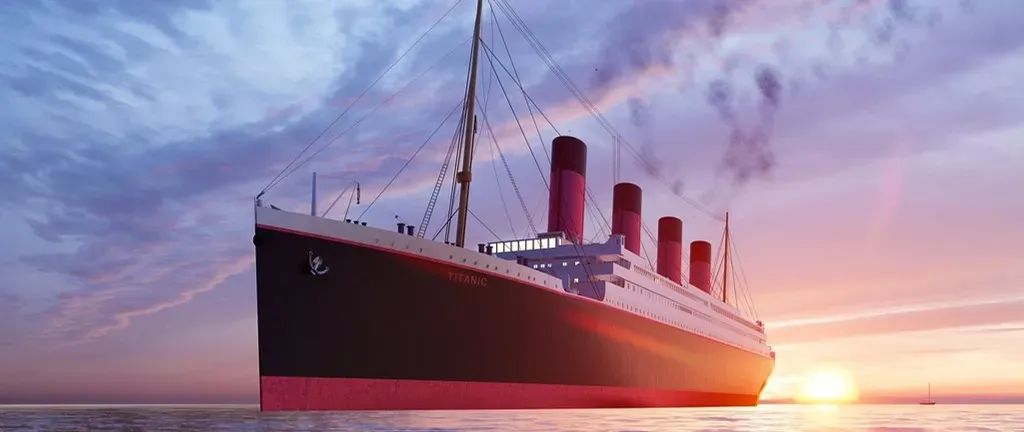
The Titanic was the largest and most luxurious ship of its time, but its maiden voyage ended in tragedy. After striking an iceberg, the “unsinkable” ship sank, killing over 1,500 passengers and crew. The disaster shocked the world and led to major changes in maritime safety. In 2026, this story has every ingredient for a maximum viral event: wealth, hubris, tragedy, survival stories, and a ship that was literally marketed as impossible to sink.
It was especially shocking because the world had followed the construction of the Titanic in newspapers from the beginning, with many people knowing about its size, luxurious amenities, and the details of its maiden voyage. Then, after the ship sank, newspaper audiences read about the Titanic’s survivors, its most famous victims, and the iceberg that sank it. That exact same pre-event hype cycle happens constantly on social media today. The ship would have had an Instagram account. There would have been influencers aboard on press trips. The sinking would have been live-streamed in horrifying real time.
In 1912, the Titanic was called “the unsinkable ship.” When the news that it had struck an iceberg arrived in England, no one was concerned, which made the shock even greater when the news came that it had sunk. Early morning headlines that 1,517 people had died and only 700 survived brought complete shock and disbelief to the entire country. That shift from disbelief to confirmed catastrophe is exactly the arc of a viral news event. The internet would have been frozen in collective grief.
5. The Fall of the Berlin Wall (1989)
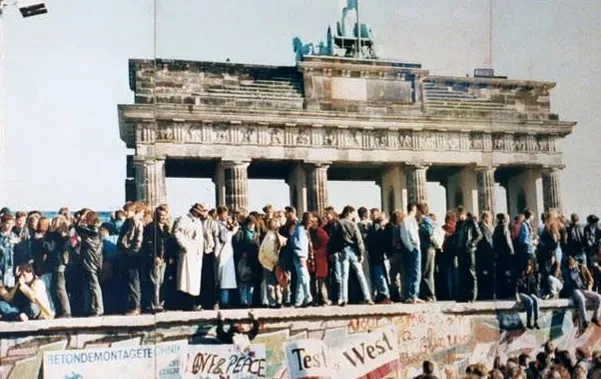
For almost 30 years, the Berlin Wall symbolized the divide between communist East and democratic West. When it was torn down in 1989, it marked the end of the Cold War and the reunification of Germany. The event was a powerful moment of unity and freedom, with images of people breaking the wall becoming instantly iconic. Honestly, this one almost breaks my heart a little, thinking about how it would play online today. It has every element of a world-stopping viral moment.
On November 9, 1989, German civilians began to break the wall down without any interference from government authorities. The Fall of the Berlin Wall represented the end of Communism’s reign of fear across the world. The sight of millions of happy, reunited people tearing down the Berlin Wall was shown on TV screens around the world. In 2026, that footage would have been filmed from every angle by every person in the crowd. Emotional reunion videos would have hit hundreds of millions of views within hours.
The fall of the Berlin Wall was a symbol of hope, freedom, and unity that would send shockwaves through today’s online world. One of the biggest strengths of social media is the speed at which it can disseminate important information to a large number of people in a very short amount of time. That dual power, spreading hope as fast as it spreads fear, would make the Berlin Wall’s fall one of the most shared, most emotional events in internet history. No algorithm would have been able to contain it.
6. The First Live Television Broadcast of a Presidential Address (1947)
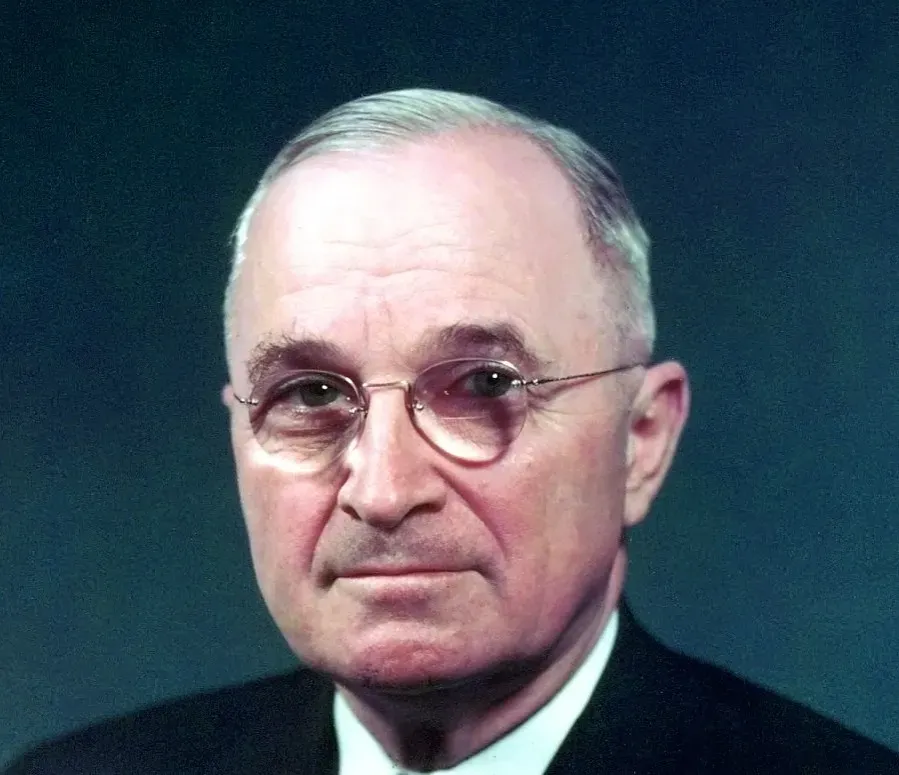
When Harry S. Truman delivered the first presidential address to be broadcast on network television in 1947, the audience watching was relatively tiny by modern standards. Only a fraction of American homes owned television sets. The concept of a sitting leader speaking directly into the living rooms of millions was still fresh, strange, and profoundly powerful. Now imagine that same moment happening on YouTube Live, with a real-time comment stream running beside the president’s face.
A pivotal election gave rise to the “online political user,” with a poll discovering that nearly three quarters of internet users went online during an election to find out the latest news and information. That reality speaks to just how hungry the public is for political content in the digital age. A first-ever televised address in 2026 would be clipped, dissected, memed, and analyzed before the president even finished speaking.
The comments section would have been a battlefield of ideology from the very first second. Political influencers would be live-reacting, pundits would be posting hot takes before the speech was over, and by midnight, parody accounts would have already been born. It would set a new record for simultaneous live viewers. That kind of political theater, amplified by a billion connected devices, is something the world of 1947 simply could not have imagined.
7. The Discovery of Penicillin (1928)
Alexander Fleming’s discovery of penicillin changed medicine forever. This accidental breakthrough became the first widely used antibiotic, saving millions of lives from infections. It revolutionized healthcare, making treatments for once-deadly diseases routine. Penicillin’s impact is still felt today, as it paved the way for modern antibiotics. In the age of social media, the story of how Fleming stumbled upon a moldy petri dish and changed the course of human medicine would be absolutely irresistible content.
Let’s be real: the internet loves a good “accidental discovery” story. The memes practically write themselves. “Man leaves lab for vacation, comes back, invents cure for infection that has killed humans for centuries.” That tweet alone would have tens of millions of likes. Science communicators, doctors, and history pages would all be going viral simultaneously covering the same moment from different angles.
The flip side, though? The anti-medicine crowd would have been loud and immediate. Misinformation about penicillin, its side effects, and its origins would have spread in parallel with legitimate celebration. That tension, between the genuine wonder of the discovery and the chaos of a polarized information environment, is exactly what makes this scenario so fascinating and a little unsettling to think about.
8. Woodstock (1969)
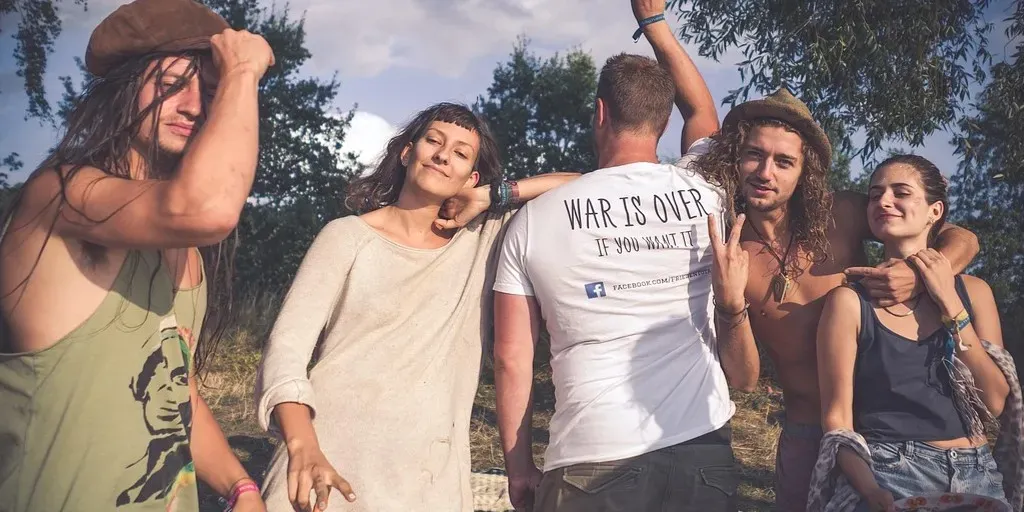
If Woodstock happened today, it would be the ultimate viral festival, with livestreams bringing every muddy, magical moment to life for millions who couldn’t be there. Influencers would vlog their experiences, from backstage passes to tent mishaps, making followers feel like part of the crowd. Music threads would explode with clips of legendary performances, while hashtags like #Woodstock and #PeaceAndLove would trend for days. It is hard to even quantify how massive this would be.
Think of it as Coachella multiplied by ten, with the emotional stakes of a genuine cultural revolution behind it. Every performance would be clipped, shared, and debated. Fashion content creators would be going wild. Peace-movement activists would use every platform available to amplify the message of the festival, and brands would be desperately scrambling to attach themselves to the moment.
Fashion bloggers would analyze every outfit, creating new trends as quickly as they appeared on stage. Debates about activism, freedom, and the meaning of music would fill comment sections, echoing Woodstock’s original spirit. The world would watch, listen, and join in, making the festival a truly global event. In 1969, roughly 400,000 people attended in person. In 2026, it is not an exaggeration to say that hundreds of millions would tune in virtually. Nothing would be more purely, chaotically human.
9. The Titanic’s SOS Signal Goes Viral: The Hudson River Plane Crash Precedent
A witness wrote “There’s a plane in the Hudson, I’m on the ferry going to pick up the people. Crazy.” Her historic tweet was accompanied by a photo which may have been the world’s first image of a New York airplane crash. Fifteen minutes before media got wind of the story, she had already tweeted “I just watched a plane crash in the Hudson.” This real 2009 moment tells us everything we need to know about how the internet handles breaking tragedy. Eyewitness content reaches the world before journalists even get their boots on.
Now transplant that dynamic to April 15, 1912. Passengers aboard the Titanic had access to radio, one of the most advanced communication technologies of their day. But imagine if those same passengers had smartphones. The first SOS posts would go out within minutes of impact. Someone would be filming the iceberg collision from their cabin window. Someone else would be posting from a lifeboat, crying, watching the ship go under.
It’s almost too much to think about. The raw, unfiltered human emotion would reach billions of people in real time. Rescue efforts would be coordinated through social platforms. Social media has already proven itself capable of mobilizing mass donations, with users able to text donations to aid relief efforts, resulting in millions raised in just a few days after major disasters. The Titanic would have sparked the largest digital charity response in history.
10. The Assassination of Archduke Ferdinand’s News Spreads: The Social Media Speed Test

A tech expert in Pakistan was actually live-tweeting the Navy SEAL raid that led to the death of Osama Bin Laden without even realizing it. He sent out the news nine hours before it hit the mainstream media. This is the clearest modern example we have of how citizen witnesses now outpace every traditional media institution on earth. History’s biggest turning points, had they happened today, would have been broken by regular people, not journalists.
Newspaper headlines about the assassination of Archduke Franz Ferdinand certainly couldn’t have predicted how the aftermath of the murder would lead to the widespread violence of World War I. Famous headlines are something of a rough draft of history, but they also capture the immediacy of a moment, the thrill or tragedy of a major world event. In 2026, those rough drafts would be written by anonymous users and timestamped to the second. The power would be both thrilling and terrifying.
I think this is the chapter of this thought experiment that haunts me the most. The speed of information in 1914 gave diplomats weeks to respond, to blunder, to escalate, but also to try to de-escalate. Today, public opinion would form within hours. Governments would feel pressure to respond before they had even verified the facts. The comments section of history might not have been kind to the world’s chances of avoiding war. It’s hard to say for sure, but the stakes would have been staggeringly high.
Conclusion
History’s greatest moments share one thing in common: they all happened in a world that was not quite ready for them. The Moon landing, the Wright Brothers’ flight, the fall of the Berlin Wall, all of these events rippled outward through slow-moving information systems. They gave the world time to breathe, process, and respond. The internet does not give us that luxury.
Today, the moment something happens, users flood social media timelines with takes, feelings, and opinions. Those debates evolve into think pieces from journalists across the media sphere, taking over the news cycle. Before we know it, another culturally significant event has taken place. That relentless cycle is both the power and the peril of our connected world.
The past was messy, slow, and imperfect, but it had a rhythm. Our world runs at a different tempo entirely. Knowing that, the real question isn’t what these events would have looked like online. It’s whether the internet, for all its reach and speed, would have made any of them better. What do you think? Let us know in the comments.