There’s a curious thing that happens when you walk out of a movie theater feeling vaguely underwhelmed, then spend the rest of the week with the film’s music stuck in your head. The story on screen didn’t quite land, but the music somehow did. It found the emotion the screenplay couldn’t reach, or captured a mood the direction only approximated.
A soundtrack can make a film. The right music can elevate a picture, set the correct tone, and guide viewers toward the right mood. The right song can turn an ordinary movie scene into an iconic and memorable moment. These fifteen soundtracks did all of that and more. They told their stories more clearly, more honestly, or more vividly than the films themselves ever managed.
1. Saturday Night Fever (1977)
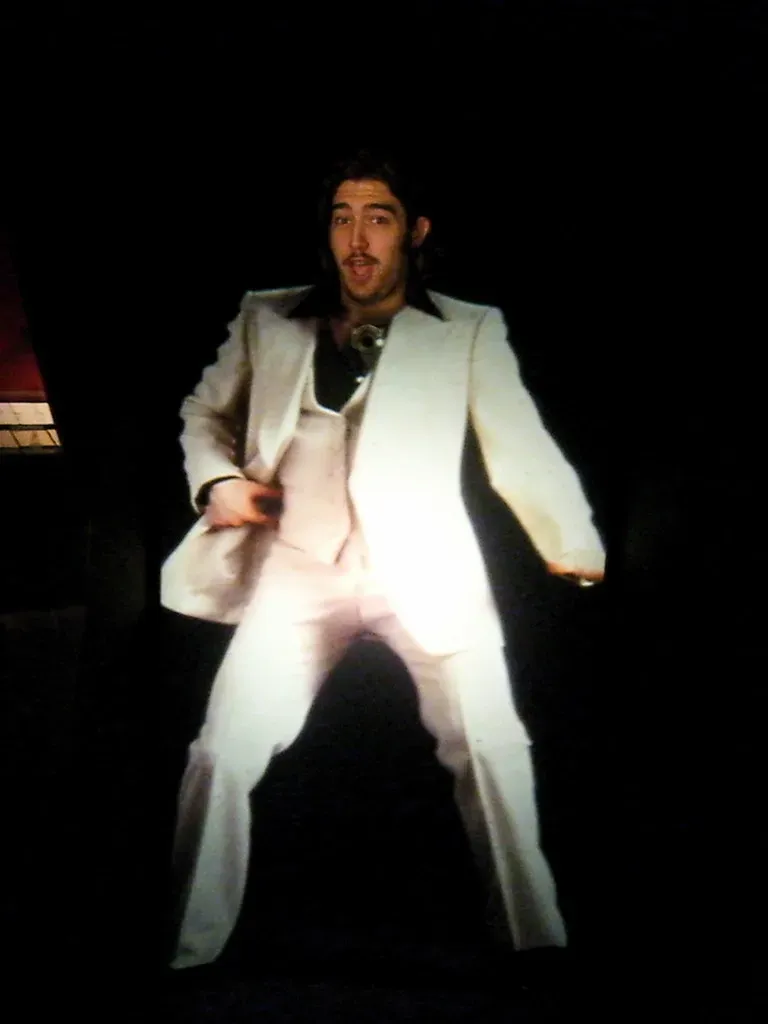
The Saturday Night Fever soundtrack, composed and performed primarily by the Bee Gees, is the second best-selling soundtrack album of all time, after the soundtrack to The Bodyguard. The film itself is a gritty, sometimes grim portrait of dead-end Brooklyn life, but the music transformed it into something euphoric and timeless. The soundtrack includes the Bee Gees’ “Stayin’ Alive” in the movie’s opening credits, playing while John Travolta struts down a city street in one of the most famous movie openers of all time.
Saturday Night Fever had a large cultural impact in the United States. The Bee Gees had originally written and recorded five songs for the film, including “Stayin’ Alive,” “Night Fever,” “How Deep Is Your Love,” “More Than a Woman,” and “If I Can’t Have You.” Interestingly, the Bee Gees weren’t even involved in the movie at the beginning. As John Travolta noted, he was originally dancing to Stevie Wonder and Boz Scaggs during production. Their late addition to the film may have saved it from obscurity.
2. The Bodyguard (1992)
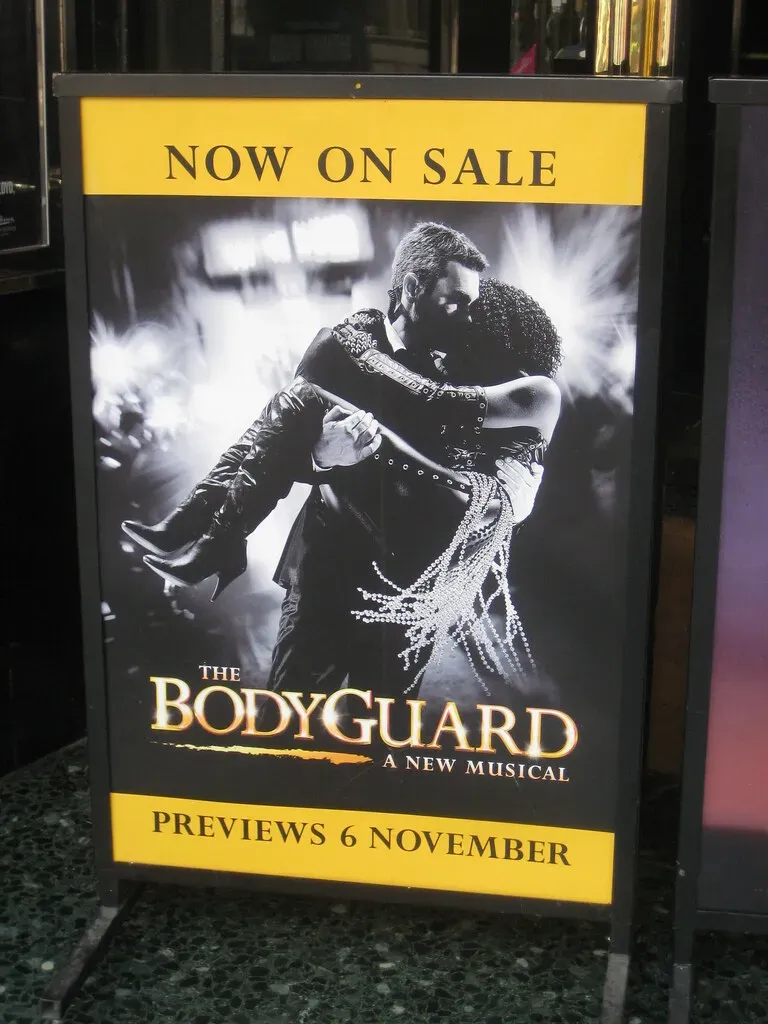
The movie itself was tepidly received by critics, but the Whitney Houston-fronted soundtrack is one of the best-selling albums ever, with 45 million copies sold worldwide. The film stars Houston alongside Kevin Costner in a romance that critics found formulaic, yet the music told a far more emotionally complete story. Houston’s “I Will Always Love You” topped the Billboard Hot 100 for a then-record 14 weeks and won two Grammys, including Record of the Year and Best Pop Vocal Performance.
Houston’s rendition of the Dolly Parton-penned ballad “I Will Always Love You” received much of the attention, but the Grammy-winning album also features hits like “I’m Every Woman,” “I Have Nothing,” and “Run to You.” Where the film leaned on clichés, the music reached something genuine. The Bodyguard holds the title of greatest-selling soundtrack album of all time, with 17 million copies sold in the US and over 42 million copies worldwide.
3. Pulp Fiction (1994)
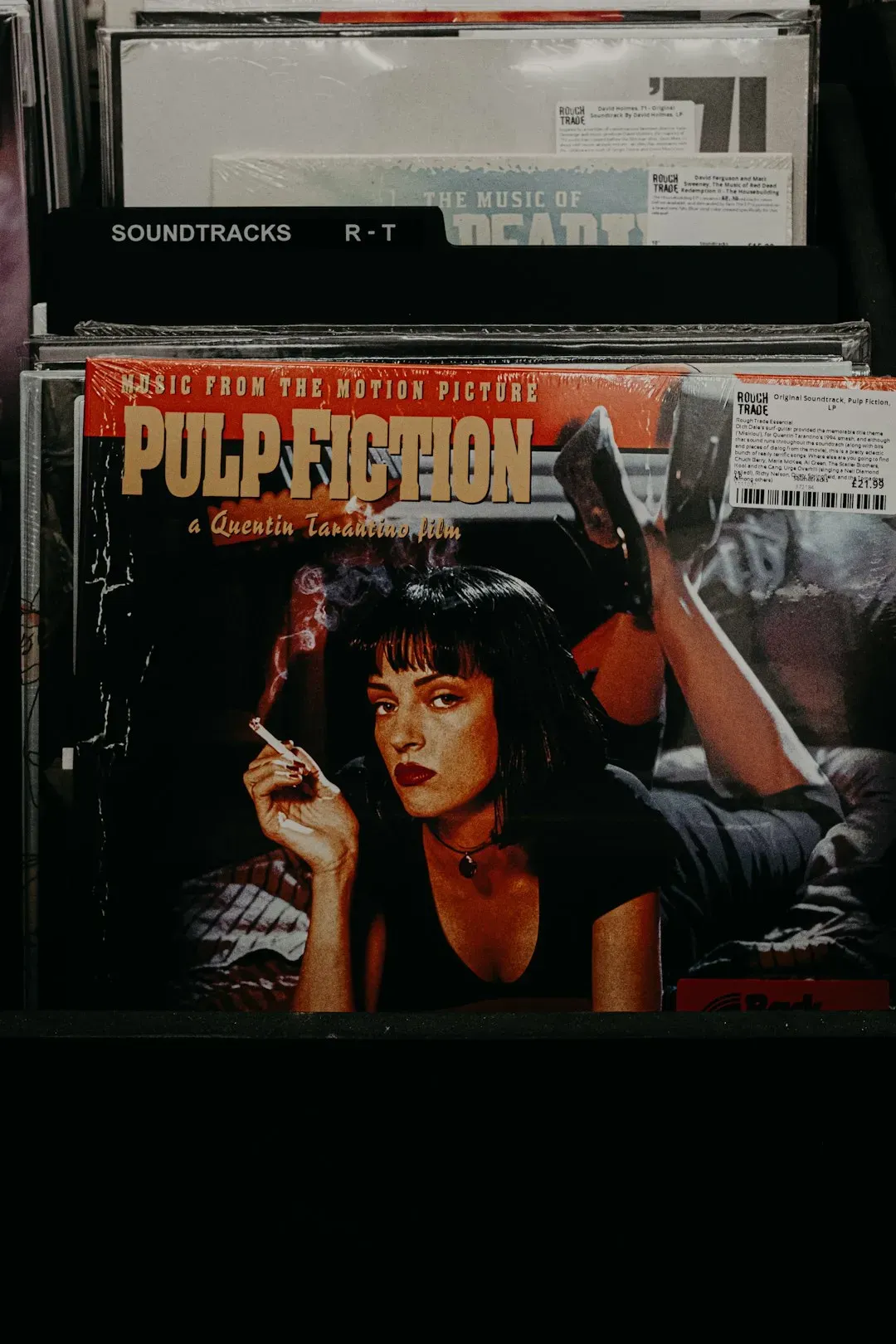
Pulp Fiction’s eclectic soundtrack is a blend of surf rock, pop, and soul, featuring legends like Chuck Berry, Dick Dale, and Dusty Springfield. Compiled by Quentin Tarantino, it redefined the art of film music, reaching the top 25 on the Billboard 200 and selling over 2 million copies in the US. Tarantino’s knack for pairing unlikely songs with specific scenes created something that transcended the film’s already stylized violence and nonlinear structure.
Tracks like “Girl, You’ll Be a Woman Soon” by Urge Overkill appear alongside Chuck Berry’s “Never Can Tell,” which instantly brings to mind the dance contest scene between Vincent and Mia Wallace, making Uma Thurman’s character more interesting and multi-dimensional. Because of the eclectic variety of music, Pulp Fiction’s soundtrack has been called one of the best movie soundtracks to listen to like a mixed tape, which is exactly what Tarantino had in mind.
4. Dirty Dancing (1987)
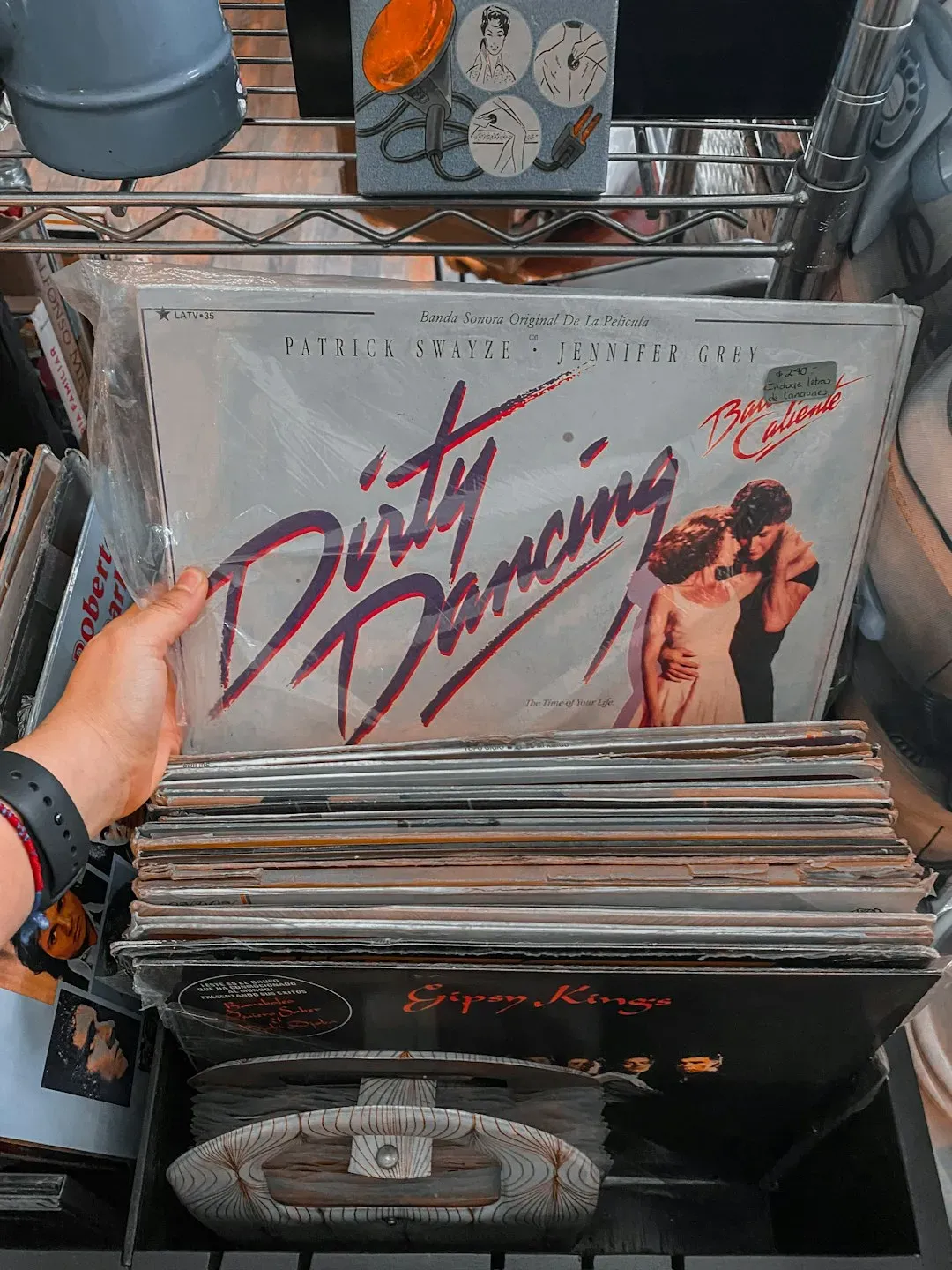
The iconic Dirty Dancing continues to be celebrated decades after its release. It has an incredibly simple story: a young girl falls in love with a hunky dance instructor, their personalities clash, and their relationship grows as they overcome obstacles. The script trades on its own simplicity, but the music does something richer. The album spent 18 weeks at number one on the Billboard 200 in 1987, and its closing number became the subject of many a reenactment, with varying success.
Patrick Swayze and Jennifer Grey starred in this coming-of-age tale, and “(I’ve Had) The Time of My Life” by Franke Previte, John DeNicola, and Donald Markowitz won an Oscar for Best Original Song. The soundtrack was such a big hit that a second album of songs from the film, More Dirty Dancing, was released. The music carries the film’s emotional core long after the plot’s details fade from memory.
5. Purple Rain (1984)
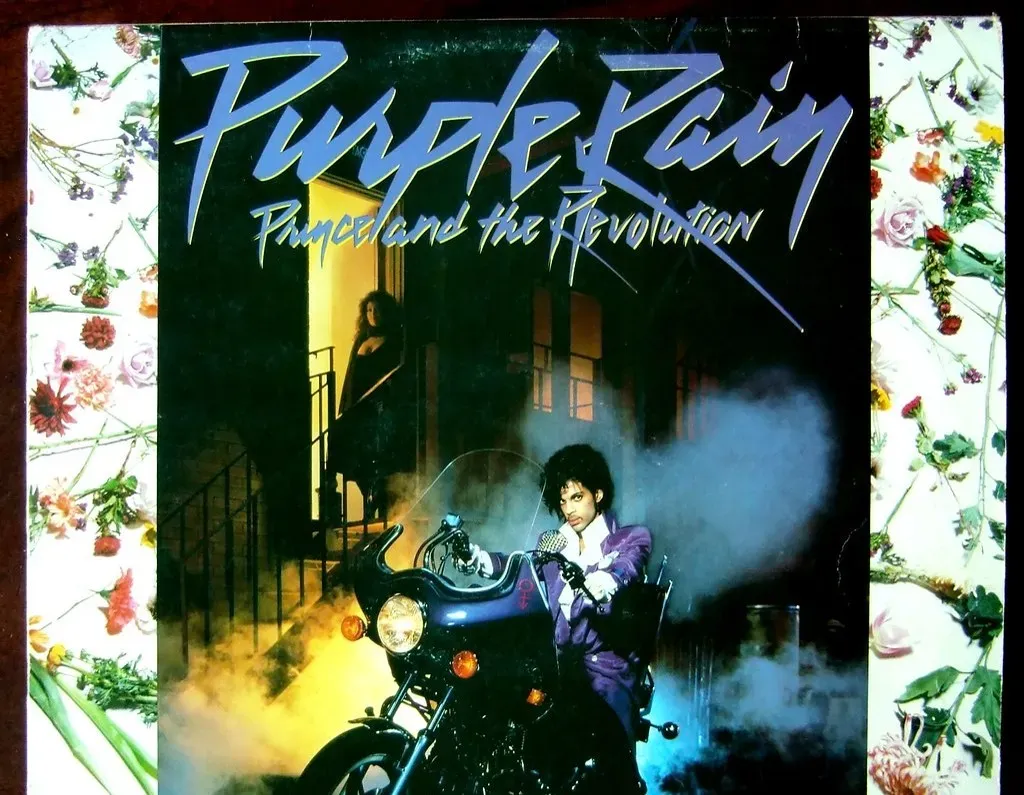
Prince’s stellar semi-autobiographical drama plays out like a musical, and it’s arguably his best album. The songs help tell the story of a talented yet complex young man making his way through life and love. The film’s acting was uneven, and the plotting sometimes thin, yet the album worked differently. The soundtrack to Prince’s semi-biographical film was certified 13 times platinum, sold 13 million copies, and is widely considered his greatest work.
Some may not even realize the far more celebrated album is even a soundtrack to the film, and there’s a good reason why the album is more fondly remembered today. From the opening bars of “Let’s Go Crazy” to the emotional title track performance to the “Baby I’m a Star” finale, “Purple Rain” ranks among the best soundtracks ever made. It remains one of those rare cases where the music genuinely overwhelmed and outlasted everything around it.
6. Drive (2011)
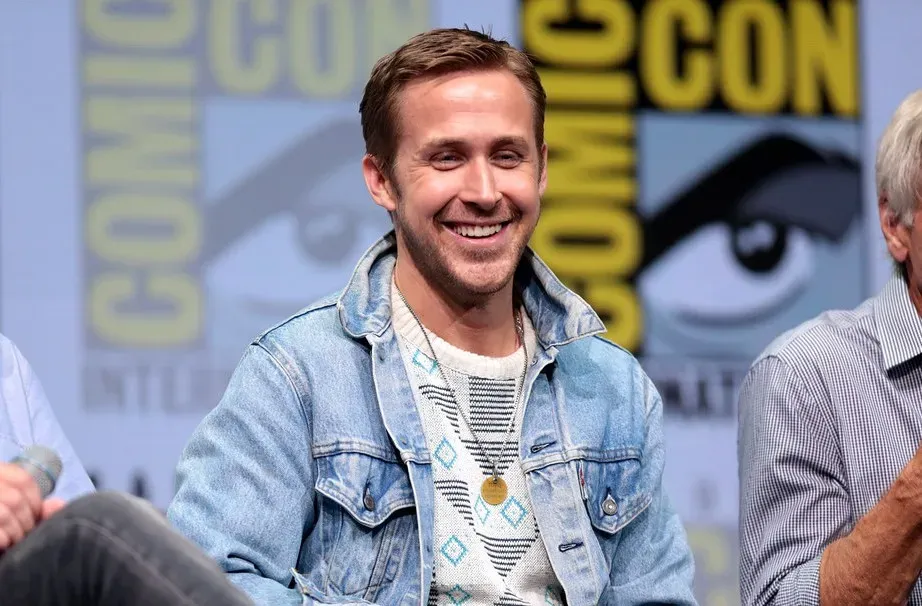
Starring Ryan Gosling and Carey Mulligan, Drive sports a retro synth-pop score. The soundtrack was composed by Johnny Jewel and Cliff Martinez, though most of Jewel’s music was left out of the final soundtrack. Drive was directed by Nicolas Winding Refn, who is known for dousing his films in neon lighting and unique cinematography, which matched the synth soundtrack perfectly.
Perhaps the most well-known aspect of the soundtrack is the opening song, “Nightcall” by the French electronic musician Kavinsky, which plays behind the opening credits and title card. While some critics can’t get behind Drive for its violence and plot, there’s no denying that the soundtrack elevates it where it might fail elsewhere. The synth-drenched atmosphere built a world more vivid than the sparse screenplay alone could have conjured.
7. O Brother, Where Art Thou? (2000)
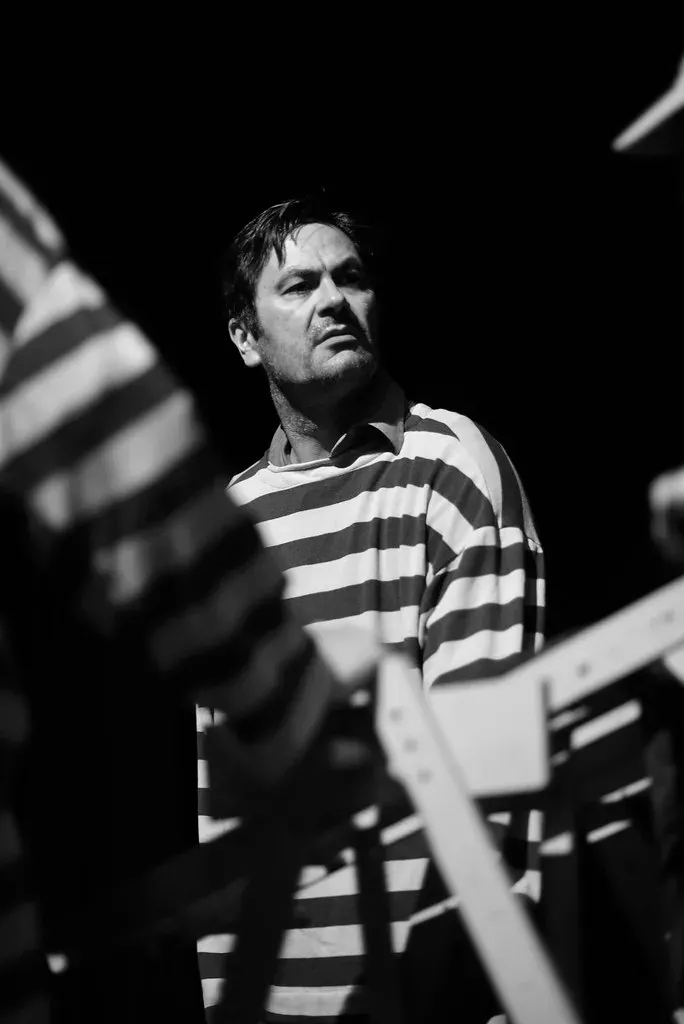
In December 2000, the film O Brother, Where Art Thou? and its accompanying soundtrack put bluegrass and traditional country music in the pop culture spotlight. The Coen Brothers’ satirical comedy-drama about three Great Depression-era chain gang escapees, loosely based on Homer’s Odyssey, prominently features the music of Alison Krauss, Ralph Stanley, and many others. The film’s comedy sometimes struggles to sustain itself, but the music never falters.
The soundtrack won a Grammy Award for Album of the Year in 2002. Produced by T-Bone Burnett, the soundtrack was a smash, eventually racking up platinum certification eight times. It earned four major Album of the Year honors, and its Ralph Stanley cut, “O Death,” received Best Male Country Vocal Performance at the Grammy Awards. The music rewired the cultural conversation around American roots music for an entirely new generation.
8. Juno (2007)

After thinking about what Juno would listen to, director Jason Reitman sent the screenplay to musician Kimya Dawson. Dawson sang tracks on her own and with her bands Antsy Pants and The Moldy Peaches. Reitman also contacted Mateo Messina, who composed “the sound of the film” based on Dawson’s work. The film itself divided critics on its quirky affectations, but the lo-fi, intimate soundtrack cut through every reservation.
Partner offer
Without Dawson’s contributions, Juno wouldn’t be what it is. Other music used in Juno includes “A Well Respected Man” by The Kinks, Sonic Youth’s cover of “Superstar” by The Carpenters, and Barry Louis Polisar’s “All I Want Is You.” Juno’s soundtrack is one of the most identifiable and iconic movie scores of the 2000s. The music mapped the film’s emotional logic in ways the dialogue sometimes strained to reach.
9. Almost Famous (2000)

Cameron Crowe is a director with impeccable musical taste, and his soundtracks are usually of very high quality. While Almost Famous may be his most iconic movie, the soundtrack boasts an incredible range of names, including Radiohead, R.E.M., and Bob Dylan, alongside some of Crowe’s personal choices like the Red House Painters and Jeff Buckley. The film itself is largely autobiographical, and it’s solid, but the music acts as its true nervous system.
Almost Famous is a soundtrack album released in 2000 alongside the film. It was awarded the 2001 Grammy Award for Best Compilation Soundtrack Album for a Motion Picture, Television or Other Visual Media. That Grammy was well earned. The collection captures 1970s rock culture with a warmth and specificity that even the film’s best scenes struggle to match consistently.
10. Vanilla Sky (2001)
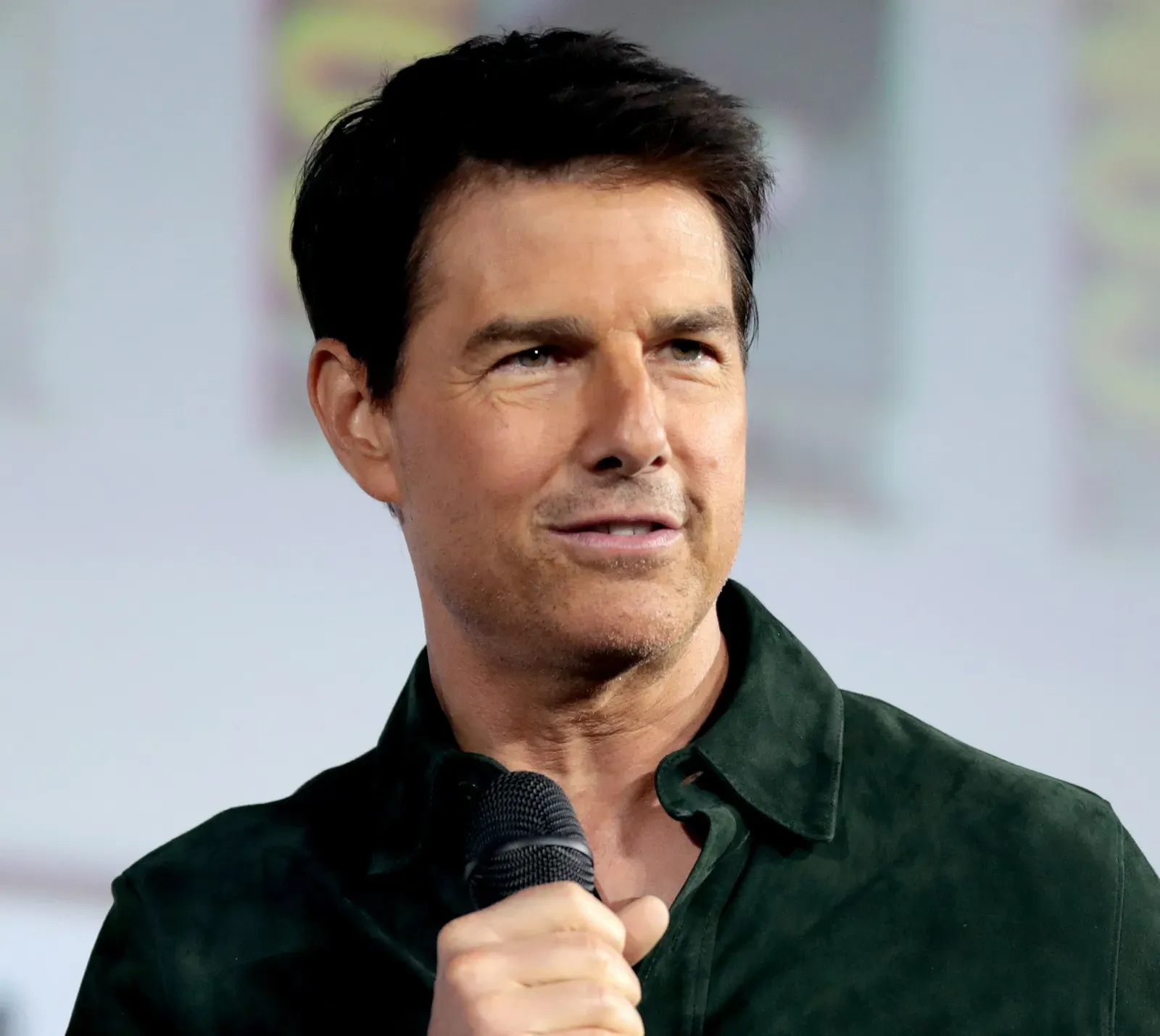
Vanilla Sky boasts a stellar soundtrack accompanying what was a severely underwhelming Tom Cruise-fronted movie. The soundtrack features some of the biggest and most respected names in music, including Radiohead, R.E.M., and Bob Dylan, alongside Crowe’s personal choices. He even convinced an ex-Beatle to record the title track and got Sigur Rós to offer an at-the-time unreleased track for the film’s closing sequence.
The Vanilla Sky soundtrack is a landmark album featuring new material by such legendary artists as Paul McCartney and R.E.M., as well as key tracks from Radiohead and acclaimed Icelandic band Sigur Rós. Critics largely dismissed the film as a confused remake of the Spanish original Abre Los Ojos, but the music created a coherent emotional landscape that the screenplay kept abandoning. The contrast between the two is almost startling.
11. Forrest Gump (1994)
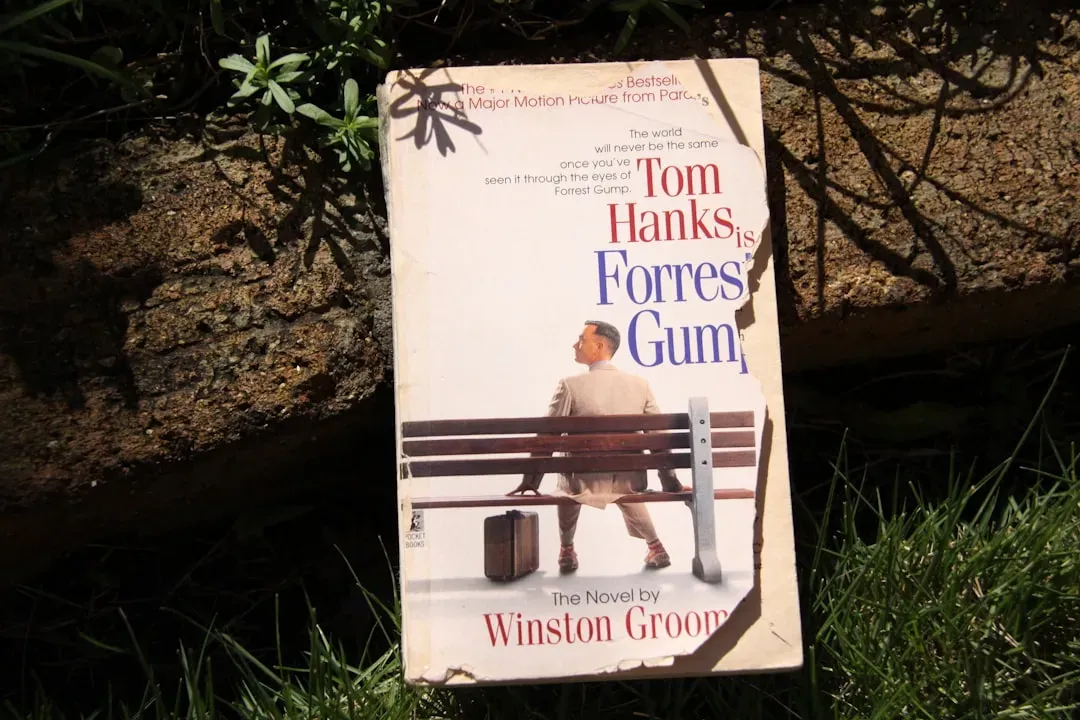
Forrest Gump has a soundtrack that, much like the film, travels through many significant time periods in history. With music from Elvis Presley, Lynyrd Skynyrd, and The Doors, the soundtrack follows Forrest as he ages in a changing America. The film has received considerable re-evaluation over the years, with critics increasingly troubled by its passive politics and sentimentalized view of history.
Forrest Gump has received criticism for various things, including the problematic themes of the movie. As such, the soundtrack may be one of the few aspects of Forrest Gump that truly holds up. The music does something the film cannot quite manage on its own: it renders the period textures honestly, without the screenplay’s selective nostalgia smoothing everything into comfortable myth.
12. Marie Antoinette (2006)
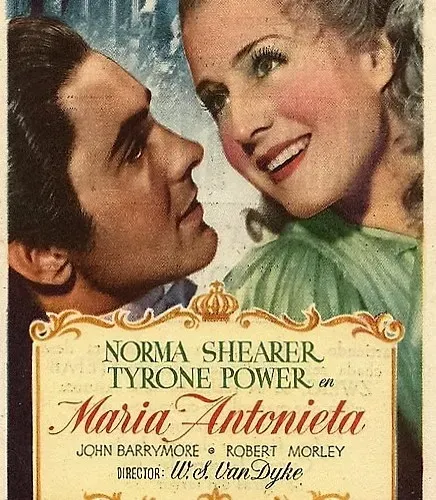
Sofia Coppola had already set a trend for fashionable and enjoyable soundtracks with her previous films, but for her rock-and-roll portrait of the French monarch she went all-out with a two-disc set. Though the film was criticised as a matter of style over substance, it was hard to fault the smorgasbord on offer in the audio department. Coppola’s approach treated the anachronistic music as an argument, not a novelty.
The soundtrack takes in 1980s cult acts such as Bow Wow Wow, Siouxsie and the Banshees, The Cure, and New Order, as well as modern groups such as The Strokes, Aphex Twin, and a return appearance from Air. When it came to the soundtrack, Marie Antoinette let Coppola have her cake and eat it too. The music built the argument that luxury, youth, and isolation are timeless conditions, far more convincingly than the film’s hazy visual style alone ever did.
13. The Mission (1986)
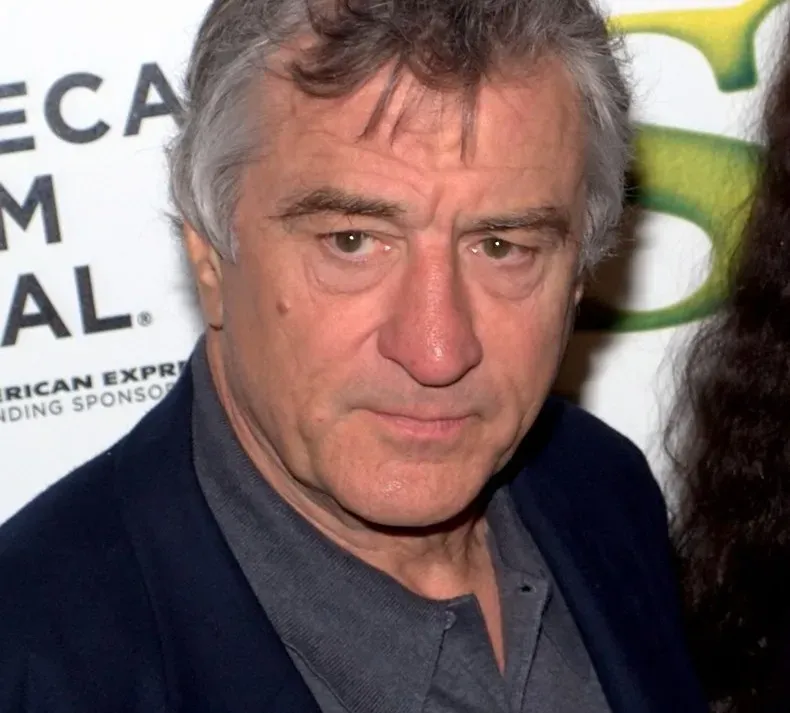
Roland Joffé’s tragic tale of clashing cultures between rapacious Spanish colonisers, the Catholic Church, and South America’s Guaraní people has been firmly outlasted by its music. Ennio Morricone’s score is one of cinema’s greatest. The Italian composer paints with entirely different colours from his classic spaghetti western themes, utilising instruments and choral styles from Europe and Latin America to bring the film’s themes to life.
Morricone’s “Falls” is a haunting high point, while “Gabriel’s Oboe” has emotional power that has even survived its surprising use in various advertising campaigns. The film itself is handsome but uneven, caught between historical epic and moral parable without fully committing to either. The score, by contrast, holds both truths simultaneously and never flinches. It tells the story of colonisation and loss more directly than the screenplay manages.
14. Top Gun (1986)
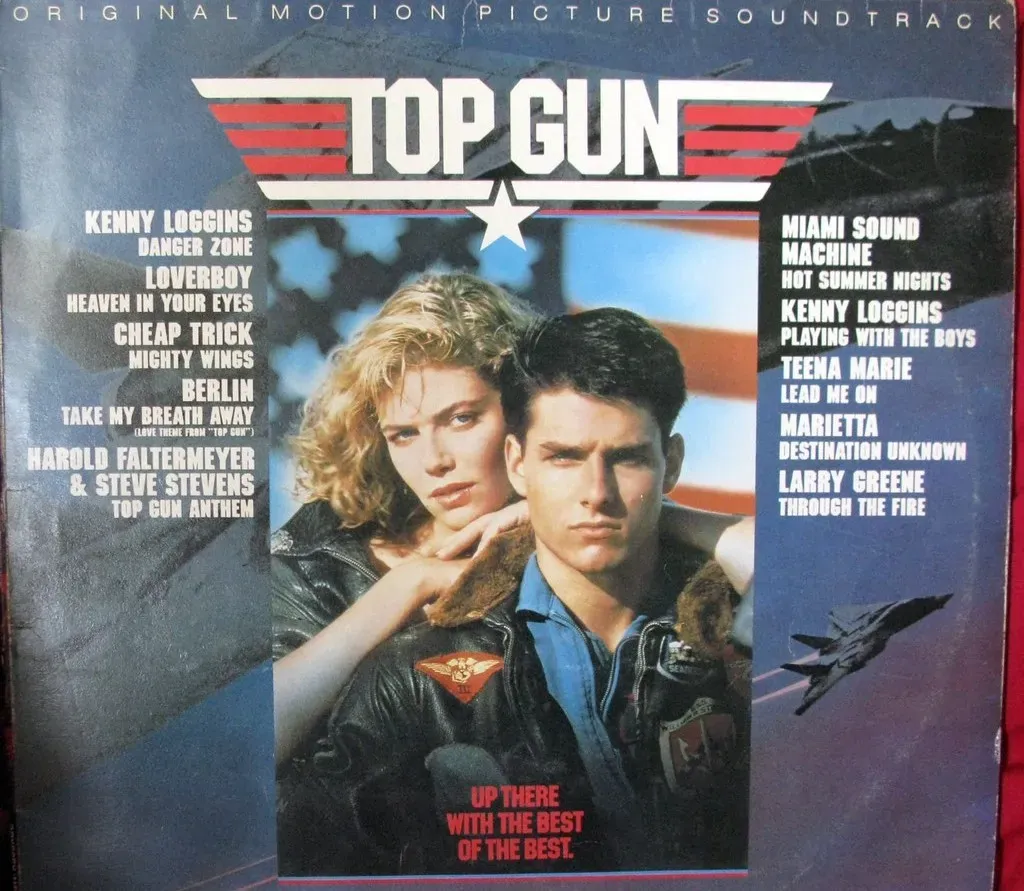
Top Gun was a commercial blockbuster and made Tom Cruise the hottest star on the planet. In a lot of ways, the soundtrack was even more popular. Armed with the Academy Award-winning Berlin hit “Take My Breath Away” and Kenny Loggins’ “Danger Zone,” the film’s soundtrack was a number one smash. The movie itself is a recruitment poster thinly disguised as a drama, with shallow character development and paper-thin stakes.
The soundtrack became a cultural phenomenon upon the film’s release in 1986, with two songs in particular defining both the character of Maverick and the entire decade. Kenny Loggins’ “Danger Zone” peaked at number two and became synonymous with high-octane action sequences, perfectly capturing the film’s adrenaline-fueled spirit. Berlin’s “Take My Breath Away” spent one week at number one and won the Academy Award for Best Original Song. The music told the emotional story the film merely gestured toward.
15. Inside Llewyn Davis (2013)
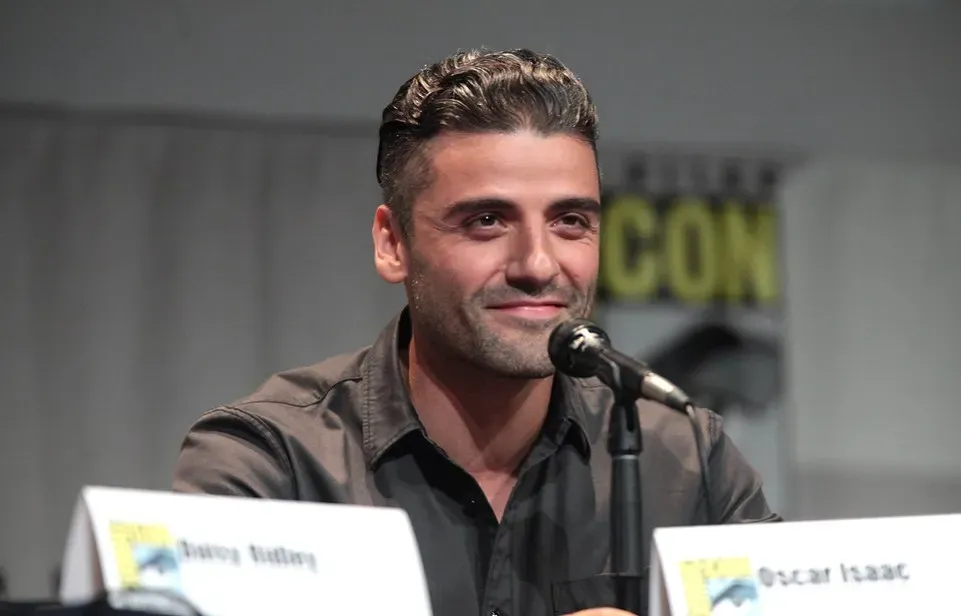
Inside Llewyn Davis follows a struggling folk musician navigating New York’s Greenwich Village in the early 1960s. Broke, aimless, and out of sync with the world around him, Llewyn wanders from couch to couch, guitar in hand, clinging to his art even as it drags him into obscurity. The Coen Brothers structure the film like a folk ballad: circular, haunting, and unresolved.
T Bone Burnett’s supervision of the soundtrack ensures that every performance feels raw and immediate, often recorded live. The highlight comes when Llewyn performs “The Death of Queen Jane” in front of a record producer. The song, mournful and ancient, captures Llewyn’s essence: talented, aching, yet doomed by his inability to adapt. The music’s circular structure mirrors the film’s plot so precisely that the two become inseparable, though the soundtrack stands on its own as a document of a lost American musical moment most audiences had never encountered before.
What connects all fifteen of these soundtracks is not that the films were bad, but that the music reached further. It found clarity where the screenplay hedged, warmth where the direction stayed cool, or depth where the plotting stayed shallow. Composers and music supervisors use music to reinforce narrative elements, highlight key moments, and convey the emotional undertones of a scene. In many cases, the music becomes a character in its own right, driving the story forward and adding depth to the narrative. Sometimes that character is simply more compelling than the ones on screen.
Partner offer
Planning a trip to Vegas?
Compare hotel rates and show tickets on VEGAS.com.