



When we think about extreme wealth today, names like Elon Musk naturally come to mind. As of January 2026, Musk’s net worth sits at roughly $682 billion according to Bloomberg Billionaires Index, with Forbes estimating it closer to $779 billion. Yet throughout history, certain rulers controlled such vast empires and resources that their wealth would make modern billionaires look modest by comparison. These monarchs and emperors didn’t just accumulate personal fortunes – they commanded entire economies, controlled global trade routes, and owned lands that stretched across continents. Their wealth was measured not in stocks or companies, but in gold mines, kingdoms, and the very labor of millions of subjects.
Mansa Musa of Mali – The Gold Emperor Who Broke Economies

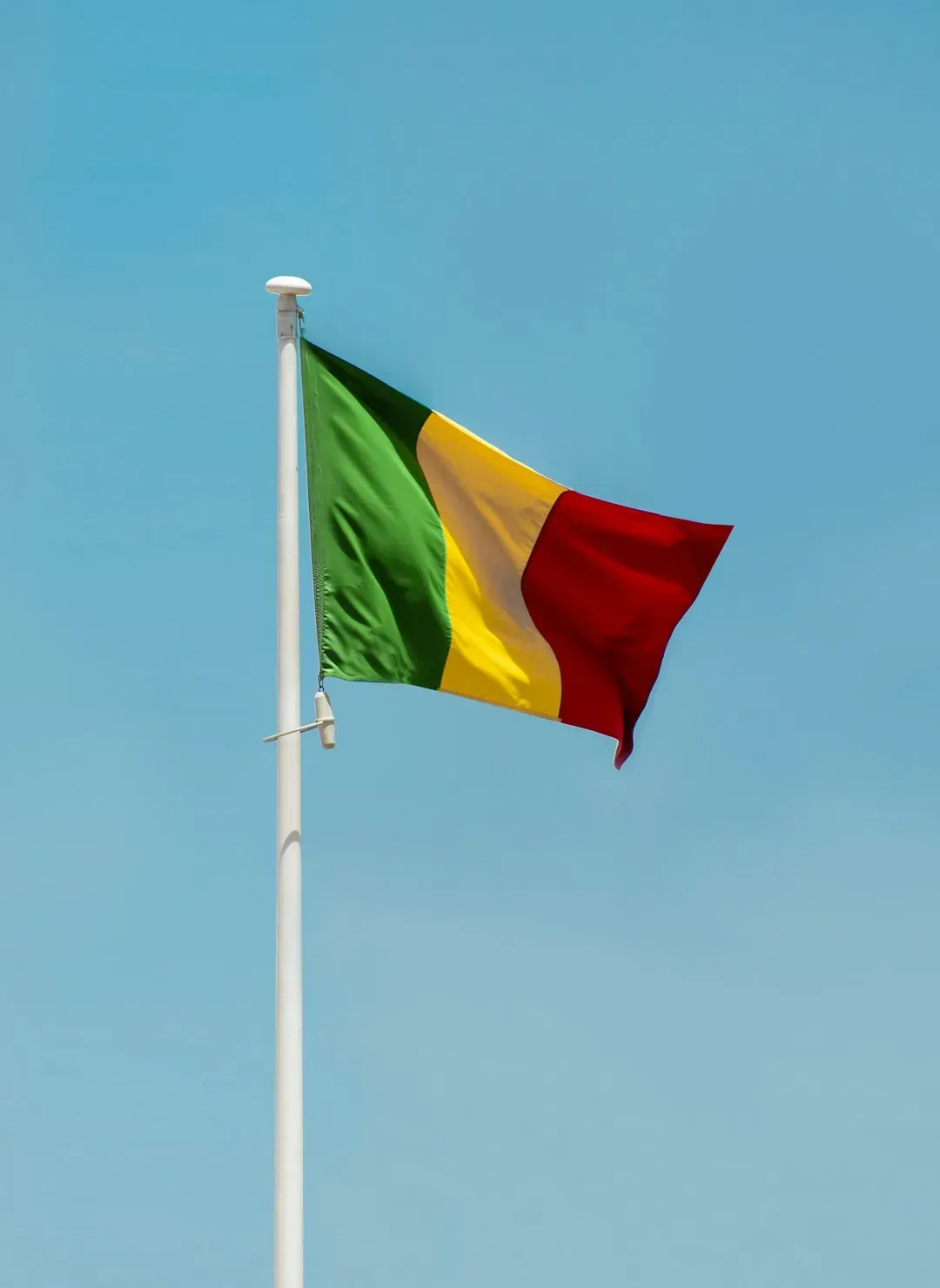
Mansa Musa I of Mali, who ruled from 1312 to 1337, is widely considered to be the wealthiest person in history. His wealth came principally from the Mali Empire’s control and taxing of the trade in salt from northern regions and especially from gold panned and mined in Bambuk and Bure to the south. The Mali Empire controlled vast gold reserves and strategic trade routes that made it one of the most powerful economic forces in the medieval world. His riches came from mining significant salt and gold deposits in the Mali kingdom, with elephant ivory as another major source of wealth.
Musa went on Hajj to Mecca in 1324, traveling with an enormous entourage and a vast supply of gold, which was noted as a lavish display of power and wealth unprecedented by its size and pageantry. In an extreme gesture of largesse, Mansa Musa gave away so much gold and his entourage spent so much shopping in the markets of Cairo that the value of gold dinar crashed by 20 percent in relation to the silver dirham. This economic disruption from a single pilgrimage demonstrates wealth on a scale that modern markets have never witnessed. The gold market in Cairo took twelve years to recover from his generous spending.
Augustus Caesar – The Emperor Who Owned Egypt

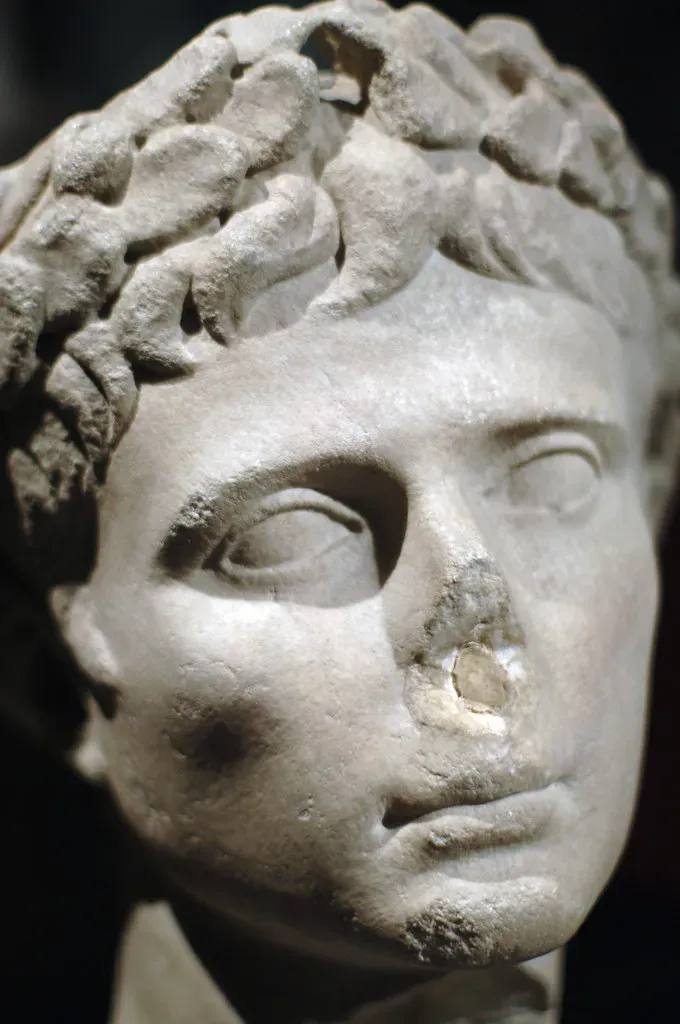
Stanford professor Ian Morris claimed that Augustus was the sole owner of Egypt and was in charge of the Roman Empire which accounted for around 25 to 30 percent of the world’s economic output, with Augustus owning 20 percent of the Roman Empire’s economic output at one time. His victory over Mark Antony and Cleopatra at the Battle of Actium in 31 BCE was not just a military triumph but marked the beginning of his unchallenged control over the Roman world, handing him Egypt, the wealthiest province in the empire, abundant in grain, gold, and trade routes. This strategic conquest instantly transformed Augustus into one of history’s wealthiest individuals.
Augustus Caesar’s net worth was around $5.8 trillion in 2023 dollars, calculated in 2014 at $4.6 trillion which equates to $5.8 trillion or €5.3 trillion in 2023 dollars. Unlike other Roman territories governed by the Senate, Augustus retained Egypt as his private domain, appointing a personal representative to oversee its administration and bypassing traditional senatorial control. This allowed him to personally benefit from Egypt’s immense revenues, including the grain shipments vital to feeding Rome, granting him both economic power and political leverage. His wealth dwarfs the combined fortunes of several modern tech billionaires.
The House of Saud – Modern Oil Dynasty Worth Trillions


Some estimates of the Royal Family’s wealth put the figure as high as $1.4 trillion, which includes holdings in Saudi Aramco, making them the wealthiest family in the world and the wealthiest in recorded history. The family in total is estimated to comprise 15,000 members, however the majority of power, influence and wealth is possessed by a group of about 2,000 of them. Unlike ancient empires where wealth estimates remain speculative, the Saudi royal family’s fortune is tied directly to measurable assets including the world’s largest oil company and extensive international investments.
The Saudi Royal Family’s wealth is derived from a range of sources, including oil revenues, real estate, investments, and other business ventures. With an estimated net worth of over $1.4 trillion, the family’s wealth surpasses even that of the British royal family, primarily derived from oil revenues as well as investments in various industries. When compared to individual billionaires, the House of Saud’s combined wealth exceeds even Musk’s recent historic valuations by a significant margin. Their control over Saudi Aramco alone represents an asset more valuable than most national economies.
Genghis Khan – Master of the Silk Road

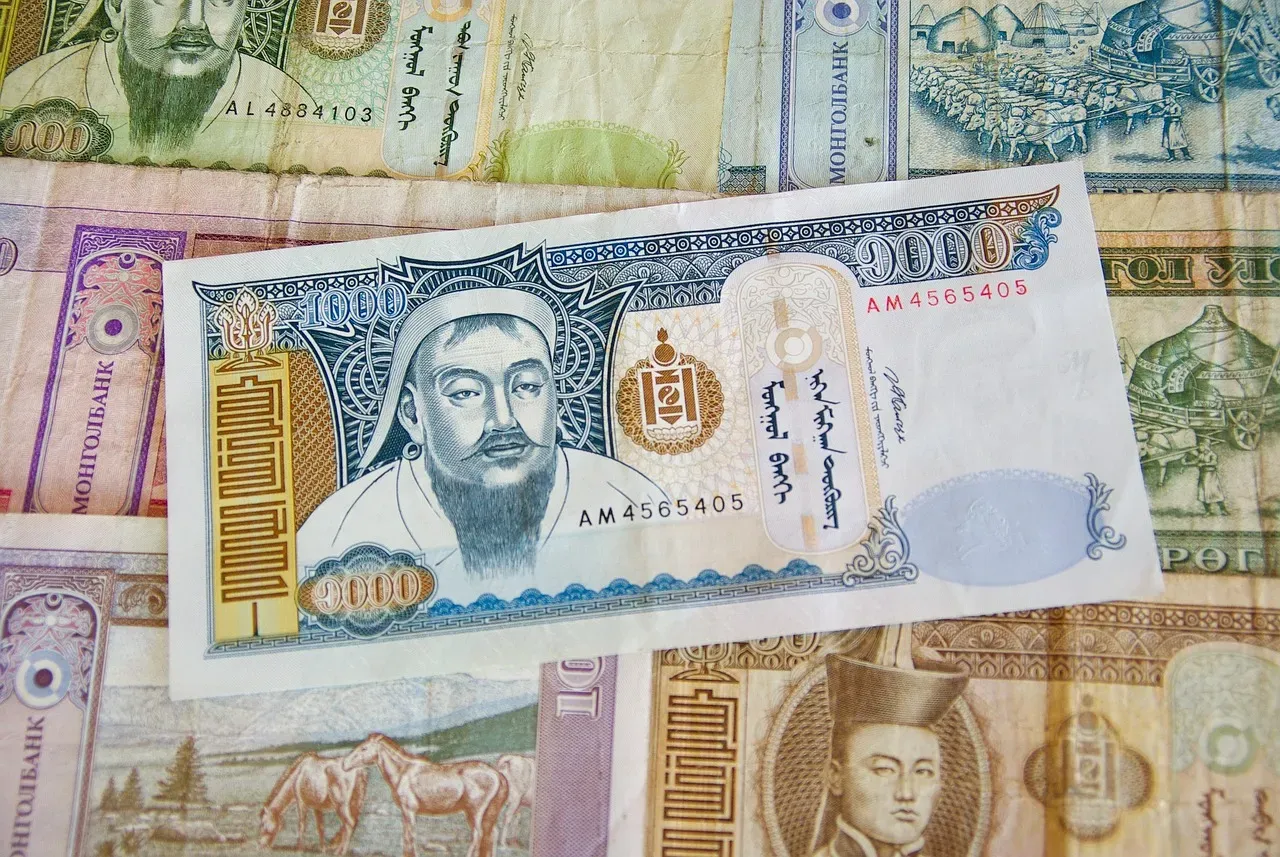
The Mongol Empire emerged from the unification of several nomadic tribes under the leadership of Temüjin, known as Genghis Khan, whom a council proclaimed as ruler of all Mongols in 1206, with the empire growing rapidly under his rule and that of his descendants, connecting the East with the West in an enforced Pax Mongolica. The Silk Road, connecting trade centres across Asia and Europe, came under the sole rule of the Mongol Empire. Rather than hoarding personal treasure, Genghis Khan’s wealth strategy centered on controlling the world’s most valuable trade routes and taxing the commerce that flowed through them.
Marco Polo’s famed trip to China came at the Mongol Empire’s peak in the 13th century, with his passage over the perilous terrain scarcely possible without the system of order, referred to as Pax Mongolica, that the empire had imposed across central Asia. The Mongol unification in 1206 and subsequent peace allowed for trade routes to form through the Mongol Empire, with the Mongols having a history of supporting merchants and trade, and Genghis Khan encouraging foreign merchants even before uniting the Mongols. This created economic influence that extended from the Pacific Ocean to Eastern Europe, generating wealth through tribute, taxation, and control of goods moving between civilizations.
Wealth Versus Power – Understanding Historical Fortunes

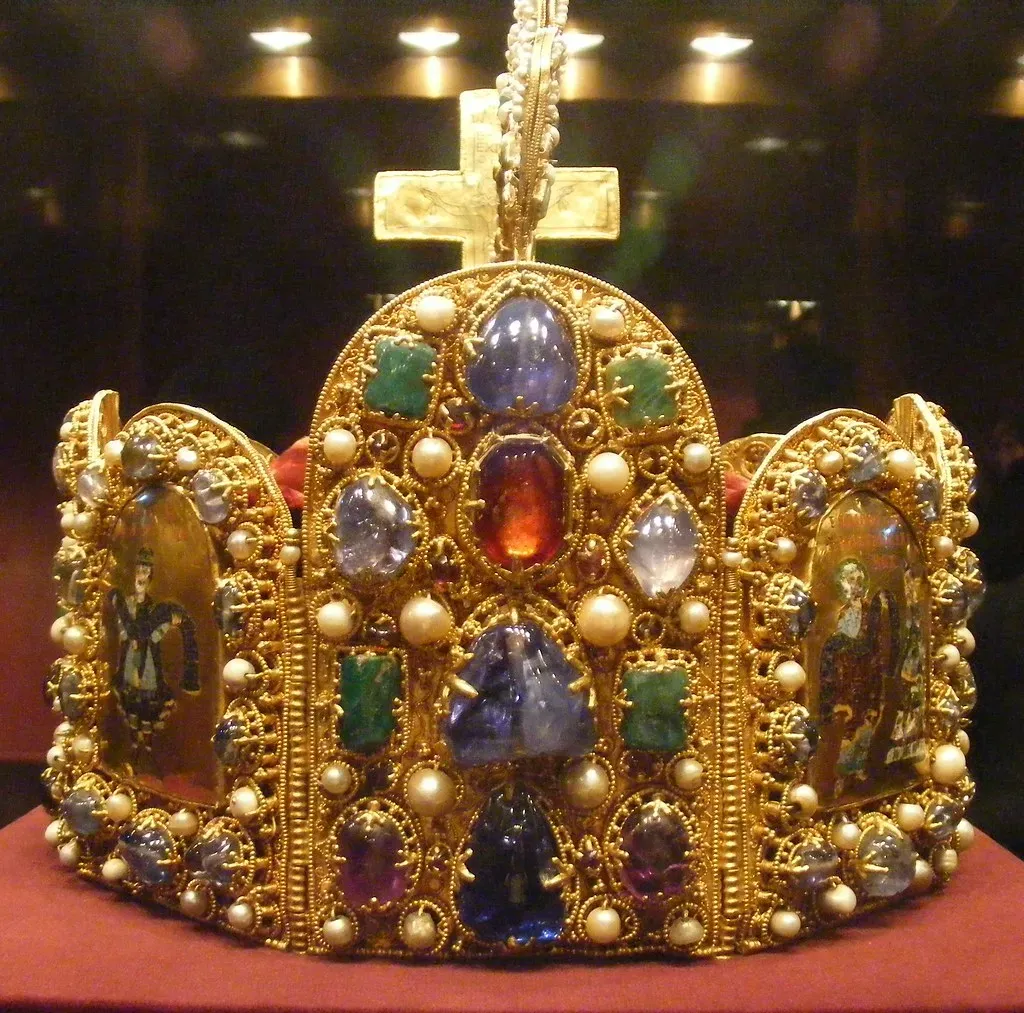
Comparing historical wealth to modern fortunes requires understanding fundamental differences in economic systems. Ancient rulers didn’t hold stock portfolios or liquid assets traded on markets. Their wealth was tied to land ownership, mineral rights, agricultural production, and tribute from conquered peoples. Augustus controlled around 25 to 30 percent of the world’s economic output through the Roman Empire, with personal ownership of roughly 20 percent of that output. This kind of direct control over economic production has no modern equivalent.
Partner offer

Modern billionaires like Musk derive their wealth from company valuations that fluctuate with market sentiment and investor confidence. Their net worth represents potential value rather than direct ownership of physical resources. In contrast, historical rulers possessed absolute control over tangible assets including mines, farmland, ports, and entire populations. When Mansa Musa distributed gold freely during his pilgrimage, he caused actual inflation in regional economies – a demonstration of wealth so concentrated it could destabilize markets simply through generosity.
Roman Economic Dominance Under Augustus


After the assassination of Julius Caesar, Augustus inherited a substantial fortune and political legitimacy, using this foundation to rise swiftly in Roman politics, with his real financial dominance taking shape once he became Rome’s first emperor and sole ruler. Augustus undertook significant reforms to stabilize and expand the Roman economy, streamlining tax collection, reintroducing a stable currency system, and promoting commerce by improving infrastructure and trade routes. These economic reforms generated revenue streams that flowed directly into his personal coffers while simultaneously strengthening the empire.
The personal ownership of Egypt was a critical aspect of Augustus’s wealth, as Egypt was exceptionally rich and fertile, serving as the granary for much of the empire. The peace of the Pax Romana allowed agriculture, trade, and population growth to flourish, and without the financial burden of constant warfare, Rome’s provinces prospered and their wealth enriched Augustus. The strategic genius of converting military victory into sustainable economic systems allowed Augustus to maintain and grow his fortune throughout a reign that lasted over forty years.
Oil Wealth and Modern Royal Fortunes

Since the discovery of oil in the 1930s, the wealth of the Saudi royal family has been anchored in oil revenues. Saudi Aramco, the world’s largest state-controlled oil company, has fueled the royal fortune through this liquid gold, with these oil revenues funding not only opulence but also government initiatives. The scale of Saudi oil reserves and production capacity gives the House of Saud influence over global energy markets and economies in ways that parallel how ancient emperors controlled critical trade routes or strategic resources like gold and grain.
The House of Saud is reportedly worth $1.4 trillion, with the royal family numbering in the thousands and many members enjoying immense wealth derived from oil profits, land holdings, and international investments, unlike ceremonial monarchies having absolute political and financial power. Individual members like Crown Prince Mohammed bin Salman possess personal assets including superyachts worth hundreds of millions, French palaces, and the world’s most expensive painting. This combination of state and personal wealth concentration mirrors the ancient model where rulers made little distinction between treasury and personal fortune.
Trade Routes as Sources of Imperial Wealth


As a result of the Mongol Empire, international trade was born on a level never seen before, with valuable spices, tea, Asian artworks and silk heading west to merchants in the Middle East and Europe, while gold, medical manuscripts, astronomical tomes and porcelain headed east to Asia. Pax Mongolica connected Europe and China, leading to exchanges of technology and culture, with these direct contacts being a wholly new phenomenon that had not occurred before, as there is no evidence of direct trade between Europe and China prior to this period. Control of these routes generated enormous tribute and taxation revenue.
Each new conquest acquired new trade routes and the opportunity to control taxation and tribute. Genghis decreed religious freedom and supported domestic and international trade, exempting the poor and the clergy from taxation. This enlightened economic policy encouraged merchant activity throughout the empire, creating a prosperous trading environment where the ruling family collected taxes on unprecedented volumes of commerce. The infrastructure investments in postal systems, protected roads, and standardized laws created economic benefits that compounded over generations.
Comparing Ancient and Modern Fortunes

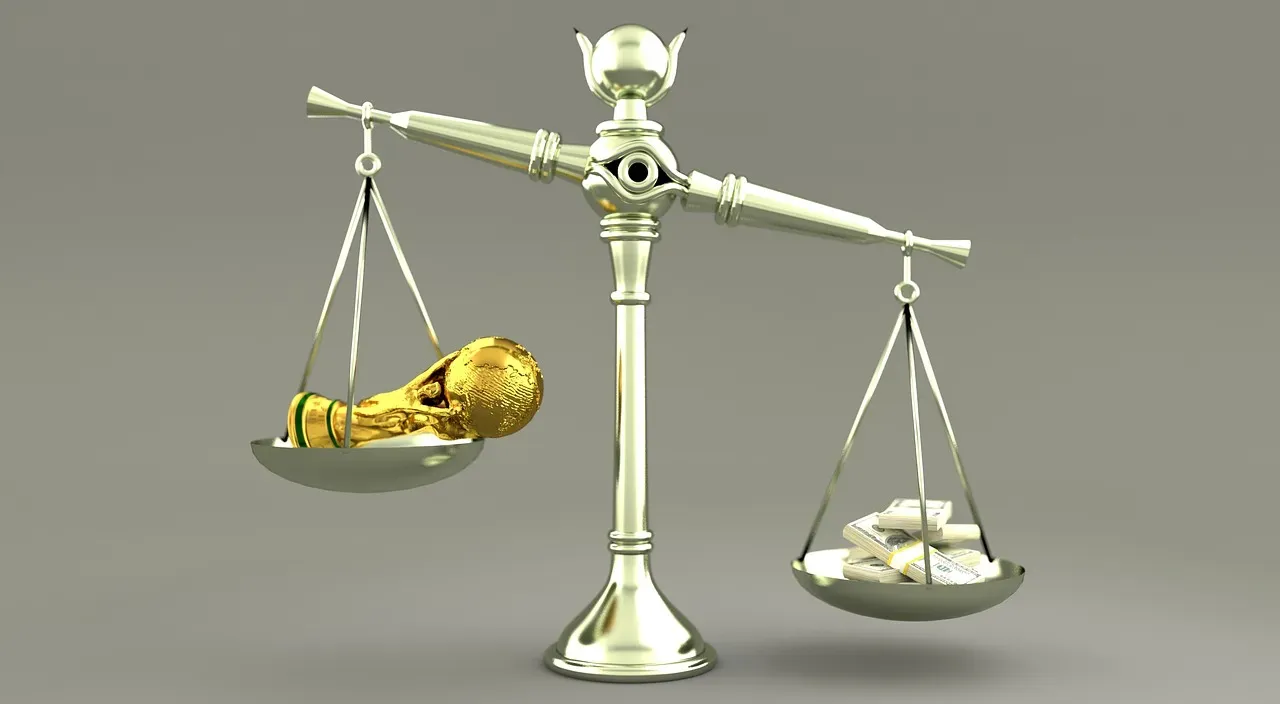
The challenge in comparing historical wealth to modern fortunes lies in fundamental differences between economic systems. Elon Musk is the wealthiest person in the world with an estimated net worth of $682 billion as of January 2026, having become the first person to achieve net worths of $400 billion in December 2024, $500 billion in October 2025, $600 billion in mid December 2025, and $700 billion later that month. These astronomical figures represent primarily stock valuations in companies like Tesla and SpaceX – paper wealth that could theoretically evaporate if market conditions changed dramatically.
Historical rulers possessed different forms of wealth that were often more tangible but harder to quantify. Augustus Caesar owned a fifth of the wealth of the Ancient Roman Empire, which accounted for more than 30 percent of gross domestic product for the entire world at the time, valued at roughly 4.6 trillion dollars today. This represents direct ownership of productive land, mines, trade infrastructure, and labor rather than equity stakes in technology companies. When adjusted for their share of global economic output, several ancient rulers controlled wealth that exceeds any modern individual fortune by substantial margins. Their power was absolute rather than dependent on market confidence or shareholder approval.
Partner offer
Planning a trip to Vegas?
Compare hotel rates and show tickets on VEGAS.com.

