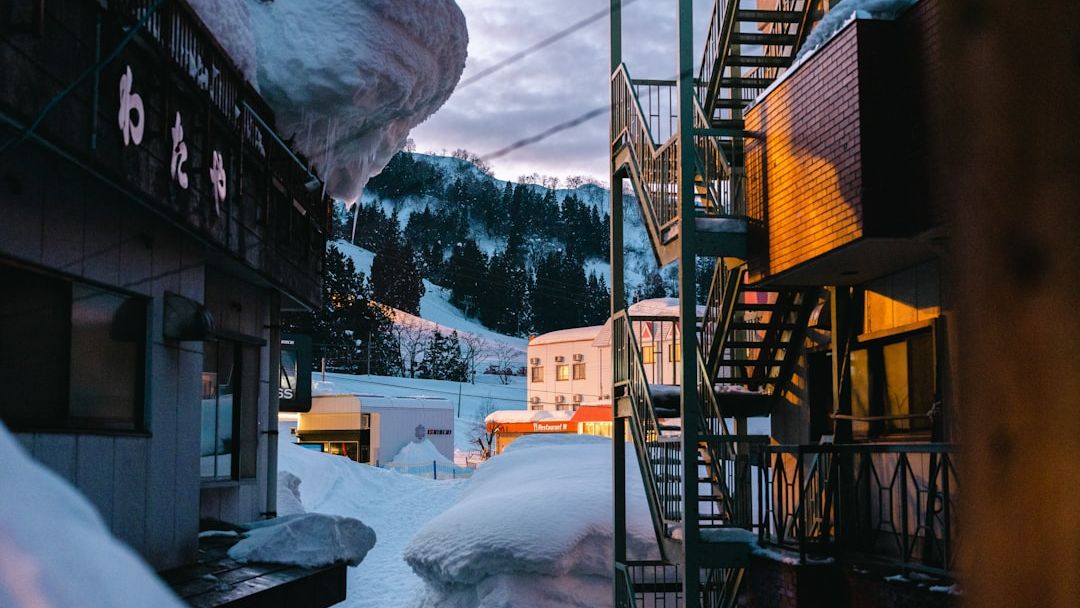

A Subarctic Chill in an Unexpected Setting (Image Credits: Unsplash)
Hokkaido, Japan — Perched at 1,100 meters amid the rugged peaks of Daisetsuzan National Park, Asahidake Onsen draws visitors with its steaming hot springs and sweeping alpine vistas. Yet beneath the allure of resorts and ropeways lies a climate that defies typical patterns, blending bone-chilling subarctic cold with relentless, tropical-level rainfall.[1] This touristic spot, part of Higashikawa town, challenges expectations for a Japanese mountain getaway.
A Subarctic Chill in an Unexpected Setting
Winters here plunge into subarctic territory, with temperatures routinely dropping to minus 20 degrees Celsius and occasionally reaching minus 30 degrees Celsius.[1] Such extremes bring risks like frostbite for anyone venturing outdoors without proper gear. The cold persists through long nights, transforming the landscape into a frozen wonderland dotted by resort lights.
Spring and autumn hover around zero degrees Celsius, keeping precipitation in a perpetual state of flux. Freezing rain and ice become common, layering the ground in a treacherous sheen. This transitional chill sets Asahidake apart from milder highland areas elsewhere in Japan.
Precipitation Without End: The Wet Heart of the Anomaly
Orographic lift from surrounding mountains funnels over 2,000 millimeters of precipitation annually into the area, rivaling tropical zones despite the frigid temperatures.[1] Rain or snow falls for half the year, with no true dry season to offer relief. Summers remain cool at around 15 degrees Celsius, ensuring the moisture arrives in every imaginable form—from soaking downpours to heavy snow dumps.
This constant wetness creates deep ice layers and perpetual dampness, a far cry from the drier subarctic regimes found in places like interior Canada or Siberia. The combination fosters lush forests and vibrant ecosystems, though it demands sturdy infrastructure from the resorts.
Partner offer

Visitors often note the eerie persistence: one moment brings gentle mist, the next a blizzard. Such variability amplifies the site’s reputation among weather enthusiasts.
Why This Climate Stands Alone
Asahidake Onsen’s weather merges subarctic winters, temperate summers, and year-round high moisture in a way rarely seen globally. Comparable patterns appear only in remote spots like Russia’s Kronotsky Peninsula or Alaska’s Mount Washington and Thompson Pass—mostly uninhabited.[1] Hokkaido itself hosts wild swings, but this elevated enclave pushes boundaries further.
Elevation plays a key role, amplifying mountain effects while the park’s volcanic underpinnings feed the hot springs. Unlike coastal Hokkaido towns with sea-moderated chills, Asahidake endures unbuffered continental blasts. Climate maps highlight it as an outlier, sparking discussions in geography circles.[1]
Tourism Thrives Amid the Extremes
Despite the rigors, the onsen area supports hotels, a visitor center, and a ropeway to higher trails. Hot springs provide natural warmth, contrasting sharply with the surrounding freeze. Summer hikers enjoy mild days for alpine treks, while winter draws backcountry skiers undeterred by the powder.
The setup suits seasonal crowds rather than year-round residents—staff rotate in for resort operations. Local cuisine emphasizes hearty Hokkaido fare, fueling adventurers after battling the elements.
Asahidake Onsen reminds us that nature’s quirks often hide in plain sight, offering a microcosm of extremes where hot waters meet icy skies. For those chasing the unusual, this corner of Japan delivers a climate lesson wrapped in scenic splendor, underscoring the planet’s boundless variety.[1]
Partner offer
Planning a trip to Vegas?
Compare hotel rates and show tickets on VEGAS.com.