There’s a certain kind of honesty that only comes out in interviews long after the cameras have stopped rolling. Actors spend years crafting public images, and yet some of them have chosen to go on record and admit, plainly and sometimes bluntly, that a particular role was a mistake they’d never repeat. Not for critical acclaim, not for a franchise payday, not for any amount of money.
What makes these confessions so compelling is that many of the roles in question were commercially successful or even career-defining. The gap between public perception and private regret turns out to be surprisingly wide in Hollywood. Here are nine actors who said, in no uncertain terms, they’d never go back.
Ben Affleck – Daredevil (2003)

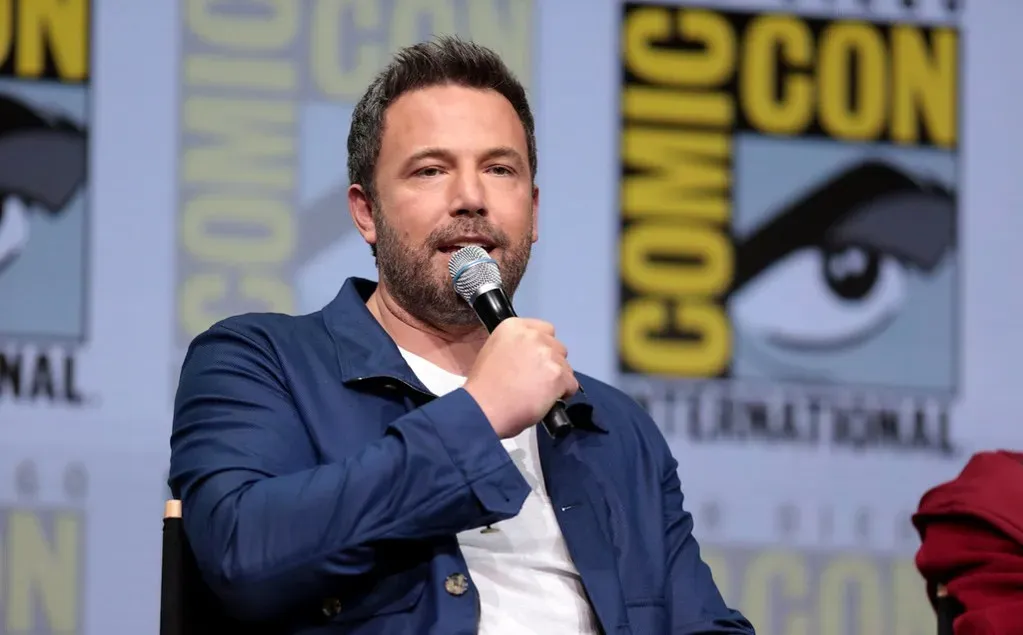
Ben Affleck has admitted that 2003’s Daredevil is a source of lasting regret, telling Business Insider: “The only movie I actually regret is Daredevil.” That’s a striking statement from a man with a career spanning decades, but the weight of it is real.
His disappointment stems from how the movie turned out despite his genuine love for the character and story. He later took on the role of Batman in Batman v Superman: Dawn of Justice, partly motivated by a desire to do justice to a superhero role the right way. The original Daredevil film had a production budget of $78 million and earned $179.2 million worldwide, which makes Affleck’s lasting bitterness all the more remarkable – it wasn’t even a flop.
Halle Berry – Catwoman (2004)

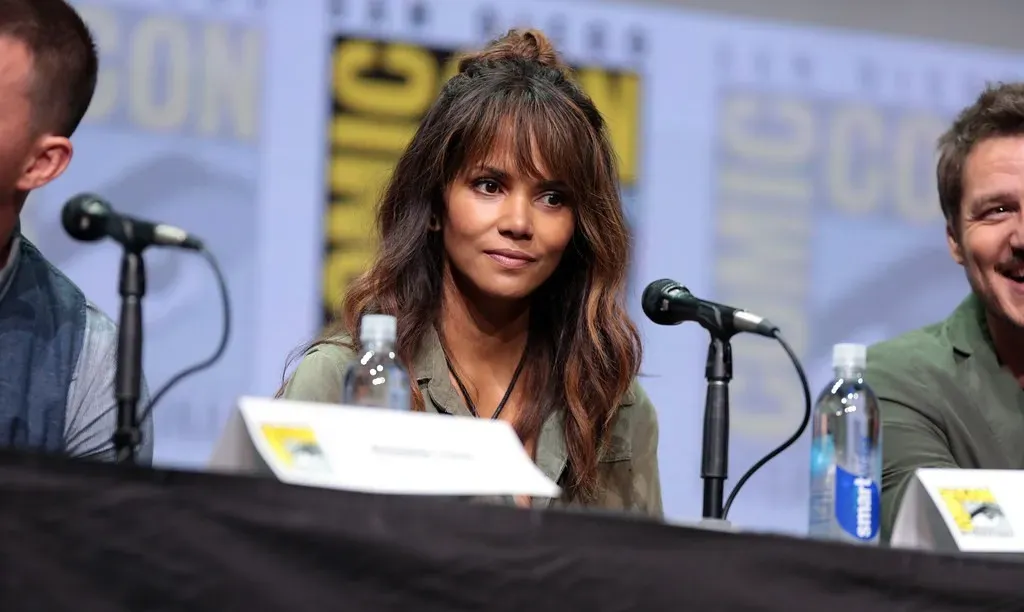
Halle Berry accepted her Razzie for Catwoman in person, thanked Warner Bros. for putting her in a terrible movie, and poked fun at herself. She has since said the film taught her how important it is to read scripts thoroughly. It’s a rare moment in Hollywood where a star’s self-awareness about a failure is actually more memorable than the film itself.
Berry has said she has been “carrying the weight” of the film’s failure, telling Jimmy Kimmel that whatever success or failure it had “somehow seemed like it was all my fault. But it really wasn’t my fault.” The film had a budget of $100 million and earned only $82.4 million at the box office, making it one of the more expensive stumbles in superhero cinema history.
Ryan Reynolds – Green Lantern (2011)

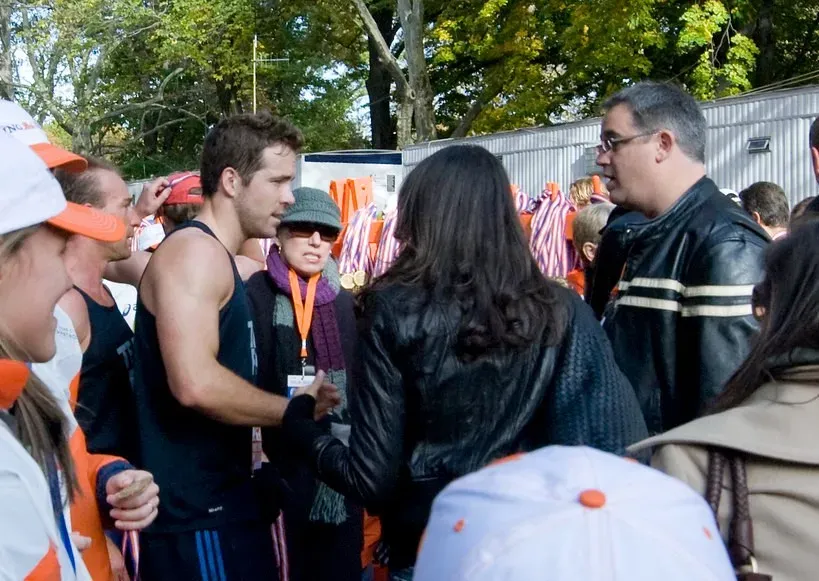
Before he won hearts with Deadpool, Ryan Reynolds was Green Lantern – a role he has claimed made him “unhireable,” admitting in a 2016 Variety interview, “I represented the death of the superhero for a while.” That kind of self-deprecating honesty is part of what makes Reynolds so watchable, but the regret beneath it seems genuine.
Green Lantern has since become the butt of many jokes in both Deadpool movies – in one scene, Deadpool even travels back in time and shoots Reynolds as he’s reading the Green Lantern script. Reynolds has also admitted that he’s “never seen the final version” of the film. Refusing to watch your own movie is perhaps the most honest review a person can give.
Viola Davis – The Help (2011)

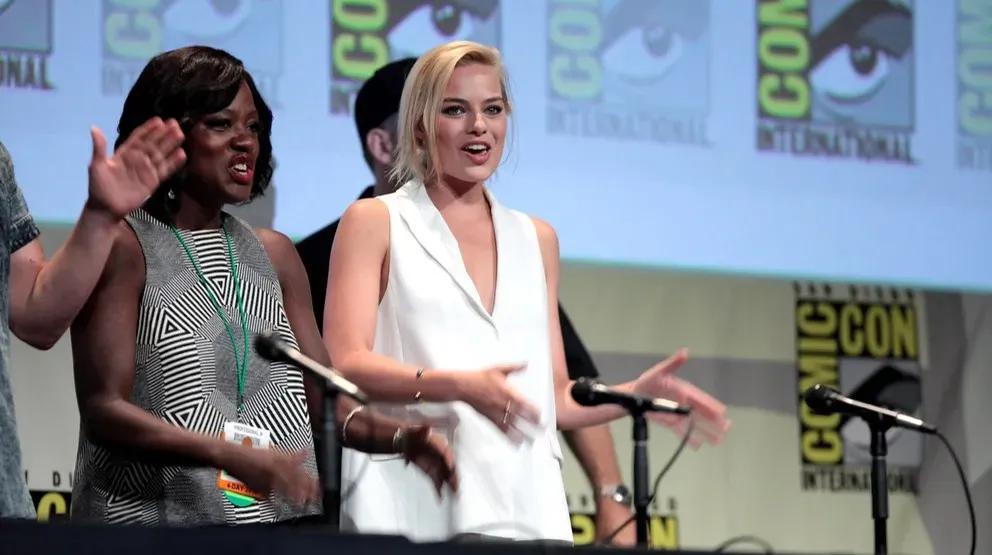
Viola Davis has said she “regretted” her role in The Help, despite the film previously being described as something that changed her career. She stars as the maid Aibileen, but says the voices and experiences of the maids weren’t “heard” enough. Coming from someone who earned an Oscar nomination for the performance, that kind of reflection is striking.
Davis told The New York Times plainly: “Have I ever done roles that I’ve regretted? I have, and The Help is on that list.” She has spoken about having “a lot of issues” with the 2011 film, which has also been criticised for being historically inaccurate. For Davis, the discomfort wasn’t about craft but about whose stories were ultimately being centred on screen.
Partner offer

Kate Winslet – Wonder Wheel (2017) and Carnage (2011)

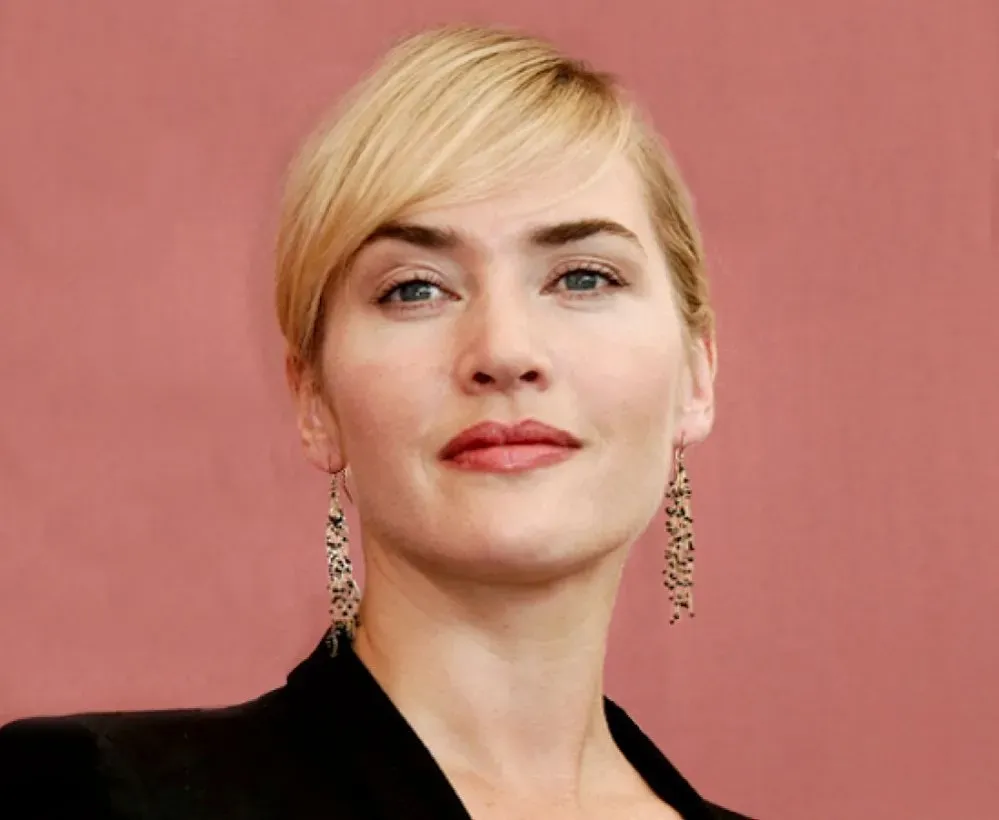
Kate Winslet has said she is “grappling” with regrets over working with film directors Woody Allen and Roman Polanski, both accused of sexual misconduct with minors. In a candid Vanity Fair interview, Winslet admitted, “I have to take responsibility for the fact that I worked with them both.”
In an interview with Vanity Fair, Winslet asked of herself, “It’s like, what the fuck was I doing working with Woody Allen and Roman Polanski?” She later expanded on the sentiment, saying, “We learn, we grow, we change,” and adding, “I think we should all be allowed to say, ‘Look, I shouldn’t have done that.'” It’s less about the performances themselves and more about the professional choices that led to them – and the broader culture that made those choices feel acceptable at the time.
George Clooney – Batman & Robin (1997)

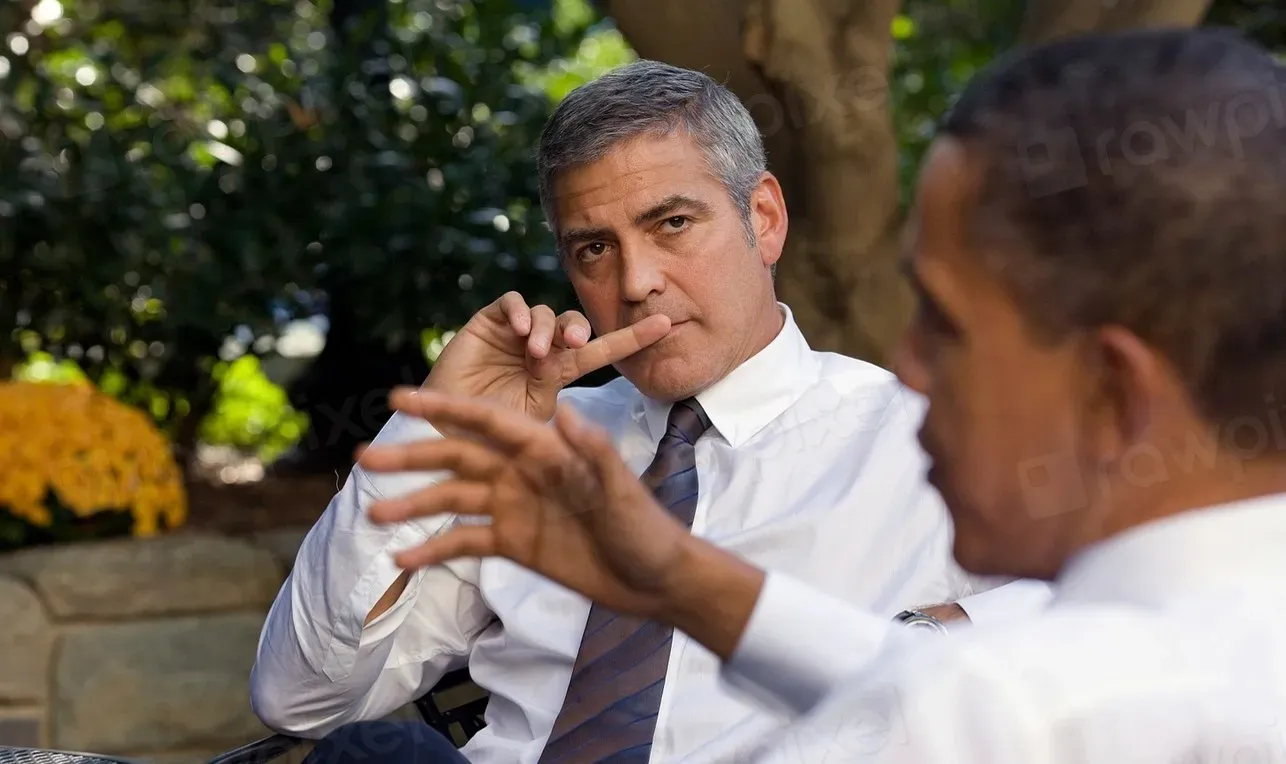
Only one actor has worn a suit with Batnipples – and that was George Clooney. He once said of the role, “Let me just say that I’d actually thought I’d destroyed the franchise until somebody else brought it back years later and changed it. I thought at the time that this was going to be a very good career move. It wasn’t.”
Clooney has repeated this sentiment in various forms over the years, always with a mixture of humor and genuine embarrassment. The film is widely regarded as one of the weakest entries in superhero cinema, and Clooney has never shied away from saying he agrees. There’s something almost refreshing about a star with his stature willingly keeping a decades-old mistake on the record.
Daniel Radcliffe – Harry Potter and the Half-Blood Prince (2009)

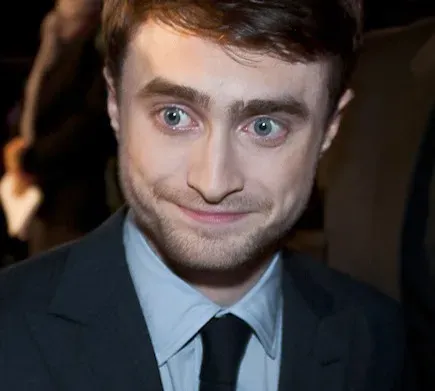
Daniel Radcliffe has been candid about his performance in Harry Potter and the Half-Blood Prince, calling it his weakest in the entire series. He admitted that he felt disconnected and wooden in many scenes and wishes, looking back, that he had approached the character with more depth and focus.
Radcliffe’s self-criticism centers on what he describes as “one note” acting in that specific installment. It says a lot about his growth as an actor that he can look back at one of the most commercially successful film franchises in history and single out a chapter he’d do differently. The Harry Potter series earned well over two billion dollars globally, which makes Radcliffe’s measured honesty all the more notable.
Eddie Redmayne – The Danish Girl (2015)

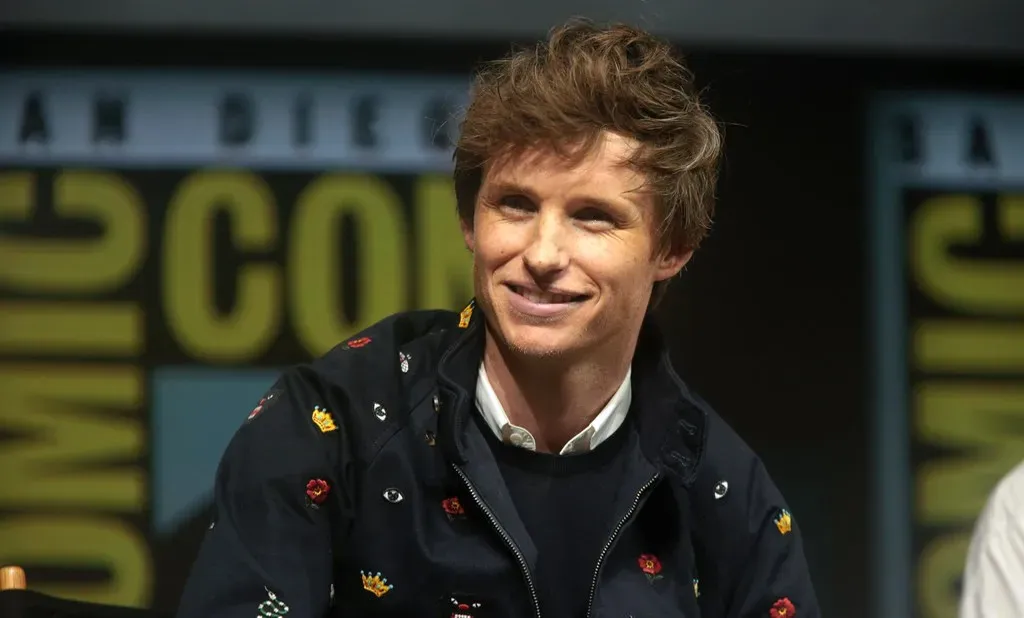
Eddie Redmayne later expressed regret over playing a transgender woman in The Danish Girl, even though he earned an Oscar nomination for the role. He said casting a cisgender actor was a mistake and that trans actors should be given more opportunities. His apology helped spark broader conversations about representation in Hollywood.
The film was considered a serious artistic achievement at the time of its release, and Redmayne’s performance was widely praised by critics. The fact that he stepped back and publicly questioned the casting decision itself reflects a shift in how the industry and its actors think about representation. It’s a kind of regret that’s less about execution and more about ethics.
Megan Fox – Transformers (2007)

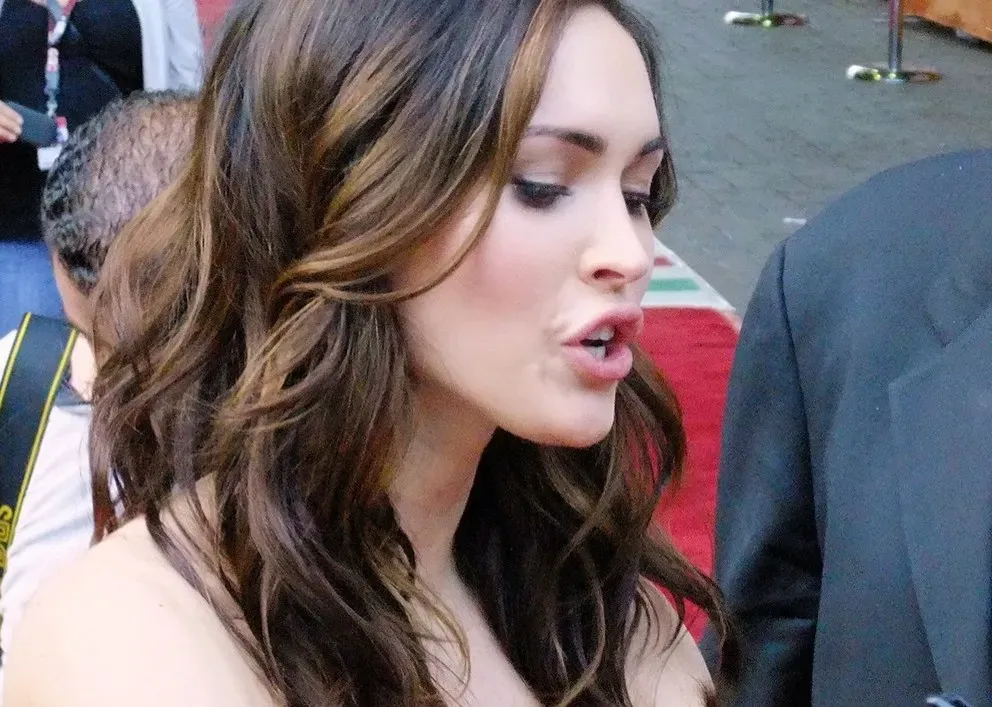
The Transformers franchise may have grossed billions of dollars at the box office, but critics have never looked kindly upon the films. Megan Fox has been equally critical, telling Entertainment Weekly that “people are well aware that this is not a movie about acting.” That’s a measured way of saying she felt the role offered little of real value to her as a performer.
Fox also took aim at director Michael Bay, saying he “wants to be like Hitler on his sets.” She later retracted the comment, calling it “righteous anger” that should not have been made public. The controversy around her public statements arguably overshadowed her actual work in the franchise, and she has since made clear she has no interest in revisiting that chapter of her career, regardless of what any future paycheck might look like.
Partner offer
Planning a trip to Vegas?
Compare hotel rates and show tickets on VEGAS.com.