
Walking up to a craps table on the Las Vegas Strip for the first time is one of the more electric moments a casino floor has to offer. The crowd is loud, chips are flying, and strangers are high-fiving like they’ve known each other for years. The fun atmosphere around the craps table is intoxicating and often draws new players in, but don’t let the seemingly freewheeling energy mislead you. There is a lot of structure underneath all that fun.
The game has its own culture, its own language, and a quietly enforced set of social rules that no dealer will hand you on a laminated card. Craps players are among the most superstitious gamblers in the casino, and saying the wrong thing at the wrong moment can get you shunned by everyone at the table. Know what you’re walking into before you pull out your wallet.
1. Never, Ever Say the Word “Seven” After a Point Is Set

Don’t say “seven” after a point is established. This single rule is absolute, universal, and deeply felt across craps culture, so absolute that failing to observe it creates genuine table hostility. It doesn’t matter that you know it’s mathematically irrational. The culture holds, and the culture wins.
The craps superstition against saying “seven” at the table is one of the game’s most persistent traditions. Players will glare at you if you say it out loud during a shooter’s turn. The stickman avoids it too, using phrases like “big red” instead.
This is social etiquette, not math. The dice can’t hear you. But respecting the tradition keeps the table friendly, and craps etiquette matters for the social experience. When in doubt, just don’t say it.
2. Keep Your Hands Clear When the Dice Are in Motion

The most fundamental craps etiquette rule is to keep your hands away from the playing surface whenever dice are active. This isn’t mere preference; it’s a safety and fairness principle protecting both shooting outcomes and player well-being.
Superstition holds that dice hitting a player’s hand brings a seven-out. This belief drives intense focus on hand safety beyond simple physical concern. Whether you believe that or not is beside the point. If the dice clip your hand and a seven rolls, the entire table will blame you, and they won’t be subtle about it.
When the dice are passed to a shooter, your hands need to be completely out of the way. Some shooters grab the dice and throw them immediately, so get your hands clear as soon as you see the dice moving toward the shooter. If a die hits your hand and that roll results in a seven, you’re going to have an entire table of players who are very upset with you.
3. Buy In Between Rolls, Not During Them


When you’re buying in, the dealer can’t take money directly from your hand. You’ll need to put your money on the table between rolls of the dice, and making eye contact with a dealer during this process is a good idea, otherwise your cash on the table might be mistaken for a bet.
The best time to buy into a craps game is after a player craps out. That natural pause in the action is your window. Slapping cash down while the shooter is mid-roll is one of the fastest ways to irritate every experienced player standing around you.
Knowing when to enter a game matters, since inappropriate timing can disrupt the game’s rhythm and possibly annoy other players. The protocol for new players joining is to do so in between rolls, particularly avoiding doing so during a shooter’s turn or mid-roll.
4. Use One Hand Only When Holding the Dice

Only use one hand to hold the dice. Always keep them above the table and visible. Las Vegas casinos will always ask you to hit the back wall. These aren’t just formalities. They are casino security measures designed to prevent cheating.
The dice are made to strict standards and routinely inspected for damage. As a matter of course, they are replaced with new ones after about eight hours of use, and casinos have implemented rules about how a player handles them, similar to how cards are treated in blackjack. The player must handle the dice with one hand only when throwing, and the dice must hit the far wall.
Pick up the dice with one hand only. This makes it more challenging for shooters to try to switch the dice for a loaded pair. It’s a rule that protects everyone at the table, including you.
5. Don’t Blow on the Dice


Movies have made dice-blowing look like the most natural pre-roll ritual in gambling history. Reality at a Strip casino is considerably less romantic. An important etiquette tip is not to blow on the dice. Despite its popularity in pop culture, blowing on the dice is forbidden by many casinos. Any moisture that gets on the dice, such as saliva, can actually change the roll.
Like many casino goers, craps players are notoriously superstitious, and many have their own good luck rituals. Having one or two quick rituals is acceptable but try to keep them to a minimum, as they slow down the pace of the game.
The dealer will correct you politely the first time. After that, expect less patience from both staff and fellow players.
6. Throw the Dice Hard Enough to Hit the Back Wall, Not Over It

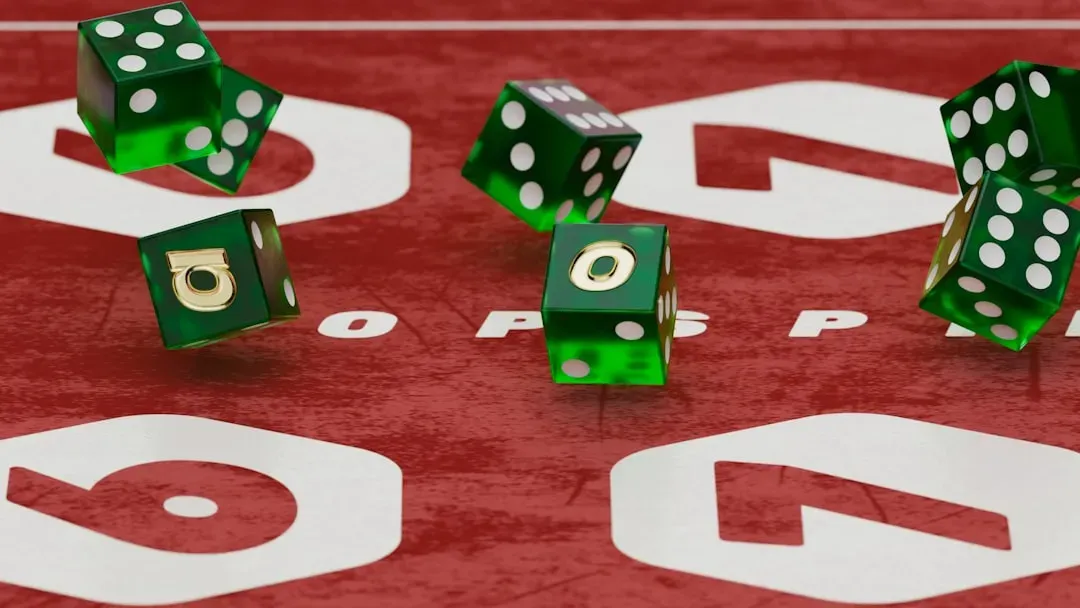
When you are shooting the dice, you must hit the back wall for your roll to count. However, you do not want to throw the dice so hard that they leave the table. It sounds simple, but first-time shooters regularly misjudge one extreme or the other.
In the event that one or both dice are thrown off the table, they must be inspected, usually by the stickman, before being put back into play. This creates a delay and kills the momentum of a hot table faster than almost anything else.
When you roll, make sure to avoid hitting the chips on the table. Dealers don’t like sorting them, and players may find that to be bad luck. Aim for a clean arc that clears the layout and reaches the far wall without drama.
7. Place Your Bets Before the Dice Move

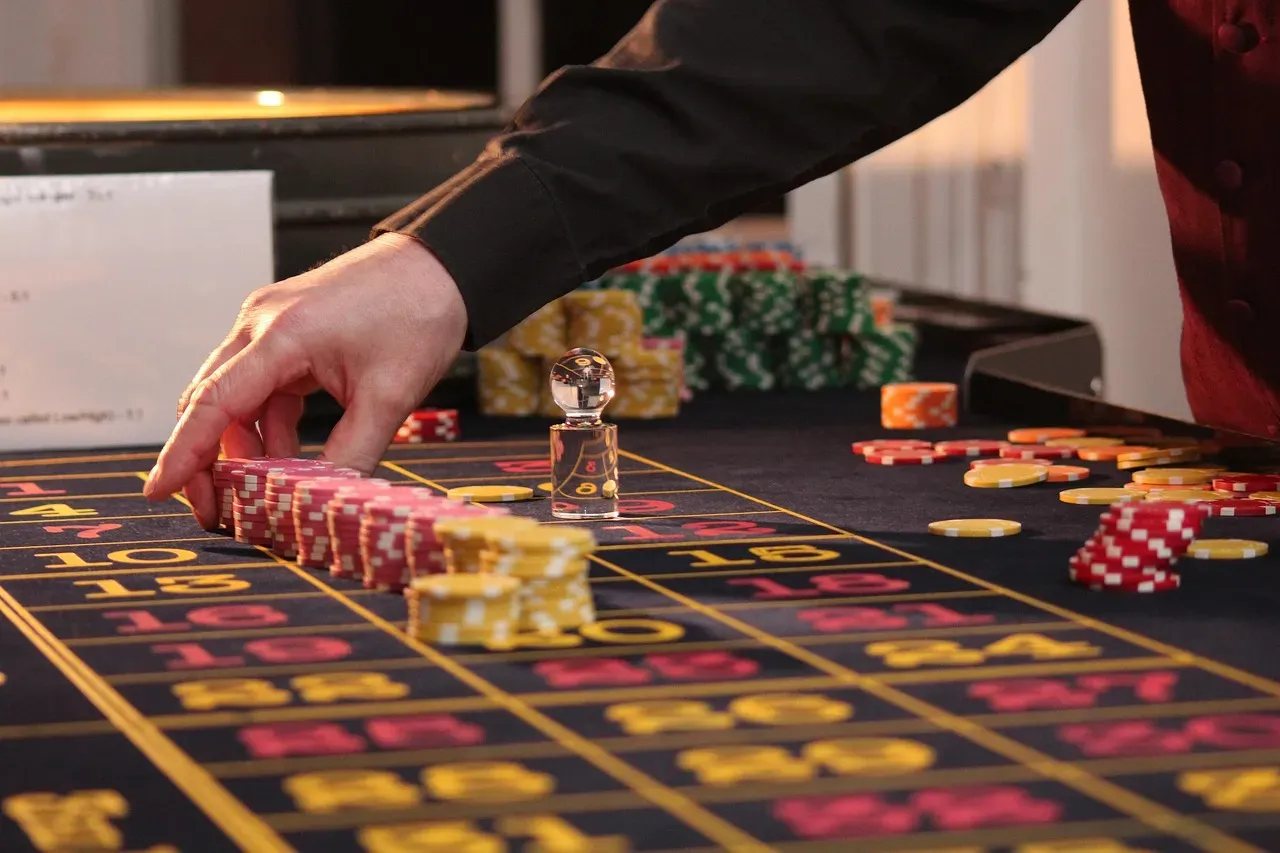
All wagers must be placed before the shooter throws the dice. This sounds obvious, but the speed of a live craps game catches new players off guard constantly. Be sure to place your bets before the dice are pushed to the shooter. You don’t want to be the person who gets hit with the dice because your hand was still in the betting area.
Gently toss chips in the area of the bets and tell the dealers what you’d like. Craps dealers are great and will often remind you if you have specific bets on each roll. They genuinely want to help you do it right. Use them.
When the dice are moved from the middle toward the shooter, hold your bets. Wait until after the next throw to put anything more in play. No one, especially the dealers, likes late bets.
8. Respect Personal Space, Especially the Shooter’s

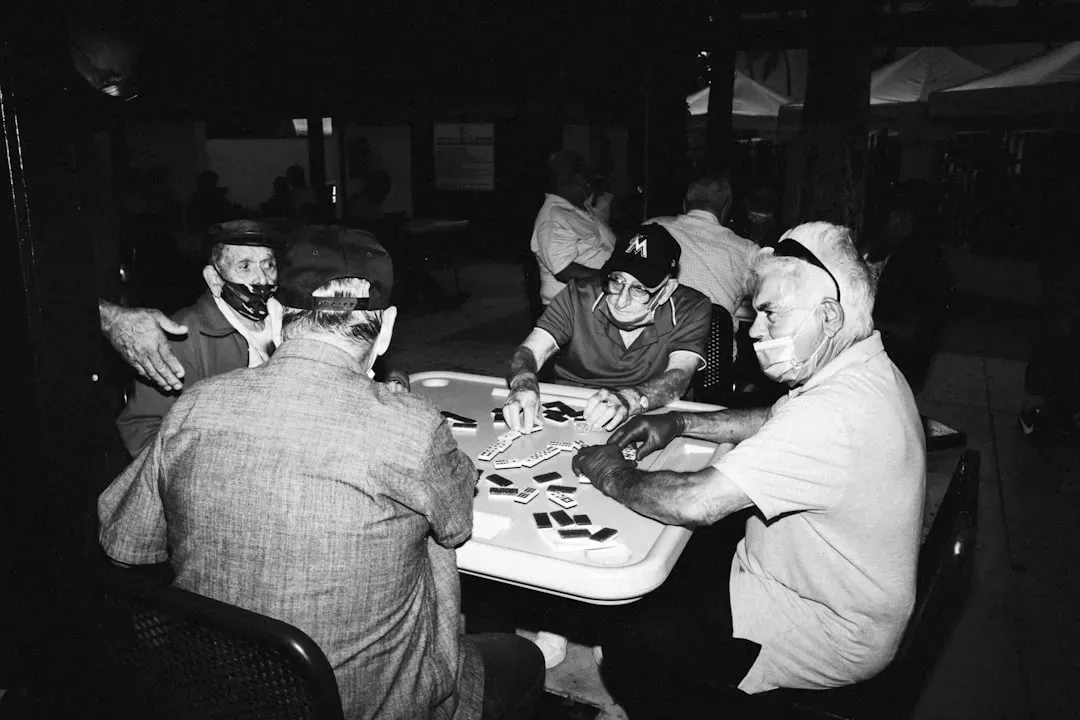
Since craps tables don’t have chairs, there’s no fixed marker for where players should stand. There can be up to 16 players, and when a table is on a hot streak, people will try to squeeze in to get in on the action. Give players enough room to feel comfortable. Most importantly, make sure the shooter has room to throw the dice.
Give shooters ample space. This means standing at least several inches back from the table edge and preventing your body from blocking the shooter’s throwing lane.
When approaching the table, identify who the shooter is and do not try to squeeze in next to them. Crowding the shooter is a reliable way to become unwelcome at both that table and any neighboring one.
9. Understand the Odds Before You Bet the Center of the Table

The flashing center section of the craps layout looks appealing to new players, especially on the Strip. The truth is, it’s where your money goes to disappear fastest. The house edge range at a craps table spans from roughly 1.36% to 16.67%, all on the same table. A smart bettor making a Pass Line bet with maximum odds faces less than half a percent edge. A recreational player tossing chips on Any 7 and Hardways faces ten to seventeen percent. Same game, vastly different math.
The Pass Line carries a house edge of about 1.41% and the Don’t Pass line sits at 1.36%, giving players the best odds of any regular craps bets. The free odds bet placed behind the Pass Line after a point is established carries no house edge at all.
At the most common maximum odds level found at US casinos, known as 3-4-5 times odds, the combined edge on your total wager drops to less than four-tenths of a percent, better than most blackjack tables. The center bets are entertainment. Know the difference.
10. Tip the Dealers and Color Up When You Leave
For many craps players, the game is a social activity. This social aspect is one of the things that sets craps apart from most other casino games. From the camaraderie among players to the shared excitement of a winning roll, the interaction is a big part of what makes craps so enjoyable.
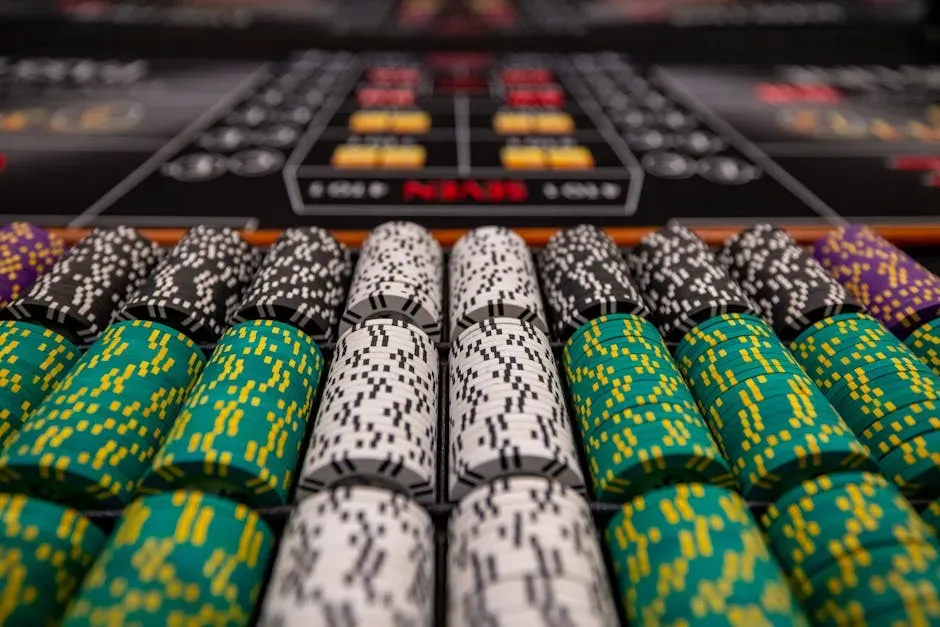
Dealers are part of that community. Tipping them, known as making a bet “for the boys,” is standard practice at a live craps table. Your main goal when leaving the craps table is to not disrupt the action, so the best time to go is during a change of shooters. Also, if you are playing at a physical casino, make sure to color up your chips. Cashing in your smaller chips for larger denomination ones ensures the dealer has enough small chips for future players. Carrying fewer, higher-value chips is also less cumbersome.
Craps is a fast game. When you win money, quickly grab your chips so as not to slow down the game or get in the way. Leave the table clean, leave it grateful, and leave it the same way you’d want a stranger to leave it for you.
Partner offer
Planning a trip to Vegas?
Compare hotel rates and show tickets on VEGAS.com.