During Hollywood’s golden age, a major studio didn’t just hire an actor for a film. It signed that person for years, controlled the roles, shaped the public image, and often decided when the star could work elsewhere.
Most of these deals ran for seven years, and the stars below stayed attached to one studio for well over ten. Their stories show how the system rewarded loyalty, how it limited talent, and how a few performers pushed back.
Olivia de Havilland and Warner Bros.

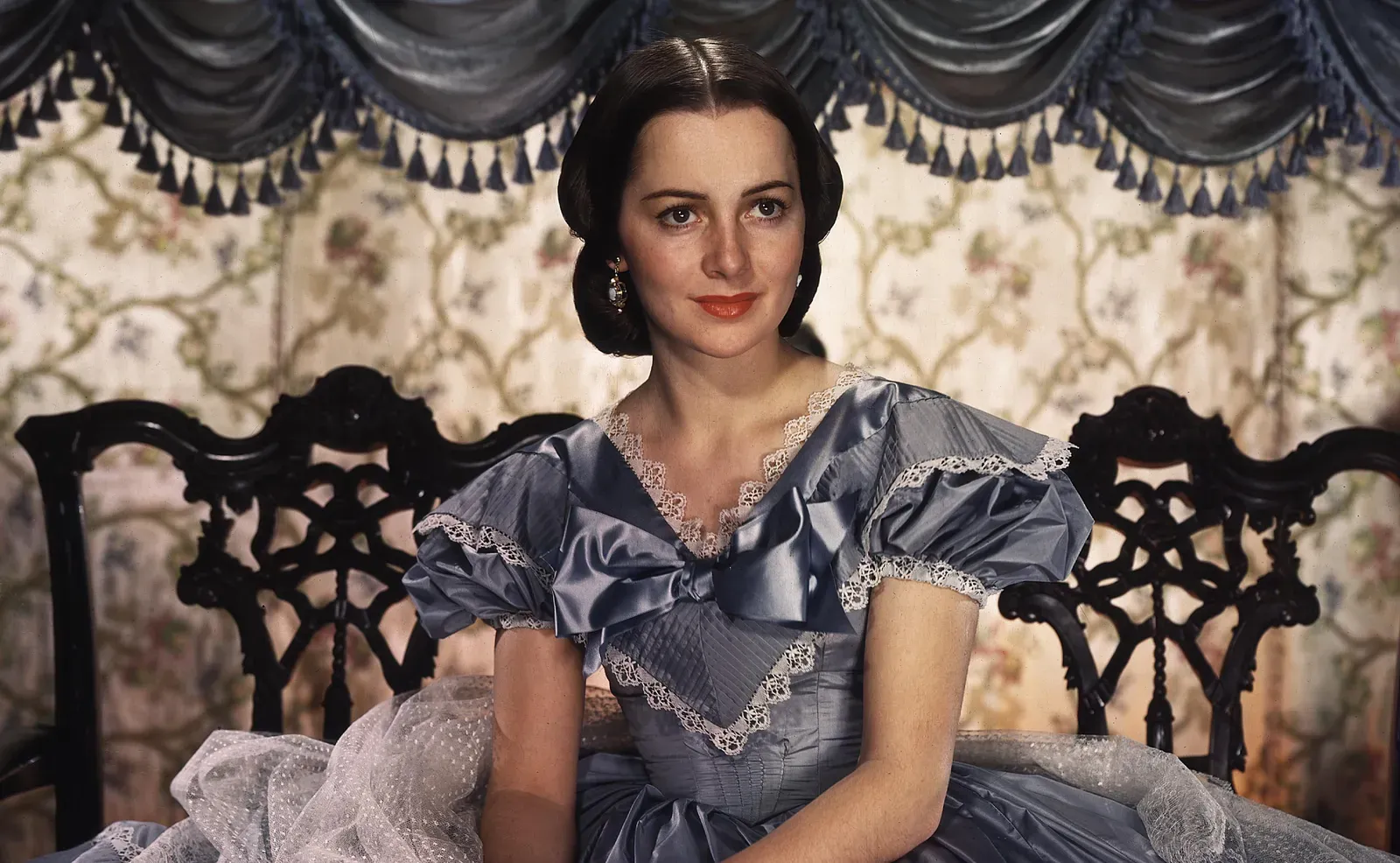
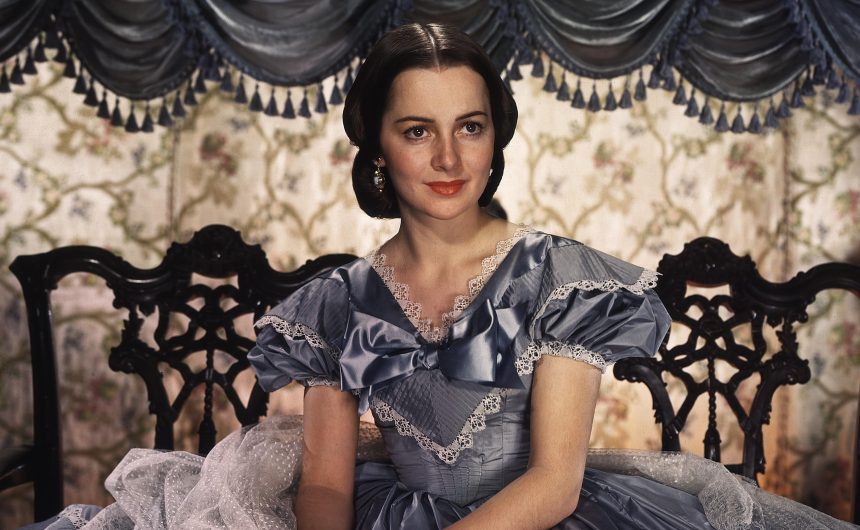
De Havilland signed with Warner Bros. in 1935 and soon became a regular partner to Errol Flynn in adventure films. Warner also loaned her to David O. Selznick for Gone with the Wind, which brought her an Oscar nomination.
Her contract is remembered for what happened at the end. When she tried to leave, Warner said the time she had spent on suspension had to be added to her term. She sued, and a California appeals court ruled in her favor in 1944, a decision still known as the De Havilland Law.
Bette Davis and Warner Bros.

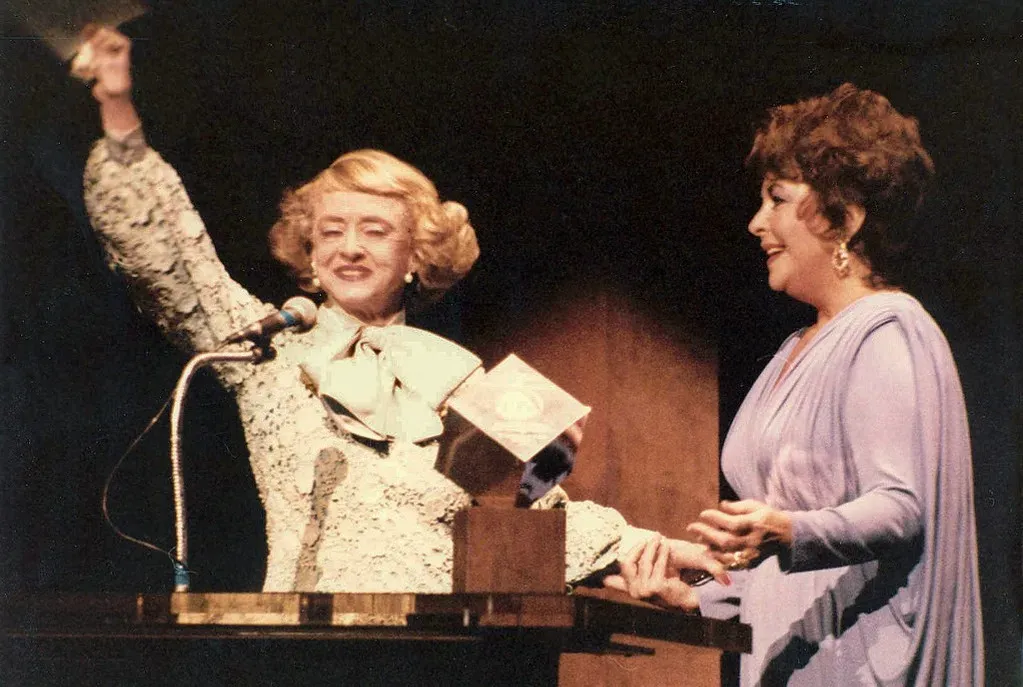
Davis joined Warner Bros. in 1932 and stayed until 1949. In those years she won Academy Awards for Dangerous in 1935 and Jezebel in 1938, and she became the studio’s most prestigious female star.
She was not a quiet employee, though. In 1936 she went to England to escape her contract, citing weak roles, and lost the legal fight there. She returned to Warner and kept making films for the studio for more than a decade afterward.
Judy Garland and MGM

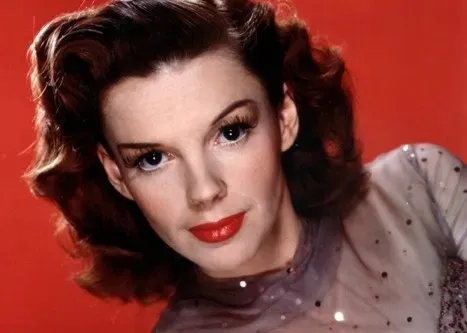
Garland signed with MGM in 1935 as a young teenager. The studio built her image around musicals, and The Wizard of Oz in 1939 made her a major star.
She worked under the studio’s tight control for about fifteen years. Her time at MGM ended in 1950, after repeated absences and suspensions, which brought the relationship to a close.
Mickey Rooney and MGM

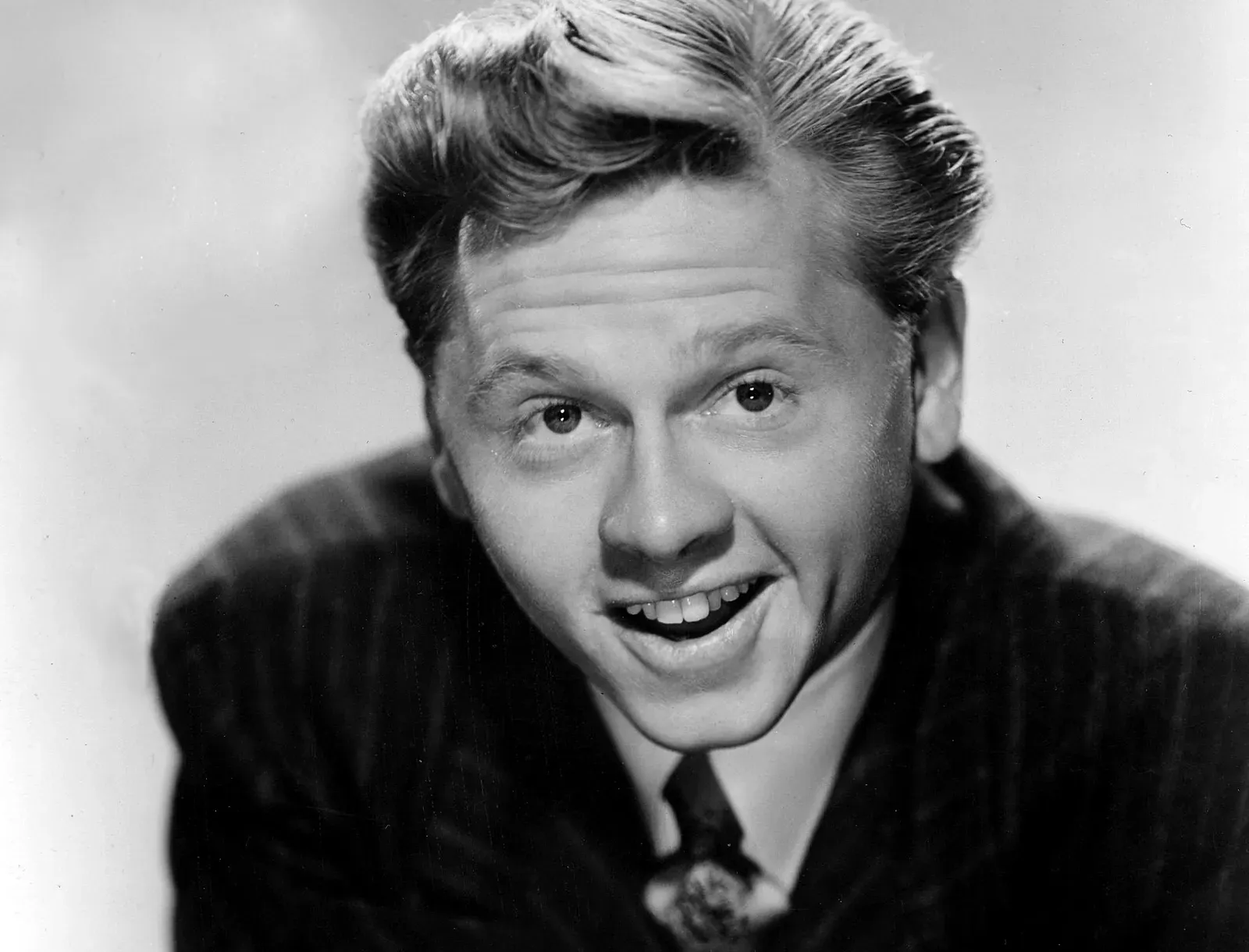
Rooney arrived at MGM in the mid 1930s and became one of its most reliable box office draws. His Andy Hardy series was a studio staple, and he often appeared opposite Garland in musicals.
Partner offer

He was among the biggest stars in the country by the early 1940s. The studio kept him in a steady run of family films, which shows how closely MGM managed the careers of its young performers.
Clark Gable and MGM

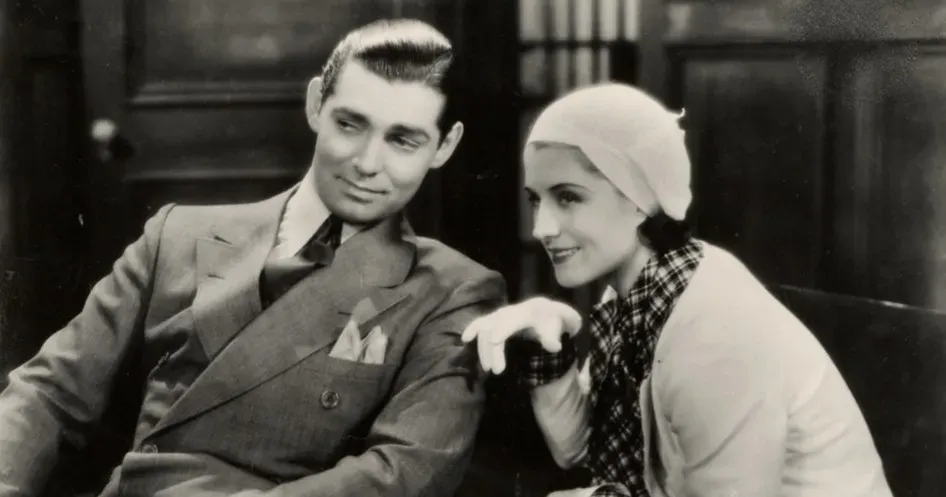
Gable was at MGM from 1930 to 1954, a stretch of about twenty four years. He was sometimes loaned out, most famously to Columbia for It Happened One Night, which earned him an Oscar in 1935.
MGM later promoted him with the title King of Hollywood, and he starred in Gone with the Wind in 1939. His long run ended after the studio’s later years brought changes in its output, and he went freelance.
James Stewart and MGM

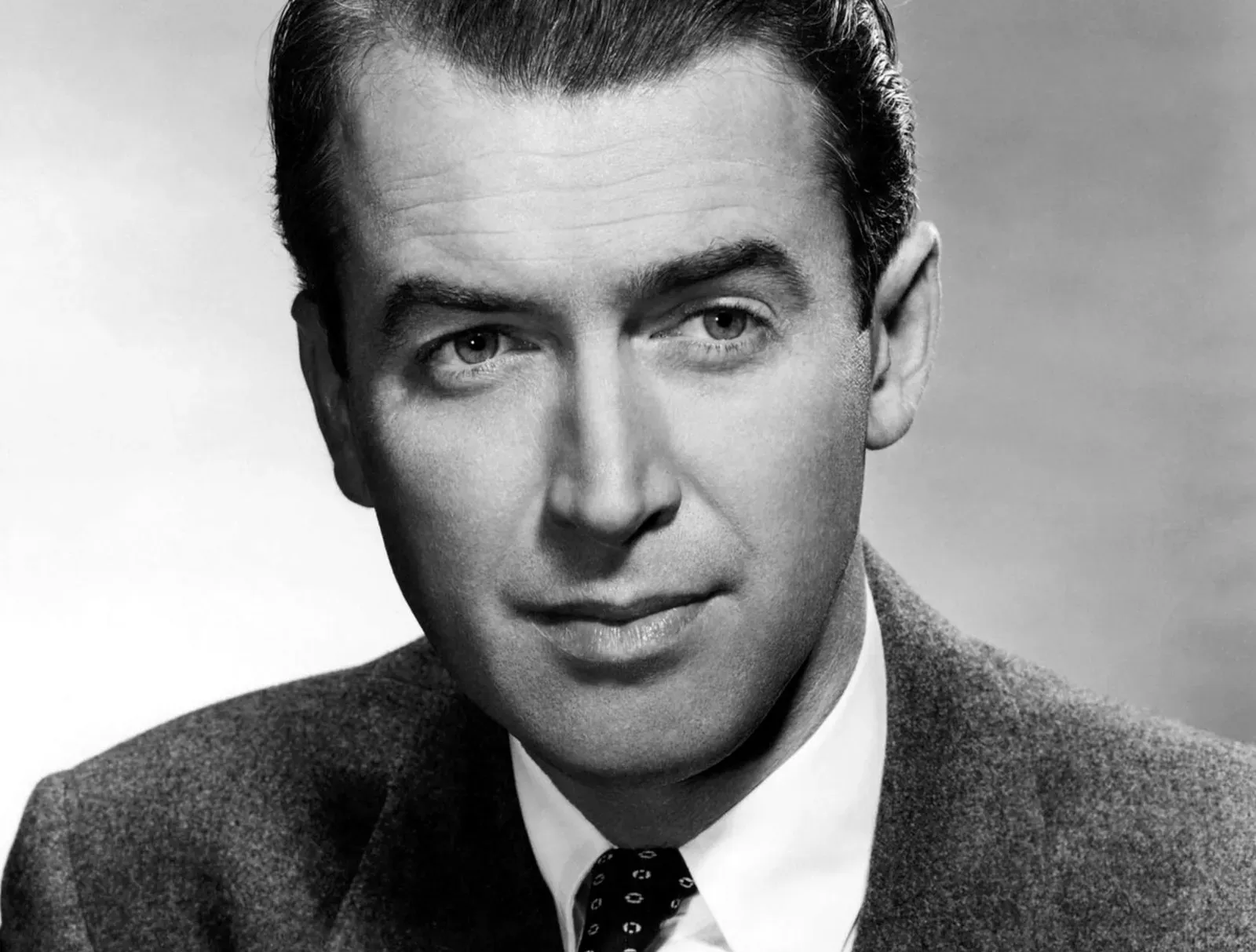
Stewart signed with MGM in 1935. At the studio he moved from supporting parts to leading roles, and he won his Oscar for The Philadelphia Story in 1941.
After World War II he loosened his ties to the studio. His western Winchester ’73, released in 1950, used a deal that gave him a share of the profits rather than a flat salary, and it became an early model for how stars would be paid after the studio era.
Errol Flynn and Warner Bros.

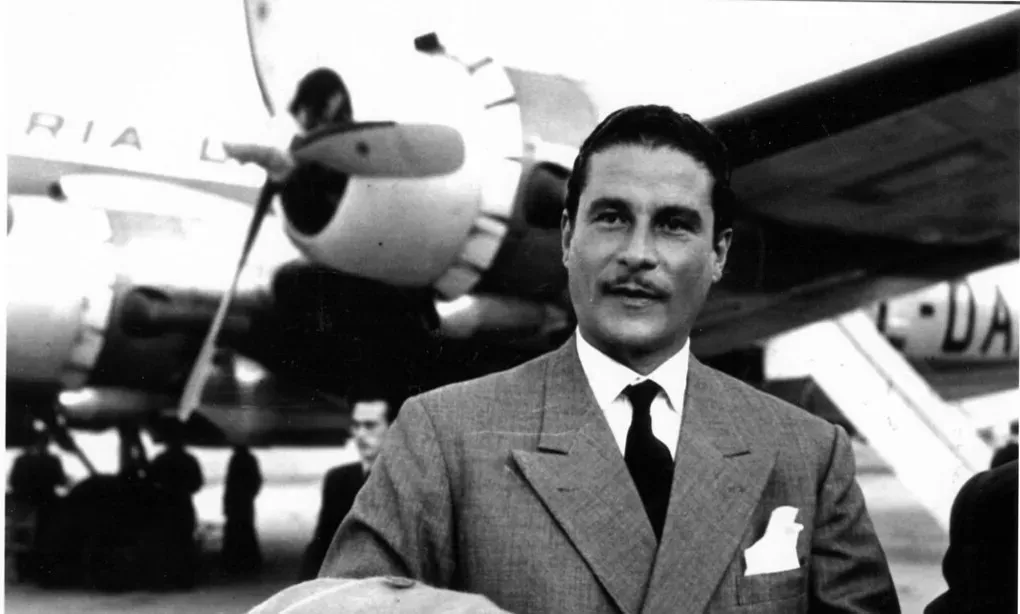
Flynn rose to fame with Captain Blood in 1935, a Warner Bros. production that made him an instant star. The studio then cast him in swashbucklers and war pictures for years, including The Adventures of Robin Hood in 1938.
He remained tied to Warner well into the late 1940s and early 1950s. Few actors were so closely linked to a single studio’s image of adventure.
Humphrey Bogart and Warner Bros.

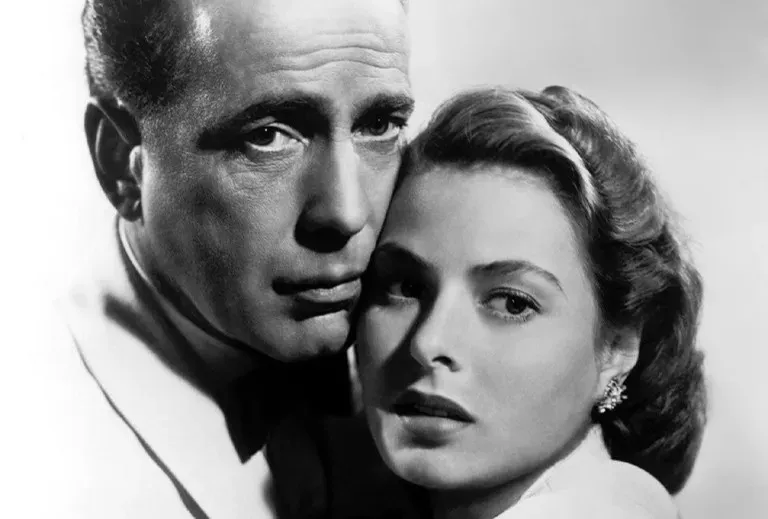
Bogart’s breakthrough came with The Petrified Forest in 1936, and he stayed at Warner Bros. for about two decades. After years of gangster roles, he became a leading man in films such as Casablanca and The Maltese Falcon.
In 1948 he formed his own company, Santana Productions, a move that reflected how stars were beginning to gain independence. He kept working with Warner during this period, so his career spanned both the old system and the new one.
Partner offer
Planning a trip to Vegas?
Compare hotel rates and show tickets on VEGAS.com.