History has a strange habit of humbling us. We live in an age of quantum computers, gene editing, and artificial intelligence, yet there are objects sitting in museum display cases – some of them thousands of years old – that still make scientists scratch their heads. These aren’t myths or exaggerations. They are real, physical things that have been tested, scanned, and analyzed with every tool modern science has to offer.
The uncomfortable truth is that human knowledge has not always moved in one clean, forward direction. Some civilizations developed techniques and technologies that were later lost entirely, leaving us with artifacts we can observe but not fully explain or replicate. Here are some of the most remarkable examples.
The Antikythera Mechanism: Ancient Greece’s Impossible Computer

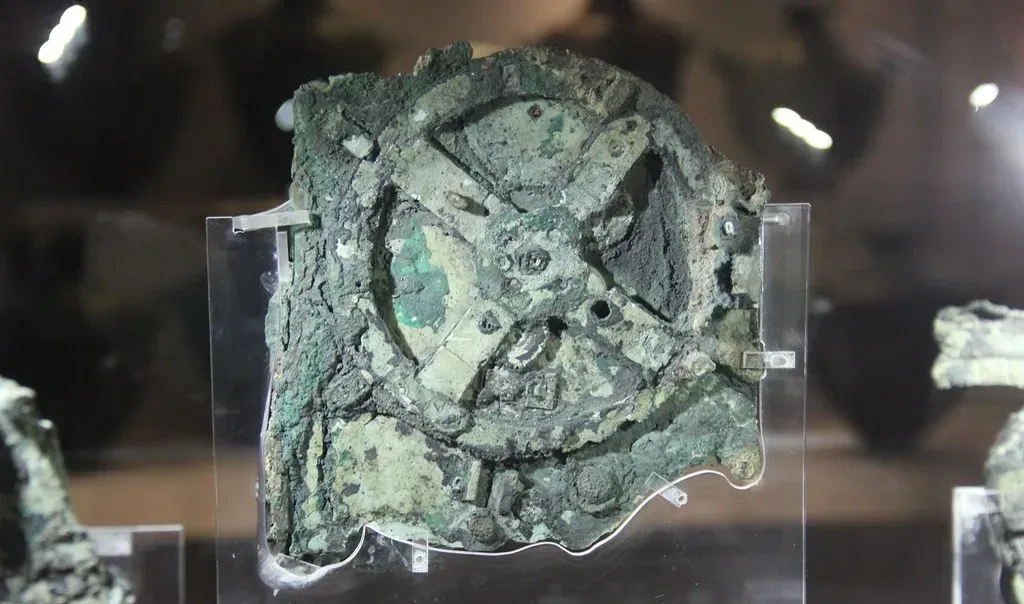
The 2,000-year-old Antikythera mechanism, found in an ancient Greek shipwreck, has been dubbed the “first computer,” using a wind-up dial system to track the celestial time of the Sun, Moon, and five planets, along with a calendar, the phase of the Moon, and the timing of eclipses. The sheer precision of its design is staggering for any era, let alone the ancient world.
The mystery is that it was made in the first or second century, and clockwork that sophisticated had never been seen in history until 1,200 years later. The mechanism had at least 37 intermeshing gears, and all its moving pieces combined to predict the movements of celestial bodies fairly accurately. Though other similar devices were mentioned in various texts from that era, none have ever been found with anything but a small fraction of the Antikythera Mechanism’s mechanical complexity.
Greek Fire: The Weapon Whose Secret Burned with the Empire

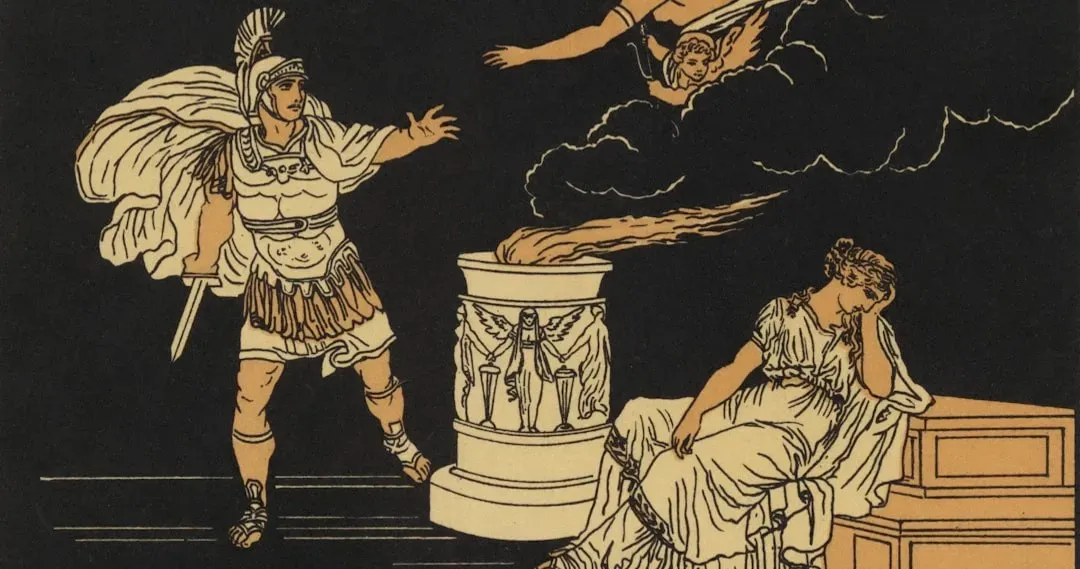
Greek Fire was an incendiary weapon first used in Byzantine warfare in 678 CE. The highly flammable liquid was made of secret ingredients and used both in catapulted incendiary bombs and sprayed under pressure to launch flames at enemy ships and fortifications. What made it truly terrifying was a quality no rival could reproduce: it burned on water.
Its deadliness in combat, especially at sea, has been cited as a prime reason for the long survival of the Byzantine Empire in the face of many enemies. The art of compounding the mixture was a secret so closely guarded that its precise composition remains unknown to this day. The secret “recipe,” which was never written down, was known only to the inventor’s family and to the emperors of Byzantium, who were said to hand the secret down to their heirs from generation to generation.
Damascus Steel: Nanotechnology Invented by Accident

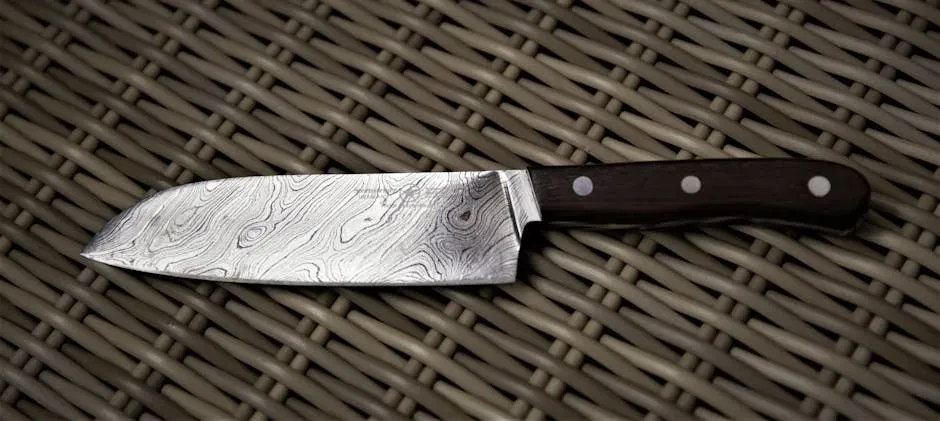
The steel of Damascus blades, first encountered by the Crusaders when fighting against Muslims, had features not found in European steels: a characteristic wavy banding pattern known as damask, extraordinary mechanical properties, and an exceptionally sharp cutting edge. Legends claimed the swords could slice a falling silk scarf in two. That turned out to be more fact than fiction.
Researchers from the University of Dresden uncovered the extraordinary secret of Damascus steel: carbon nanotubes. The smiths of old were inadvertently using nanotechnology. The ore used to produce the source steel came from Indian mines that were depleted in the eighteenth century. As the particular combination of metal impurities became unavailable, the ability to manufacture Damascus swords was lost. We still can’t fully replicate the process today.
The Voynich Manuscript: A Book Written in a Language Nobody Knows

![The Voynich Manuscript: A Book Written in a Language Nobody Knows (Beinecke Rare Book & Manuscript Library, Yale University ([1])., Public domain)](https://nvmwebsites-budwg5g9avh3epea.z03.azurefd.net/lasvegasnews/ae3bd05688994375e8ae07d0a565f827.webp)
The Voynich manuscript is one of the most mysterious books in history, and has been stumping even the best cryptologists since its discovery in 1912. It has been dated back to the 15th century, but that’s about all that is known for certain about the book. Entire academic careers have been devoted to cracking it, all without success.
While no one can say for certain, most experts believe the manuscript originated in Italy during the Renaissance. It’s written in a language that has been proven impossible to decode, and it’s filled with seemingly scientific drawings of flora that are not known to exist in the natural world. Whether it is an elaborate hoax, a lost language, or something else entirely remains completely open.
The Roman Dodecahedra: Objects Without a Known Purpose

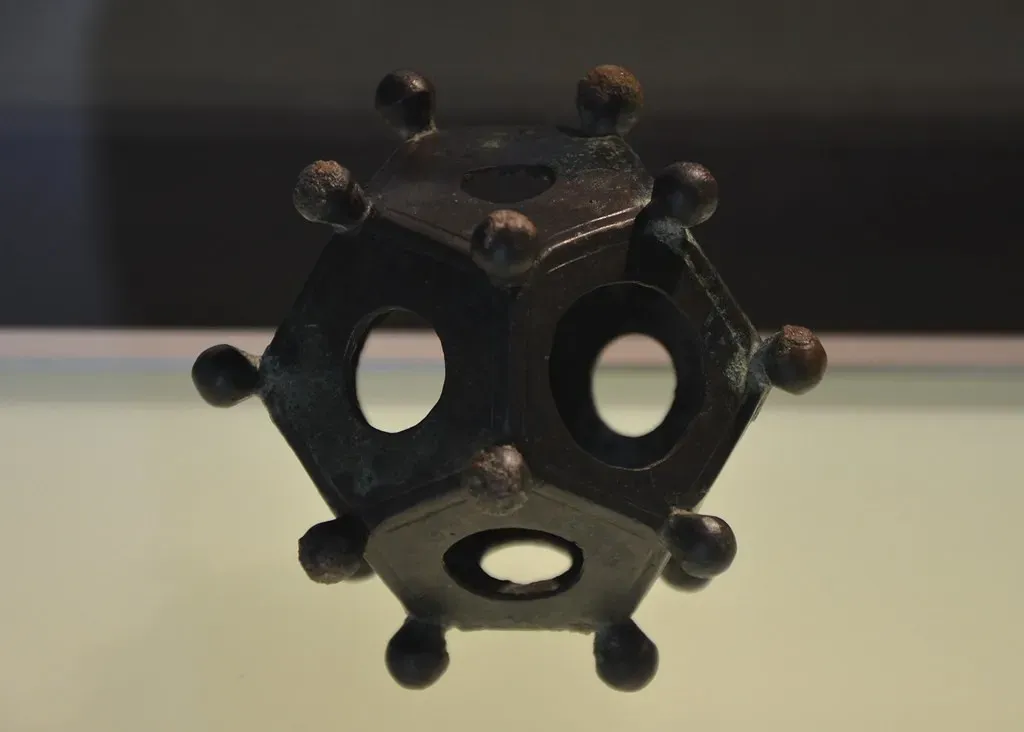
One of ancient Europe’s most enduring mysteries is that of the Roman dodecahedron. They’ve been discovered all around Europe, vary in size, and all date back to between the second and fourth centuries CE. Hundreds of them exist, made from bronze or stone, each with twelve flat pentagonal faces and small knobs at every corner.
Partner offer

They were made between AD 100 and 300 of bronze or stone with a hollow center, and the Roman use for the dodecahedrons is hotly debated. Some believe the 12 sides had to do with zodiac signs, while other theories suggest the objects were weapons, toys, or religious symbols. While their complex shapes and knobs seem to indicate they must have had a purpose, no such function has been confirmed. Some experts believe the scientific community is looking for meaning where there is none, and posits they were simply toys for Roman children.
The Pyramids of Giza: Engineering That Still Defies Explanation


Finished over 4,600 years ago near modern-day Cairo, Egypt, this extremely well-known ancient structure still perplexes archaeologists and engineers alike. Considered one of the seven ancient wonders of the world and a UNESCO World Heritage Site, the Great Pyramid of Giza is a royal tomb of epic proportions, standing around 450 feet tall.
The structures are made from millions of stone blocks, all weighing tens or hundreds of tons apiece. In trying to explain how the ancient Egyptians moved, shaped, and stacked these stones, scientists have developed dozens of theories. So many theories, in fact, that they are grouped into categories for easier comparison. There are straight ramp theories, zigzag ramp theories, internal ramp theories, water-based theories, concrete theories, and even some that posit unusually complex, large machinery whose designs were lost to time.
The Lycurgus Cup: Roman Nanotechnology in Glass

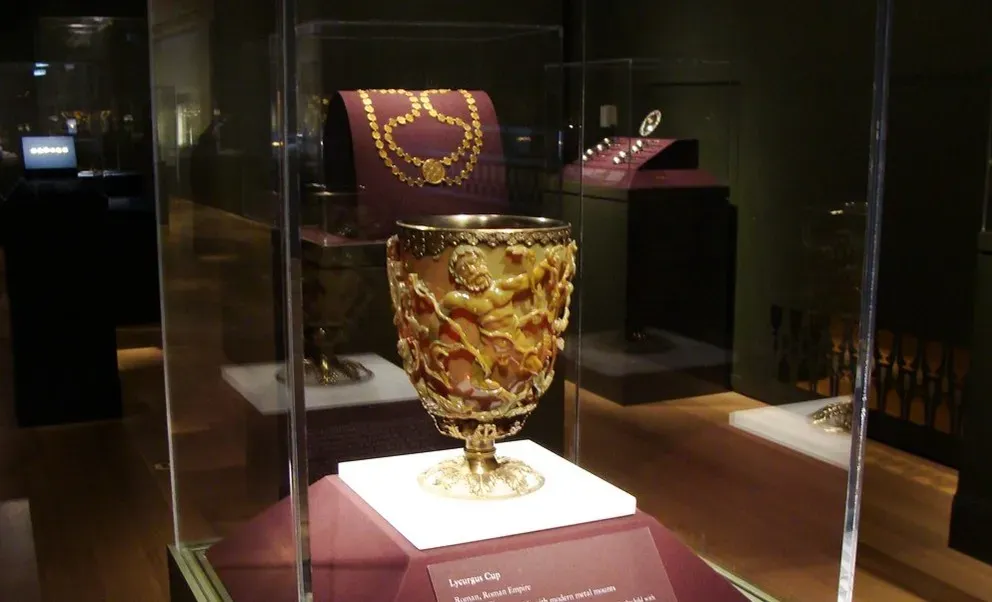
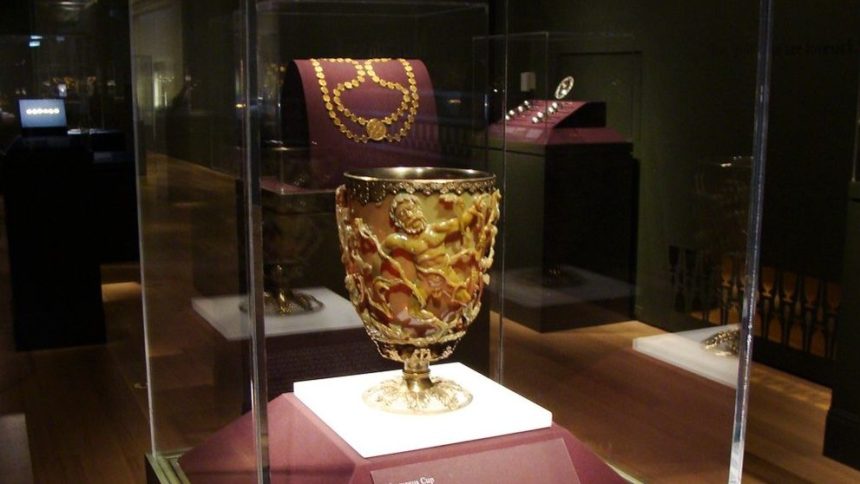
If there were nothing else to it, the fourth-century Lycurgus cup would be an amazing piece just for its ornate decorative glass cage depicting a mythical scene. Beyond surface-level beauty, the Lycurgus cup’s core composition is a genuine ancient wonder that leaves today’s experts scratching their heads. The cup’s glass is dichroic – it appears red when lit from behind and green when lit from the front.
The process used to create that dichroic effect requires the precise and measured manipulation of gold and silver nanoparticles. Nanotechnology was likely unknown to the Romans, as we only discovered it in the 1970s, so archaeologists are left with the unsatisfying assumption that the dichroism was likely formed accidentally. The Romans somehow achieved a nanoscale optical effect that modern scientists are still working to understand and reproduce.
The Iron Pillar of Delhi: Rust That Never Comes

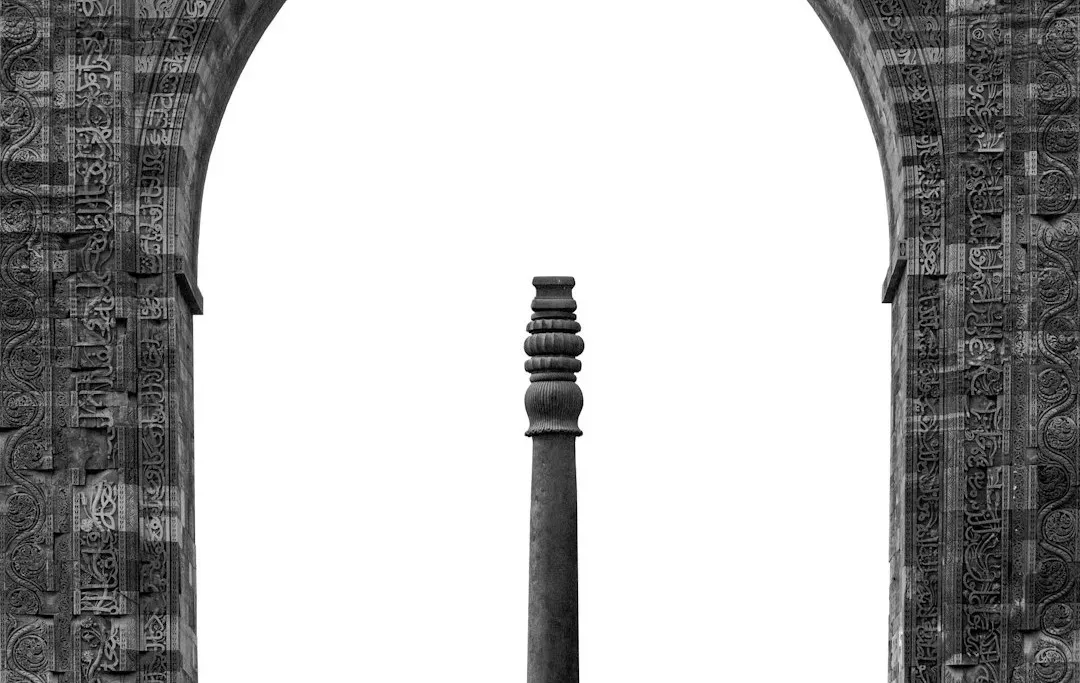
The Iron Pillar of Delhi, standing 23 feet tall, baffles observers not only due to its existence but also its resistance to rust. Erected over 1,600 years ago, its inscription in Brahmi script attributes it to King Chandra, celebrating a victory in battle. Despite exposure to various elements, this metallurgical wonder defies rust, showcasing the ancient Indian smiths’ exceptional skills.
Modern metallurgists have analyzed the pillar extensively and found that its remarkable corrosion resistance comes from a thin layer of a compound called misawite, which formed naturally over centuries through the forging process used by ancient craftsmen. The puzzling part is that the specific combination of techniques and impurities that produced this protection appears to have been entirely intuitive, not deliberate. Evidence for lost ancient technologies suggests that human development as a species may not have been strictly linear. Early civilizations have repeatedly made discoveries and invented techniques that we still can’t quite reproduce, even with all of our modern technology and insight.
The Nazca Lines: Massive Artworks Visible Only from the Sky

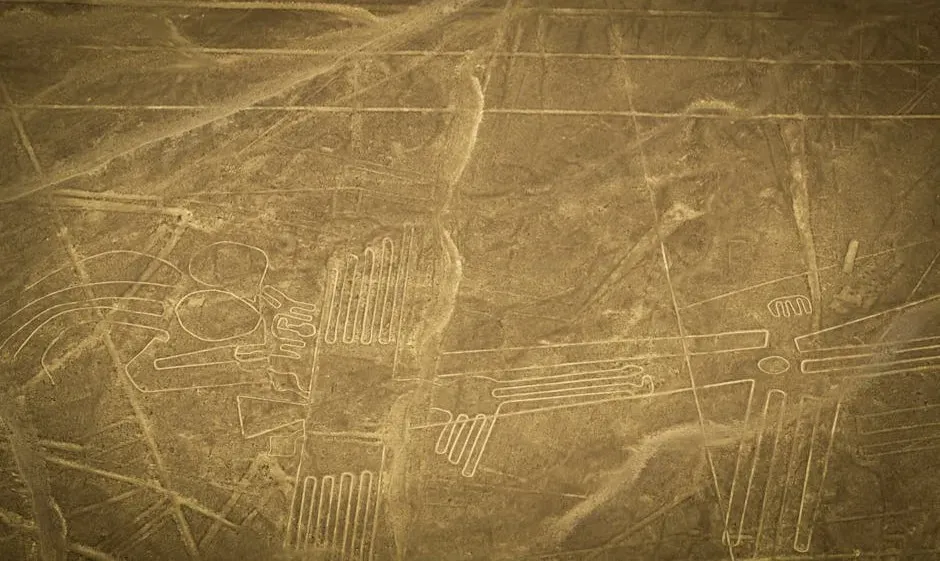
Between AD 1 and 700, the Nazca people of Peru carved 12 to 15 inches out of rust-colored rock, revealing the lighter-colored stone in deeper layers. The result was massive in-ground pictures of animals, plants, humans, and geometric shapes that are best seen from an airplane. The sheer scale of the undertaking, executed without any aerial vantage point, remains deeply puzzling.
Some outlandish theories suggest the carvings point to aliens or ancient astronauts, but researchers can’t agree on some of the more realistic theories either. Initial scholars suggested the Nazca Lines were connected to astronomy, while recent theories argue they were used for appealing to the gods for rain. Whatever their purpose, the organizational precision required to create figures spanning hundreds of meters without seeing the full image represents a cognitive and logistical feat we still can’t fully account for.
The Phaistos Disc: A Message Nobody Can Read

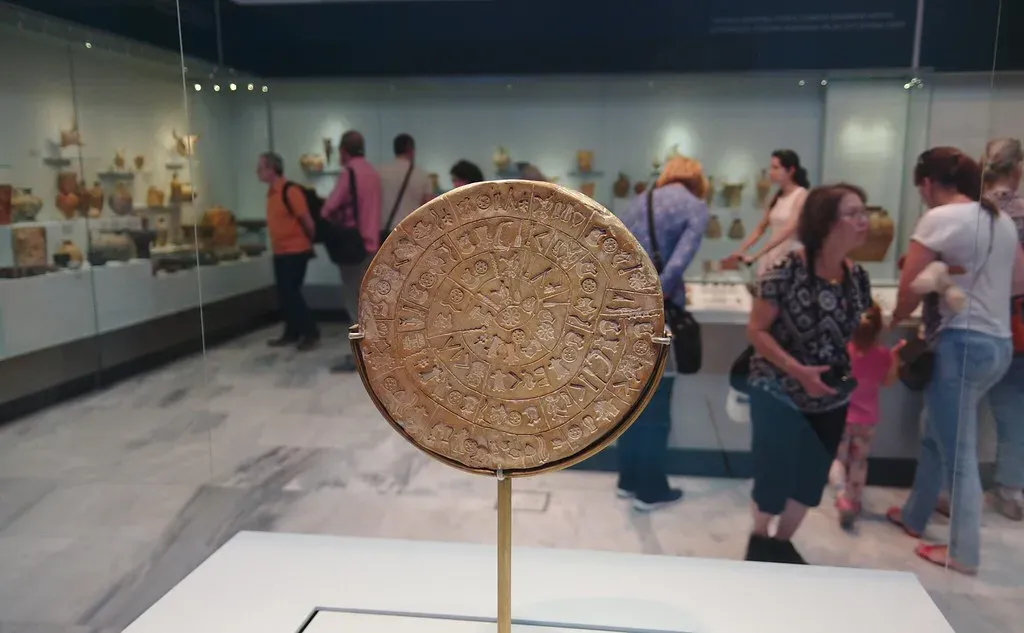
Discovered in 1908 in Crete, the Phaistos Disc, estimated to be 4,000 years old, remains an enigma. Covered in mysterious symbols, linguists and historians have struggled to decipher its purpose. Proposed explanations range from religious texts to hymns dedicated to a goddess of love. The disc’s true significance and the accuracy of any translations remain elusive.
The disc features 241 tokens made up of 45 distinct signs, arranged in a spiral pattern across both sides of a clay tablet. What makes it so unusual is that the symbols appear to have been stamped using individual seals, making it potentially the earliest known use of movable type in history. Yet without a second example of the same script anywhere in the archaeological record, there is simply no reference point from which to decode it. The disc sits in a museum in Heraklion, Greece, as perfectly preserved as the day it was made, still saying nothing we can understand.
Partner offer
Planning a trip to Vegas?
Compare hotel rates and show tickets on VEGAS.com.