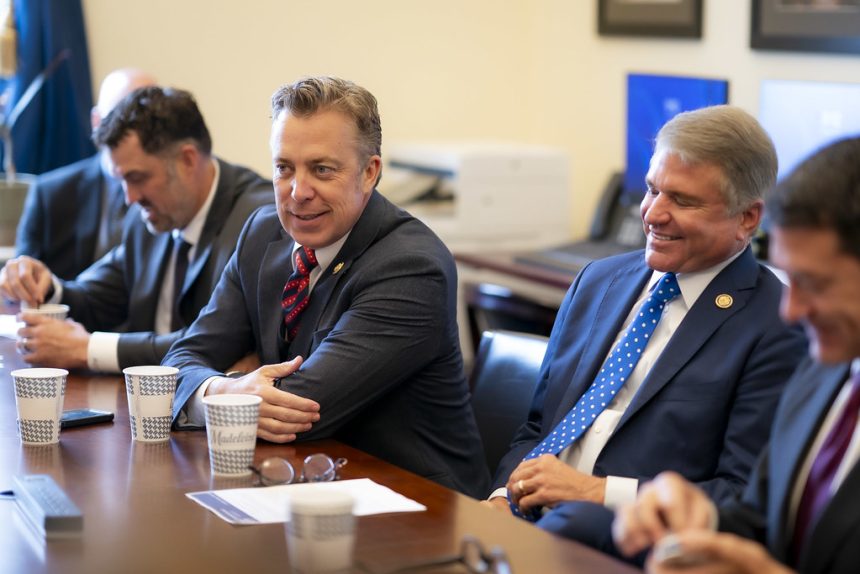
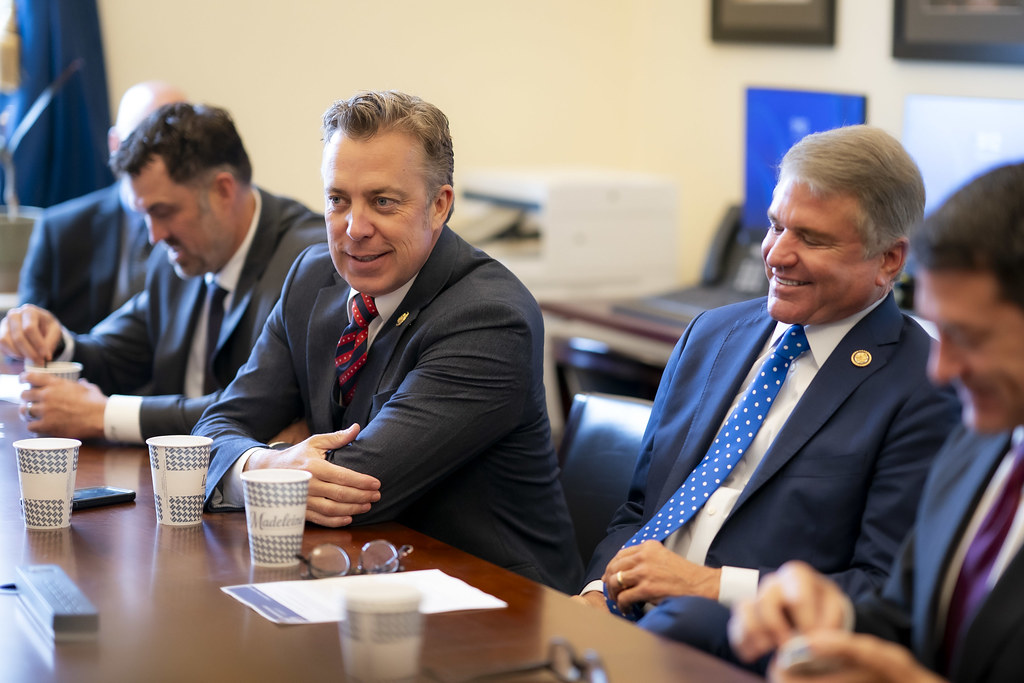

Travelers Bear Brunt of Prolonged Standoff (Image Credits: Flickr)
The partial shutdown of the Department of Homeland Security entered its 42nd day as the Senate approved a funding measure early Friday that covers most agency operations but excludes immigration enforcement. House Speaker Mike Johnson indicated he would consult fellow Republicans before charting a course forward.[1][2] This development came amid widespread disruptions at airports nationwide, where unpaid Transportation Security Administration workers have led to extended security lines during peak spring break travel.[3] The bill now awaits action in the House, where conservative opposition threatens its passage.
Travelers Bear Brunt of Prolonged Standoff
Lengthy delays at security checkpoints have plagued major airports for weeks, stranding passengers and complicating holiday journeys. TSA agents, along with other DHS personnel, have gone without paychecks as Congress deadlocked over budget priorities.[1] President Donald Trump directed the department to prioritize TSA compensation using available resources, providing temporary relief to frontline screeners.
Federal Emergency Management Agency staff and Coast Guard members also faced operational strains, though immigration enforcement continued uninterrupted on prior appropriations. The impasse stemmed from Republican demands for bolstered border security measures, which Democrats resisted as a precondition for full funding.[2]
Details of the Senate’s Compromise Package
The Senate advanced the legislation through a voice vote shortly after 2 a.m., with few members present. This approach sidestepped a roll call amid partisan tensions.
- Funds Transportation Security Administration operations, restoring paid screening at airports.
- Supports Federal Emergency Management Agency disaster response capabilities.
- Covers U.S. Coast Guard missions and most Customs and Border Protection functions, excluding border patrol.
- Excludes all funding for Immigration and Customs Enforcement, particularly removal operations.
- Imposes no new restrictions on existing immigration activities.
Senate Republicans framed the exclusions as a tactical move, pledging future enhancements to deportation efforts through budget reconciliation.[1]
GOP Frustration Boils Over in the House
Speaker Mike Johnson expressed reluctance to fragment DHS funding, stating it was not his preference. He emphasized the need for internal discussions, noting Republicans had previously approved comprehensive DHS budgets twice.[4] Johnson described the Senate’s approach as infuriating, accusing Democrats of prioritizing the protection of undocumented criminals over American travelers.
Conservative lawmakers voiced sharp criticism. Freedom Caucus Chair Andy Harris insisted on restoring ICE and border patrol allocations, potentially attaching the SAVE America Act for voter identification reforms before returning the measure to the Senate. House Majority Whip Tom Emmer highlighted widespread disgust among Republicans at the Senate’s unilateral action.[2] Moderates urged swift resolution to alleviate constituent hardships.
Uncertain Path Forward Amid Recess Pressure
The House scheduled potential votes Friday before a two-week recess, though procedural hurdles loomed. Passing the bill outright would demand near-unanimous GOP backing or Democratic assistance via suspension of rules – a maneuver restricted on Fridays without waiver.
Alternatives included crafting a counterproposal with full DHS funding and policy riders, or rejecting the Senate version entirely. Johnson planned morning huddles to assess conference sentiment, signaling no immediate commitment.[1] Democrats prepared their own caucus meeting, poised to support the package lacking GOP priorities.
Senate Republicans, absent until mid-April, left the onus on the House. Failure to act risked extending disruptions into the following week.
This funding skirmish underscores deeper divides on immigration policy, with Republicans viewing partial measures as a concession that undermines border integrity. Travelers and federal workers await resolution, as lawmakers balance urgency against ideological lines. What steps should the House take next? Share your thoughts in the comments.
Key Takeaways
- Senate bill funds TSA, FEMA, and Coast Guard but skips ICE and border patrol.
- 42-day shutdown has caused airport chaos and unpaid workers.
- House GOP, led by Johnson, debates passage amid conservative pushback.