There’s something almost impossible to believe about the way history actually works. The moments that reshape civilization, the ones that end up in every textbook and documentary, rarely start in capitals or grand palaces. They start in places most people have never heard of. A chapel in upstate New York. A church door in a quiet German town. A windswept strip of sand on the North Carolina coast.
It turns out that geography is far less important than timing, courage, and the willingness of a handful of people to say something out loud that everyone else was only thinking. These ten towns prove that point beautifully. Some of them are still tiny. A few became famous. All of them changed the world in ways that no one could have predicted at the time. Let’s dive in.
1. Wittenberg, Germany: Where One Document Split Christianity in Two

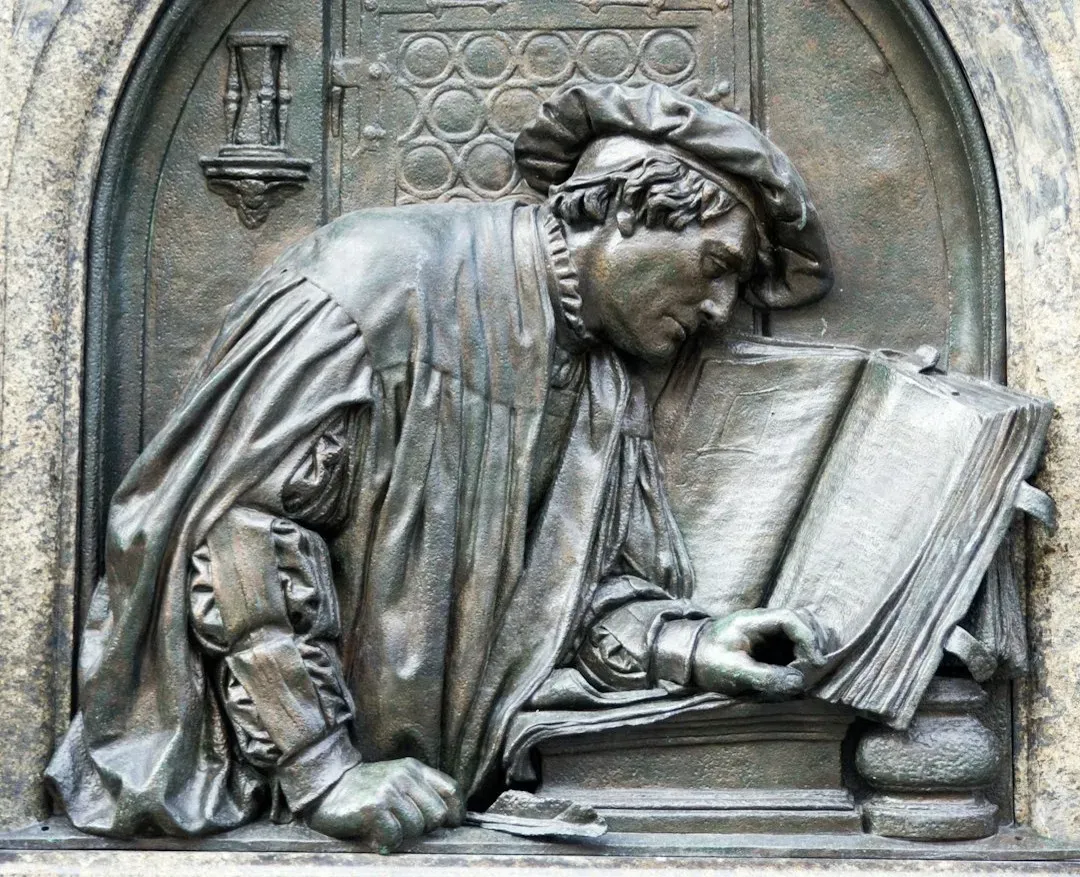
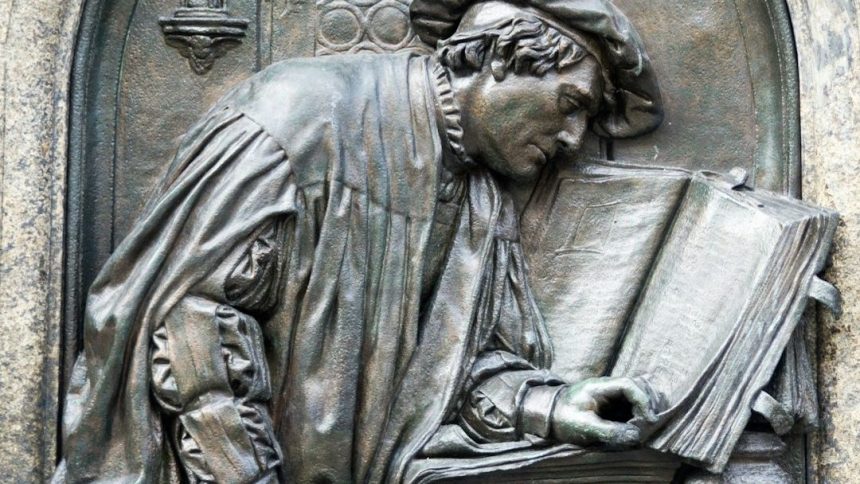
Honestly, it’s hard to overstate what happened in this modest German town in 1517. On October 31, 1517, according to legend, Luther nailed his “Ninety-five Theses” against the selling of indulgences to the door of the Castle Church, an event taken as marking the beginning of the Protestant Reformation and the start of a major branch of Western Christianity, Lutheranism. Think of it like nailing a complaint letter to your boss’s door, except the boss was the entire Catholic Church and the fallout lasted centuries.
The Ninety-five Theses were written in 1517 by Martin Luther, then a professor of moral theology at the University of Wittenberg, Germany. The Theses are retrospectively considered to have launched the Protestant Reformation and the birth of Protestantism. His beliefs helped birth the Reformation, which would give rise to Protestantism as the third major force within Christendom, alongside Roman Catholicism and Eastern Orthodoxy. A small university town produced a fault line that still runs through global religion today.
2. Seneca Falls, New York: The Convention That Launched Women’s Rights

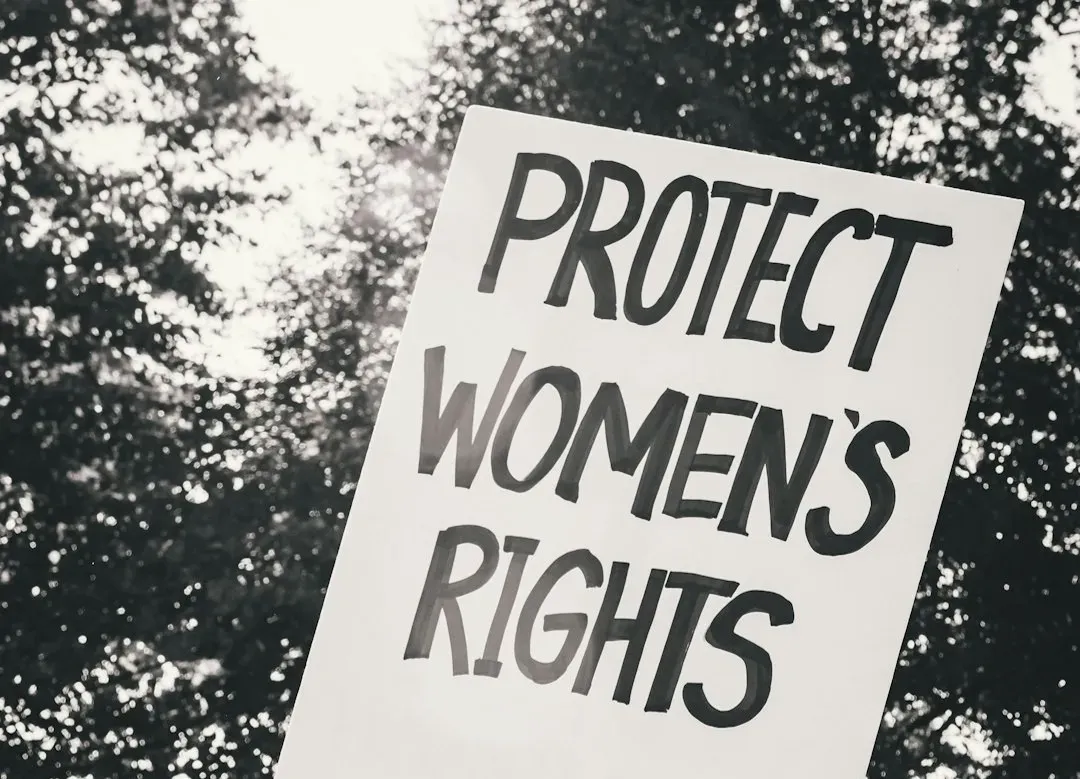
Few moments in democratic history feel as electric as what unfolded in this small New York town in the summer of 1848. On July 19 and 20, 1848, about 300 people met for two hot days and candlelit evenings in the Wesleyan Chapel in Seneca Falls, New York, in the first formal women’s rights convention ever held in the United States. The desire to address inequality and challenge the country to live up to its revolutionary promise led to this two-day convention, where 300 women and men gathered to debate Elizabeth Cady Stanton’s Declaration of Sentiments.
Following debate, the convention passed 12 resolutions, eleven unanimously, designed to gain certain rights and privileges that women of the era were denied. The ninth resolution demanded the right to vote and narrowly passed upon the insistence of Stanton. It nonetheless served as the foundation of the U.S. women’s suffrage movement, which culminated in ratification of the Nineteenth Amendment in 1920. Not bad for a gathering that almost didn’t happen.
3. Concord, Massachusetts: The Town That Fired the Shot Heard ‘Round the World

Concord is a name that still echoes with the sound of musket fire from April 19, 1775, when the first shots of the American Revolutionary War shattered the quiet of this small New England town. Locals and British troops clashed at the North Bridge in a moment that soon became a symbol of resistance against tyranny. What’s remarkable is how little the town itself seemed destined for greatness. It was a farming community. Quiet, settled, unremarkable in almost every way.
The town is home to the Old North Bridge, where fighting between the Colonial Militia and British lasted only a few seconds on April 19, 1775, before the British retreated back to Boston. Concord also has a rich literary history, since several famous authors such as Henry David Thoreau, Nathaniel Hawthorne, and Ralph Waldo Emerson lived in the charming town. Revolution and literature in one small address. Not a bad legacy at all.
4. Kitty Hawk, North Carolina: Twelve Seconds That Changed Everything

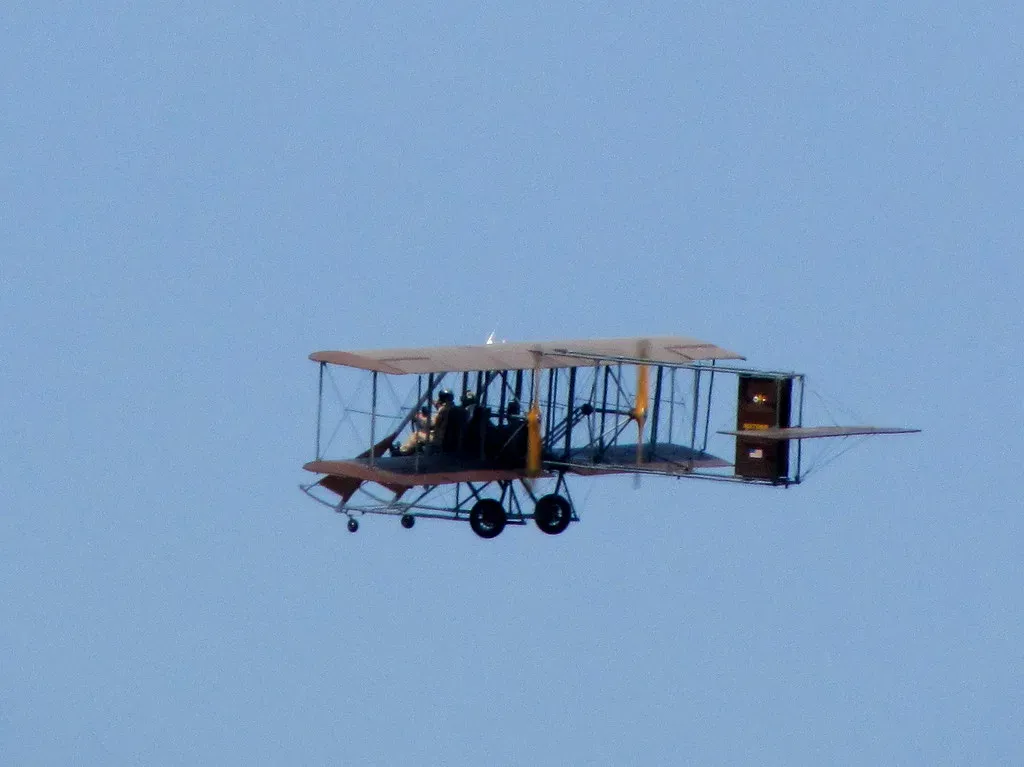
I know it sounds like a tall tale, but the entire age of aviation began in a freezing, wind-battered little fishing hamlet on the Carolina coast. Wind, sand, and a dream of flight brought Wilbur and Orville Wright to Kitty Hawk, North Carolina, where, after four years of scientific experimentation, they achieved the first successful airplane flights on December 17, 1903. The flight lasted just 12 seconds, traveled 120 feet, and reached a top speed of 6.8 miles per hour. Twelve seconds. That’s roughly how long it takes to read this sentence twice.
An inquiry with the U.S. Weather Bureau identified Kitty Hawk, North Carolina, with its sandy, wide-open spaces and strong, steady winds as an optimal test site. In September 1900, the Wrights made their first trip to the little fishing hamlet that they would make world famous. Less than 60 years after Orville flew the Flyer at Kitty Hawk, Neil Armstrong planted his footprint on the surface of the Moon. That progression from a 12-second hop to a moon landing is one of the most staggering arcs in human history.
5. Lexington, Massachusetts: Liberty’s First Battlefield

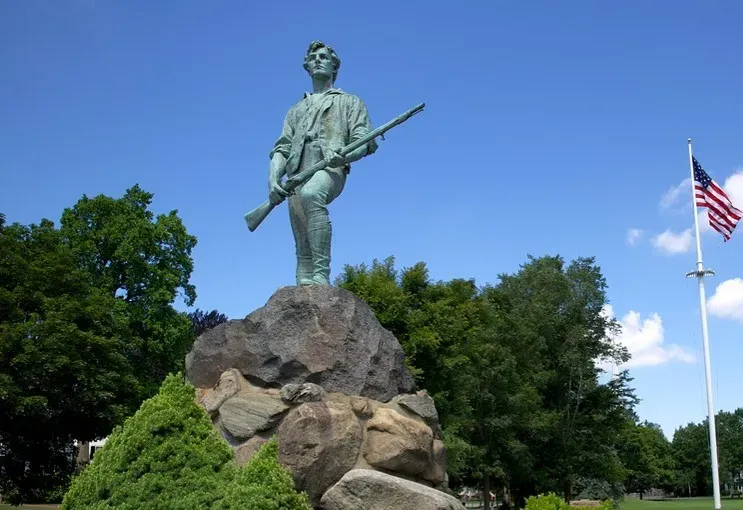
Just a few miles from Concord, this small Massachusetts town carries an equally enormous weight of history. Lexington, Massachusetts, is known as the “Birthplace of American Liberty” since the American Revolutionary War began at the Battles of Lexington and Concord. Lexington is another Massachusetts town where the first shots of the Revolutionary War were fired on April 19, 1775. Visitors can explore the Lexington Battle Green, where the colonial militia faced off against British troops.
A tour of the Lexington Battle Green provides history buffs the chance to walk where the first shots of the American Revolution were fired on April 19, 1775. The tour includes viewing the historic Henry H. Kitson Minutemen Statue, the Revolutionary War Monument from 1799, and the Old Belfry, which called the militia to the Battle Green. There is something genuinely moving about standing on that green, knowing that ordinary farmers once stood there and decided not to run.
6. Salem, Massachusetts: The Town That Forced a Nation to Confront Itself

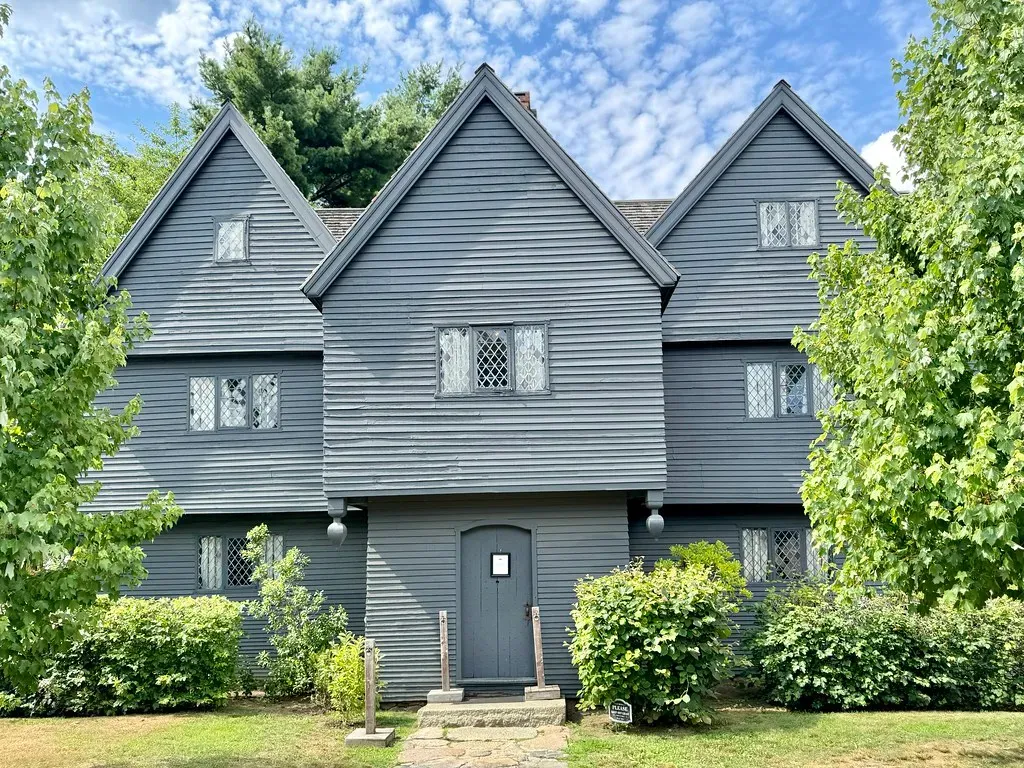
Salem is one of those towns that carries a darker kind of revolution, a social and moral reckoning that shook the foundations of justice and due process. The hysteria that swept through this small town forced society to confront the dangers of scapegoating and mob justice. Salem’s legacy is a powerful lesson on the importance of due process and the peril of unchecked authority. The witch trials of 1692 were not just a local tragedy. They became a mirror held up to the entire concept of civil liberties.
Even centuries later, the town’s story influences discussions about civil liberties and the justice system in the United States. Today, Salem has transformed its past into a thriving hub for historical tourism, drawing visitors from around the world to learn from its hard-earned lessons. It is a genuinely rare town that turns its most shameful chapter into its most important public lesson. Salem has managed exactly that.
7. Plymouth, Massachusetts: The Seed of American Self-Governance

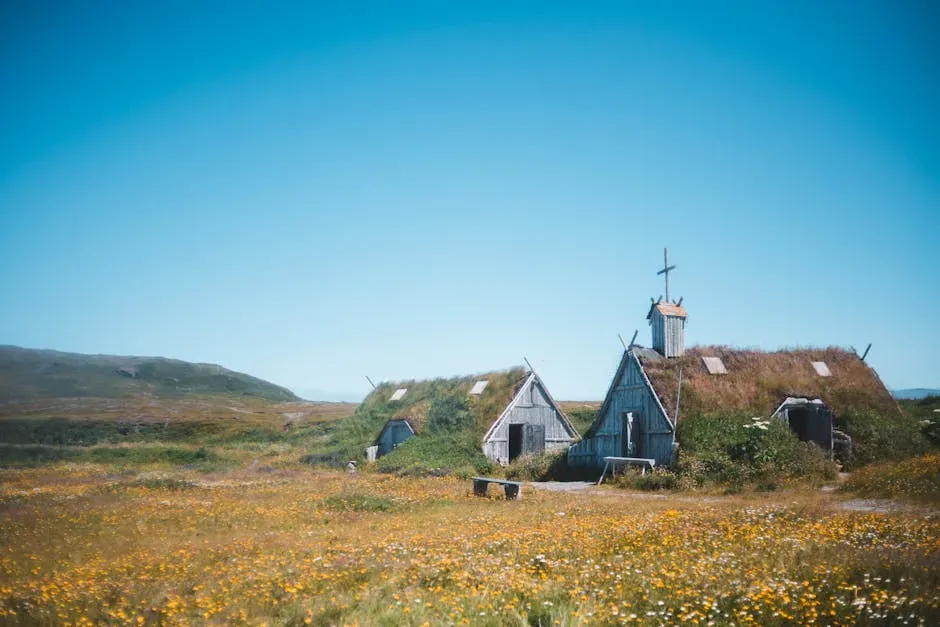
Before there was a constitution, before there was a nation, there was a tiny coastal settlement and a document signed aboard a ship. This coastal settlement became the cornerstone of American colonial history when the Mayflower Pilgrims established their colony in 1620. The town witnessed the signing of the Mayflower Compact, one of the first documents establishing self-governance in the New World. That idea, that ordinary people could agree to govern themselves, was genuinely radical at the time.
Think of it as a prototype. The Mayflower Compact was rough, imperfect, and limited in scope. Yet it planted a conceptual seed that would eventually grow into representative democracy on a continental scale. The American Revolution brought about independence for the Thirteen Colonies of British America. This was the first European colony to claim independence. It was the birth of the United States of America, ultimately leading to the drafting and ratification of a U.S. Constitution. Plymouth, in a very real sense, was where that whole chain began.
8. Bletchley, England: The Quiet Town That Helped Win World War II

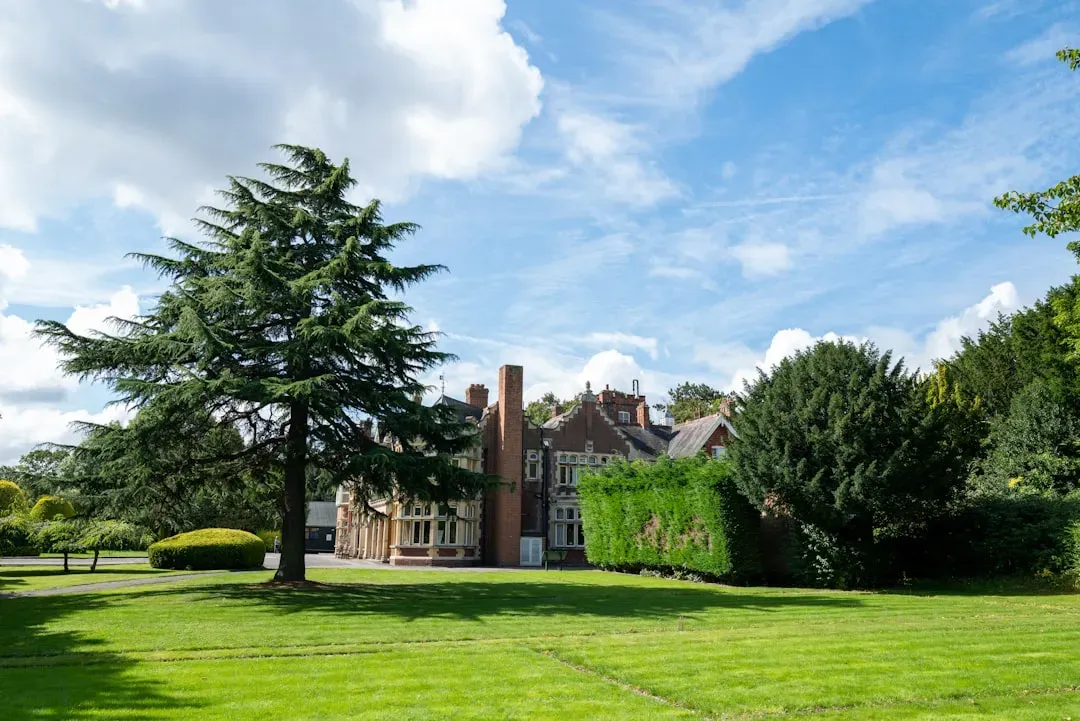
Most people have never heard of Bletchley, and for decades that was entirely intentional. This Victorian estate turned top-secret facility housed the codebreakers who cracked Nazi Germany’s Enigma machine during World War II. The groundbreaking work of Alan Turing and thousands of others shortened the war by years and saved countless lives. The development of early computing technology at Bletchley Park laid the foundation for the digital revolution. A country estate in a sleepy English town essentially birthed the modern computer age.
The town’s crucial role remained classified for decades after the war’s end. Here’s the thing about Bletchley: its revolution was invisible at the time. The people who worked there could not tell their families what they were doing. They could not claim credit. They could not even acknowledge the magnitude of what they had accomplished. Yet the intellectual framework they built at that remote estate still underpins the digital world we all live in today.
9. Woodstock, New York: The Town That Didn’t Even Host Its Own Festival

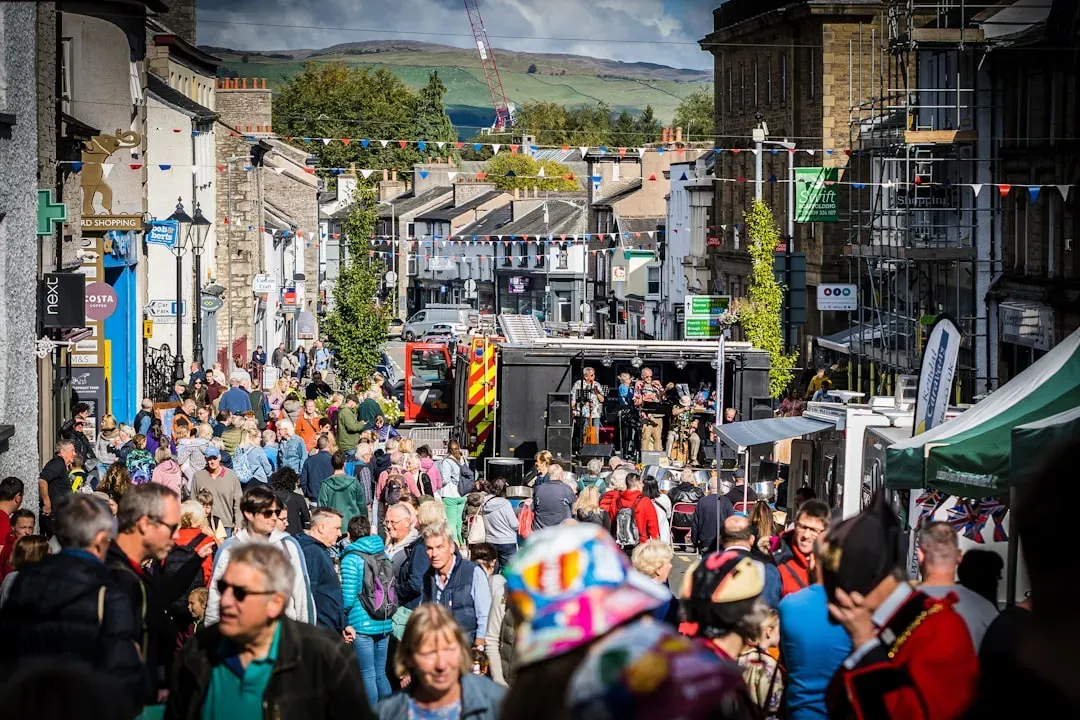
This one is almost too good. Woodstock’s name is forever linked with the counterculture revolution of the 1960s, despite the famous festival actually taking place 40 miles away. The town became a magnet for artists, musicians, and dreamers searching for freedom and self-expression. That fact alone should tell you everything about how revolutions are remembered versus how they actually happen. The name sticks. The geography is almost beside the point.
What Woodstock represented was a genuine cultural upheaval, a rejection of postwar conformity and a demand for personal freedom that reshaped art, music, fashion, and politics across an entire generation. The ripple effects of that counterculture energy touched everything from environmental activism to civil rights organizing. From the birth of religions to scientific breakthroughs and political revolutions, some of the most pivotal moments in human history emerged from unexpected places. These seemingly ordinary towns became extraordinary catalysts for change that rippled across centuries and continents.
10. Gori, Georgia: The Small Town That Shaped the Soviet Century

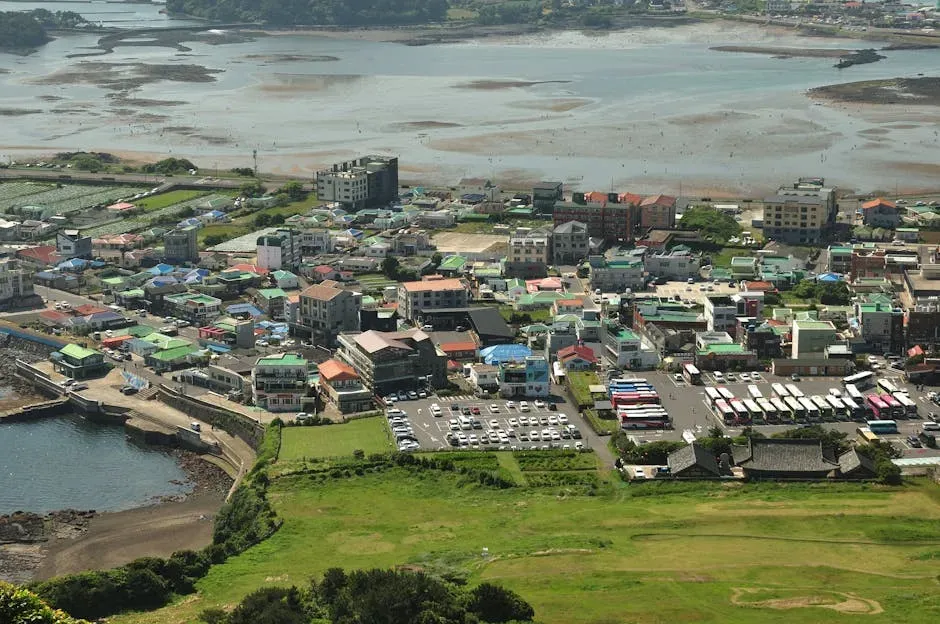
Not every revolution born in a small town is something to celebrate. Gori, a modest town in the Caucasus region of present-day Georgia, is a sobering case study in the way place and person can combine to reshape the entire world. Gori, a modest town in the Caucasus, is known worldwide as the birthplace of Joseph Stalin, one of the most influential and controversial figures of the twentieth century. Stalin’s legacy shaped the Soviet Union, affecting the lives of hundreds of millions across Europe and Asia. While many in Gori remember him as a native son, the town has also become a place of reflection on the consequences of totalitarianism and unchecked power.
Museums and exhibits in Gori prompt visitors to confront the complexities of history and the far-reaching impact of decisions made in the smallest of places. The story of Gori is a powerful reminder that revolutionary change can be double-edged, bringing both hope and hardship. Gori forces us to ask an uncomfortable question: what exactly do we mean by revolution? Change, it turns out, is morally neutral. It is the direction that matters, and direction is always a human choice.
The Bigger Picture: Why Small Towns Punch Above Their Weight

There is a pattern running through all ten of these places, and it is worth naming directly. None of them had the resources, the population, or the strategic importance that you would expect from a birthplace of world-changing events. What they had instead was a convergence: the right people, the right moment, and just enough distance from the centers of power to act freely. The Industrial Revolution was the transition to new manufacturing processes in the period from about 1760 to sometime between 1820 and 1840. It marked a major turning point in history and almost every aspect of daily life was influenced in some way. Even that transformation, colossal as it was, grew from towns and mills that nobody considered significant at the start.
Revolutions, it seems, are allergic to obvious places. They tend to break out in corners, in chapels, on windswept beaches, in the parlors of five women sharing tea and frustration over their circumstances. The atmosphere of reform and agitation in Seneca Falls and nearby Waterloo led several women to meet at the Hunt House in Waterloo on July 14, 1848, to discuss the inferior status of women. During the meeting, Elizabeth Cady Stanton, Lucretia Mott, Martha Wright, Jane Hunt and Mary Ann M’Clintock decided to organize an open convention to discuss the position of women in American society. That meeting, in a private home over a shared grievance, became one of the most consequential gatherings in democratic history. Which small town is quietly writing the next chapter right now? That’s worth thinking about.