Agatha Christie’s plots look tidy on the page, with every clue in place and every alibi accounted for. The mess happened beforehand, in a pile of notebooks that survived her.
These weren’t elegant leather journals. They were ordinary exercise books and cheap notepads, filled with scribbled ideas, crossed out names and half abandoned solutions. They show how the Queen of Crime worked before she started a chapter.
A Stack of Notebooks, Not a Single Master Plan


Christie’s working notes survive in 73 notebooks, according to the scholar John Curran, who studied them with the family’s permission. He wrote about them in Agatha Christie’s Secret Notebooks, published in 2009. They were kept at her home, Greenway in Devon, and at other family properties.
The notebooks are not tidy. Ideas for different books sit side by side, and one page might hold plot sketches, a shopping list and a note about a dinner. Christie never organised them into a system, which tells you a lot about her method.
Where the Ideas Actually Came From


Christie said in her autobiography that her best ideas came during ordinary routines, such as washing up or taking a bath. She also joked about eating apples in the bath while she thought. The spark usually arrived away from the desk.
She would then jot the idea down in a notebook, often in a line or two. A striking situation, an unusual poison or a twist on who the killer might be was enough to start with. The detail came later.
Testing Several Killers Before Choosing One

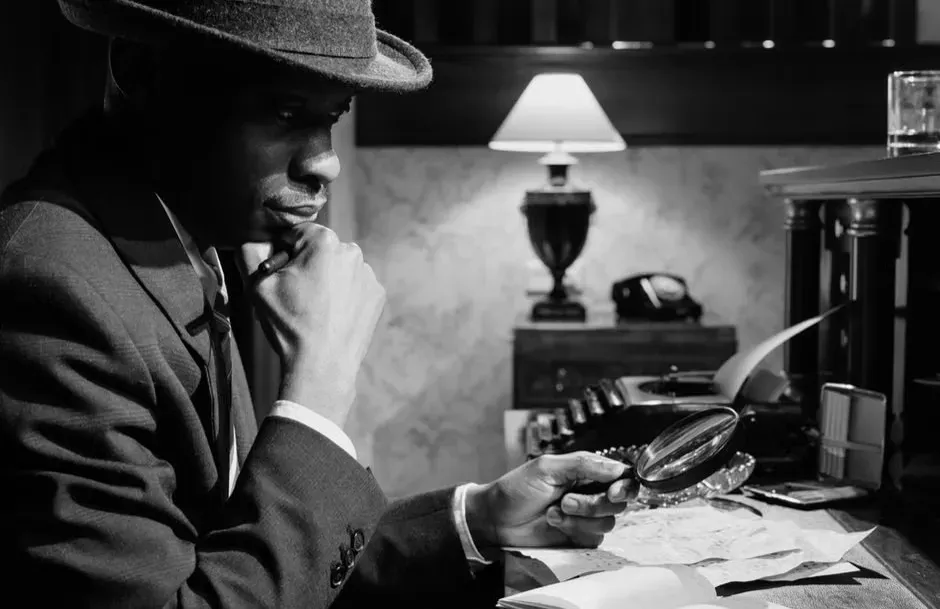
Curran’s research shows that Christie often wrote out more than one possible solution. She would list the characters, consider who might be guilty, and weigh each option. In some books the culprit changed during planning.
That flexibility helps explain why her surprises work so well. She tested the plot from the reader’s side, asking who would be least expected and whether the clues would still hold. The final choice was a decision, not an accident.
Building the Cast and the Setting


Her notebooks include lists of characters with brief details about who they are and what they want. Names were often tried out and swapped. A village, a country house or a train gave her a closed circle of suspects.
She drew on places she knew, including hotels, archaeological digs and the English countryside. Her travels with her second husband, the archaeologist Max Mallowan, fed settings such as the Middle East. The notes show her fitting the people to the place.
Partner offer

Poisons, Procedures and the Pharmacy Years


Christie worked in a hospital dispensary during the First World War, and she later worked in a pharmacy as well. That experience gave her real knowledge of drugs and poisons. It shows in how precisely she handled them in novels such as The Pale Horse.
Her notes contain reminders about how substances act and how they could be given. Reviewers have long noted how reliable her toxicology was for its time. The research was part of the plan, not an afterthought.
Clues, Red Herrings and the Timeline


Planning also meant deciding which clues to show and which to hide in plain sight. Christie worked out what each character knew and when, so the timeline held together. A misleading detail had to be fair, because readers expect to be tricked but not cheated.
Her best known tricks rely on this discipline. In The Murder of Roger Ackroyd, published in 1926, the narrator’s account had to be technically honest throughout. That kind of construction doesn’t happen without careful notes.
From Notebook to Typescript


Once the outline satisfied her, Christie wrote the book itself fairly quickly. She wrote by hand and typed, and in later years she dictated, according to accounts of her working habits. The notebooks stayed as a loose map rather than a rigid script.
She did not always follow the plan exactly. Curran has shown that some books changed noticeably between the notes and the finished text. Characters were dropped, merged or given new roles as the story took shape.
Plans Kept for the Future

Christie wrote Curtain, Poirot’s last case, in the 1940s and kept it locked away for decades. It was published in 1975, not long before her death in 1976. Sleeping Murder, the final Miss Marple novel, was also written during the war years and released after her death.
Her planning habit made this possible, since she knew the endings before she wrote them. Her notebooks, now studied by scholars and fans, remain the clearest record of how she built her puzzles. They show a writer who solved her mysteries on paper before readers ever tried.
What the Notebooks Reveal


The notebooks show a method built on a strong central idea, several candidate solutions and fair clues. Christie combined real knowledge of poisons and places with patient testing of the plot. She chose the surprise, then arranged everything around it.
That is why her books reward rereading. The twist is not a trick added at the end but the foundation she laid before writing the first page.
Partner offer
Planning a trip to Vegas?
Compare hotel rates and show tickets on VEGAS.com.