Think about the grandest structures humans have ever built. Towering pyramids, sprawling road networks, elaborate bureaucracies governing millions of lives across continents. Empires always feel permanent until they don’t. The patterns that lead to their collapse repeat themselves across centuries and civilizations, yet each generation seems surprised when history rhymes yet again.
Understanding why empires fall matters more than you might think. These collapses didn’t happen overnight. They unfolded through predictable stresses that eroded once mighty systems from within and without. What’s unsettling is how many of these warning signs appear in our modern world, dressed in different clothes but following remarkably similar scripts.
When Inequality Reaches a Breaking Point

Recent research published in Nature Communications shows that widening wealth gaps preceded major imperial declines in both Rome and the Han Dynasty, as higher inequality increased the potential for political instability and collapse of empires. The numbers tell a stark story. In the Han Empire, the richest one percent earned roughly one quarter of total income, while in Rome the figure was closer to one fifth. Think about what happens when the people at the bottom stop believing the system works for them at all.
Based on these findings, research argues that high internal inequality might help explain the crisis faced by the Han dynasty from its early years. The wealthy found ways to avoid taxes. The poor struggled to survive. Meanwhile, elites extracted resources while contributing less to the common good. Anger and resentment built up at the base of the economic pyramid, not just infighting at the top.
Here’s what matters today: economic inequality isn’t just unfair, it’s structurally destabilizing. Societies can tolerate only so much disparity before the social contract frays beyond repair.
Stretching Too Far, Too Fast

Empires get greedy. They expand beyond their ability to actually govern or defend what they’ve claimed. The overexpansion of the Roman Empire presented numerous challenges, including defense difficulties, logistical strain, cultural assimilation issues, economic drain, reliance on mercenaries, internal strife, and strategic vulnerabilities, which collectively contributed to the decline of the empire. Honestly, it’s hard not to see the parallels with modern superpowers maintaining hundreds of military bases worldwide.
Administrative capacity matters more than military conquest. The Roman Empire stretched from the Atlantic Ocean to the Euphrates River, and this vast territory helped lead to its downfall as the Empire faced an administrative and logistical nightmare. You can’t effectively manage what you can’t reach or comprehend. Communication breakdowns, rebellions on distant frontiers, and the astronomical cost of garrisoning far-flung territories all drain resources from where they’re actually needed.
As more funds were funneled into military upkeep, technological advancement slowed and Rome’s civil infrastructure fell into disrepair. Roads crumbled. Aqueducts leaked. The things that made the empire function deteriorated while leaders focused obsessively on expansion and defense.
When the Center Cannot Hold
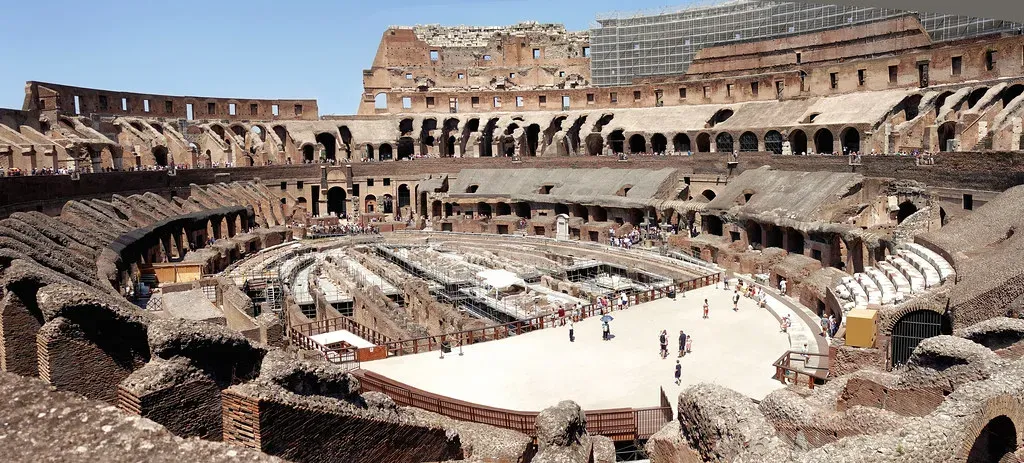
Political fragmentation is a killer. Ottoman decline generally refers to the last two centuries when the empire struggled and failed to recover from political, economic, military, and social crises resulting from an interplay of external and internal developments. Power struggles among elites, weakened central authority, succession crises, and regional breakaway movements all signal that the glue holding an empire together has dissolved.
Analysis of the Qing Dynasty concludes that the end of imperial rule in China was driven largely by internal sociopolitical strain brought on by demographic pressure, conflict among the ruling classes, and the inability of state institutions to maintain function in the face of mounting challenges. When different factions compete for control rather than cooperate for stability, the system eats itself from within.
Let’s be real: institutions only work when people believe in them and when elites prioritize the system’s survival over their personal power. Once that breaks down, collapse accelerates rapidly.
Nature Doesn’t Negotiate

Climate reconstruction evidence confirms prolonged environmental variability across the later Roman imperial period, and associations show that climate change on the order of one to three degrees on decadal timescales substantially stressed ancient societies and increased susceptibility to major health impacts. Droughts, crop failures, and resource scarcity don’t care about your empire’s military might or economic sophistication.
Evidence has mounted that unusual shifts in atmospheric patterns took place near the end of the Classic Maya period, lending credence to the notion that climate, and specifically drought, played a hand in the decline of this civilization. The Maya built elaborate water management systems, but when megadroughts lasting decades hit, even their engineering brilliance couldn’t compensate. Research combining archaeological and paleoclimate data shows civil conflict increased significantly at Mayapan, and modeling correlates strife with drought conditions between roughly 1400 and 1450, as prolonged drought escalated rival factional tensions.
Scientific synthesis confirms the Roman Empire rose during stable and favorable climatic conditions, which deteriorated during the third-century crisis, with a briefer period of favorable conditions coinciding with recovery in the fourth century. Environmental stress amplifies every other vulnerability.
Losing the Consent of the Governed
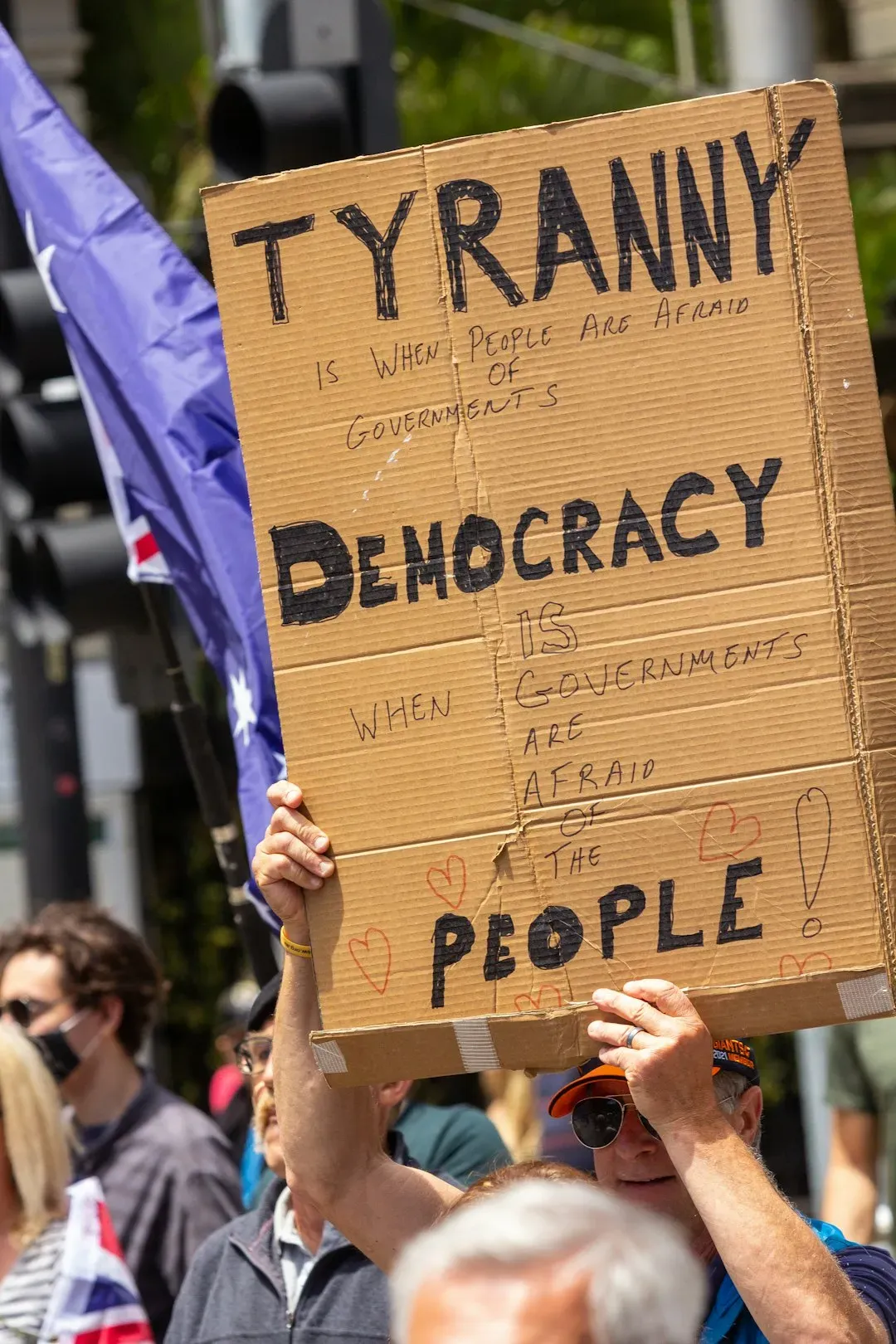
Legitimacy isn’t granted permanently. It’s earned continuously through performance and perception. Research from Cambridge University Press indicates that when empires retained control after 1950, they exercised it in the name of nation-building, as the idioms of legitimacy which had justified the practice of empire collapsed. Once people stop believing rulers govern in the public interest, the entire edifice becomes vulnerable.
Studies show that with every additional political loss, acceptance of decisions and perceived legitimacy of the decision-making process diminishes, and three accumulated losses depress the perceived legitimacy of the political system as a whole. Trust erodes gradually, then suddenly. When populations conclude the system is rigged against them, compliance becomes forced rather than voluntary, and forced compliance is expensive and fragile.
I think this is where modern democracies should pay close attention. Legitimacy crises don’t announce themselves with fanfare. They creep in through broken promises, visible corruption, and the sense that outcomes are predetermined regardless of public input.
Bureaucratic Sclerosis

Large governing systems develop a powerful instinct for self-preservation that often conflicts with adaptation. Complex bureaucracies become inefficient over time, prioritizing procedures over outcomes and internal politics over external threats. Decision-making slows to a crawl during crises precisely when speed matters most.
Historical analysis shows sultans proved unable to cope with administrative and social change, the central government lost authority over provinces, and ethno-national civil disorder plagued the internal dynamics of the empire. The machinery of government becomes so elaborate that nobody can actually steer it anymore. Reform efforts get tangled in layers of vested interests and established procedures.
Modern organizations face similar dynamics. The bigger the institution, the harder it becomes to change course. Bureaucracies designed for one era’s challenges struggle to address new threats that don’t fit existing categories or procedures.
Military Power Has Limits
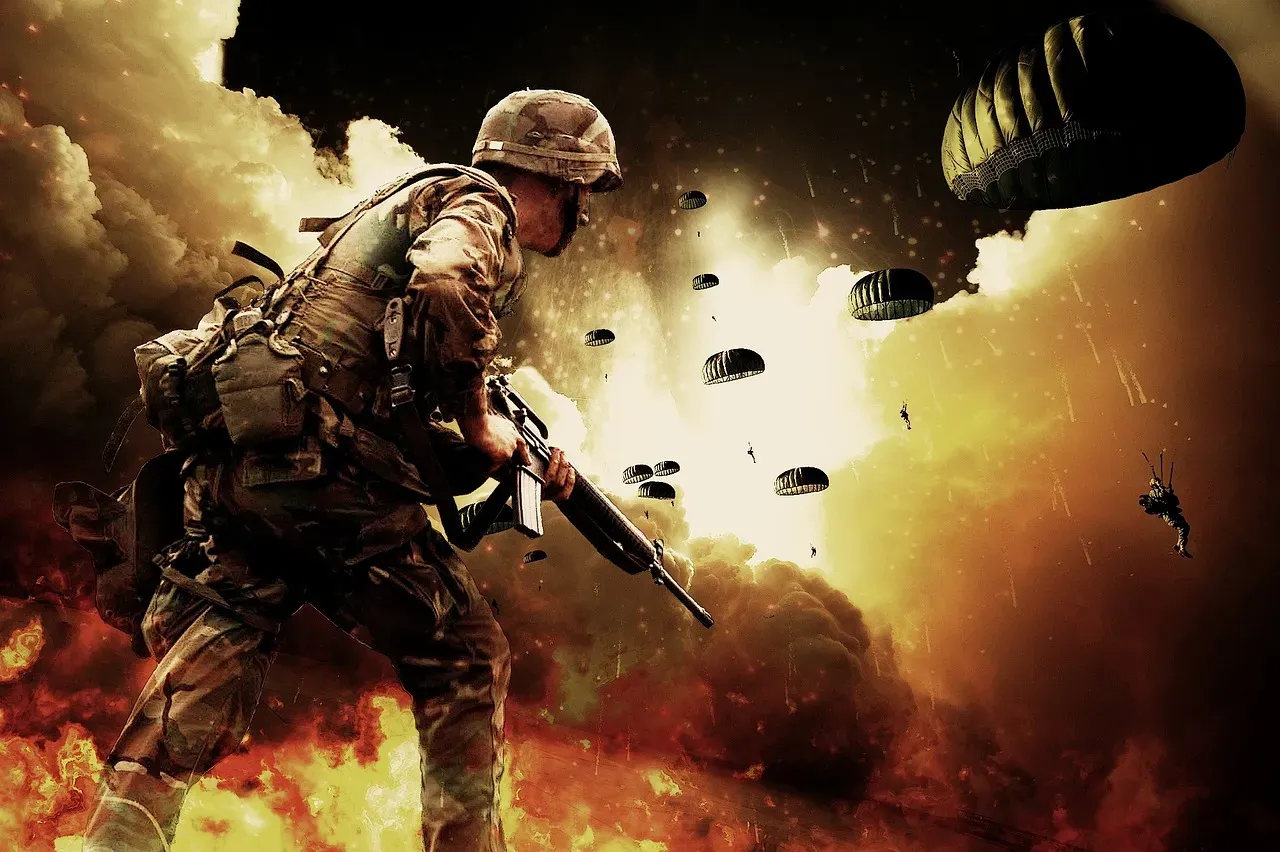
The military of the Ottoman Empire remained an effective fighting force until the second half of the eighteenth century when it suffered a catastrophic defeat against Russia in the war of 1768-74. Military dominance can mask underlying weaknesses for a long time, but it cannot compensate for economic collapse, political dysfunction, or loss of social cohesion indefinitely.
Competition between states focused on increasing strain put upon the Qing during the late nineteenth and early twentieth centuries by contemporary imperial powers, and this competition led to numerous wars resulting in dramatic loss of life, ceding of territory, and large financial strain, with the argument being that the Qing simply lost capacity to maintain stability. Even strong armies fail when economic and political institutions crumble beneath them.
The lesson seems clear: military strength buys time, but it doesn’t solve structural problems. Empires that invest everything in military capacity while neglecting everything else end up with expensive armies presiding over collapsing societies.
Cohesion Beats Size

Bigger isn’t always better. Research from Stanford University indicates that empires with high internal cohesion lasted longer than larger but divided states, even when facing external threats. A smaller, unified entity can respond more effectively than a sprawling giant riddled with internal divisions and conflicting loyalties.
Comparative study of empires argues that trans-provincial trade within the Roman Empire between its peripheries was instrumental for imperial integration and durability, while lower levels of region-wide coordination, characteristic of the Soviet Union where inter-Republic economic relations were wired via Moscow, are associated with vulnerability to imperial fracture. When regions depend on each other through genuine economic and social ties, the whole becomes more resilient than when everything flows through a single center.
Think about what holds communities together. Shared identity, mutual benefit, common purpose. When those bonds weaken and people identify primarily with their local group rather than the larger whole, the empire is already fragmenting even if borders haven’t changed yet.
The Slow Fade of Empires

The decline of empires happens gradually due to many economic, social, and political problems. Hollywood likes dramatic collapse scenes, but reality is messier and slower. Empires don’t usually fall overnight. They decay across decades or even centuries, through accumulating stresses that compound and interact in complex ways.
The ninth-century collapse and abandonment of the Central Maya Lowlands resulted from complex human-environment interactions, as large-scale landscape alterations and demands on resources generated high-stress conditions amplified by increasing climatic aridity, and these changing conditions generated increasing societal conflicts and led to decisions to move elsewhere, after which the environment largely recovered although the population never did. People adapt, migrate, reorganize. The old order fades not with a bang but through thousands of individual decisions that collectively reshape the landscape.
While the Eastern Roman Byzantine Empire endured stresses through institutional adaptation, the West proved more vulnerable, and climate did not cause the fall of Rome in a mechanistic sense but shaped the context in which collapse occurred through unrelenting pressure of natural forces. Multiple causes interact. No single factor explains everything, but patterns repeat across time and space.
What This Means for Us

These aren’t just history lessons. Every warning sign from past empires appears somewhere in our modern world. Economic inequality reaches historic levels in many countries. Overextended commitments strain resources. Political polarization fragments societies. Climate change accelerates. Trust in institutions erodes. Elites resist reforms. Bureaucracies ossify.
Modern civilization is still governed by weather and water, and unlike the ancients, we possess models, warnings, and foresight, but lack coordination, as our current infrastructure from global supply chains to electric grids is vulnerable in ways similar to the canal-fed systems of Mesopotamia, and the true parallel with the ancient world lies in our failure to act, as political polarization, economic short-termism, and cultural denialism have produced paralysis where resilience is needed most.
The difference is we have historical perspective those earlier civilizations lacked. We can see the patterns. We understand the mechanisms. The question is whether we’ll use that knowledge to adapt and strengthen our systems, or whether we’ll repeat the same mistakes while telling ourselves this time is different. History suggests humility might be our most valuable asset. So what patterns do you recognize in the world around you? The lessons are there, waiting to be learned or ignored.