


Building Careers Through Development Programs

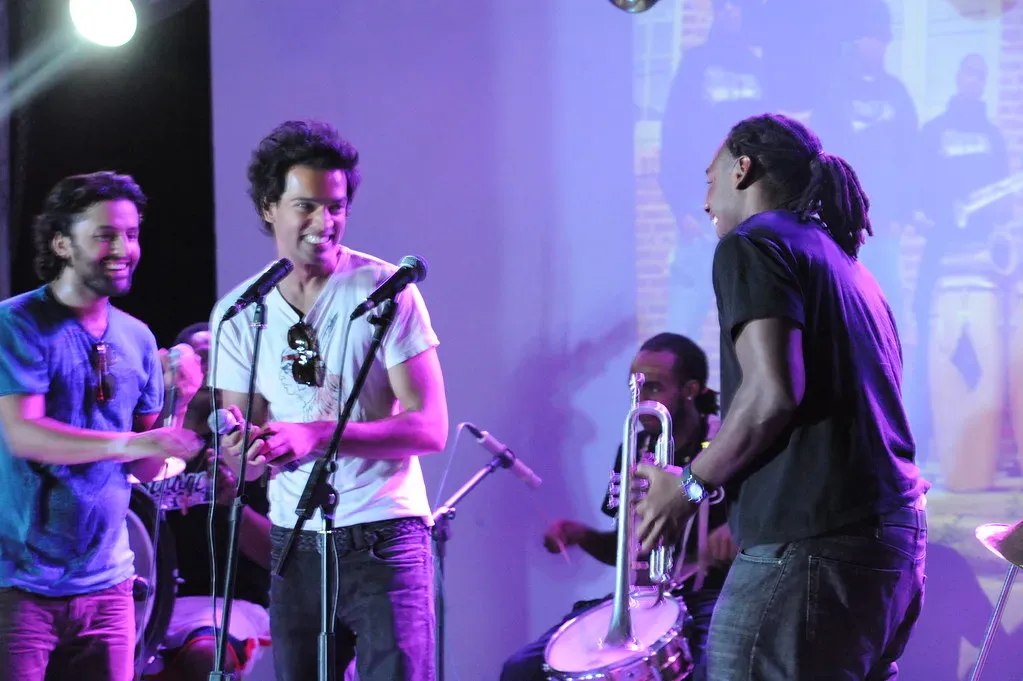
Festivals have transformed from simple music events into full-scale career incubators for artists at various stages of their journey. Let’s be real, the old model of just tossing musicians onto a stage for thirty minutes and calling it a day isn’t cutting it anymore.
Programs like the Manchester Music Festival emphasize artistic growth, intensive chamber music study, and professional development for participants. The festival’s structure allows students to learn not just through coaching but by rehearsing and performing alongside faculty and guest artists. This hands-on mentorship approach creates opportunities that extend far beyond a single performance slot.
What’s fascinating is how these development initiatives are becoming the backbone of festival culture. Artists aren’t just showing up for the paycheck or exposure anymore. They’re gaining access to networks, receiving guidance from industry veterans, and learning the business side of their craft in ways that traditional education programs rarely provide.
Championing Mental Health and Wellness

A 2024 MusiCares survey revealed that over eight percent of respondents within the music industry had serious thoughts of suicide, notably higher than the five percent rate among the general population. That statistic should hit you hard because it reflects a crisis the industry can no longer ignore.
The Park City Song Summit featured yoga, meditation, song baths, alcohol-free drinks, IV drips, and emphasized mental health and wellness alongside its musical performances. Here’s the thing: festivals like this are acknowledging that the grueling nature of touring, performing, and maintaining a public persona takes a genuine toll on artists. The festival created intimate settings where artists could be vulnerable and transparent about mental health, chemical dependency, trauma, and their creative process.
The Sound Mind Music Festival brought together artists and organizations to create community and catalyze social change for mental health, with artists sharing their own mental health journeys while experts shared resources and self-care tips. These aren’t just feel-good initiatives. They’re potentially lifesaving interventions happening right where artists gather.
Confronting the Fair Pay Problem

Now, not all support looks like support when you dig into the numbers. For the 2024 SXSW festival, organizers collected roughly $385,495 in application fees from musicians while paying out only approximately $57,820 to all artists combined, with application fees increasing over fifty percent since 2012. That’s basically theft dressed up as opportunity.
After community pressure and artist unrest including petitions signed by nearly 2,500 artists, SXSW raised rates to $150 per solo artist and $350 per band. The increase came from organizations like the United Musicians and Allied Workers pushing back against exploitative practices. Still, those rates barely scratch the surface of what artists spend traveling to, staying in, and promoting their festival appearances.
Some festivals like Sing Out Loud in St. Augustine pay local artists $400, up from $250 before the pandemic, deliberately budgeting to provide platforms and fair payment. It’s proof that festivals can prioritize artist compensation when they genuinely want to support emerging talent rather than exploit it.
Tackling Housing and Accommodation Challenges

Housing during festival season has become absurdly expensive, creating barriers for artists who can’t afford thousand-dollar-a-week rentals. The Edinburgh Fringe Society secured 1,200 rooms for performers at £280 or less per week for the 2022 festival, with intentions to double that number by 2024 and triple it by 2027.
Performers staying at the Queen Margaret University campus have access to an onsite café, free outdoor yoga classes, rehearsal space, printing and wifi facilities, parking, storage, plus Fringe Society services and networking events. This kind of infrastructure support acknowledges that artists need more than just a bed. They need community spaces, practical resources, and the ability to focus on their craft without worrying about logistics.
The Macon Mural Festival provides participating artists with a $2,500 stipend plus $500 for supplies, and the festival covers lodging for all artists. When festivals remove the financial burden of accommodation, they level the playing field for artists who might otherwise be priced out of participation entirely.
Creating Platforms for Independent Artist Voices

In 2025, more electronic music artists are moving away from traditional promoter-driven festivals and creating their own independent events, placing creative control directly in their hands to shape lineups, visuals, and environments reflecting their identities rather than corporate branding. Artists are literally taking their careers into their own hands.
GRiZ’s Seven Stars Festival focused on community, creativity, and connection, blending electronic music with funk, bass, and live instrumentation while offering wellness activities and interactive experiences. This shift represents something bigger than just who’s booking the bands. It’s about artists building sustainable ecosystems around their work where they control everything from compensation structures to the overall festival experience.
Independent festivals like Niteharts grew from grassroots fan communities rather than traditional industry pipelines, proving that a new generation is using independent events to build culture, loyalty, and long-term creative control. The industry establishment isn’t giving these opportunities away. Artists are claiming them.
Conclusion

The relationship between festivals and artists is evolving from transactional to transformational, though progress remains uneven across the industry. Some festivals genuinely invest in artist wellbeing through mental health resources, fair compensation, and career development. Others still exploit emerging talent through predatory pay-to-play models and minimal compensation structures.
What’s clear is that artists are demanding more, organizing collectively, and building their own alternatives when existing systems fail them. The festivals that thrive moving forward will be those that recognize artists as partners rather than interchangeable content. What would the festival landscape look like if every event prioritized artist support as much as ticket sales?


