Most readers meet a book first and hear about the movie later. In the business, the order can be reversed. Studios and producers sometimes secure screen rights while a novel is still a manuscript, months before a single copy reaches a shelf.
It sounds early, and it is. Still, the logic holds up once you see who is involved, what is actually being bought, and why a finished book is often the most expensive version of a story to chase.
Why Studios Want Stories Before the Public Does

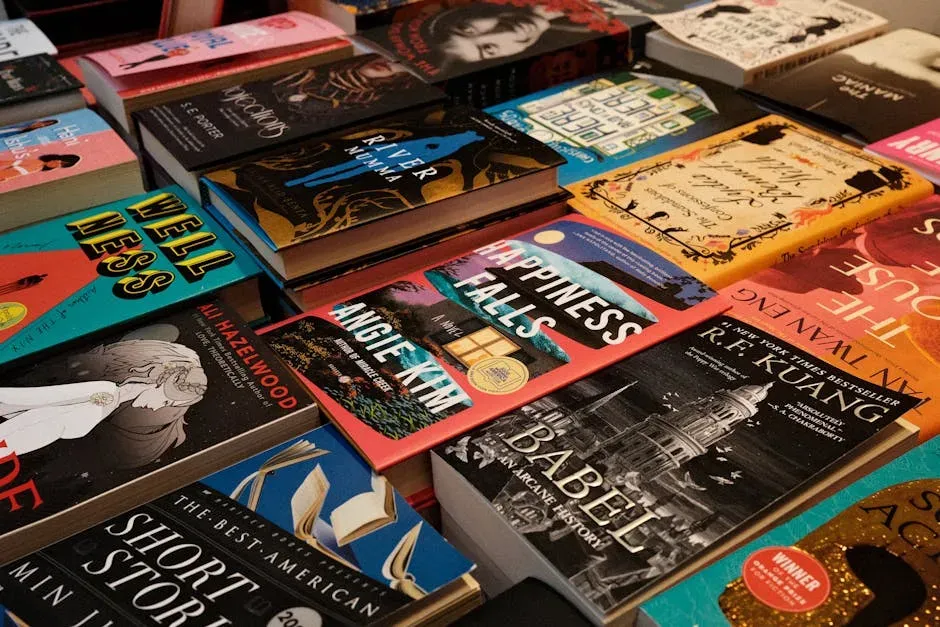
The simplest reason is price. Once a novel hits the bestseller list, the cost of its screen rights can rise sharply because every buyer can see the same proof of demand. Getting in early means paying for potential rather than a track record.
There’s also the matter of competition. A studio that spots a strong manuscript first can shape the project before rivals even hear about it. That head start can decide who gets the adaptation.
Agents Open the Door Early

The early path usually runs through literary agents and their film and television colleagues. Many agencies, and some management companies, pass manuscripts or short pitch documents to producers while the book is still being sold to publishers. Those producers then take the material to studios and streamers.
This is why a book deal and a screen deal can show up in the same week. Trade coverage has described cases where a debut thriller drew a heated bidding war for screen rights right as its publishing deal was announced. Screen rights to T.J. Newman’s first thriller, Falling, landed with Universal Pictures following a heated bidding war.
Option or Outright Purchase?
Studios rarely buy a novel’s film rights outright at the start. More often they take an option, which is the exclusive right to develop the project for a set period in exchange for a fee. If the project moves forward, the studio exercises the option and pays the larger purchase price agreed in the original contract.
If it doesn’t, the rights usually revert to the author. That structure lets a studio test a story with a writer and a director attached without paying the full amount up front. For authors, it means the first payment is real money but often not the final one.
What Gets Packaged Alongside the Book


A manuscript on its own is a hard sell to a studio executive. Producers often attach a screenwriter, a director, or a star to make the pitch feel like a film rather than a book. A project that arrives with a producer and a writer already on board is easier for a studio to picture.
Recent trade reporting shows the same habit with other source material. Warner Bros optioned rights to a New York Times story for Matt Reeves’ 6th & Idaho to produce, with Harrison Query adapting. Packaging like this signals to the market that serious people are already committed.
Partner offer

How Auctions Work

When several buyers want the same property, agents often run a timed auction. Everyone receives the material at once, and each buyer submits an offer and a creative plan by a deadline. Money matters, but so do the producer, the writer, and the promised path to production.
Competitive situations are common in trade reports for high profile projects. Netflix and Anonymous Content were also engaging to acquire rights in the Warner Bros. case, which shows how many buyers can circle one property at the same time.
When Publishing Buzz Drives the Deal

Sometimes the book’s momentum comes from outside traditional channels. Quicksilver by Callie Hart is a recent example. The viral attention sparked a 10-bidder auction for publishing rights.
The screen side followed quickly. The traditional edition came out on 3 December 2024 and debuted at number one on the New York Times Best Seller list, and that same week Netflix acquired film adaptation rights for seven figures. Social media attention now works as an early signal that studios watch closely.
The New Risk: AI and the Chain of Title

One of the newest complications is artificial intelligence. A Deadline report from July 2026 described an unpublished debut novel that had drawn intense interest from publishers and film buyers. Questions were raised over whether the author used AI as a tool in the writing of the book.
The concern is legal as much as creative. Publishers and movie companies may not be able to register copyright and come away with a clear title chain if certain AI elements are in the mix. A clean chain of title is what lets a studio finance and release a film, so buyers now ask more questions about how a manuscript was written.
What Authors Keep and What They Sign Away

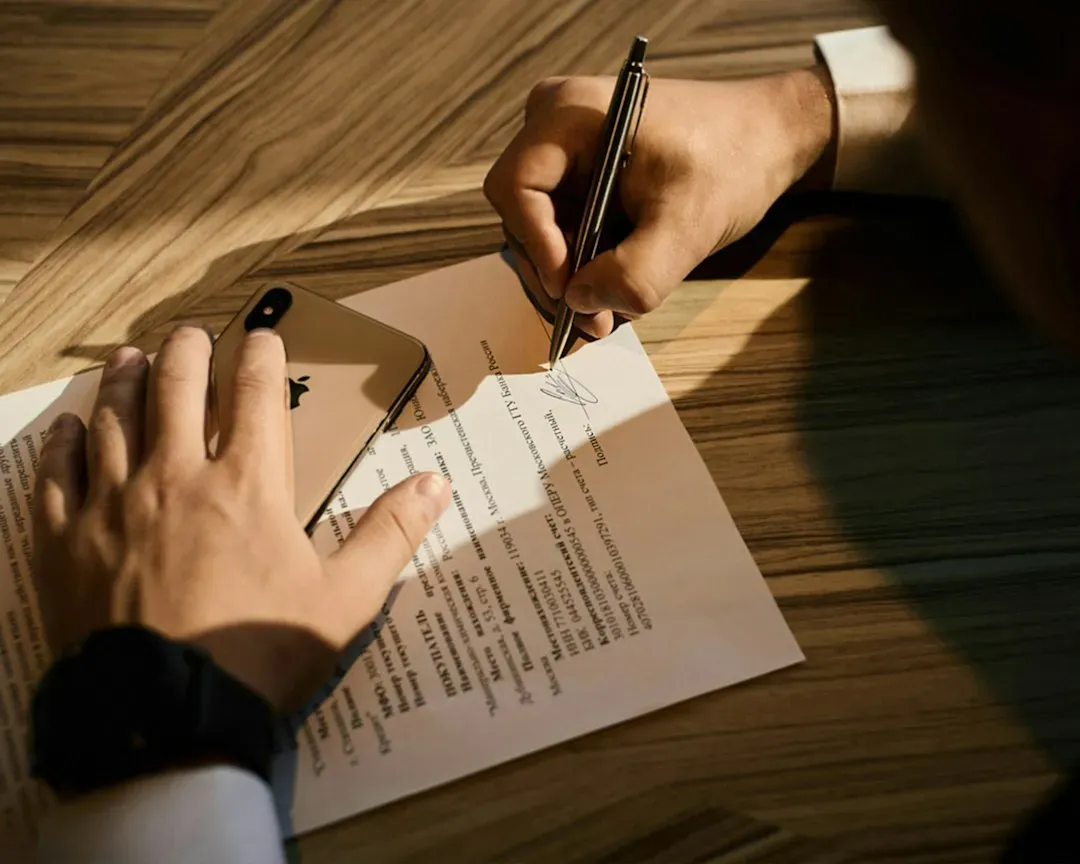
A film rights deal usually covers the right to adapt the story for the screen, not ownership of the book itself. Authors typically keep their publishing rights and often negotiate for details such as credit, a producer title, or a share of future earnings. Reserved rights, such as stage or audio adaptations, are also commonly spelled out.
Because an early sale happens before the book has proven itself, agents tend to focus on the terms around the option period and reversion. The goal is to make sure an author isn’t tied to a stalled project for years with no way to take the rights elsewhere.
Where the Process Stands in 2026


The buying landscape itself is shifting. Paramount Skydance closed its $110 billion acquisition of Warner Bros. Discovery, completing one of the biggest media mergers of all time. Fewer large companies can mean fewer independent buyers at the table, though streamers, mini majors, and independent producers still compete for strong material.
For books, the pattern holds. Agents shop manuscripts early, producers package them, studios option them, and auctions set the price. Legal clarity around authorship has become one more step that every buyer checks before a deal is signed.
Partner offer
Planning a trip to Vegas?
Compare hotel rates and show tickets on VEGAS.com.