Jazz didn’t just change how we listen to music. It rewired how Americans think, speak, and interact with each other. Born in the streets of New Orleans over a century ago, this art form somehow managed to infiltrate every corner of our society, from the way we dress to how we talk about freedom itself. Most people know jazz as background music for dimly lit clubs or elevator rides, but that’s barely scratching the surface.
The real story of jazz is far more radical. It challenged racial barriers when America was still deeply segregated. It gave birth to entirely new ways of speaking and moving. It even influenced how we think about individuality and self-expression. Let’s dive into the unexpected ways jazz fundamentally transformed American culture, far beyond the bandstand.
Breaking Down Social Barriers in Unexpected Places
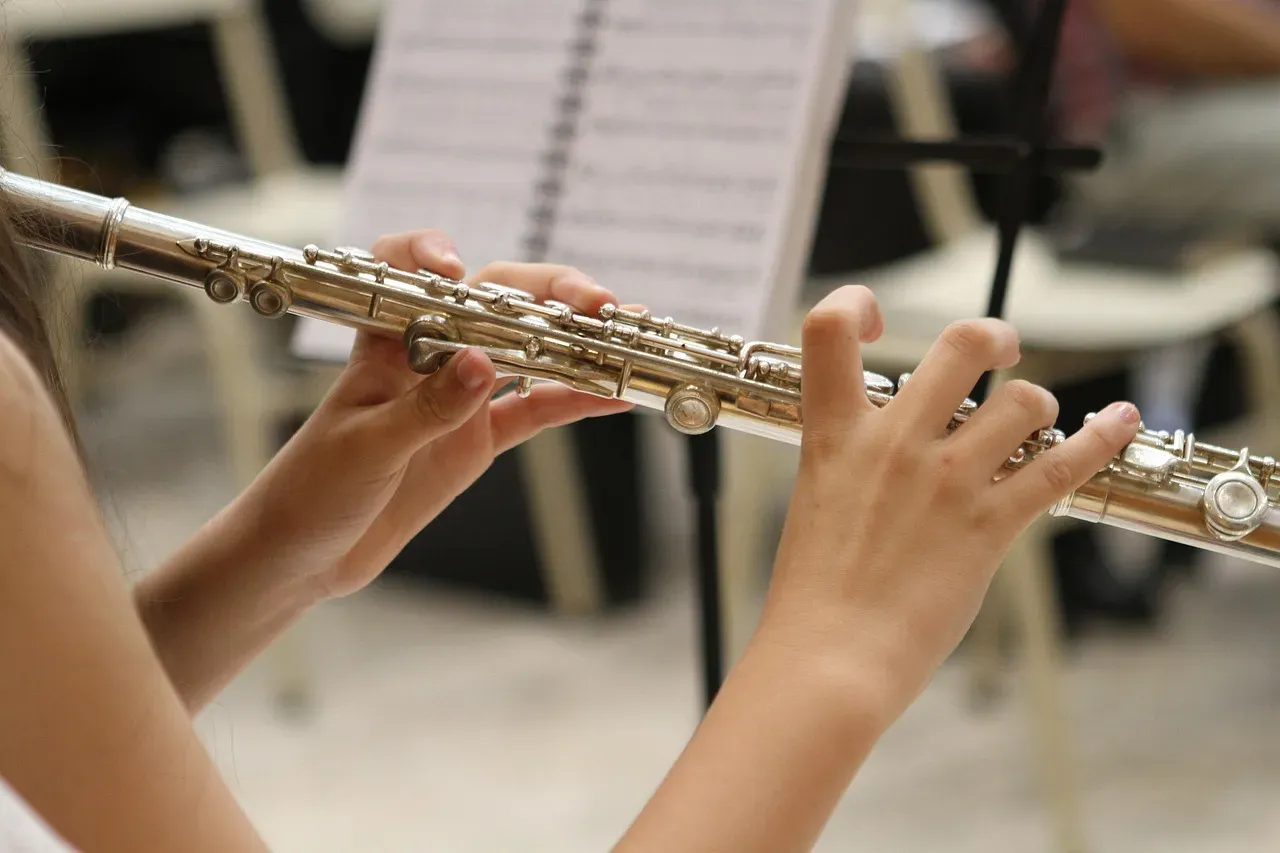
Jazz clubs became some of the first integrated spaces in American history, and that’s no small thing. While the rest of the country maintained strict racial divisions, musicians of different backgrounds were jamming together on stage, creating something nobody had heard before. White audiences started showing up to hear Black musicians play, which was revolutionary for its time. The music demanded collaboration across racial lines because, frankly, jazz doesn’t work if everyone’s playing the same notes.
This wasn’t just symbolic. It created actual relationships between people who otherwise would never have spoken to each other. Musicians shared techniques, stories, and eventually, entire communities started forming around jazz venues. Las Vegas saw this transformation firsthand as the city’s entertainment industry grew, with jazz clubs becoming melting pots of different cultures and backgrounds.
The Birth of Modern American Slang
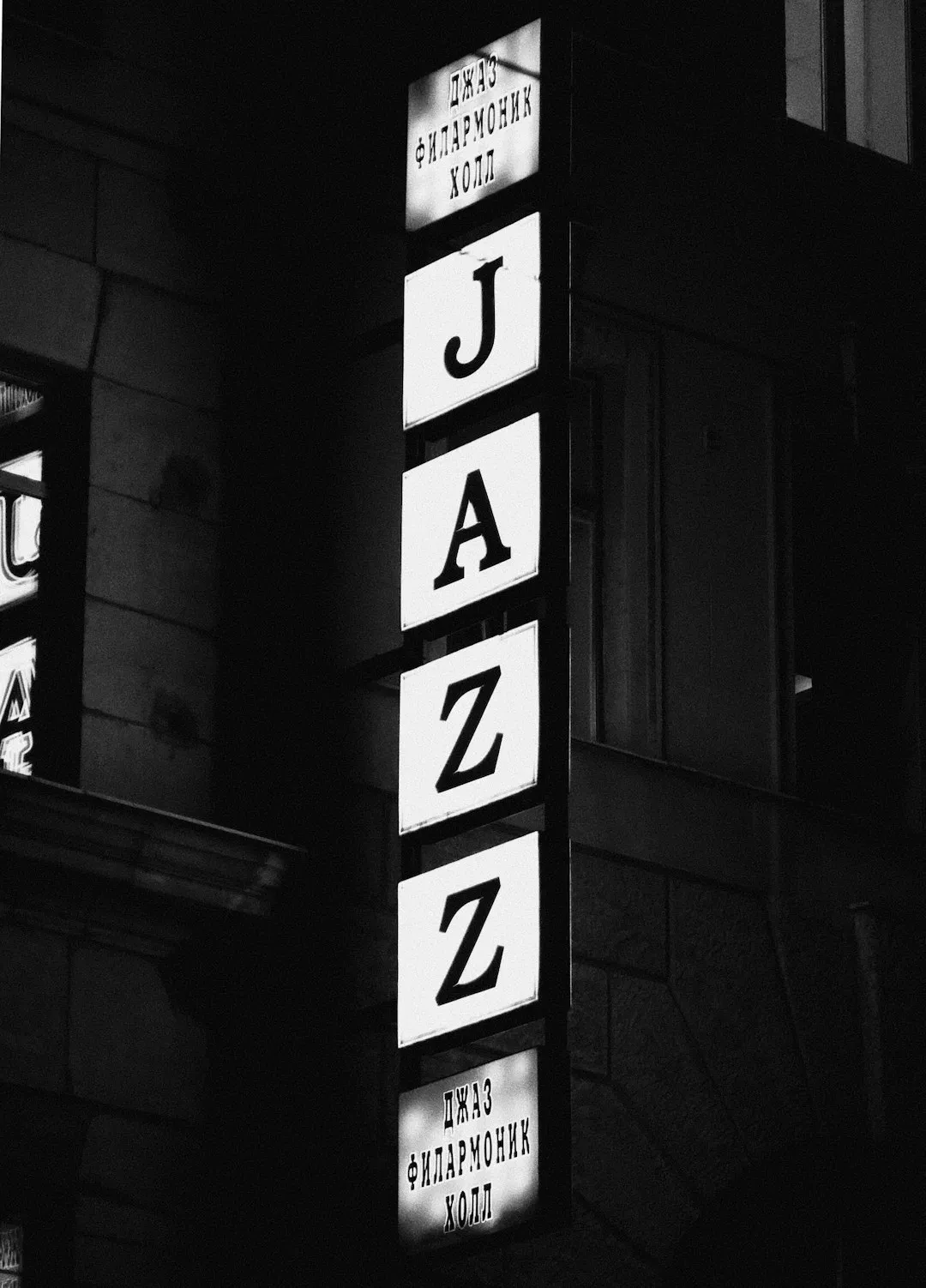
Ever called something “cool” or said you were “hip” to something? Thank jazz musicians. They basically invented the casual vocabulary we still use today. Terms like “dig,” “cat,” and “groovy” all came straight from the jazz world of the 1940s and 50s. These weren’t just random words, they were part of a whole language that jazz culture created to set itself apart.
The musicians developed their own way of talking that felt fresh and rebellious. It caught on fast. Soon, teenagers across America were using jazz slang to sound sophisticated or countercultural, depending on who you ask. This linguistic revolution spread through movies, radio, and eventually television, becoming permanently woven into how Americans communicate.
Fashion Got a Complete Makeover
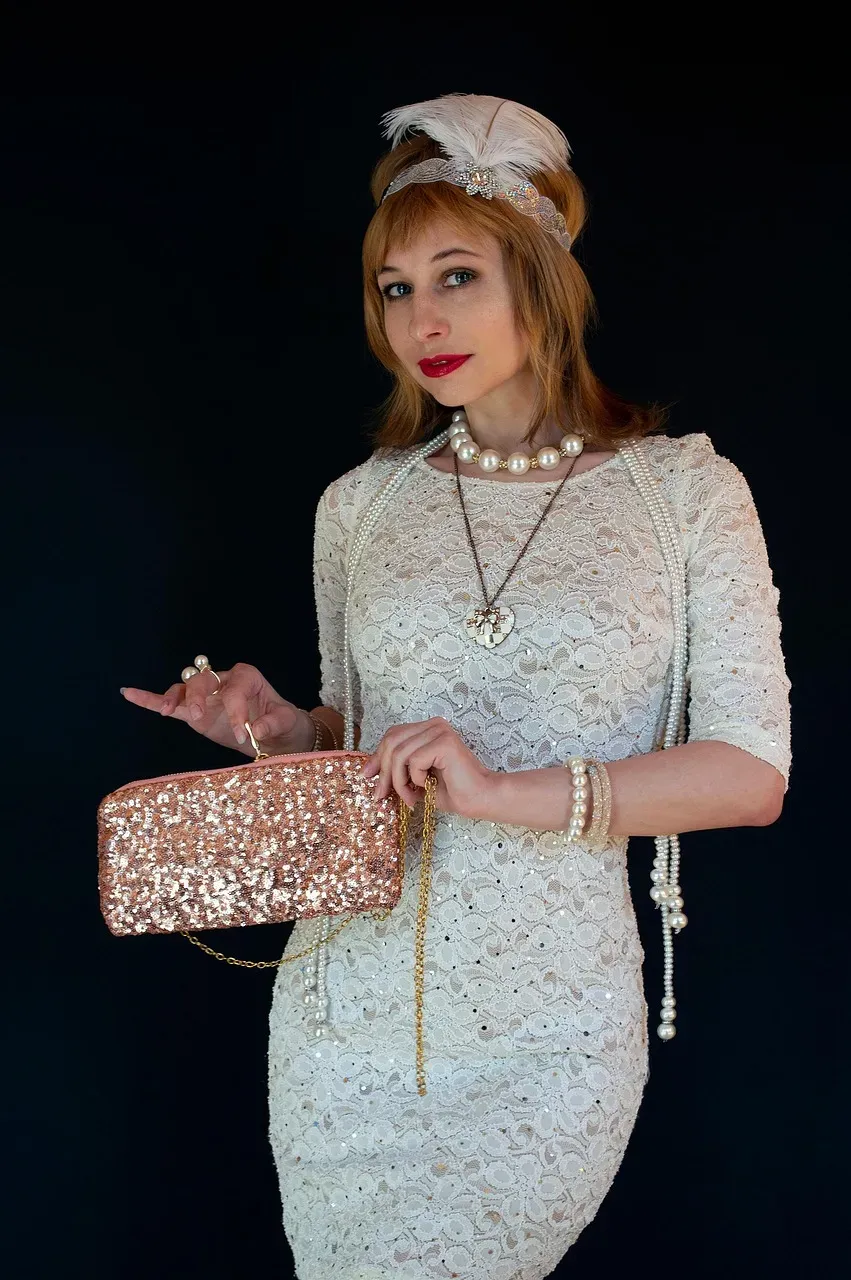
Jazz musicians didn’t just sound different, they looked different too. The sharp suits, fedoras, and distinctive style of jazz performers in the swing era set new standards for American fashion. Zoot suits, with their exaggerated proportions, became a statement of identity and resistance, particularly in Black and Latino communities. These weren’t just clothes, they were declarations of independence.
Women in the jazz scene pushed boundaries too. Female jazz singers like Billie Holiday made unconventional fashion choices mainstream, from wearing flowers in their hair to sporting men’s style suits. The casual elegance of later jazz musicians, the beatnik look of the 1950s, influenced entire generations. Even today, that “effortlessly cool” aesthetic traces back to jazz culture.
Redefining What It Means to Be an Individual
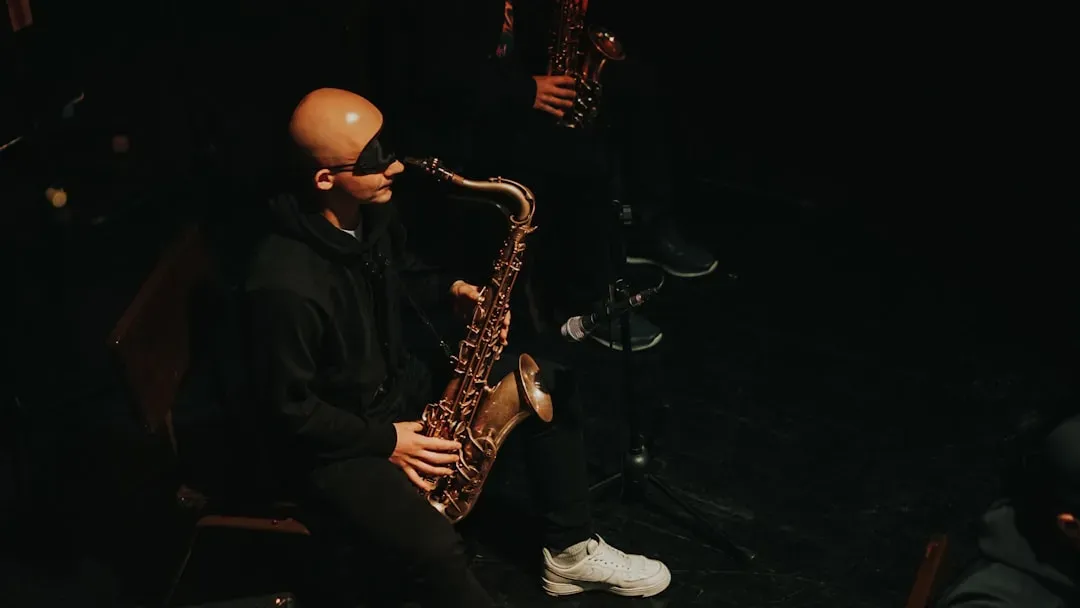
Here’s something that doesn’t get talked about enough. Jazz fundamentally changed how Americans think about personal expression. Before jazz, most music followed strict rules and written scores. Jazz said, “Forget that, make it up as you go.” The improvisation at the heart of jazz became a metaphor for living itself.
This idea of improvisation seeped into American philosophy and daily life. The notion that you could take a basic structure and make it uniquely yours resonated beyond music. It influenced everything from how people approached their careers to how they thought about relationships. Jazz taught Americans that following your own path wasn’t just acceptable, it was art.
The Beat Generation and Literary Revolution
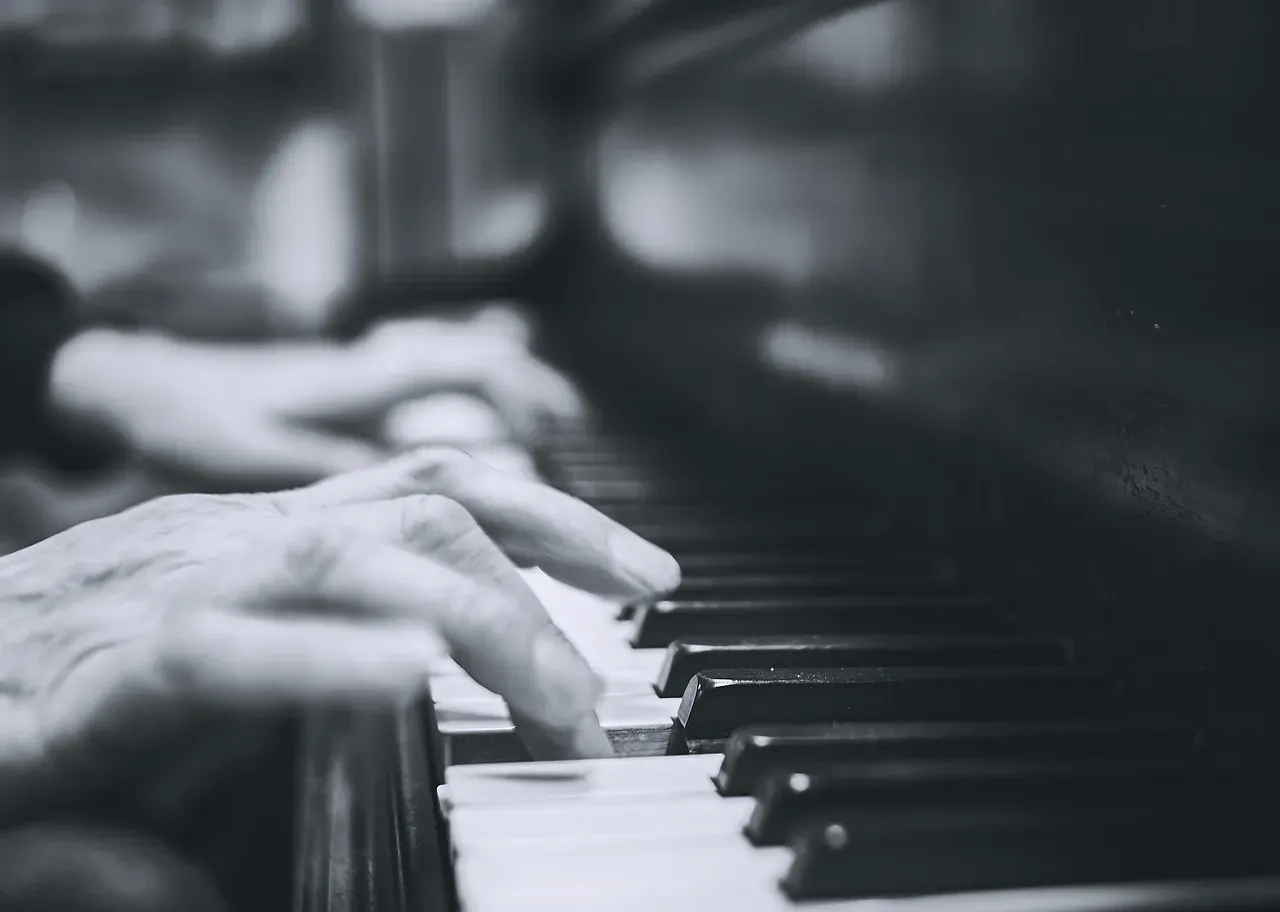
Jack Kerouac didn’t just write about jazz, he tried to write like jazz. The Beat writers of the 1950s, including Allen Ginsberg and William S. Burroughs, saw jazz as the ultimate form of spontaneous creativity. They attempted to capture that same improvisational energy in their poetry and prose, creating an entirely new literary movement.
Their stream-of-consciousness style, free-flowing sentences, and rejection of traditional structure all came from watching jazz musicians work. Kerouac famously claimed he wrote “On the Road” in a jazz-like trance, treating language like a saxophone solo. This literary approach influenced countless writers after them, changing American literature forever. The connection between jazz and the Beats transformed how we think about creative writing.
Advertising Learned to Sell with Soul
Madison Avenue executives figured out pretty quickly that jazz made everything seem cooler. Starting in the 1950s, advertisers began using jazz soundtracks to sell products, from cigarettes to cars. The music added an element of sophistication and edge that traditional jingles couldn’t match. This wasn’t accidental.
Jazz represented modernity, freedom, and rebellion, exactly what advertisers wanted to associate with their products. The technique worked so well it’s still used today. That smooth jazz playing in coffee shop commercials or luxury car ads? That’s a direct descendant of early advertising experiments. Jazz taught marketers that emotion and atmosphere could sell products just as effectively as listing features.
Dance Floors Became Laboratories
Jazz didn’t just change what people listened to, it changed how they moved. The Lindy Hop, Charleston, and eventually other dance forms emerged directly from jazz rhythms. These dances were athletic, joyful, and, importantly, gave dancers freedom to express themselves individually within a partnership. Dance halls became spaces where social conventions could be challenged.
Young people especially embraced these new dance styles as a form of rebellion and self-expression. The physicality of jazz dancing influenced everything from social gatherings to how Americans thought about their bodies and movement. Even modern dance styles, from hip-hop to contemporary, owe something to the improvisational spirit jazz brought to the dance floor.
A Lasting Legacy That Keeps Evolving
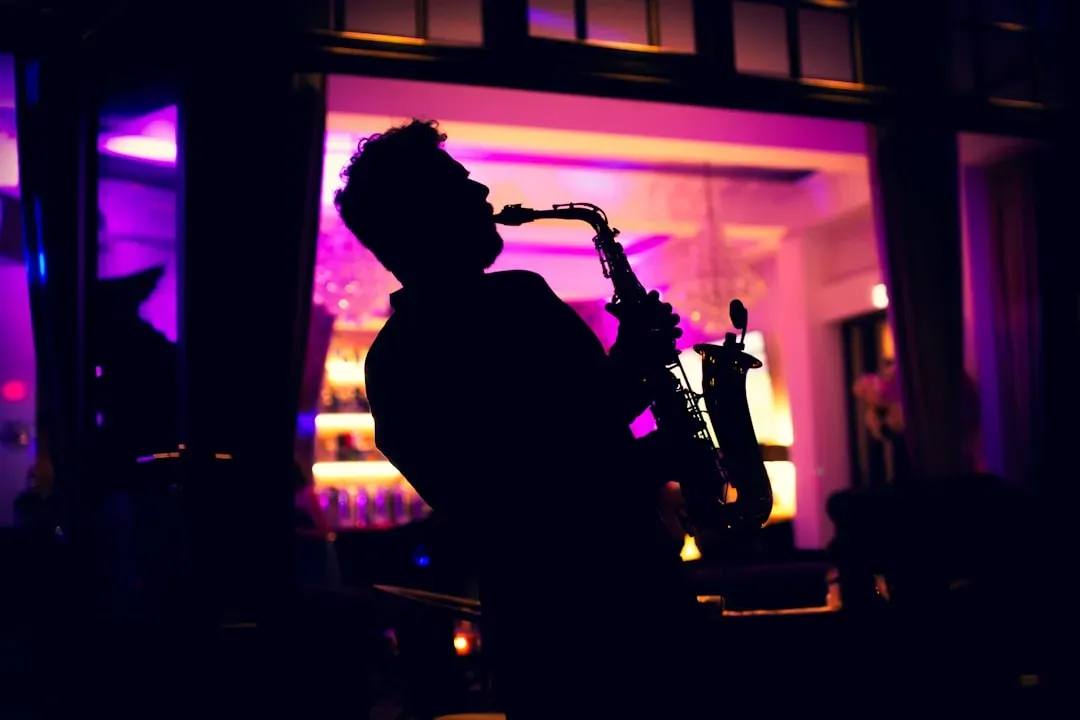
Jazz didn’t just shape American culture in the past, it continues influencing how we think, create, and interact today. The principles of improvisation, collaboration, and individual expression within a collective framework remain relevant in our increasingly complex society. Modern music genres from hip-hop to electronic music trace their lineage back to jazz’s experimental spirit.
The cultural impact of jazz reminds us that art isn’t separate from life, it actively shapes how we understand ourselves and our society. From the language we speak to how we move through cities, jazz left its fingerprints everywhere. Next time you hear someone describe something as “cool” or see a spontaneous street performance, remember that jazz made that possible. The music may have started in New Orleans clubs, but its influence spread into every corner of American life, creating a legacy that continues to resonate today. What part of jazz’s cultural impact surprised you most?