Close your eyes for a moment and think back to those nights when someone sang you to sleep. Maybe it was “Rock-a-bye Baby” or “Twinkle, Twinkle, Little Star.” These songs felt safe, comforting, timeless. They still do. What if I told you that some of these innocent melodies have backstories that would make your jaw drop? Some were born from tragedy, others from revolution, and a few have meanings far darker than anyone singing them today would guess.
The lullabies we all grew up with aren’t just sweet little ditties passed down through generations. They’re pieces of history, wrapped in melody, carrying secrets from centuries past. Let’s dive in.
Rock-a-bye Baby: A Fatal Fall or Political Allegory?

This one’s a real head-scratcher. “Rock-a-bye baby, on the treetop, when the wind blows, the cradle will rock.” Sounds peaceful enough until you get to the part where the cradle falls and down comes baby, cradle and all. What kind of bedtime story ends with a baby plummeting from a tree?
Theories about its origin run wild. Some historians believe it references ancient rituals where Native American mothers would hang cradles from tree branches, gently swaying in the breeze. Others think it’s actually a veiled political commentary about King James II of England and his son, with the tree representing the royal lineage about to topple. The cradle falling could symbolize the end of the Stuart dynasty during the Glorious Revolution of 1688.
Either way, it’s hardly the soothing imagery you’d expect from a children’s song. Yet generations of parents have sung it without a second thought. The melody does most of the heavy lifting here, masking the rather grim lyrics underneath.
Twinkle, Twinkle, Little Star: From French Melody to English Nursery Rhyme

Here’s one that actually has a wholesome origin story, believe it or not. The tune comes from a 1761 French melody called “Ah! vous dirai-je, maman,” which translates to “Oh! Shall I tell you, Mommy.” Mozart even wrote twelve variations on this theme because apparently, he had time for that sort of thing.
The English lyrics we know today were penned by Jane Taylor in 1806 as a poem called “The Star.” She was just twenty-three years old when she wrote it, probably not imagining it would become one of the most recognizable songs on the planet. The original poem had five stanzas, though most people only know the first one.
What’s fascinating is how this particular combination of French tune and English poetry became the default lullaby across multiple continents. It’s been translated into dozens of languages, and children everywhere recognize those opening notes instantly.
Ring Around the Rosie: The Plague Song That Probably Wasn’t

For years, people insisted this was about the bubonic plague. The “rosie” was supposedly the rash, the “pocket full of posies” were herbs people carried to ward off disease, and “ashes, ashes, we all fall down” represented death. Creepy, right? Here’s the thing, though. Most folklorists now say that’s complete nonsense.
The plague interpretation didn’t show up until the mid-twentieth century, long after the song became popular. The earliest printed version dates to 1881, centuries after the plague’s peak. Different countries have wildly different versions of the lyrics, which wouldn’t make sense if they all referenced the same historical event.
It’s more likely just a simple children’s game that got darker meaning assigned to it later. People love a good dark backstory, I guess. Still, try explaining that to someone who’s believed the plague theory their whole life. They won’t buy it.
Partner offer
Hush Little Baby: A Bribery Anthem from the American South

This Southern American lullaby takes a different approach to calming children. Instead of gentle imagery or soothing words, it essentially promises the kid every material possession imaginable if they just stop crying. A mockingbird, a diamond ring, a billy goat, a cart and bull. The list goes on and on.
The song likely emerged from African American communities in the Southern United States during the nineteenth century. It reflects a particular parenting philosophy, or perhaps just the desperation of exhausted parents willing to promise anything for five minutes of peace.
What makes it interesting is how it subverts the traditional lullaby format. Instead of describing a peaceful scene or telling a story, it’s transactional. Sleep equals rewards. Whether that’s healthy parenting is another discussion entirely, but it’s definitely memorable. The tune itself is simple and repetitive, which is probably why it stuck around despite the somewhat questionable message.
Brahms’ Lullaby: Classical Composer, Personal Message
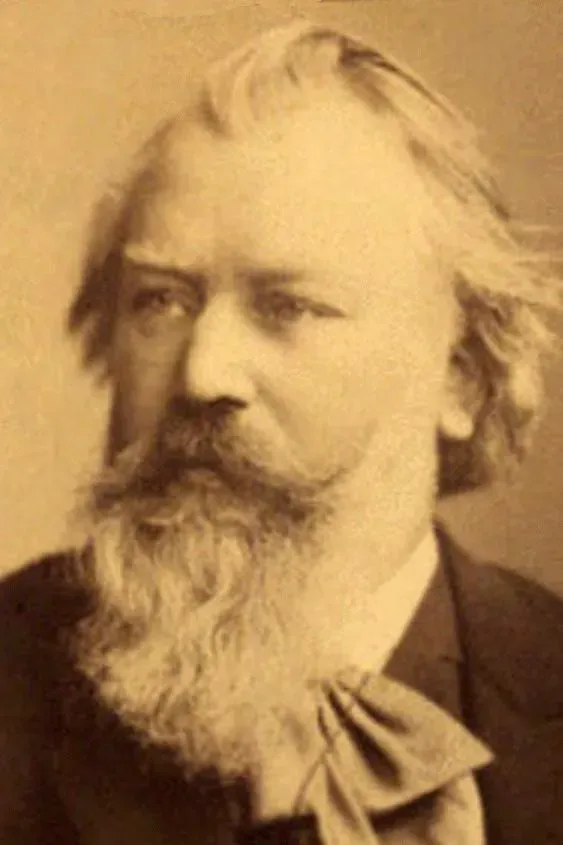
Johannes Brahms composed “Wiegenlied: Guten Abend, gute Nacht” in 1868, and unlike some of these other entries, we know exactly why. He wrote it for Bertha Faber, a woman he’d been infatuated with years earlier, to celebrate the birth of her second son. The melody incorporated a waltz she used to sing, making it deeply personal.
What’s remarkable is how a piece written for one specific baby became universal. Brahms probably didn’t anticipate that his composition would end up in music boxes, mobile phones, and nurseries across the world. It’s been arranged thousands of times and translated into dozens of languages.
The German lyrics talk about roses and nightingales guarding the sleeping child, imagery that’s genuinely sweet without any hidden darkness. Sometimes a lullaby is just a lullaby, thankfully.
Frère Jacques: The Monk Who Overslept

This French nursery rhyme translates to “Brother John” in English, and it tells the story of a monk who slept through the morning bells. “Are you sleeping? Are you sleeping? Brother John, Brother John? Morning bells are ringing, morning bells are ringing, ding dang dong, ding dang dong.”
It originated sometime in the eighteenth century, though pinning down an exact date is tricky. What made it stick was the round format, where multiple singers start the same melody at different times, creating harmony. Kids loved it because it was fun to sing in groups.
The imagery is straightforward. There’s no hidden meaning, no dark backstory. Just a sleepy monk and some bells. Sometimes the simplest songs have the most staying power.
Final Thoughts

The lullabies we sing to children today carry centuries of history, much of it surprising and some of it quite dark. From political allegories to plague theories, from personal love letters to songs of oppression, these melodies have survived because they work. They comfort, they connect, they create those precious moments of peace before sleep.
Next time you sing one of these familiar tunes, take a second to think about all the voices that came before you, singing the same words, hoping for the same result. It’s a strange kind of time travel, connecting you to parents and caregivers across centuries. What’s your favorite childhood lullaby, and did you ever wonder where it came from? Tell us in the comments.
Partner offer
Planning a trip to Vegas?
Compare hotel rates and show tickets on VEGAS.com.