Think about the last time you needed to know something. You probably Googled it, right? But what happens when the internet gets shut down, books are banned, or entire governments decide what you can and cannot read? It sounds like dystopian fiction, but it’s happened throughout history more times than most of us realize. Libraries have faced bombs, bans, and burning – yet somehow, they’ve managed to save the knowledge that powerful people wanted destroyed.
The story of how librarians and ordinary citizens smuggled manuscripts out of war zones, hid forbidden texts in basements, and literally risked their lives to keep ideas alive is wilder than any thriller novel. These weren’t just dusty old books they were protecting. They were saving proof of what actually happened, the voices that would’ve been silenced forever. Let’s dive into how these unsung heroes pulled it off.
Librarians Who Became Smugglers in Nazi-Occupied Europe

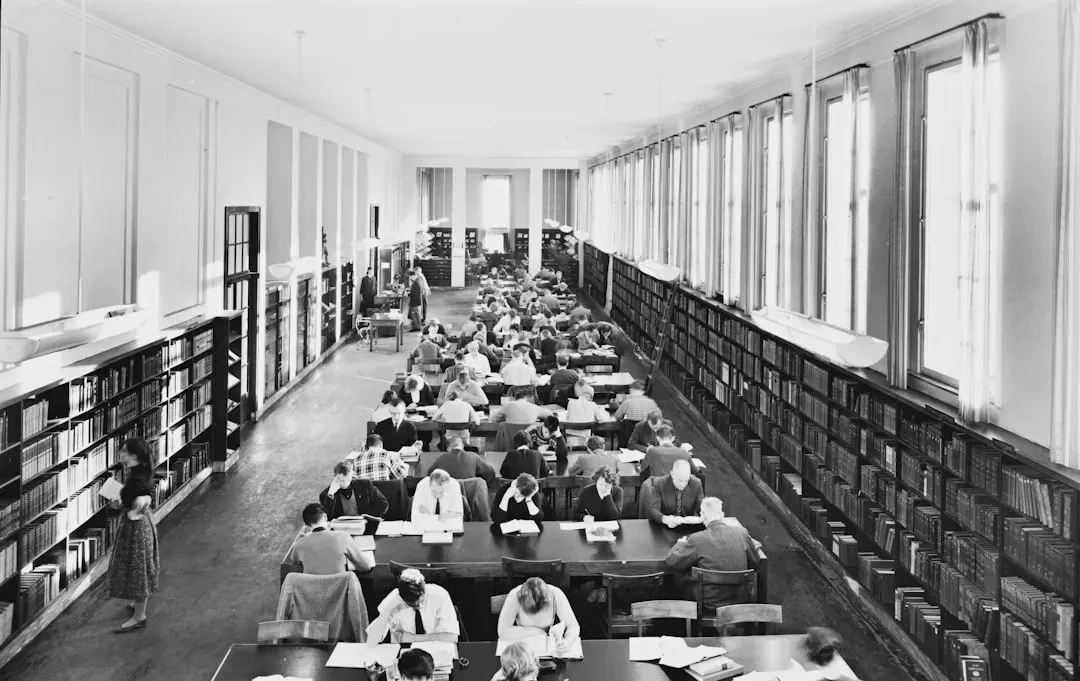
When the Nazis marched into Poland in 1939, they didn’t just target people. They went after libraries, burning books that contradicted their ideology. But Polish librarians weren’t having it. They created secret networks to hide valuable manuscripts and rare texts in attics, cellars, and even buried them in gardens. One librarian in Warsaw smuggled out priceless medieval manuscripts under her coat, making multiple trips through Nazi checkpoints.
In Lithuania, librarian Ona Šimaitė used her library access to sneak food and documents into the Vilnius Ghetto. She hid Jewish poetry, diaries, and historical records that the Nazis would’ve destroyed. When she was caught and sent to a concentration camp, those texts survived because she’d already moved them to safe locations. It’s crazy to think that everyday library workers transformed into resistance fighters, but that’s exactly what happened.
The risks were insane. Getting caught meant execution, not just for them but often for their families too. Yet they kept going because they understood something crucial. Once a book is gone, that version of history can be rewritten by whoever’s left standing.
The Library of Congress and Its Secret Wartime Operations

Most Americans have no idea that during World War II, the Library of Congress ran what was basically a spy operation. They established the Interdepartmental Committee for the Acquisition of Foreign Publications, which sounds boring until you realize what it actually did. This team collected newspapers, books, and documents from enemy territories to understand what information was being spread and censored abroad.
They smuggled materials out of Nazi Germany and fascist Italy through neutral countries like Sweden and Switzerland. Operatives posed as businessmen or diplomats to acquire propaganda posters, underground newspapers, and banned literature. This wasn’t just about preserving history, it was active intelligence gathering that helped shape Allied strategy. The library became part of the war effort in ways most people never imagined.
After the war ended, these collections became invaluable for understanding how totalitarian regimes manipulated information. Historians still use these materials today to study propaganda techniques and censorship methods. It’s a reminder that libraries aren’t just passive storage spaces. Sometimes they’re active participants in protecting truth.
How Arabic Manuscripts Survived ISIS Destruction
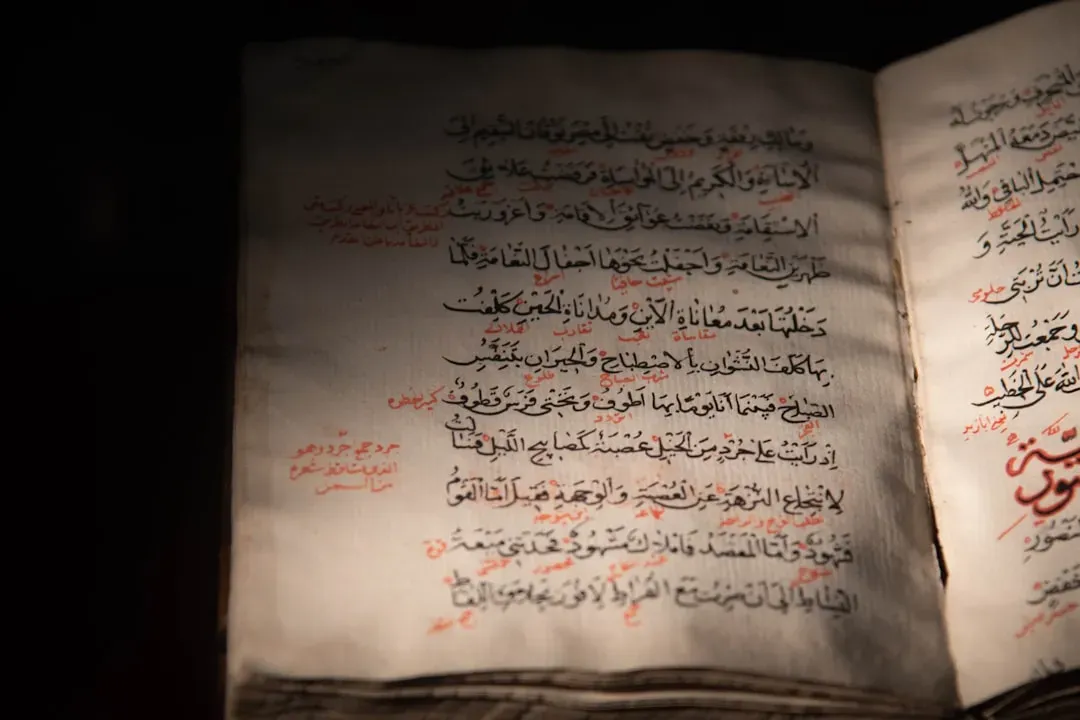
When ISIS tore through Iraq and Syria starting in 2014, they specifically targeted libraries and cultural sites. They wanted to erase any history that contradicted their extreme interpretation of Islam. In Mosul, they destroyed the public library and burned thousands of rare manuscripts. But librarians there had seen it coming.
Weeks before ISIS arrived, a network of librarians and scholars began secretly moving manuscripts out of the city. They hid texts in their homes, buried them in backyards, and smuggled them to safer regions. One librarian reportedly carried medieval Qurans in vegetable crates through ISIS checkpoints. These weren’t just religious texts, they included scientific treatises, poetry collections, and historical records dating back centuries.
The operation was incredibly dangerous because ISIS executed people for far less. Several librarians didn’t make it out alive. But thousands of irreplaceable manuscripts did survive, and they’re now being digitized and restored. It shows that even in modern conflicts, the impulse to destroy knowledge remains strong, and so does the determination to save it.
Soviet Censorship and the Underground Library Networks

For decades, the Soviet Union banned thousands of books deemed threatening to communist ideology. Owning the wrong novel could land you in a gulag. So citizens created samizdat, a grassroots system of copying and distributing forbidden literature by hand. It was photocopied pages, typewritten manuscripts, and books passed from person to person in secret.
Public libraries in the USSR had secret special collections that only approved researchers could access. But some librarians quietly helped regular people gain access or looked the other way when books went missing. One Moscow librarian famously kept banned poetry collections hidden in a false wall behind the stacks. When the regime finally collapsed, that collection emerged intact.
The courage this required is hard to overstate. People were arrested just for owning a copy of George Orwell’s 1984 or even certain Russian authors who’d fallen out of favor. Yet these underground networks kept forbidden ideas circulating for generations. They proved that you can ban books, but you can’t kill the human need to read and share stories.
The Sarajevo National Library and Its Symbolic Burning
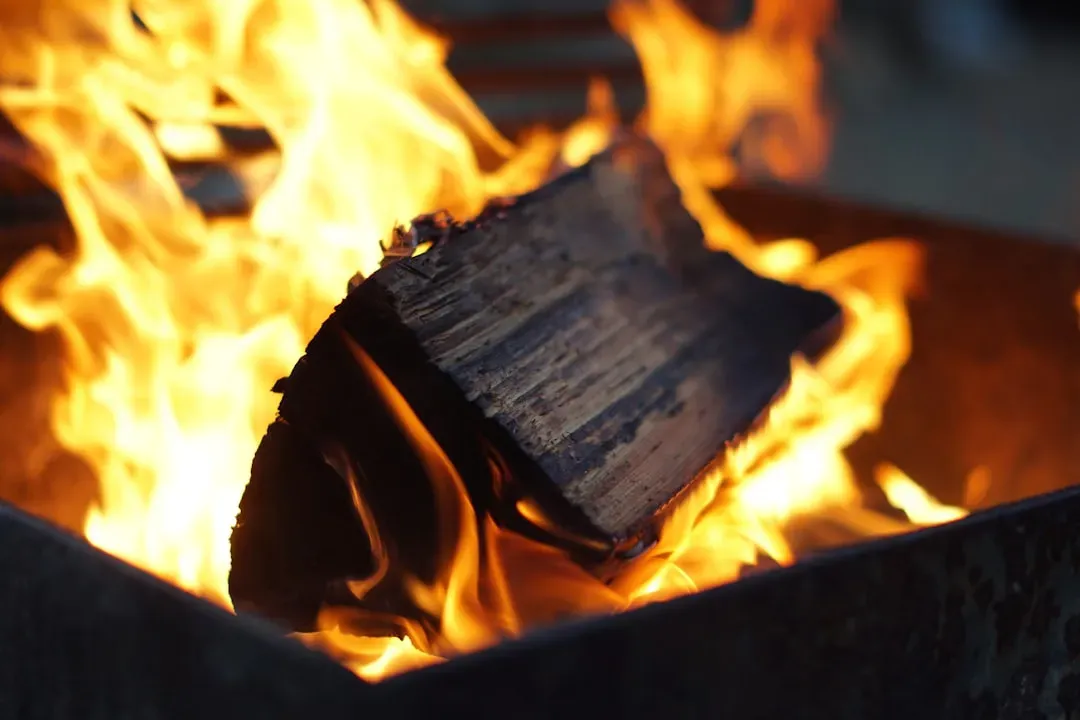
In August 1992, during the Bosnian War, Serbian forces deliberately shelled the National Library in Sarajevo. This wasn’t collateral damage. It was a calculated attack meant to destroy Bosnian cultural identity. The library held over two million books, manuscripts, and documents. Roughly ninety percent of the collection was destroyed in the fire that burned for three days.
Residents of Sarajevo ran into the burning building to save what they could, passing books hand to hand in human chains. Snipers fired at them from the hills. People died trying to rescue manuscripts and rare texts. One witness described seeing pages from burned books floating through the air like snow, settling over the city.
Partner offer

What survived was smuggled out or hidden in private homes throughout the war. After the conflict ended, librarians tracked down scattered pieces of their collection across Europe and even in attics around Sarajevo. The library has since been rebuilt, but the attack remains one of the most deliberate acts of cultural destruction in modern European history. It demonstrated that burning libraries is never just about destroying books. It’s about erasing a people’s proof of their own existence.
How Digital Archives Now Preserve Endangered Knowledge


Today’s threats to libraries look different but they’re just as real. Climate change threatens physical collections, governments still ban books, and digital information can be deleted in seconds. That’s why organizations have started creating digital backups of the world’s most endangered libraries and archives. The Internet Archive runs a project that digitizes materials from at-risk regions, storing multiple copies across different countries.
In war zones like Yemen and Afghanistan, local librarians work with international organizations to photograph and digitally preserve manuscripts before they’re destroyed. It’s a race against time, and they’re not always winning. But technology offers something previous generations didn’t have, the ability to duplicate endangered texts instantly and store them beyond any single government’s reach.
There’s also the Svalbard Global Seed Vault approach being applied to culture. The Arctic World Archive stores digital copies of important documents and cultural artifacts in a decommissioned coal mine in Norway, deep in permafrost. If physical libraries burn or digital servers crash, those frozen backups remain. It might sound extreme, but given history’s track record of destroying libraries, having an indestructible backup makes sense.
Why Authoritarian Regimes Always Target Libraries First

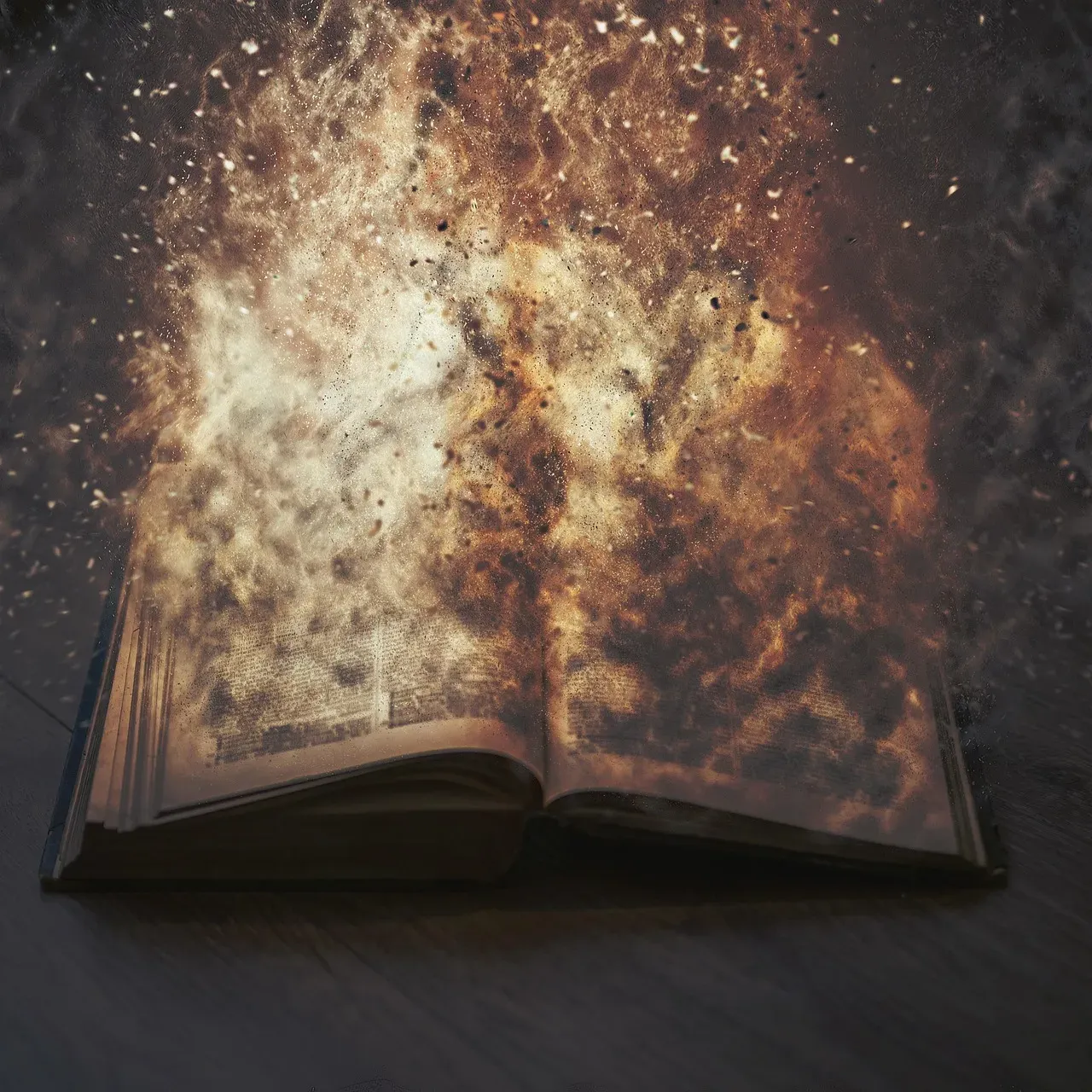
There’s a pattern throughout history. Whenever a dictatorship takes power or an occupying force moves in, libraries are among the first institutions they attack. It’s not random. Libraries represent independent access to information, and that’s terrifying to anyone who wants absolute control over what people think and know.
You can rewrite history if nobody has the original documents to contradict you. Burning libraries allows regimes to claim whatever past serves their current agenda. The Nazis did it, the Khmer Rouge did it, ISIS did it, and countless others before and since. It’s a deliberate strategy of cultural erasure.
That’s why preserving libraries during these periods becomes an act of resistance. Every saved book is proof that the official narrative might be incomplete or outright false. It’s evidence that survives beyond the regime’s lifespan. Librarians who hide or smuggle texts understand they’re not just saving paper and ink. They’re preserving the possibility of future truth.
The Role of Ordinary Citizens in Protecting Collections
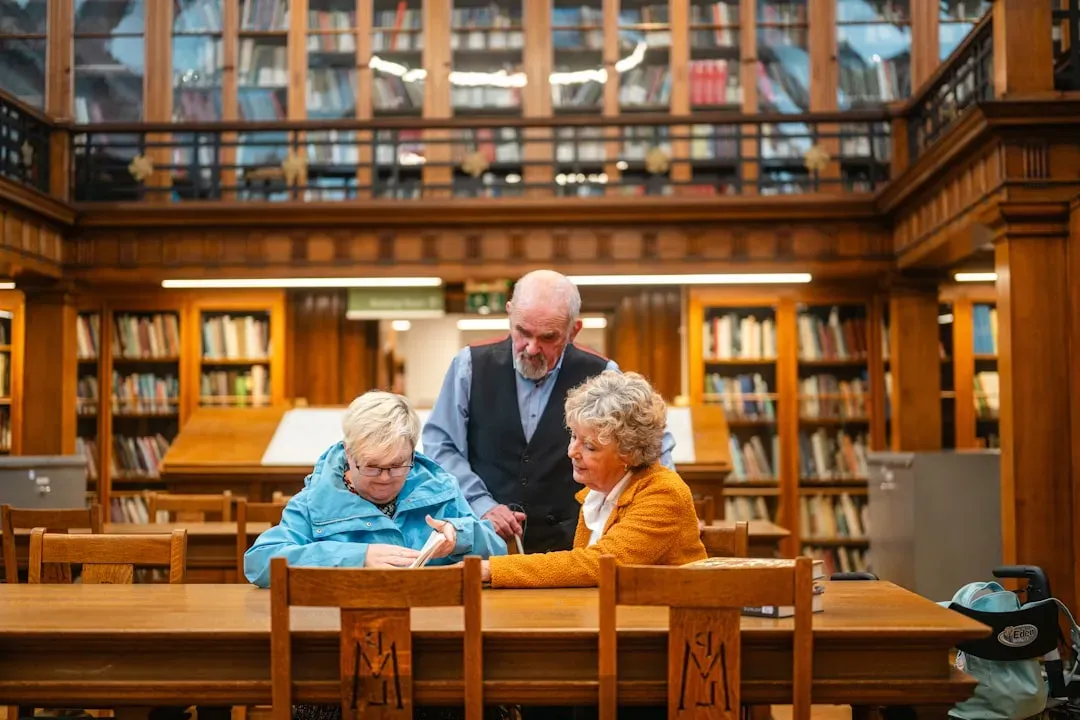
It wasn’t just professional librarians doing this work. Regular people hid books in their homes, moved manuscripts across borders, and risked everything to protect cultural heritage. During the Spanish Civil War, citizens formed human shields around libraries to prevent their destruction. In Baghdad, after the 2003 invasion, neighborhood residents guarded libraries against looters when official protection disappeared.
Sometimes entire communities participated in saving their collections. In Bosnia, teachers and students worked together to evacuate school libraries before shelling intensified. In Syria, volunteers created makeshift libraries in basements to preserve texts and provide safe reading spaces during bombing campaigns. These weren’t trained archivists. They were people who understood that losing their books meant losing part of themselves.
The amazing thing is how often these spontaneous efforts succeeded. Professional organizations could never have saved everything alone. It took thousands of ordinary citizens making individual choices to hide one book, carry one manuscript, or stand guard for one night. Those small acts added up to cultural survival.
What We’ve Learned About Preserving Knowledge Under Threat
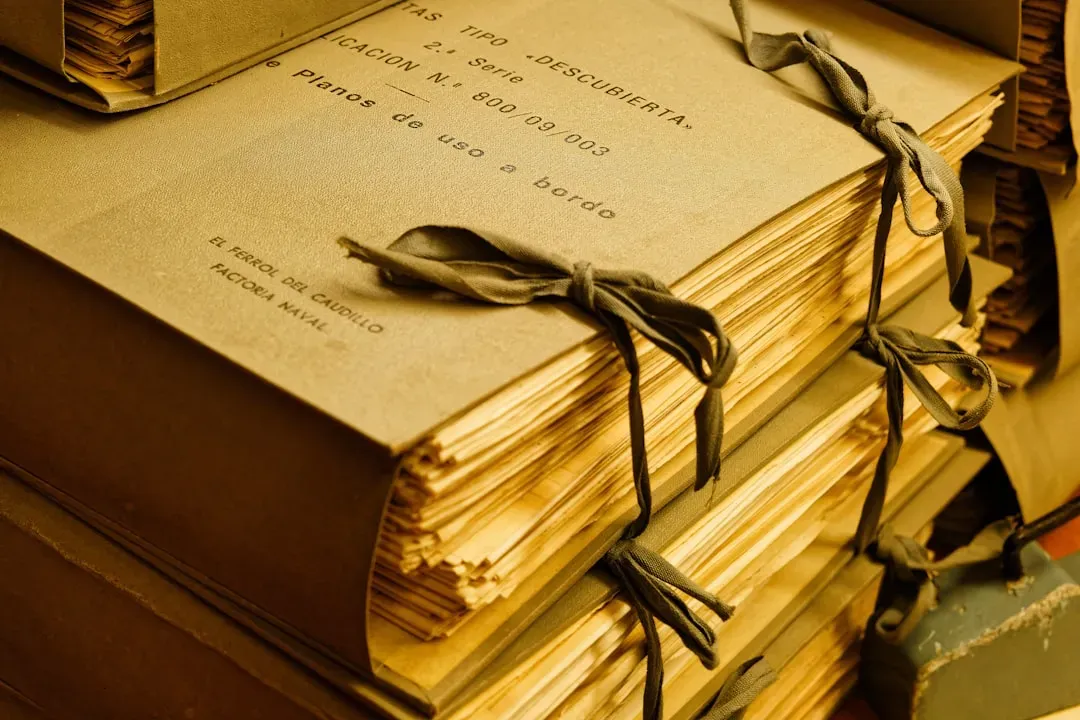
All these stories teach us something important about human nature. There’s an impulse to destroy, sure, but there’s also a powerful counter-impulse to preserve and protect. For every person willing to burn books, there are others willing to risk their lives to save them. That balance has determined what knowledge survived and what disappeared forever.
Modern preservation efforts have gotten smarter by studying past successes and failures. Redundancy matters, don’t keep all your cultural heritage in one place. Digital copies help, but physical backups still matter because technology changes and files become unreadable. International cooperation works better than isolation because endangered materials can be temporarily moved to safety.
The biggest lesson might be this: Libraries under threat need more than good intentions. They need funding, international support, and actionable plans before crisis hits. Waiting until bombs start falling or censors start banning makes everything exponentially harder. The libraries that survived did so because someone prepared for the worst while hoping for the best.
Conclusion

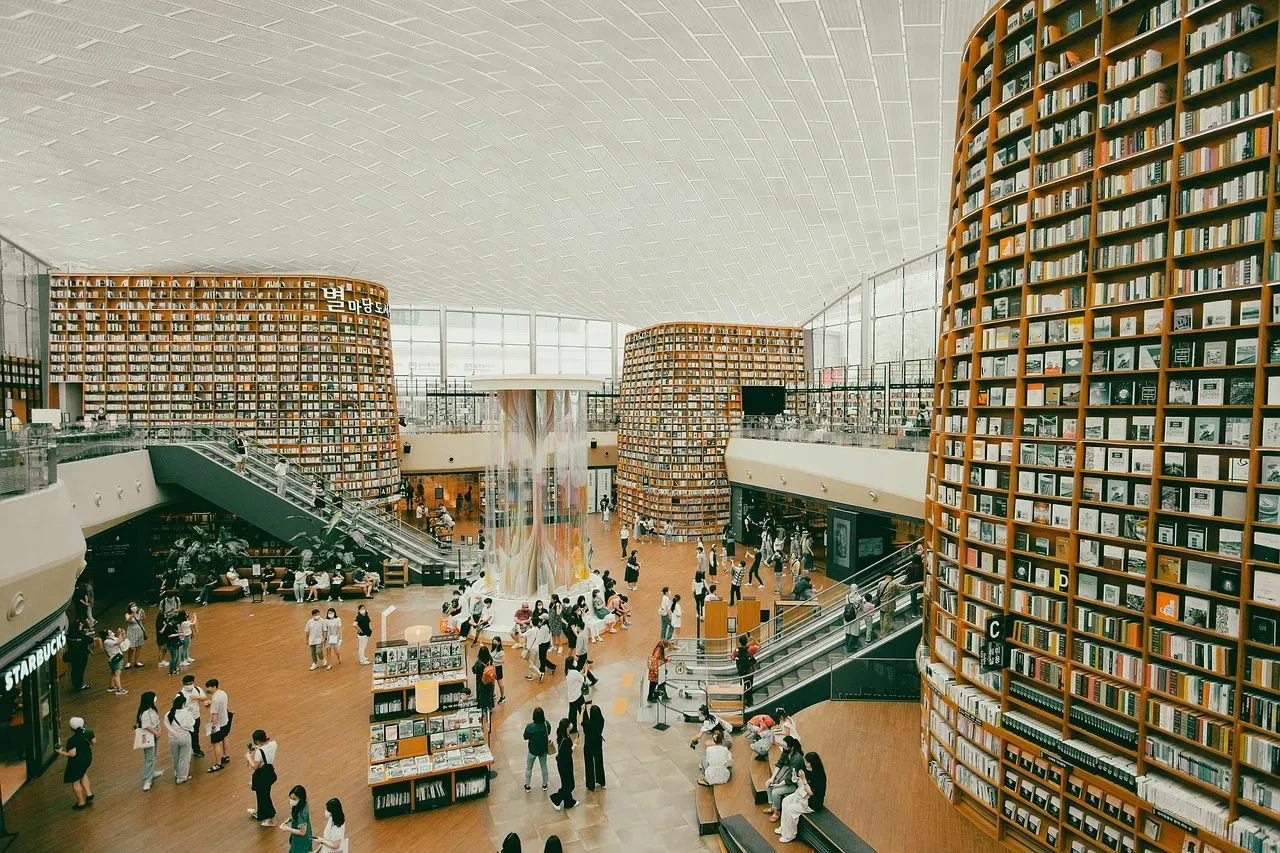
Libraries have survived wars, dictatorships, and deliberate destruction attempts because people decided that knowledge matters more than their personal safety. From Warsaw to Sarajevo to Mosul, individuals chose to hide books instead of burning them, to smuggle manuscripts instead of surrendering them, and to preserve truth instead of accepting convenient lies. These weren’t grand institutions doing this work alone. It was librarians, students, neighbors, and random citizens who understood that once information disappears, it rarely comes back.
The tools for preservation have improved, but the threats haven’t disappeared. Bombs still fall on libraries, governments still ban inconvenient books, and powerful people still want to control what we know about the past. The difference is that now we have digital backups, international networks, and a better understanding of what it takes to protect cultural heritage. Still, technology alone won’t save anything. It takes people willing to make the same choice as those who came before them: to protect knowledge when destroying it would be easier and safer. What would you be willing to risk to save a book? It’s not a hypothetical question. For people in several countries right now, it’s the choice they face every day.
Partner offer
Planning a trip to Vegas?
Compare hotel rates and show tickets on VEGAS.com.