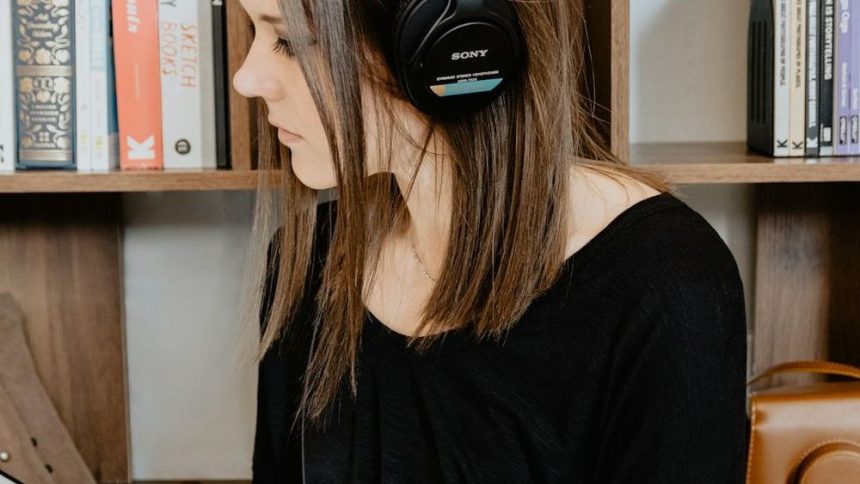
Something strange is happening in the streets of Las Vegas. Walk through the Strip at dawn, and you’ll notice joggers with earbuds, not listening to music, but to voices narrating epic tales. Sit in a coffee shop on Fremont Street, and you might catch someone completely absorbed, eyes closed, headphones on, living inside a story. We’re witnessing a quiet revolution. Books are being heard again, not read. After centuries of silent reading, are we circling back to how stories were meant to be experienced?
The numbers tell a compelling story. Audiobook sales have skyrocketed in recent years, and Las Vegas libraries report that digital audiobook checkouts have tripled since 2020. People are rediscovering something ancient while embracing something incredibly modern. It’s not just about convenience. There’s something deeper happening here, something that connects us to our earliest ancestors gathered around fires, listening to voices weave magic into the night air.
The Vegas Hustle and the Audio Revolution

Las Vegas runs on time that doesn’t exist anywhere else. Casino workers pull graveyard shifts, entertainers rehearse during odd hours, and the city never truly sleeps. Audiobooks fit perfectly into this fractured schedule. A blackjack dealer commuting from Henderson can finish an entire thriller during her week of drives. A cocktail server prepping for her shift can listen to a memoir while getting ready.
The flexibility is what makes it work. You can’t exactly hold a physical book while dealing cards or mixing drinks, but you can let a story unfold in your ears during the in-between moments. Local bookstores like The Writer’s Block have noticed customers specifically asking for audiobook recommendations, something that barely happened five years ago.
It’s changed how Vegas locals consume culture. In a city where your eyes are constantly assaulted by neon and spectacle, giving your ears the entertainment feels almost radical. The story becomes your private escape, even when you’re surrounded by slot machine symphonies and crowd noise.
Technology Meets Ancient Tradition

Here’s the thing that gets me. We spent centuries perfecting the printing press, making books accessible, training ourselves to decode symbols on a page in silence. Then we invented technology sophisticated enough to bring back the oldest form of storytelling. There’s a beautiful irony in that.
Voice technology has become incredibly nuanced. Narrators don’t just read anymore, they perform. They create distinct voices for characters, adjust pacing for suspense, whisper secrets and shout revelations. It’s closer to theater than reading. Some productions use full casts, sound effects, musical scores. We’ve essentially created radio drama on demand.
The platforms have exploded too. Audible dominates, but Libro.fm, Spotify, and even Apple Books are competing for listeners. Las Vegas tech companies are getting involved, developing better compression algorithms so you can download entire fantasy series without killing your data plan before you hit Primm.
Smart speakers changed everything as well. You can literally tell Alexa to read you a bedtime story. It sounds like science fiction, but it’s just Thursday night in Summerlin. The barrier between wanting a story and experiencing one has almost disappeared.
Multitasking or Mindfulness

Critics argue that audiobooks encourage distraction, that you can’t truly absorb a story while folding laundry or driving through the Spaghetti Bowl. Maybe they have a point. But I think they’re missing something important about how modern life actually works.
Las Vegas taught me that productivity and presence aren’t opposites. A rideshare driver listening to a memoir during the slow hours between airport runs isn’t distracted. They’re making dead time meaningful. A housekeeper at the Bellagio turning a repetitive shift into an adventure through Middle Earth isn’t less engaged. They’re creating layers of experience.
Some activities actually enhance listening. Walking through the desert trails while a mystery unfolds can make both the landscape and the story more vivid. Your mind creates connections between what you’re seeing and what you’re hearing. It becomes immersive in a way that sitting still with a physical book sometimes isn’t.
There’s also evidence that different people process information differently. Some brains are wired for visual learning, others for auditory. We’re finally acknowledging that there’s no superior way to experience a story, just different pathways to the same destination.
The Return of the Storyteller

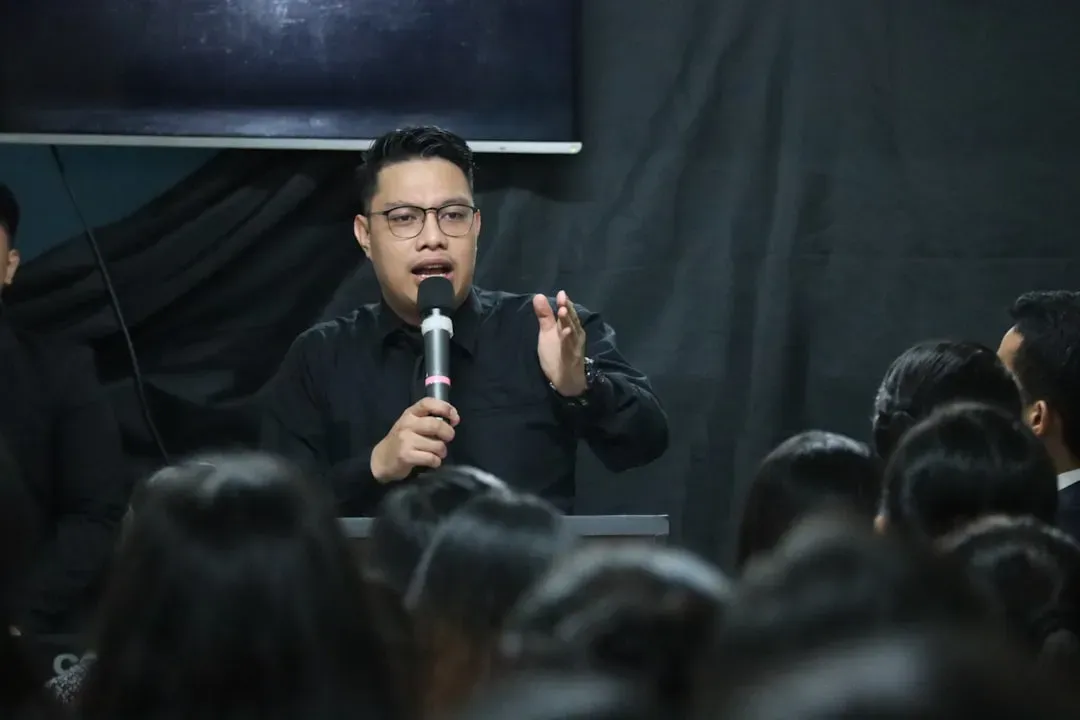
Oral storytelling built civilizations. Before writing, before books, we had voices. Elders passing down histories, bards singing epics, parents soothing children with fairy tales. Knowledge and culture survived because people remembered stories and shared them aloud.
Audiobooks resurrect that tradition. The narrator becomes the storyteller again. Their interpretation matters. Their emotional delivery shapes your understanding. Two different narrators can make the same book feel like entirely different experiences. That’s pure oral tradition, just technologically amplified.
Las Vegas, in its strange way, honors this. The city was built on performance, on people commanding attention through voice and presence. Every comedian, every lounge singer, every street performer on Fremont continues that lineage. Audiobooks simply extend it into private spaces.
There’s intimacy in hearing a story read to you. It feels personal, even when millions of others are hearing the same narration. That voice is in your ear, speaking directly to you. It mimics the experience of having someone read to you as a child, that feeling of being cared for through story.
Reading Versus Listening: The Great Debate
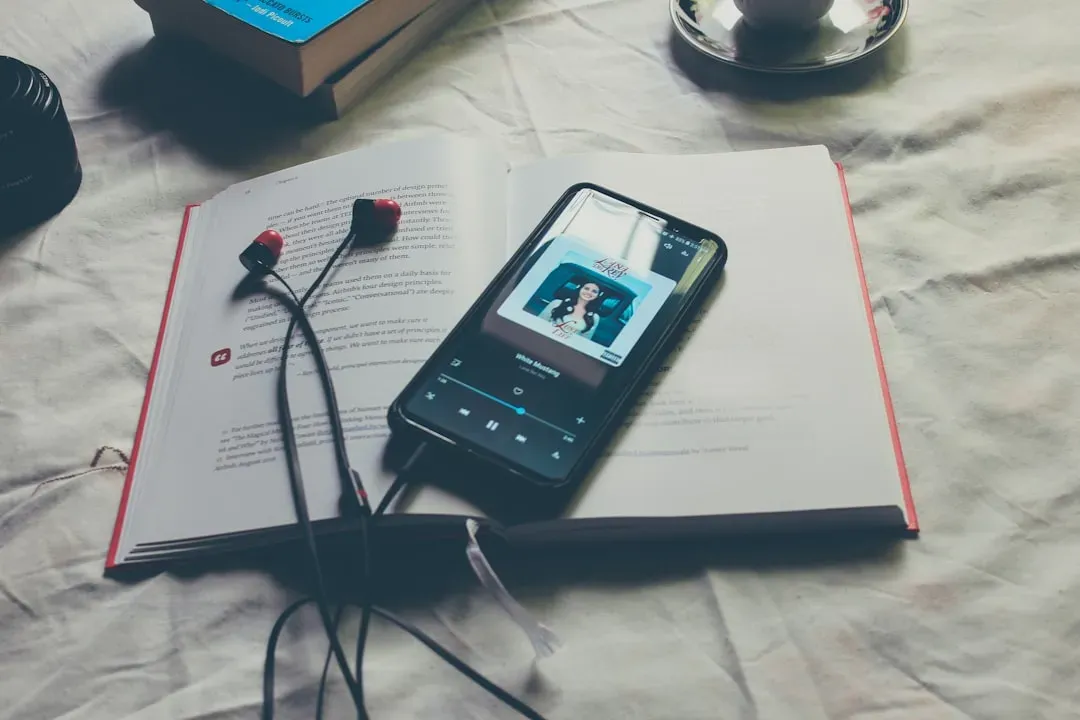
Book purists get defensive about this. They insist that reading with your eyes engages the brain differently, that you retain more, that it requires greater focus. Research actually shows the comprehension differences are minimal. Your brain processes the story similarly whether you see words or hear them.
What does differ is the experience itself. Reading lets you control pacing, lets you reread a beautiful sentence, lets you skip ahead if you’re impatient. Listening forces you into the narrator’s rhythm, but that surrender can be liberating. You trust someone else to guide you through the story.
I’ve noticed Las Vegas readers falling into patterns. They’ll read physical books at home, where they can create a quiet sanctuary, and listen to audiobooks while navigating the chaos of the city. It’s not either-or anymore. It’s both, selected based on circumstance and mood.
The medium might change, but the core remains the same. Stories still transport us, still make us feel less alone, still help us understand ourselves and others. Whether those stories enter through eyes or ears seems almost beside the point.
The Vegas Audio Ecosystem

Independent bookstores in Las Vegas have adapted fast. The Writer’s Block now hosts audiobook listening clubs where people gather to hear a chapter together, then discuss it. It sounds weird until you try it. There’s something powerful about experiencing a story as a group again, even if the storyteller is a recording.
Local libraries have gone all in. The Clark County Library system offers vast digital collections. You can borrow audiobooks instantly, no late fees, no driving to return them. It’s democratized access in meaningful ways. Someone working three jobs can still have a rich literary life without spending money or finding time to visit a physical building.
Even the casinos are noticing. Some hotel rooms now come preloaded with audiobook options on their entertainment systems. After a long night gambling or watching shows, you can fall asleep to a narrator’s voice. It’s oddly comforting, like having someone read you a bedtime story in a city that never sleeps.
Production studios are popping up too. Voice actors are recording narrations right here in Vegas, in the same studios that produce commercials and voice-overs for slot machines. The city’s expanding its definition of performance to include these intimate, invisible acts of storytelling.
Accessibility and Inclusion

This matters more than people realize. Audiobooks have opened literature to people with visual impairments, dyslexia, and other reading challenges. The format doesn’t require any special accommodation. It just works, automatically inclusive in a way print often isn’t.
In Las Vegas, with its incredibly diverse population and high number of ESL speakers, audiobooks provide another benefit. Hearing proper pronunciation, rhythm, and emphasis helps language learners in ways that text alone cannot. A Filipino dealer learning English can absorb sentence structure while enjoying a thriller. That’s powerful.
Seniors are embracing audiobooks enthusiastically. Vision deteriorates with age, but hearing often remains strong. Retirees who’ve moved to Vegas can maintain their reading habits without struggling with small print or needing bright lights. It preserves independence and mental engagement.
The format also serves people with anxiety or attention challenges. The external pacing can actually help focus wandering minds. Instead of rereading the same paragraph five times, you’re carried forward by the narrator’s momentum.
The Economics of Listening
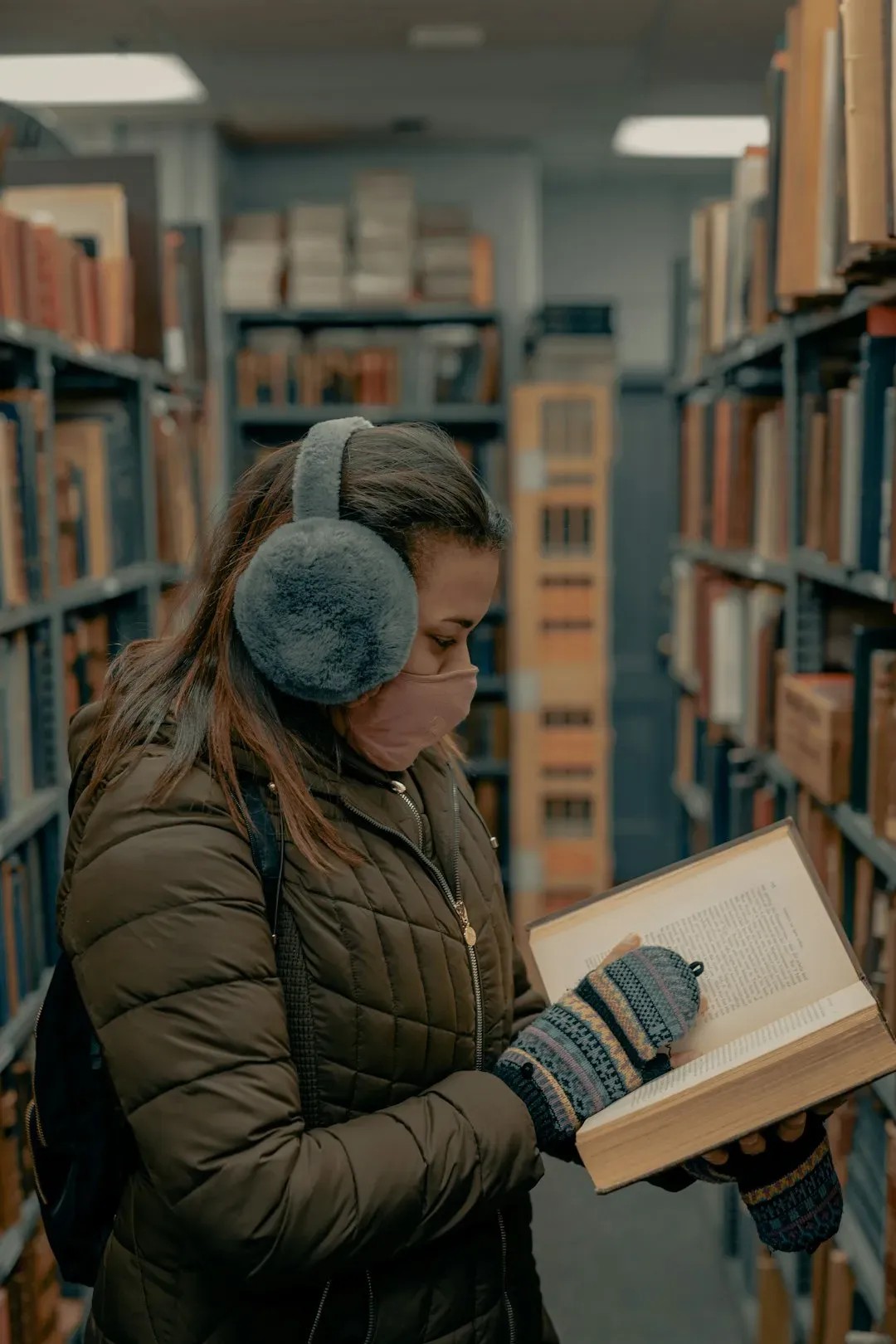
Let’s talk money, because this is Vegas after all. Audiobooks aren’t cheap. A single title can cost as much as a hardcover, sometimes more. Subscription services help, but they’re still monthly expenses. For a city with significant income inequality, this creates barriers.
However, the value calculation shifts when you consider usage. That forty dollar audiobook might provide fifteen hours of entertainment. Compare that to a couple hours at a show or a night gambling, and suddenly it’s the economical choice. Time-poor, budget-conscious workers are figuring this out.
Libraries level the playing field. Free access to thousands of titles means economic status doesn’t determine literary access. Someone living paycheck to paycheck in North Las Vegas has the same audiobook options as a penthouse dweller on the Strip. That’s quietly revolutionary.
The market keeps expanding too. Publishers are investing heavily in audio production because the profit margins are attractive. No printing costs, no shipping, no unsold inventory gathering dust in warehouses. Digital distribution is efficient and scalable.
Nostalgia and Innovation Collide

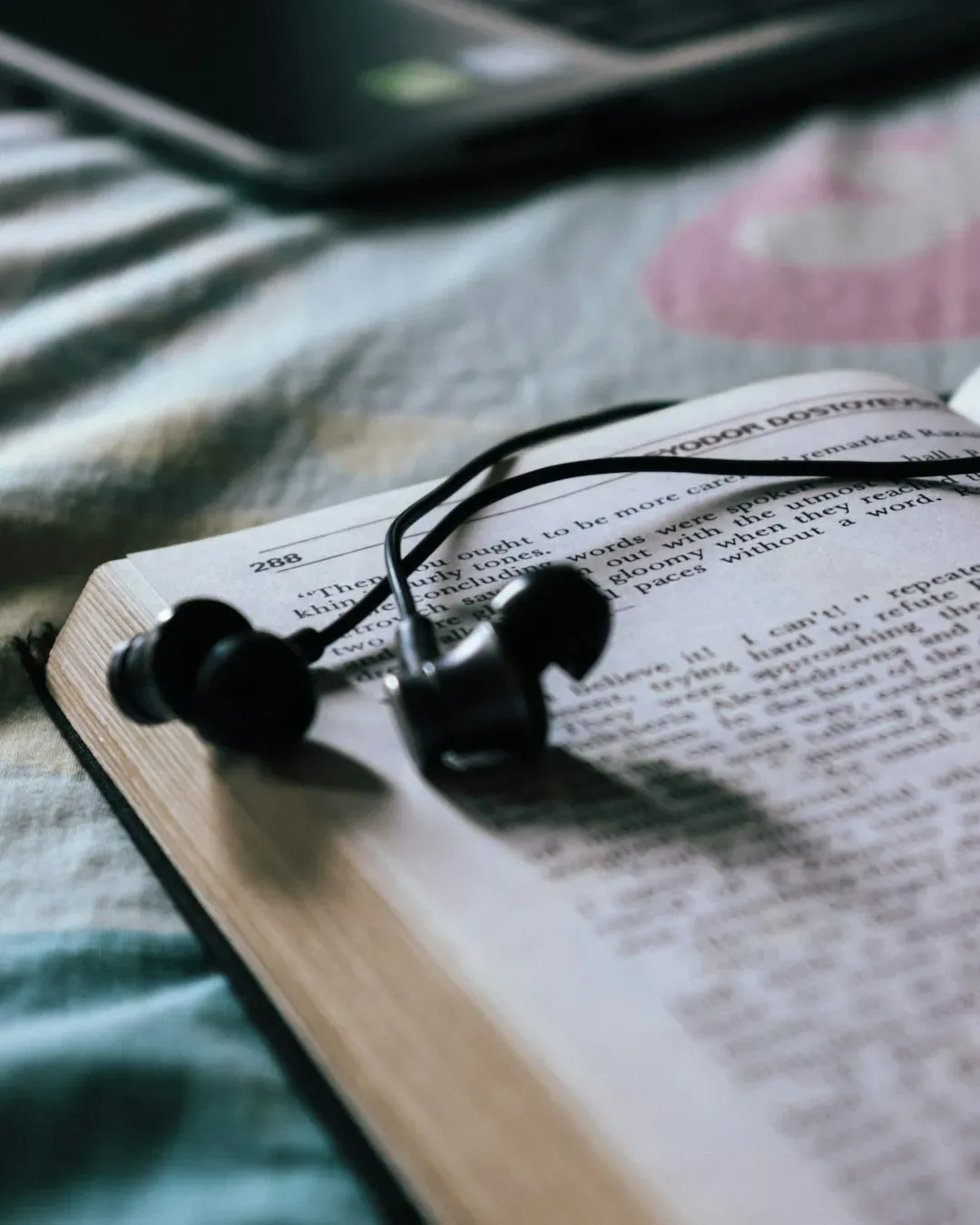
There’s something deeply nostalgic about being read to, even as an adult. It connects to childhood, to safety, to being cared for. Audiobooks tap into that emotional memory while delivering sophisticated adult content. It’s comfort food for the mind.
Yet the technology enabling this is cutting-edge. Artificial intelligence is starting to generate narrations, though they’re still noticeably robotic. Voice synthesis is improving rapidly. We might soon reach a point where you can’t distinguish human narrators from AI ones. That’s both exciting and unsettling.
Las Vegas, a city built on the tension between old school showmanship and new technology, embodies this contradiction perfectly. We want the warmth of human connection delivered through the convenience of digital platforms. We want the ancient magic of storytelling packaged in modern efficiency.
This collision creates interesting questions. If an AI can narrate a book perfectly, does it lose something essential? Or is the story itself what matters, regardless of the delivery mechanism? We’re going to find out soon, whether we’re ready or not.
Conclusion: The Voice in Your Ear

Audiobooks represent something fascinating. We invented incredible technology, not to do something new, but to do something ancient more conveniently. We’re using smartphones and algorithms and cloud computing to recreate the experience of a storyteller speaking directly to an audience. Progress is sometimes circular.
Las Vegas, with its blend of tradition and innovation, old Vegas charm and new tech sensibilities, captures this moment perfectly. The city understands that entertainment evolves but essential human needs remain constant. We need stories. We need voices. We need to feel connected to something larger than ourselves.
Whether you’re reading this on paper, on a screen, or having it read to you by a synthesized voice, the medium is almost irrelevant. What matters is that we’re still telling stories, still listening to them, still allowing narrative to shape how we understand the world. That hasn’t changed in thousands of years, and I don’t think it ever will.
What do you think about the audiobook revolution? Are you team listening or team reading, or does it even matter anymore? Tell us in the comments.