Plenty of us have walked out of a cinema saying the book was better. Fewer of us can say we actually read the book before the film won its golden statue.
The six titles below all began as printed pages and ended up on the Academy Awards stage. Some were thrillers, some were sweeping epics, and one was a hefty biography. See how many you’ve picked up.
The Silence of the Lambs by Thomas Harris

Harris published this novel in 1988, and it introduced many readers to Dr. Hannibal Lecter. The story follows FBI trainee Clarice Starling as she seeks help from the imprisoned psychiatrist to catch a serial killer. It’s tense, tightly plotted, and surprisingly procedural.
Jonathan Demme’s 1991 film won the five major Oscars: Best Picture, Best Director, Best Actor for Anthony Hopkins, Best Actress for Jodie Foster, and Best Adapted Screenplay for Ted Tally. Only two films had done that before it, It Happened One Night and One Flew Over the Cuckoo’s Nest. Hopkins is on screen for a short stretch of the film, yet he still took the lead acting prize.
No Country for Old Men by Cormac McCarthy
McCarthy’s 2005 novel is spare and bleak. A hunter stumbles on a drug deal gone wrong and a satchel of money, and a relentless killer follows. The prose skips quotation marks entirely, which gives the book its strange, quiet pull.
Joel and Ethan Coen adapted it, and the film took four Oscars at the 2008 ceremony. Those were Best Picture, Best Director, Best Supporting Actor for Javier Bardem, and Best Adapted Screenplay. The Coens shared the directing and screenplay awards, and the film stays close to the book’s dialogue.
Forrest Gump by Winston Groom
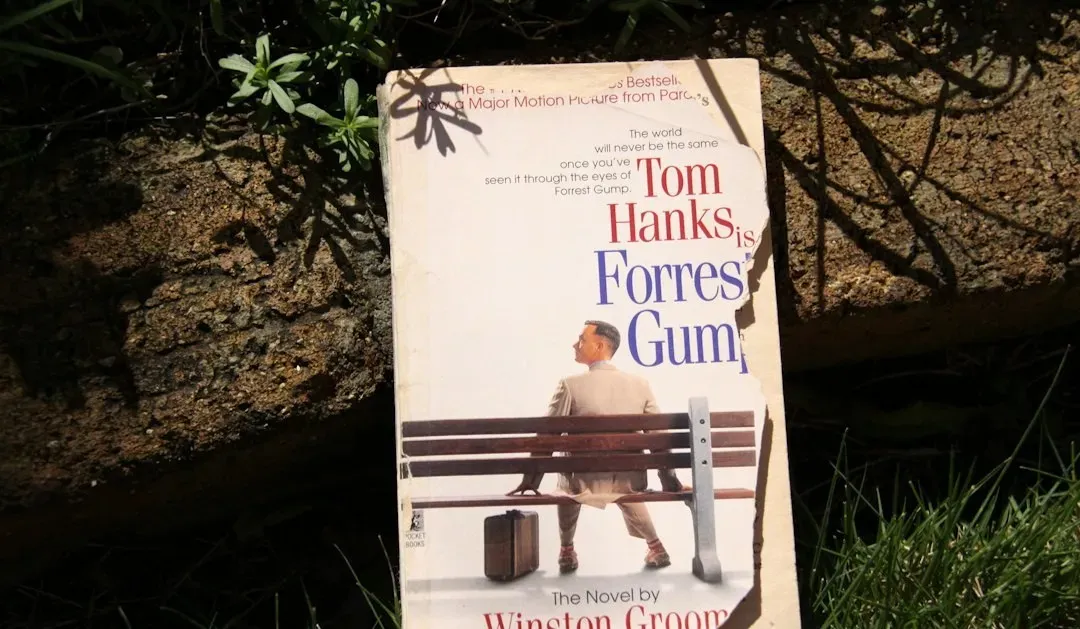
Groom’s 1986 novel is rougher and more satirical than most people expect. Forrest is a savant with odd talents who drifts through the decades, and the book is a lot more chaotic than the film. If you only know the movie, the source material may surprise you.
The 1994 film, directed by Robert Zemeckis, won six Academy Awards. They included Best Picture, Best Director, Best Actor for Tom Hanks, and Best Adapted Screenplay for Eric Roth. It also won for visual effects and film editing, and it remains one of the most celebrated crowd pleasers in Oscar history.
The Godfather by Mario Puzo
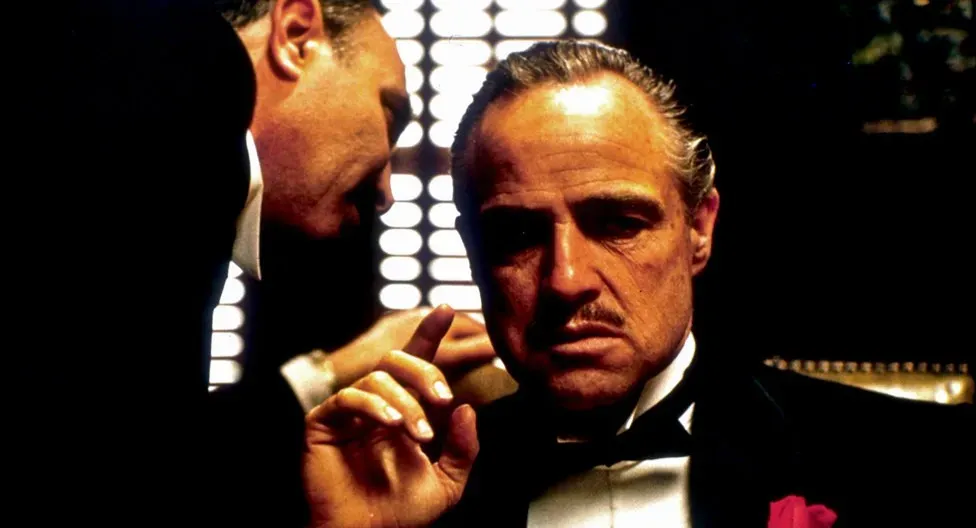
Puzo’s 1969 novel was a huge popular hit, and it shaped how a generation pictured organized crime. It gives the Corleone family far more backstory than the film has room for. Several side characters get whole chapters of their own.
Francis Ford Coppola’s 1972 adaptation won three Oscars: Best Picture, Best Actor for Marlon Brando, and Best Adapted Screenplay, shared by Puzo and Coppola. Brando famously declined his award, sending Sacheen Littlefeather to speak on his behalf. The film’s reputation has only grown since, and the book remains the easier way to spend more time in that world.
Gone with the Wind by Margaret Mitchell
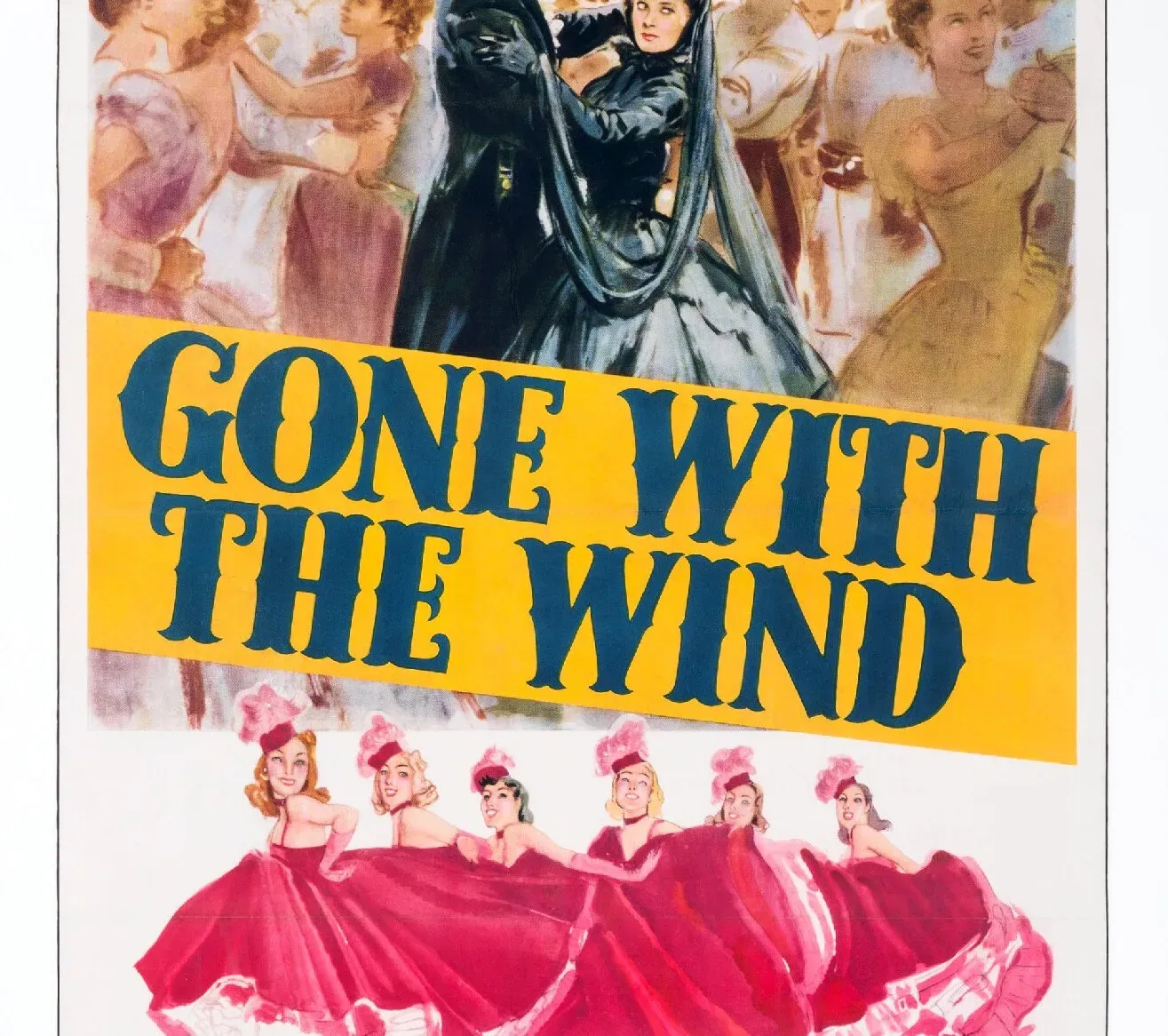
Mitchell’s 1936 novel was a publishing phenomenon and won the Pulitzer Prize for fiction in 1937. It’s a long Civil War and Reconstruction saga centered on Scarlett O’Hara. Today it’s widely read with a critical eye, because of how it romanticizes the Old South and depicts slavery.
The 1939 film won eight competitive Academy Awards, along with two honorary ones, which set a record at the time. Hattie McDaniel won Best Supporting Actress for playing Mammy, becoming the first Black performer to win an Oscar. She was still seated at a segregated table at the ceremony, a reminder of the era’s realities.
American Prometheus by Kai Bird and Martin J. Sherwin

This biography of J. Robert Oppenheimer appeared in 2005 and won the Pulitzer Prize for Biography in 2006. It took the authors about a quarter century to complete, and it follows the physicist from his early career through the Manhattan Project and his later security hearing. It’s dense, but readers often find it moves quickly.
Christopher Nolan adapted it into Oppenheimer, which won seven Oscars at the ceremony held in March 2024. Those included Best Picture, Best Director, Best Actor for Cillian Murphy, and Best Supporting Actor for Robert Downey Jr. It also won for cinematography, film editing, and original score, making it the most recent title on this list.