Walk into any audition room and you’ll quickly realize that casting directors are evaluating far more than whether you remembered your lines. They’re reading the room the moment you walk in, taking note of how you carry yourself, how you listen, and whether you bring something alive to the material in front of you.
Some casting decisions are made based on things completely beyond your control, like resembling an actor already cast or fitting a pre-made costume. Others take into account a blend of factors harder to pin down than technical skills – things like authenticity, charisma, charm, and believability. The nine traits below are the ones that come up again and again, from industry events to green rooms to casting callbacks across both stage and screen.
1. Authentic Presence Over Polished Performance

For every role, casting directors are not just searching for technical proficiency but also for authenticity, confidence, and a clear understanding of the character. The difference between an actor who technically delivers lines and one who genuinely inhabits a moment is something casting professionals feel almost immediately. It’s not about being raw or unpolished – it’s about being real.
Ultimately, casting directors are looking for authenticity, versatility, and professionalism at every step. When an actor tries too hard to fit what they think the room wants, it often backfires. The actors who tend to get called back are the ones brave enough to show up as themselves first, and the character second.
2. Grounded, Contained Confidence
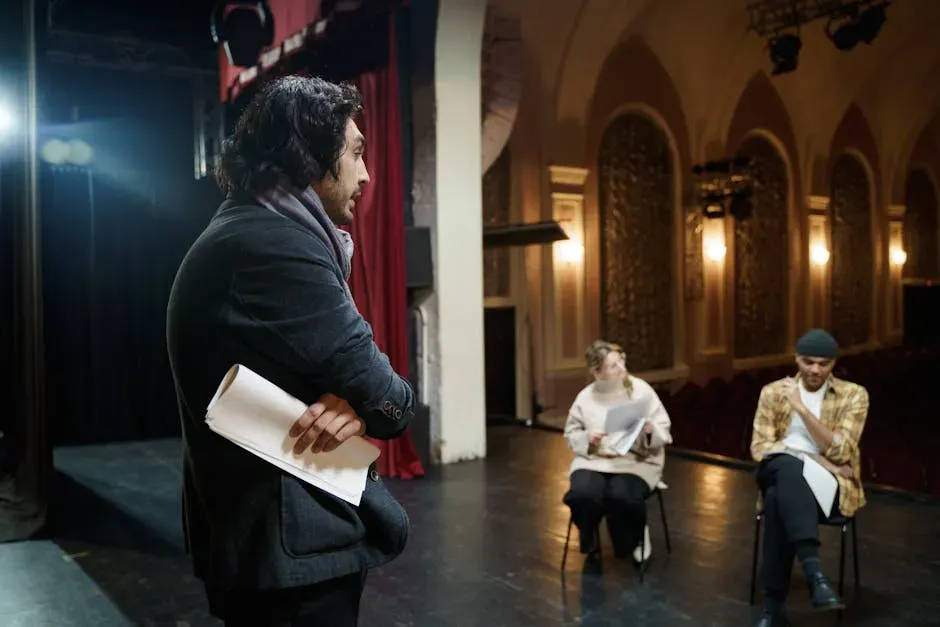
It’s a type of confidence that isn’t arrogant or displayed by over-the-top shows of bravado. Instead, it comes across as a grounded and compelling presence that has the power to command the attention of the audience. Projecting this kind of energy authentically requires strong self-belief and confidence in your skills and versatility as an actor.
Having confidence is a key factor for success in auditions. Casting directors want to trust that you believe in yourself and can take direction without getting flustered. They also want to see that you have faith in the talent and skill set you bring to the table. There’s a meaningful distinction between nervousness that reads as unprepared and nerves that read as high stakes – casting professionals can usually tell which one they’re looking at.
3. Emotional Intelligence and Depth

While actors and models get their scripts and instructions for every project, there are some less obvious things they just have to figure out on their own by using their emotional intelligence. Amongst those things is grasping the deeper subtexts of the story they are meant to tell. Another is creating an emotional connection with their character by learning to understand the emotional impact the story is meant to have on it.
Emotion is at the heart of every outstanding performance. Casting directors want to see genuine, layered emotions – not over-the-top dramatics. Drawing from your own experiences to connect authentically with the character, and balancing intensity with subtlety, ensures your performance feels real and relatable. The actors who can modulate emotional range without losing control of the scene are the ones who stick in a casting director’s memory.
4. Versatility Across Genres and Styles

Versatility is highly valued. Casting directors seek actors who can showcase a wide range of emotions and characters. Being able to transition smoothly from a dramatic scene to a comedic one, or from a vulnerable moment to a powerful one, demonstrates range and flexibility. In a production landscape that increasingly blends tones and genres, single-note performers have a harder time getting consistent work.
Young actors who can shift between genres, platforms – TV, film, digital – and skills such as singing and dancing are more competitive. The same logic applies to experienced actors. By using their talents to tackle versatile and diverse opportunities, performers can increase their value and the amount of acting job chances realistically available to them, as well as their overall marketability.
5. Thorough Preparation and Research

Actors who invest time in research demonstrate a depth of dedication that casting directors value. This includes studying the script, analyzing the character’s motivations, and understanding the broader context of the story. Reviewing any available source material, such as prior performances, previous seasons in the case of recurring series, or the director’s body of work, can provide greater insight into the nuances of the role.
One of the most telling signs of how you would work in a production is how much you prepared for your audition. If you didn’t prepare, they can tell. This will inform the production and creative team that perhaps you are not a person with a strong work ethic. Preparation isn’t just about knowing your lines – it signals to everyone in the room how seriously you take the craft and the opportunity.
6. Adaptability and Openness to Direction

Versatility is a prized trait in the acting world, highly sought after by casting directors. They value actors who can swiftly adapt to new directions and effectively respond to feedback during auditions. This ability to shift performance styles or emotional responses on the spot is critical, as it reflects an actor’s capacity to navigate the dynamic demands of different roles and directors.
Without being set on a certain interpretation, performers are able to be flexible with their craft, and willingly adjust their performance if receiving constructive feedback or even criticism. As acting projects tend to differ dramatically from one gig to another, it is essential for creatives to be open-minded due to multiple inputs being involved each time, especially with the performer not having the final say. Being coachable isn’t a weakness – in this industry, it’s one of the most bankable qualities an actor can have.
7. A Unique and Distinct Point of View

The ability to bring your own, new perspective and insight into a role is key, even if you’ve seen dozens of other actors play the same role. Casting directors sit through hundreds of auditions and can spot a copied interpretation from across the room. What stops them cold is when someone does something genuinely unexpected with familiar material.
Diversity and individuality are celebrated more than ever. Casting directors look for unique qualities that make you stand out. Whether it’s a distinctive look, an unusual skill, or a compelling personal story, these unique traits can make you memorable and set you apart from others. The goal isn’t to be eccentric for its own sake – it’s to bring a perspective that only you can offer, and to commit to it.
8. Professionalism From the First Moment

Reactions play a pivotal role in defining dynamics between scene partners during an audition. A warm smile, polite greeting, and poised responses to initial small talk can leave a positive impression on the panel and set a constructive tone for the rest of the audition. Conversely, appearing distracted or impatient may tarnish perceptions before a line is even delivered.
Casting directors often don’t have the luxury of time. With dozens or hundreds of candidates to evaluate, the first impression becomes a practical measure for streamlining the selection process. This snap judgment isn’t superficial but rather serves as a proxy for an actor’s readiness for professional demands – including arriving prepared, taking direction, and collaborating effectively on set or stage.
9. A Positive Attitude That Holds Up Under Pressure

The importance of a positive attitude cannot be overstated in audition settings, where the pressure is high and the stakes are even higher. Casting directors note that actors who maintain a positive, upbeat demeanor are more likely to leave a lasting impression. A positive attitude reflects an actor’s resilience and ability to handle stress and adversity, qualities that are incredibly valuable during long and often challenging productions.
A positive attitude in difficult moments suggests not only humility but also a willingness to grow and improve – a quality that directors and producers value on set. Actors with a strong, optimistic outlook often cultivate trust, which can tip the scales in competitive casting situations. This approach contributes to building a reputation in the industry, as casting directors frequently discuss their experiences with others. Reputation in this business travels fast, and the actors who are genuinely a pleasure to work with tend to keep getting called.