Few moviegoing habits are as odd as buying a ticket for a film that starts when most people are in bed. Yet the midnight screening has outlasted drive-ins, video rental shops and, so far, streaming. It began as a practical answer to an empty theater schedule, not as a cultural plan.
The story involves failed releases, a few stubborn theater managers and audiences who turned watching into something closer to participating. Here’s how it unfolded.
Theaters Had Empty Late Slots to Fill

In the late 1960s, many American cinemas had a problem. Television had pulled audiences away, and late evening hours often meant a half-empty auditorium. Managers were willing to try almost anything that might sell tickets after the regular shows ended.
Late shows weren’t new, since grindhouse and exploitation houses had run them for years. What changed was that a few theaters began to treat the late slot as a destination for films that didn’t fit anywhere else.
The Elgin Theater and El Topo
The modern midnight movie is usually traced to New York’s Elgin Theater. In 1970, Alejandro Jodorowsky’s surreal western El Topo started playing there at midnight, and word of mouth built a loyal crowd. The film ran for months, and it showed that an odd, difficult movie could find an audience after dark.
Film historians often cite this run as the start of the form. It set the pattern of small, cult followings and repeat viewings that later midnight hits would follow.
Night of the Living Dead and Pink Flamingos Join In
Other films soon moved into the late slot. George A. Romero’s Night of the Living Dead, released in 1968, found a second life in these screenings, and John Waters’ Pink Flamingos became a fixture of the circuit in the early 1970s. Both were low budget, provocative and hard to market in a normal release.
Midnight showings gave them a home. Audiences came because the films felt like discoveries, not products handed down by a studio.
The Rocky Horror Picture Show Changes the Rules

The Rocky Horror Picture Show flopped in its 1975 release. Then it moved to midnight runs, beginning at the Waverly Theater in New York, and everything shifted. Viewers began to return again and again, and they started talking back to the screen.
Over time, fans added costumes, props and scripted call outs. Rocky Horror has been described as the longest running theatrical release in film history, and many theaters still screen it regularly, often with live shadow casts performing in front of the screen.
Partner offer

David Lynch and the Art House Crowd

In 1977, David Lynch’s Eraserhead began playing at midnight at the Cinema Village in New York. It built a following slowly, much as El Topo had. The film’s strange, dreamlike look suited a late audience that wanted something unlike mainstream cinema.
Along with works from filmmakers such as Waters and Romero, it helped define what midnight programming meant. The label came to suggest bold, uncompromising and often transgressive work.
Home Video Threatened the Format

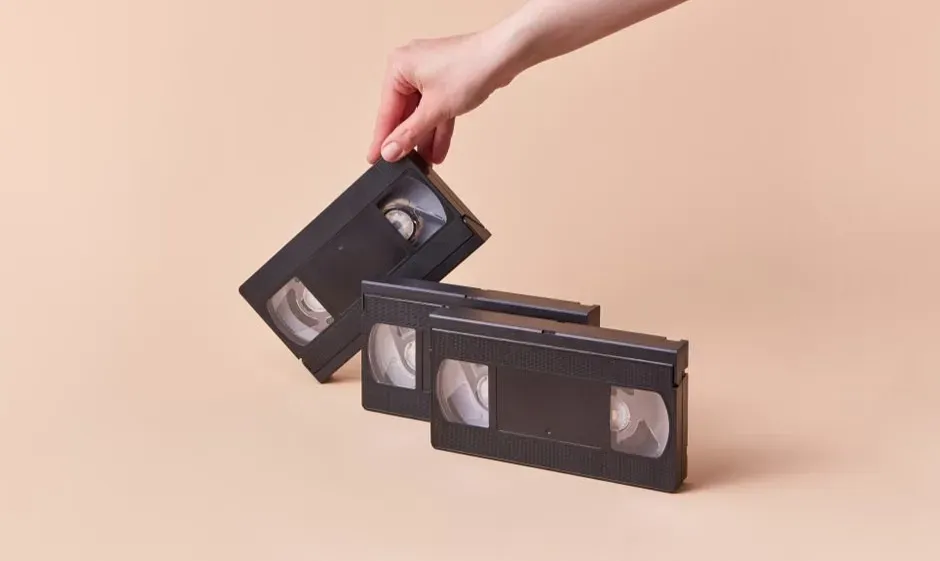
The arrival of VHS in the 1980s meant that cult films no longer needed a theater. Viewers could rent obscure titles and watch them at home, any hour they liked. Many commercial midnight runs faded during this period.
Still, the format survived in repertory cinemas and college towns. What home video couldn’t offer was a crowd, and that turned out to be the main appeal.
Cult Classics Like The Room Found New Life

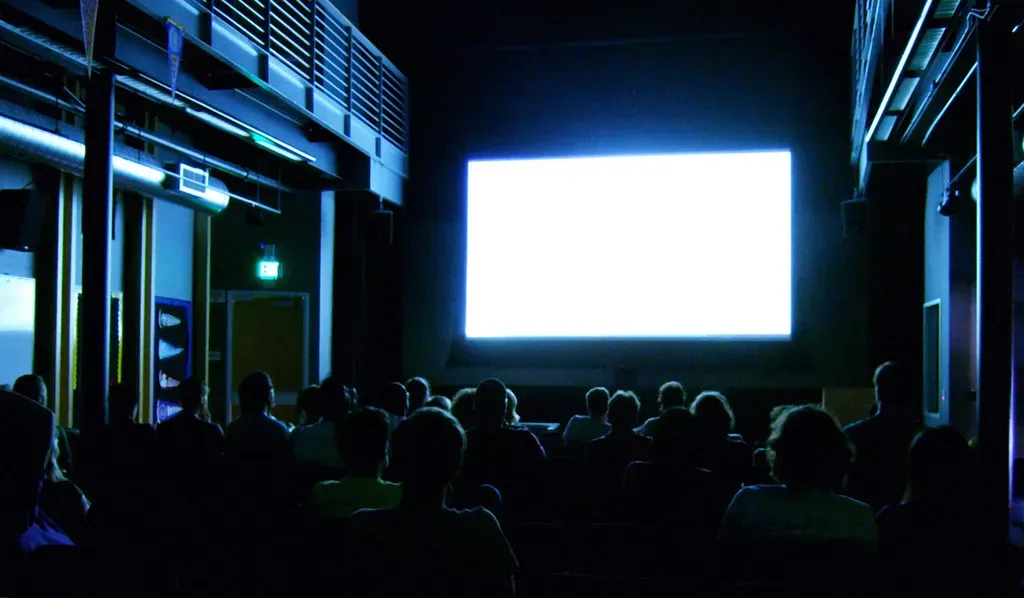
Tommy Wiseau’s The Room, released in 2003, became a modern example. It was a commercial failure at first, but midnight screenings turned it into a favorite for audiences who enjoyed its awkward dialogue and unintentional humor. Viewers throw plastic spoons and shout lines in a ritual that has become part of the experience.
The 2017 film The Disaster Artist, which dramatized its making, brought it more attention. It shows that the tradition still produces new cult favorites, not only old ones.
Studios and Chains Adopt the Late Show

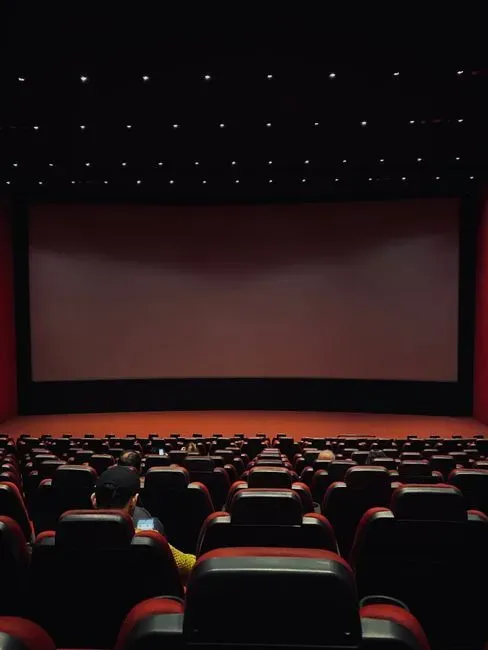
Large chains eventually saw value in late showings, but for a different reason. Opening night midnight screenings of franchise films, including the Harry Potter and Twilight series, became big events in the 2000s and early 2010s. Fans dressed up and lined up for hours.
Those shows were about being first, not about discovering something odd. Today, major chains such as AMC still run late night and special event screenings, though the schedule varies by location and film.
Midnight Screenings in the Streaming Era

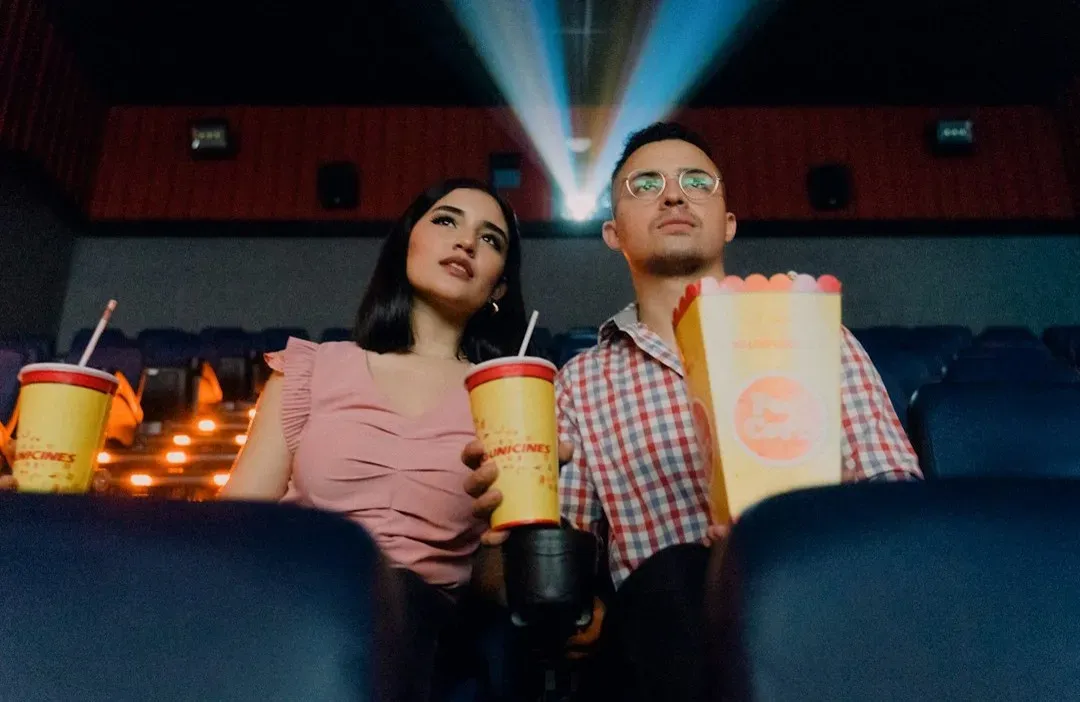
Independent and repertory theaters continue the tradition today. Venues such as the Alamo Drafthouse and the Nitehawk in New York have run regular late night series that mix horror, cult favorites and interactive showings. Many festivals also keep a midnight section, with Sundance’s Midnight program and the Toronto International Film Festival’s Midnight Madness among the best known.
The appeal has stayed consistent for decades. A late hour, a shared reaction and a film that rewards a crowd are things a living room doesn’t easily provide.
Partner offer
Planning a trip to Vegas?
Compare hotel rates and show tickets on VEGAS.com.