There’s a strange kind of math happening behind the scenes every time a trailer flashes a date on screen. Long before a single frame is shot, executives are already staring at calendars, spreadsheets, and rival studio announcements, trying to claim a slot that won’t get buried by a bigger competitor. It looks arbitrary from the outside, but the process is closer to a chess match than a coin flip. By the time audiences see a release date attached to a poster, that number has often been through months of internal debate, external scouting, and quiet negotiation with theater chains. What follows is a look at the actual mechanics studios use to land on a date a year or more before a movie ever opens.
Reading the historical box office calendar

Studios lean heavily on decades of box office data to figure out which weekends tend to reward certain kinds of movies. Historical patterns show that big tentpole films perform best during specific windows tied to school schedules and public holidays. Major tentpole movies are released at very specific times: the Summer, March, and December, basically summer break, spring break, and winter break.
Distribution teams pull weekend-by-weekend performance going back years, checking how similar genres or franchises did in that same slot previously. A horror movie that outperformed expectations over a Labor Day weekend a few years back becomes a data point that shapes future scheduling. This isn’t guesswork so much as pattern recognition applied to an industry that runs on repeat behavior from moviegoers.
Avoiding a direct collision with rivals

One of the clearest strategic moves a studio can make is simply not showing up on the same weekend as a competitor’s blockbuster. In some cases, competitive studios will simply pick a different weekend to avoid going head-to-head at the box office with another potential blockbuster. This kind of dodge can mean the difference between a strong opening and a film getting crushed by a bigger marketing budget.
Not every studio plays it safe, though. Others will select the date they want regardless of which studio has staked a claim. Sometimes that confidence pays off because two different audiences show up for two different kinds of films on the same weekend, and sometimes it turns into a costly standoff that neither side fully wins.
Staking a claim years before the movie is finished
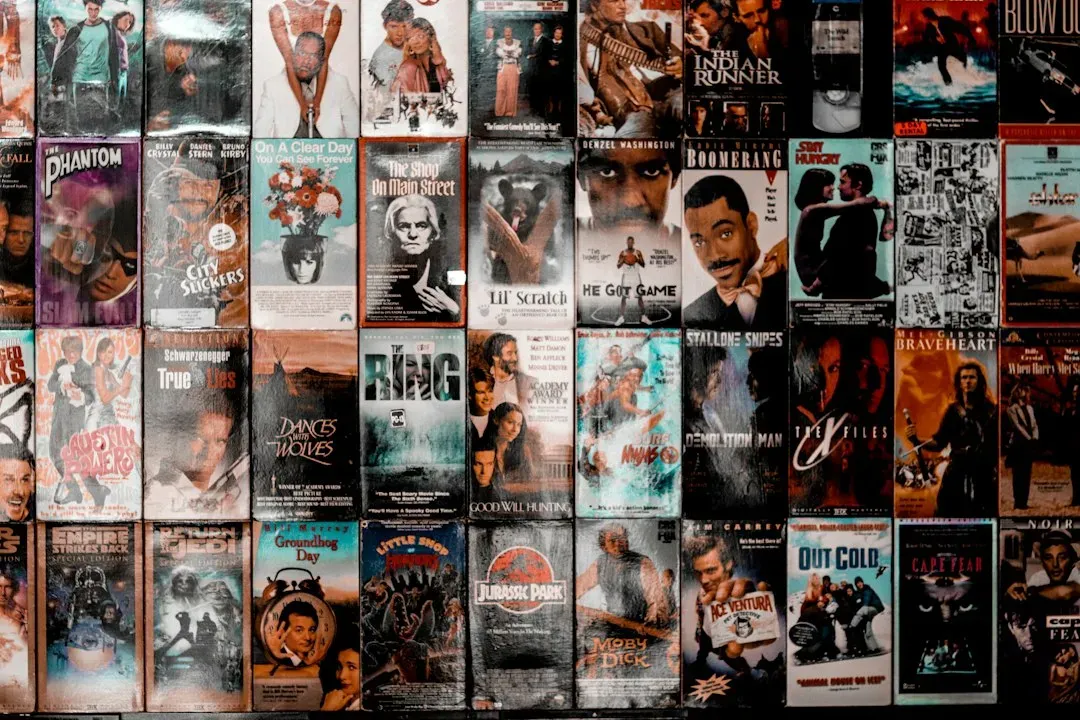
Announcing a date early has become its own kind of tactic, almost like planting a flag on a piece of calendar real estate. Movie release dates are often chosen several years in advance. Doing this publicly signals to competitors that a particular weekend is already spoken for, discouraging them from scheduling something similar.
The catch is that locking in a date early carries real risk. Many have turned to announcing release dates before a film is complete in an attempt to throw down the gauntlet and claim historically blockbuster weekends for themselves, which often requires picking a release date several years in advance, and this has its own set of risks, mainly that it locks in a completion date, which may result in a rushed, inferior film. There’s also the downside of tipping your hand. Naming release dates well in advance also lets competitors know your plans, which can be a good or bad thing depending on the situation.
Watching what visual effects timelines actually allow

No date matters if the effects team can’t finish the work on time, and this has become one of the biggest hidden factors in modern scheduling. Big franchise films increasingly rely on massive amounts of digital work that simply takes longer than a marketing calendar might prefer. Studios have learned the hard way that pushing a date forward without giving VFX houses enough runway leads to compromised final products or last-minute delays.
A notable recent example involves two major franchise sequels that both needed extra time. Avengers: Doomsday and Avengers: Secret Wars were both moved from their original May 2026 and May 2027 dates, respectively, to December of each year to allow additional production time, with Disney confirming the shift to December in May 2025. That kind of shift, made public more than a year out, shows how production reality can override even a carefully chosen slot.
Coordinating with theater chains and exhibitors

Studios don’t schedule in a vacuum. Theater chains have their own capacity constraints, screen counts, and premium format availability that factor into when a film can realistically get the widest possible release. A movie competing for IMAX or premium large format screens has to negotiate around other films already booked into those same auditoriums.
This coordination becomes especially visible during crowded stretches of the calendar, when multiple major releases want the same premium screens in the same month. Studios often adjust dates by a week or two specifically to secure better access to these formats rather than share them with a rival release. It’s a quieter part of the process, but it shapes which weekend a trailer eventually lands on.
Partner offer
Factoring in global markets and staggered rollouts

A release date in 2026 rarely means the same thing everywhere at once anymore. Many films now open in different territories on different weeks, sometimes intentionally staggered based on regional holidays, school calendars, or local competition. Premieres in select markets may precede other regions as part of a staggered rollout strategy.
This global patchwork adds another layer of complexity to date-setting a year out. A studio has to consider not just the domestic weekend but how that date interacts with major local franchises overseas, particularly in large markets where a poorly timed release can get swamped by a hometown hit. The result is a release calendar that’s really several overlapping calendars stitched together.
Building in streaming and windowing considerations

The theatrical window itself has become part of the scheduling calculation rather than an afterthought. Some studios have designed recent schedules to restore something closer to a full exclusive theatrical window before content moves to streaming platforms. That decision affects how a release date gets chosen because the exclusivity period has to fit cleanly before a planned streaming debut.
Industry observers have noted a broader shift away from a single unified release plan. The old certainty of a single global release date is fading, as studios experiment with windowing strategies where a film opens in theaters for a few weeks before moving elsewhere. That flexibility means the date announced a year ahead is really the start of a longer, more complicated rollout plan rather than a single fixed moment.
Adjusting for franchise fatigue and audience appetite

Even after a date gets locked in, studios keep watching what everyone else is doing and will adjust if a bigger threat suddenly appears on the calendar. Distribution executives track trade press, rival studio announcements, and even test screening buzz to gauge whether a competing film might be stronger than initially expected. If that happens, a quiet date shift can occur months or even weeks before release.
Recent scheduling shows this kind of last minute recalibration happening regularly. Films like The Cat in the Hat and The Bride! saw their dates shifted within the same release window as other titles moved around them, illustrating how one change can trigger a chain reaction across the calendar. These adjustments prove that a release date, even one set a year out, is never fully permanent until the film is actually in theaters.
Weighing seasonal and cultural moments

Beyond school breaks and holidays, studios also think about broader cultural moments that might boost or hurt a film’s chances. A date tied to a long weekend, a major sporting event, or even a cultural anniversary can shift audience turnout in ways that pure box office history doesn’t always predict. Marketing teams often push for dates that let a campaign build around an existing cultural conversation rather than compete against it.
This kind of thinking extends internationally too, where local holidays and cultural calendars carry just as much weight as the American release schedule. A studio eyeing a strong opening in a specific overseas market will sometimes adjust the global date specifically to align with a regional holiday period. It’s one more variable in an already crowded decision, but it can meaningfully change how a film performs outside its home market.
The takeaway

Partner offer
Planning a trip to Vegas?
Compare hotel rates and show tickets on VEGAS.com.