Carbon Tracking Becomes the Industry Standard

Festivals aren’t just throwing parties anymore – they’re keeping tabs on their environmental impact like never before. Major promoters including Goldenvoice are now tracking the carbon footprint of each event, pushing transparency to the forefront of festival planning. According to Seaside Sustainability, the average music festival produces 500 tons of carbon emissions over three days, which equates to 5kg of CO₂ per attendee per day. Much of this stems from audience travel, with people driving long distances or even taking flights to attend their favourite festivals. The shift toward measuring these numbers represents a massive step, turning vague green intentions into hard data that can drive real change.
Renewable Energy Powers the Stages

Shambala is powered by 100% renewable energy, using a mix of vegetable oil generators, solar, hybrid units, batteries and a small amount of grid energy on a renewable, green tariff. In France, We Love Green is powered 100% by renewable energy – including solar panels and generators running on recycled vegetable oil – and implements best-in-class waste management, with up to 85% of waste sorted and recovered. Diesel generators, once the backbone of festival power, are being phased out in favor of cleaner alternatives. It’s not just about reducing emissions; solar and biofuel systems cut noise pollution and operating costs too.
Circular Waste Systems Close the Loop
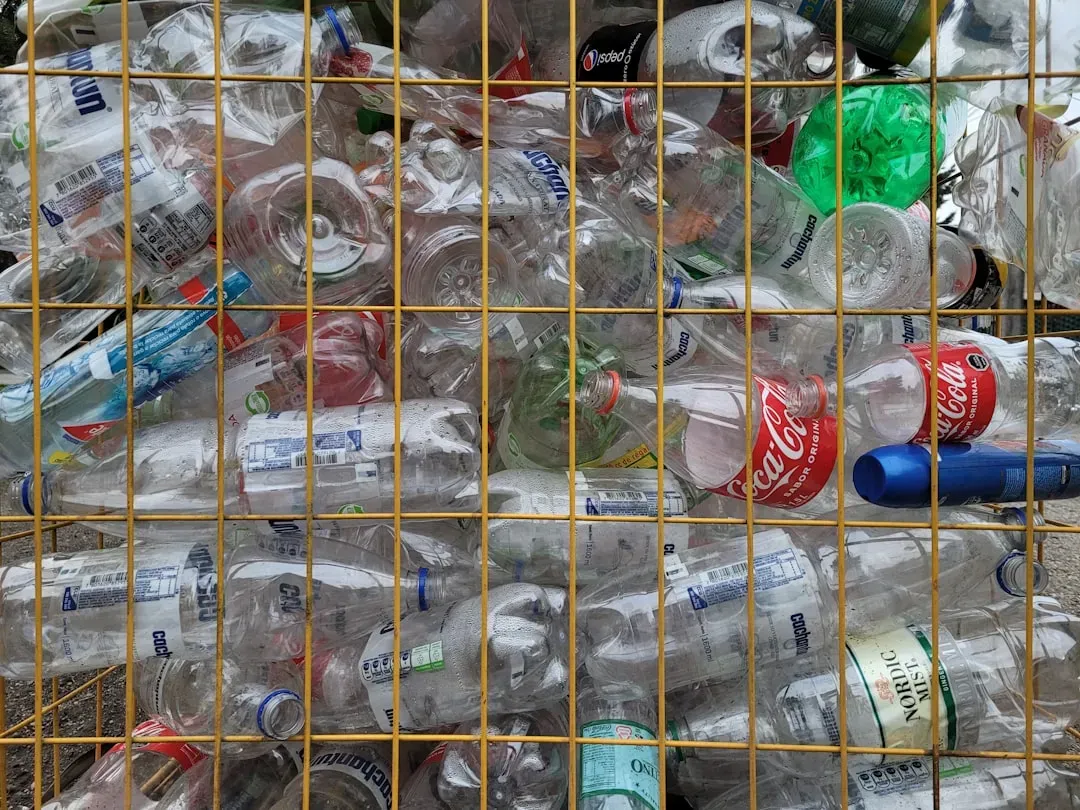
TerraCycle develops custom supply chains to collect and process unique recycled materials that tell a story – from beach plastic to festival waste and more – for integration in brands’ primary packaging. TerraCycle is a global leader in the collection and recycling of pre- and post-consumer waste that is generally incinerated or landfilled, operating national programmes in 21 countries. Festivals are increasingly partnering with such companies to tackle materials that traditional recycling programs can’t handle. This expansion of circular economy initiatives means items once destined for landfills are finding new life, turning waste into a resource rather than a burden.
Biodiversity and Habitat Restoration Gain Ground

Laneway Festival offset carbon emissions from touring personnel flights by protecting 100m² of critical habitat for biodiversity in SA and NSW Woodlands and Wetlands, and their audience planted the equivalent of 350 trees, with organizers matching their generosity, together planting 700 trees and restoring over 6,600m² of habitat. Echoes of Earth offers conservation education through workshops extending beyond the 3-day festivities, and held an event with local conservation experts called ‘Ensemble of the Wild: An Evening of Art, Culture, Music and Meaningful Conversations Around Conservation’, which explored the biodiversity of Western Ghats and ecosystems of Goa. Festivals are no longer just temporary parties on borrowed land – they’re becoming active participants in protecting local ecosystems and wildlife.
ISO 20121 Certification Sets the Bar

Corona Capital is now certified under ISO 20121, while the Autódromo Hermanos Rodríguez has incorporated solar energy and LED technology. ISO 20121 is a globally recognised standard that focuses on improving the economic, environmental, and social impacts of events by implementing a sustainability management system covering design, planning, execution, and reporting. The certification of Lollapalooza Berlin highlights Live Nation GSA’s extensive commitment to sustainability, specifically evaluating the three main aspects of sustainability: ecological, economic and social sustainability. Earning this certification isn’t easy, but it signals to attendees and partners that a festival takes environmental responsibility seriously enough to undergo rigorous third-party auditing.
Battery-Powered Stages Cut Diesel Dependence
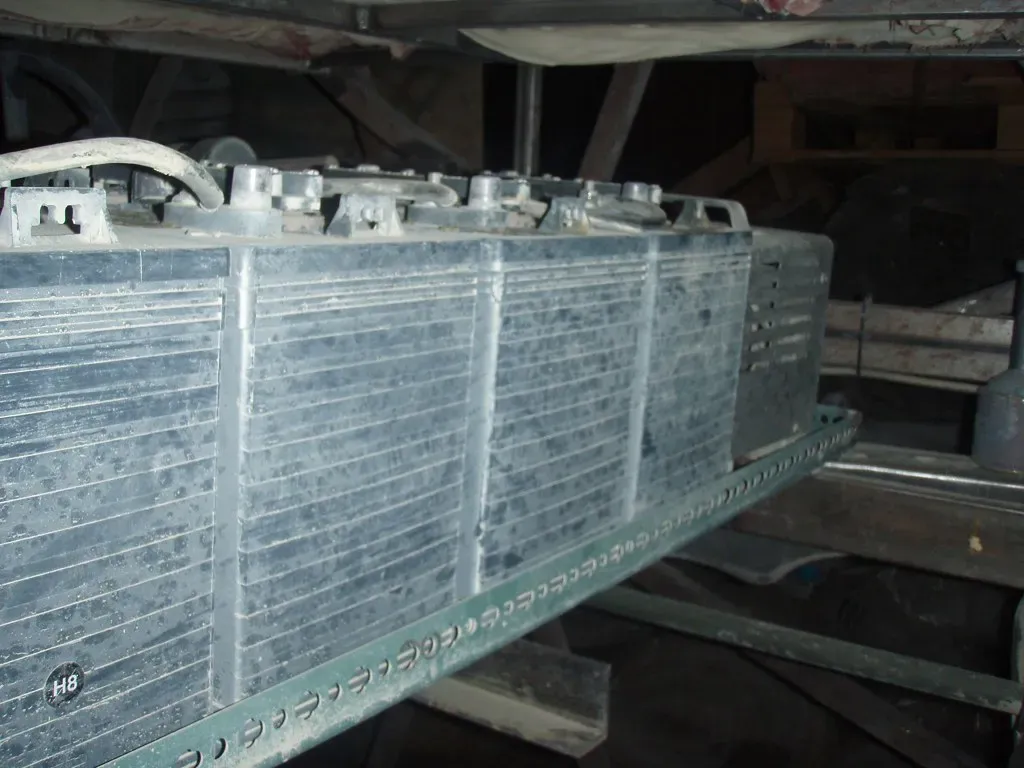
After its 2024 debut, Lollapalooza’s entirely battery-powered main stage returned to the festival this summer, with all lighting, audio and video components powered by a hybrid battery system, and Lolla organizers said that in 2024, this system resulted in a 67% reduction in both fuel use and greenhouse gas emissions over prior years. Experts point to transitioning from diesel generators to lithium-ion battery systems as the most impactful path to decarbonizing large-scale events, citing recent efforts by Chicago’s Lollapalooza, which has begun shifting its stages to hybrid lithium-ion battery systems charged with B14 biodiesel. Though scaling these systems across entire festivals remains a challenge, the technology proves that battery power can handle the demands of massive main stages.
Water Stewardship and Plastic-Free Initiatives Take Hold

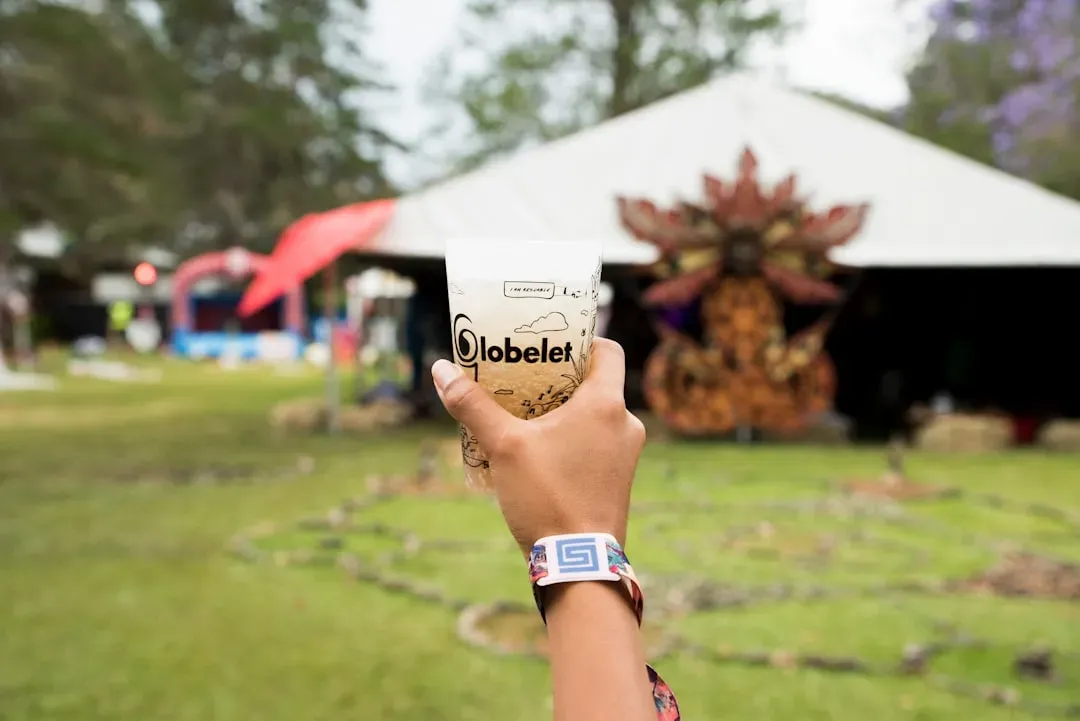
Water refill stations make it easy for festival-goers to stay hydrated without the waste, while reusable bottle programs are spreading rapidly. Lightning in a Bottle provides free water to reduce its plastic consumption, while Bonnaroo in Tennessee requires compostable utensils, and U.K. festivals Glastonbury and Shambala use reusable stainless steel bottles. The use of disposable plastic was reduced by 90% through a reusable cup system, mandatory sponsoring guidelines and water refilling stations for attendees’ own drinking bottles at Lollapalooza Berlin. Single-use plastics, once ubiquitous at festivals, are quickly becoming relics of a less sustainable past.
Local Food Sourcing and Plant-Based Menus Expand

We Love Green shows commitment on the food side: every food stand offers organic, local, and seasonal options, with special attention paid to minimizing the carbon impact of the menus. The catering service provided the 2022 Lollapalooza Berlin audience with a wider choice of vegan and vegetarian dishes, and staff were also able to access daily plant-based options in crew catering, with vegan and vegetarian-only days introduced for crew catering. Shifting toward less meat-intensive menus reduces the carbon intensity of festival catering while supporting regional farmers and food vendors who prioritize sustainability.
Waste Diversion Reaches New Milestones
Goldenvoice has donated almost 87,000 pounds of material and over 431,000 pounds of food and beverages from its festivals so far in 2025, with a total of more than 500,000 pounds of material donated. Miami’s longstanding dance festival Ultra reported diverting 96,537 pounds of waste, recycling more than 31,000 pounds of materials and saving nearly 19,000 pounds of usable food and beverages at this year’s festival alone. CO2 emissions in the area of waste management were reduced by 48% in 2022 compared to the 2019 festival at Lollapalooza Berlin, with the reduction in residual waste at 50% compared to 2019. These numbers reveal just how much perfectly usable material can be rescued from the waste stream when organizers prioritize donation, reuse, and recovery.
Community Engagement and Attendee Education Deepen Impact

Staffers from local colleges are on-hand to teach Cali Vibes attendees how to properly sort their waste into recycling, reuse, composting and landfill containers, and dumpsters are also clearly labeled with a color-coded system in English and Spanish. A pivotal moment came when Earth Day 2025 messaging was broadcast across all main stages at Lollapalooza India, urging the public to support renewable energy initiatives. Educating attendees turns passive festival-goers into active participants in sustainability efforts, creating ripple effects that extend far beyond the festival grounds and into everyday life.