AI Curates Your Perfect Festival Lineup
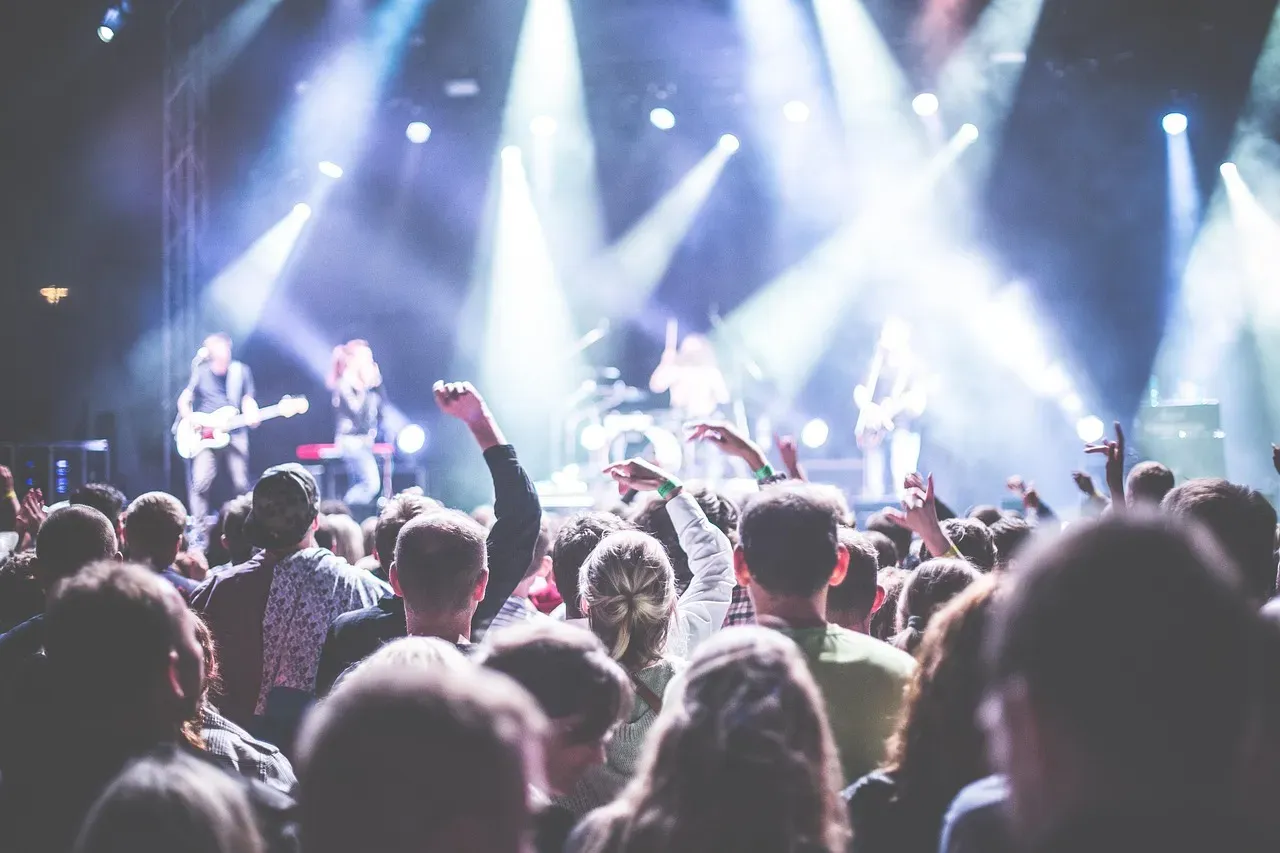
Artificial intelligence is already changing the way festival organizers build their lineups, and the technology can analyze viewer data and apply insights to optimize various technical elements of live streams. By analyzing real-time data on emerging artists across streaming platforms and social media, AI systems will identify up-and-coming acts that have the hallmarks of future success, alerting festival organizers to new talent that might not have been on their radar otherwise. Think about it, what if every festival you attended was perfectly curated based on your music taste, streaming history, and even social media activity?
Depending on how much data is collected, it may be possible to analyze music preferences of festival-goers based on their listening history and favorite artists, with AI then suggesting upcoming artists and performances that align with their tastes, creating personalized schedules based on their preferences and constraints. This isn’t some distant dream. Organizers are investing heavily in these tools right now, using them to predict which acts will draw crowds and which emerging artists deserve prime stage slots.
Climate Reality Forces Radical Festival Redesign

According to the 2024 report The Environmental Impact of Concerts by US-based NGO Seaside Sustainability, the average music festival produces 500 tons of carbon emissions over three days. That’s a staggering environmental footprint, especially when you consider the sheer number of festivals happening globally each year. The next decade will see festivals completely rethinking their approach, not just because it’s the right thing to do, but because extreme weather is making traditional festival setups increasingly risky and expensive.
Glastonbury 2023 was the first instalment of the festival to be run entirely by renewable energy, with all production areas either powered by electricity from fossil-free sources or run on photovoltaic solar panels and battery hybrid systems. Glastonbury banned single-use plastic bottles, preventing over a million from ending up in landfills. Other leading events are following suit, though the transition isn’t always smooth or cheap.
By 2024, 20% of assessed music festivals were either fully vegetarian or vegan, more than double the 8% reported the year before. Festivals are also embracing carbon offsetting programs and encouraging green transportation options for attendees, though critics question whether these measures go far enough.
Virtual Reality Brings the Festival to You
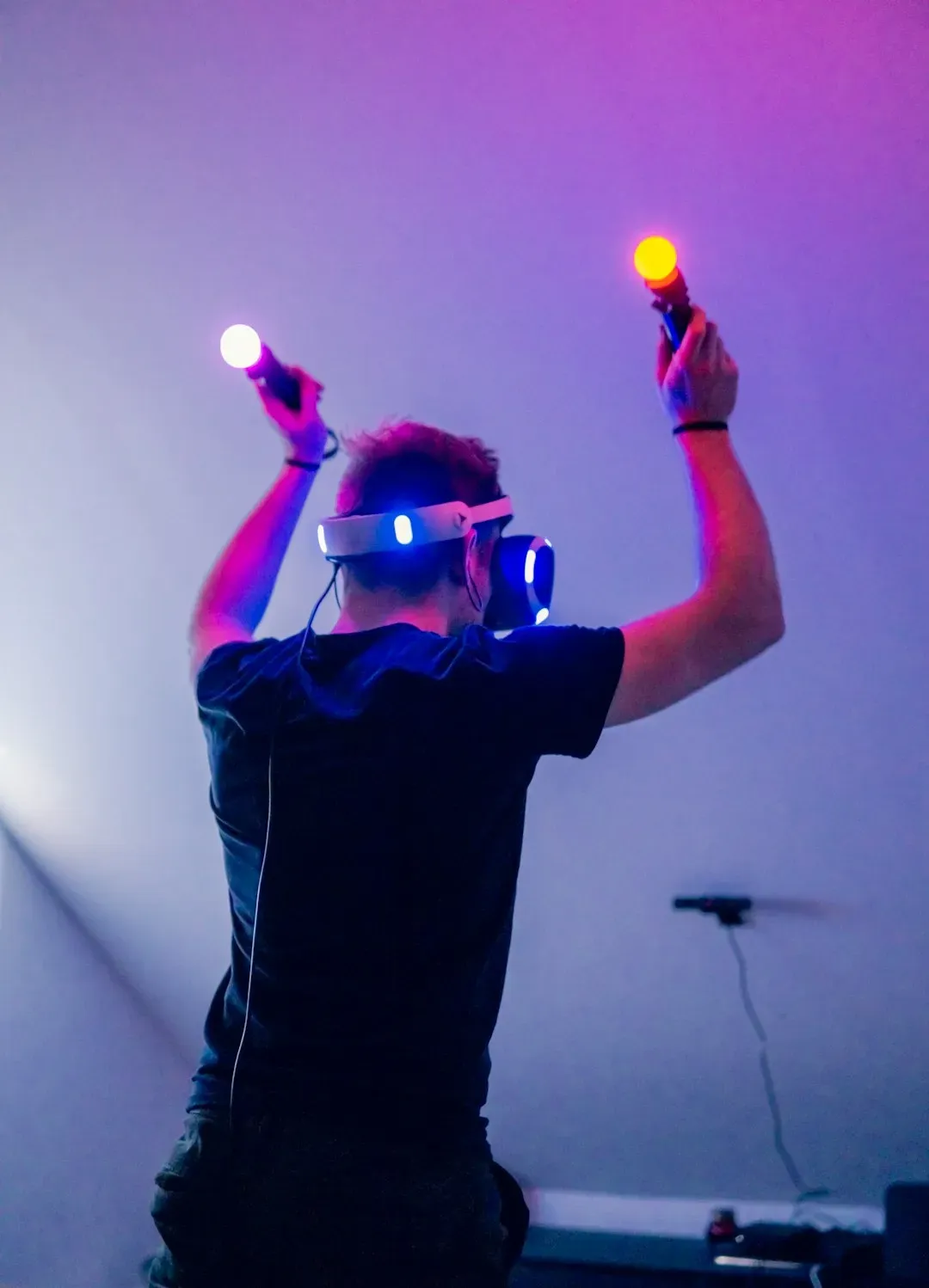
With virtual reality (VR) and 360° video, remote attendees can feel like they’re right in the middle of the action, with VR headsets allowing viewers to look around in any direction as if they’re standing at the front row, creating immersive remote viewing that is more engaging than a standard live stream. The technology has matured significantly since its early experimental days, and by the mid-2030s, VR festival experiences might rival physical attendance for certain demographics.
The peak viewership at the Travis Scott VR music concert in Fortnite reached an incredible 45.80 million, with over 37 million fans attending the Lil Nas X concert in Fortnite and Ariana Grande drawing an impressive 27 million people for her concert in Fortnite. These numbers dwarf most physical festival attendance figures. The economics are compelling for both artists and fans who can’t afford expensive travel and tickets.
Let’s be real here, though. The core magic of festivals – the collective energy of the crowd, the thump of bass festival-goers can feel pounding in their chests, the serendipitous encounters with other attendees – cannot be fully replicated in virtual reality, with VR simulating the visual and auditory elements of a concert but unable yet to bottle the atmosphere of tens of thousands of people singing along together or dancing under the stars.
Gen Z Completely Reshapes the Festival Experience
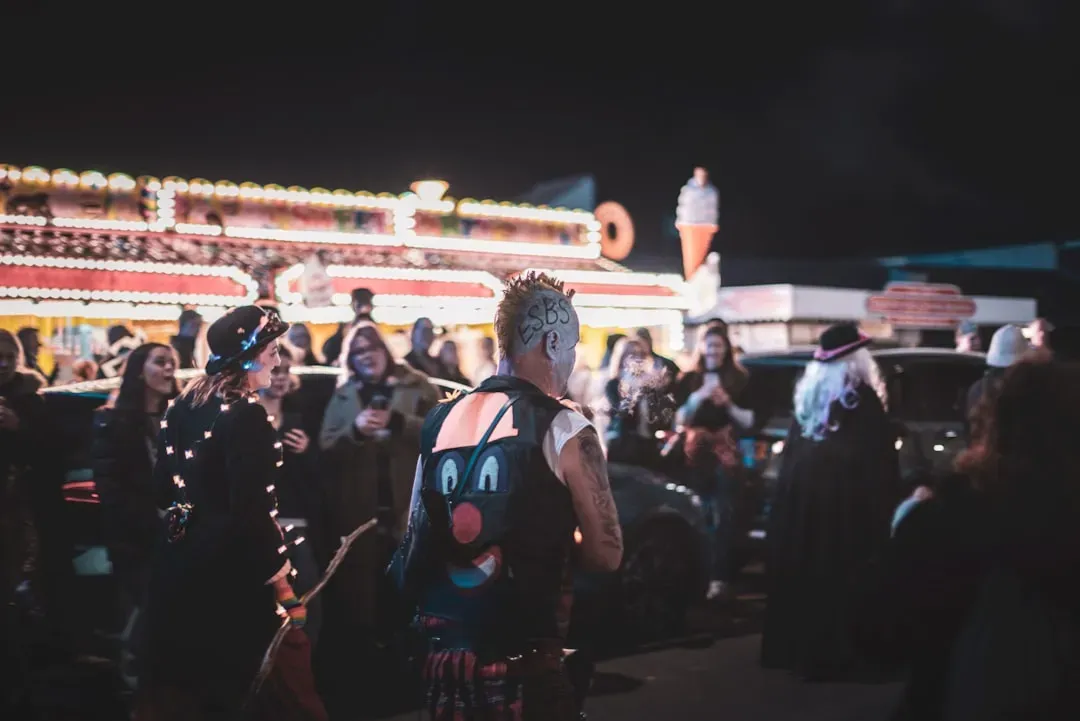
During the second quarter of 2024, Gen Z led all generations in their monthly concert spend with an average of $38 per month, which is 23% higher than the average U.S. music listener’s spend of $31, marking the first time Gen Z has reported spending the most on live music events in general in the history of Luminate Insights’ quarterly U.S. data. This generation is driving unprecedented change in how festivals operate and what they prioritize.
Six in 10 Gen Z festivalgoers were attending with the purpose of discovering new artists, as this is a generation that really takes pride in being the first to discover something, to share it with others, to be in the know. This fundamentally alters programming decisions. Festivals that once relied on massive headliners are now booking smaller, emerging acts to satisfy this discovery-driven appetite.
Among Gen Z music festival attendees, one in two of them agree that festivals are an excuse to travel, though while they are going big in terms of what they want out of festivals and their willingness to travel far, they aren’t partying as hard as other generations. They’re drinking less alcohol and demanding more wellness spaces, mental health resources, and inclusive environments where everyone feels safe.
Cashless Technology Becomes Universal Standard
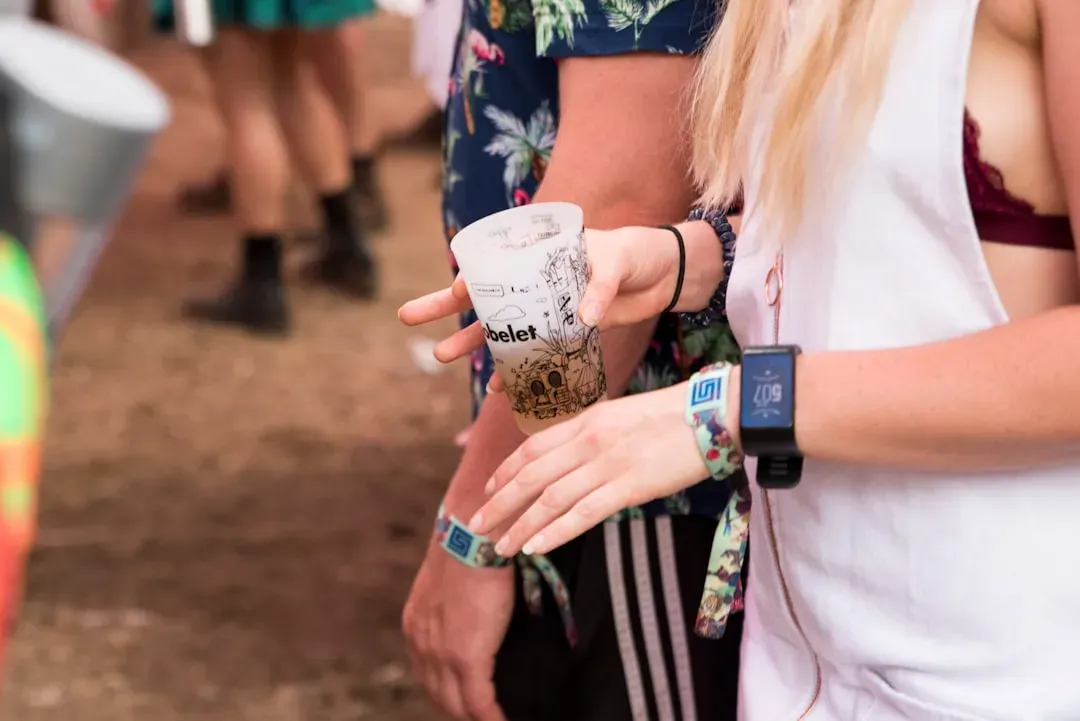
Cashless payments in the context of festivals refer to on-site transactions made using cashless wristbands equipped with RFID or NFC technology, which has transformed the operation of festivals by allowing financial transactions to become centralized with organisers accessing precise and detailed information about their sales in real-time while attendees benefit from the convenience of not needing cash. By 2035, carrying physical money to a festival will seem as outdated as mailing a letter to buy concert tickets.
The benefits extend beyond simple convenience. On average clients see a 22% increase in revenue when implementing cashless solutions. Festivals can track spending patterns, reduce theft and fraud, eliminate long queues at bars, and offer personalized promotions based on individual purchasing behavior. It’s honestly hard to see any major festival operating with cash a decade from now.
With this system, participants pre-load their wristbands, making their first expenditure happen before the festival which reduces the feeling of spending while at the event, and since attendees can reclaim any unspent money after the event, they are less likely to limit their recharges to immediate consumption. For organizers, this means better revenue forecasting and reduced operational costs.
Hybrid Events Become the Norm, Not the Exception
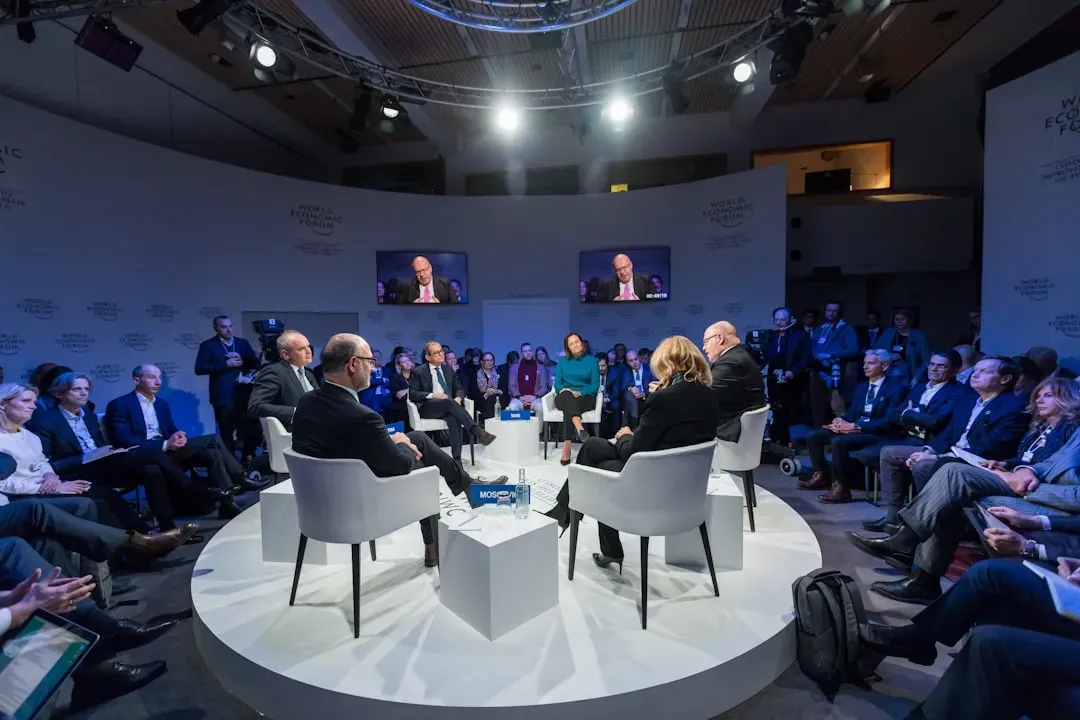
The pandemic pushed virtual events into the spotlight, and in 2025 hybrid festivals – where live and virtual audiences engage in real-time – are more common than ever, expanding the audience while creating unique layers of interaction. The next decade will see this model refined and perfected, with seamless integration between physical and digital attendees becoming standard practice.
Partner offer
Virtual attendees might control camera angles or vote on setlists, while those on-site can interact with digital avatars or access exclusive content on festival apps. This creates entirely new revenue streams for organizers. Why limit your festival to the capacity of a field when you can sell virtual tickets to millions globally? The economics make too much sense to ignore.
Artists benefit too, reaching audiences who would never have traveled to the physical event. It’s a win all around, though purists will argue that something essential gets lost in the digital translation. Maybe they’re right, or maybe the festival experience is simply evolving into something broader and more accessible than it’s ever been before.
Real-Time Data Transforms Festival Operations
By analysing data on waste management, energy consumption, and other factors, AI systems will help improve sustainability practices while AI can even reward visitors for sustainable behaviour in real-time, from choosing green travel options to recycling onsite and removing their tent at the end of the festival. Festival organizers are becoming data scientists, using sophisticated analytics to make split-second operational decisions.
Real time AI data analysis linked to festival-goer location can help identify overcrowding on festival sites, with the AI able to predict crowd movements and anticipate potential safety issues to organisers while the same data can be used to send alerts to festival-goers to avoid certain site locations at given times. Safety concerns have always plagued large gatherings, but now technology can prevent disasters before they happen.
Vendors can optimize inventory based on real-time sales data and weather forecasts. Stages can adjust schedules dynamically based on crowd flow. Medical teams can be deployed to areas showing signs of distress patterns in attendee behavior. It’s remarkable how much intelligence can be extracted from aggregated festival data.
Wellness and Mental Health Take Center Stage

Festivals have traditionally been a mecca for music and hedonism, but a new focus on wellbeing experiences is emerging as young people swap drink and drugs for mindfulness and yoga. This shift reflects broader cultural changes, particularly among younger attendees who prioritize mental health and self-care over traditional party culture.
Expect dedicated quiet zones, meditation spaces, therapy tents, and substance-free areas to become standard features at major festivals. Organizers recognize that creating these environments isn’t just socially responsible, it’s good business. Attendees stay longer, spend more, and return year after year when they feel physically and emotionally safe.
This doesn’t mean festivals will become boring or sanitized. Rather, they’re becoming more diverse in what they offer, catering to a wider range of preferences and needs. Some people want to rage until dawn; others want a yoga session at sunrise followed by a sound bath. The best festivals will accommodate both.
Influencer Marketing Dominates Festival Promotion

Compared to 2019, significantly more TikTok personalities appeared as top influencers, which is interesting as five years ago many of the top influencers were all either famous models, actresses, or former famous models and actresses, with a decline in legitimate fashion models influencing Coachella not meaning that fashion no longer matters. Social media stars now wield more promotional power than traditional celebrities, and festivals are adjusting their marketing strategies accordingly.
Sixty-nine percent of consumers trust what influencers recommend, which is a widely recognised statistic that’s growing, and people are actually buying from their influencers – people they see online, people that they trust, that they follow – and so they cannot be ignored. Festival organizers are spending significant portions of their marketing budgets on influencer partnerships, sometimes offering free VIP access in exchange for social media coverage.
The relationship between festivals and influencers will only deepen over the next decade. Expect curated influencer experiences, dedicated content creation zones, and even influencer-programmed stages or areas within festivals. It might feel inauthentic to some, but it’s undeniably effective at reaching younger audiences.
Personalization Reaches Unprecedented Levels

AI-powered apps can recommend activities, stages, and artists based on user interests, also optimizing event navigation by suggesting the best routes to avoid crowds or locate food vendors based on dietary preferences. The one-size-fits-all festival experience is dying, replaced by hyper-personalized journeys tailored to individual preferences and needs.
Imagine arriving at a festival where your wristband knows your music taste, dietary restrictions, physical limitations, and social preferences. It guides you to performances you’ll love, food you can eat, accessible pathways you can navigate, and even helps you connect with other attendees who share your interests. This technology exists now; it just needs to be integrated and refined.
Concerts now offer personalized experiences tailored to the preferences and desires of each attendee, with the future promising holographic projections of legendary artists to personalized concert experiences tailored to individual preferences. Some might find this level of personalization creepy or invasive, but younger generations seem perfectly comfortable trading privacy for convenience and customization. They’ve grown up in that world.
The next ten years will bring changes to music festivals that would seem unimaginable just a generation ago. Technology, climate pressures, shifting demographics, and evolving cultural values are converging to transform these events in fundamental ways. Some traditions will disappear; new ones will emerge. The festivals that survive and thrive will be those that embrace change while preserving the core magic that makes these gatherings special: the shared experience of music, community, and joy. What would you want your ideal festival of the future to look like?
Partner offer
Planning a trip to Vegas?
Compare hotel rates and show tickets on VEGAS.com.