A lot of finished songs begin as something small. It might be a phrase overheard in a grocery store, a melody hummed into a phone, or a title scribbled on the back of a receipt. The distance between that fragment and a three minute record is where the actual craft lives.
Professionals rarely wait for inspiration to hand them the rest. They use repeatable habits, from testing a line’s meaning to shaping where it lands in a verse. Here’s how that process usually unfolds.
Start by Testing Whether the Line Can Carry Weight
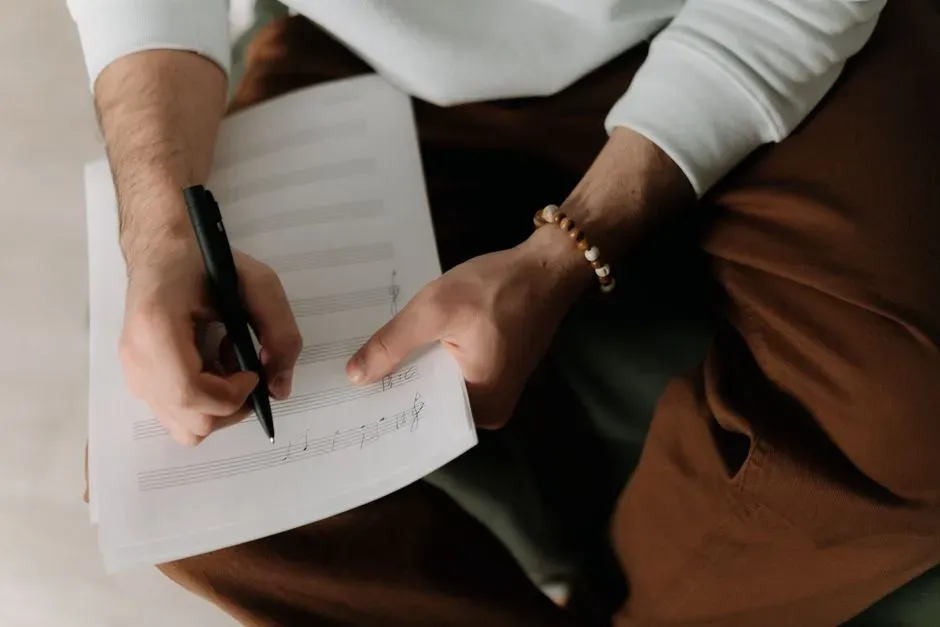
Not every good line deserves a whole song. Songwriters often ask whether a phrase has more than one possible meaning, because a line that can be read two ways gives them room to build. A title like “Jolene” or “Hello” works because the listener supplies emotion before a second line is sung.
Many writers keep a running list of ideas in a notes app or notebook, then return to see which ones still feel alive weeks later. That delay acts as a filter. If a line still interests you after the novelty fades, it probably has legs.
Decide Who Is Speaking and Who Is Listening
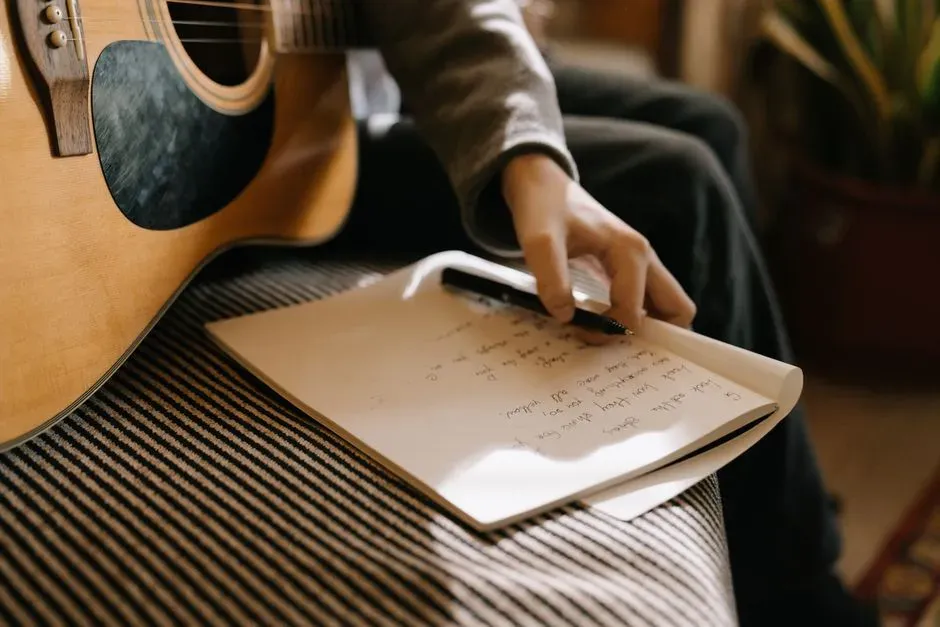
A single line becomes a story once you know the narrator and the person being addressed. Is this a confession to an ex, a note to a younger self, or a conversation overheard from across the room? That choice shapes word choice, tone, and how much detail the song can hold.
Writers often draft a quick sentence describing the situation in plain prose. It sounds dull, though it keeps the verses from wandering. When the second verse drifts off topic, that sentence is the thing they check it against.
Find the Melody That the Words Already Imply

Spoken phrases have a natural rhythm, and skilled writers listen to it. Say the line aloud several times and you’ll notice which syllables want emphasis. Those stresses often suggest where the melody rises and where it settles.
Many writers record a rough vocal idea on a phone before touching an instrument. Voice memos are a standard tool in modern writing sessions because they capture a shape before it’s polished. The goal at this stage is to keep the idea, not to perfect it.
Choose a Structure That Serves the Idea

Most commercial songs follow a familiar layout of verse, pre-chorus, chorus, and bridge. The reason is practical, since repetition helps listeners remember a hook. Writers decide early whether the original line belongs in the chorus as the central message or in a verse as a detail that leads toward it.
Placement matters more than people expect. A line used as a title typically appears at the start or end of the chorus, where it gets the most attention. If it’s buried mid verse, it often needs rewriting to stand out.
Partner offer
Build the Chorus Around the Core Emotion

The chorus carries the song’s main promise, so writers treat it as the anchor. They look for language that is simple enough to sing along to after one listen. Short vowels and open sounds tend to be easier to hold on high notes.
Once the chorus exists, the verses become a matter of explaining why it matters. Each verse adds a new angle instead of repeating the same point. That’s how a plain phrase starts to feel earned by the time the listener hears it again.
Use Concrete Images in the Verses
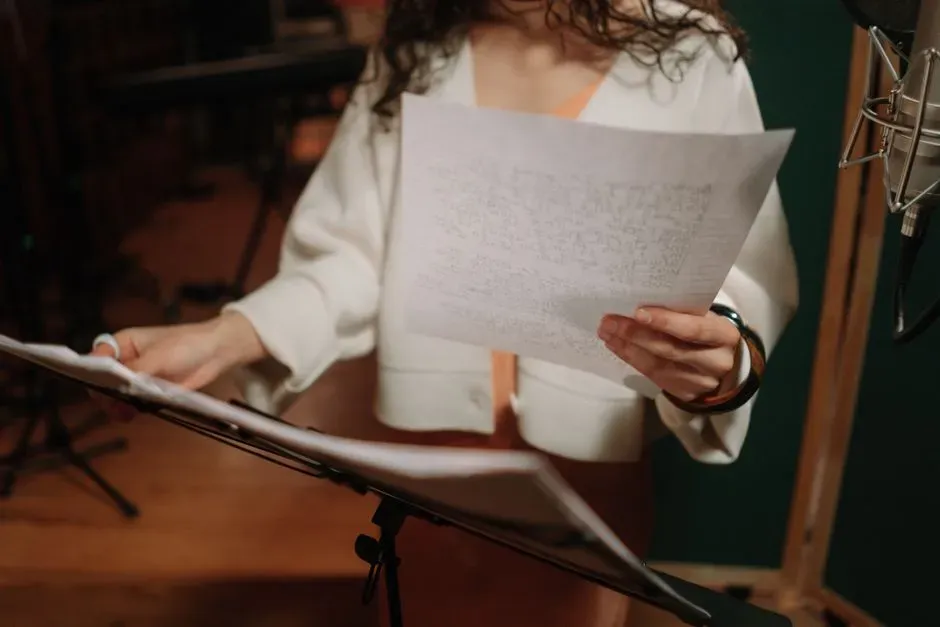
Abstract feelings are hard to connect with, so writers lean on physical details. A cracked phone screen, a half empty coffee cup, or a specific street name tells the listener more than a general statement about sadness. Specifics make a song feel personal even when the experience is shared by many people.
Writers often go back and swap vague words for sharper ones during rewrites. They ask what the character can see, hear, or touch in that moment. Small edits like that often separate a decent demo from a finished song.
Write in Collaboration When It Helps
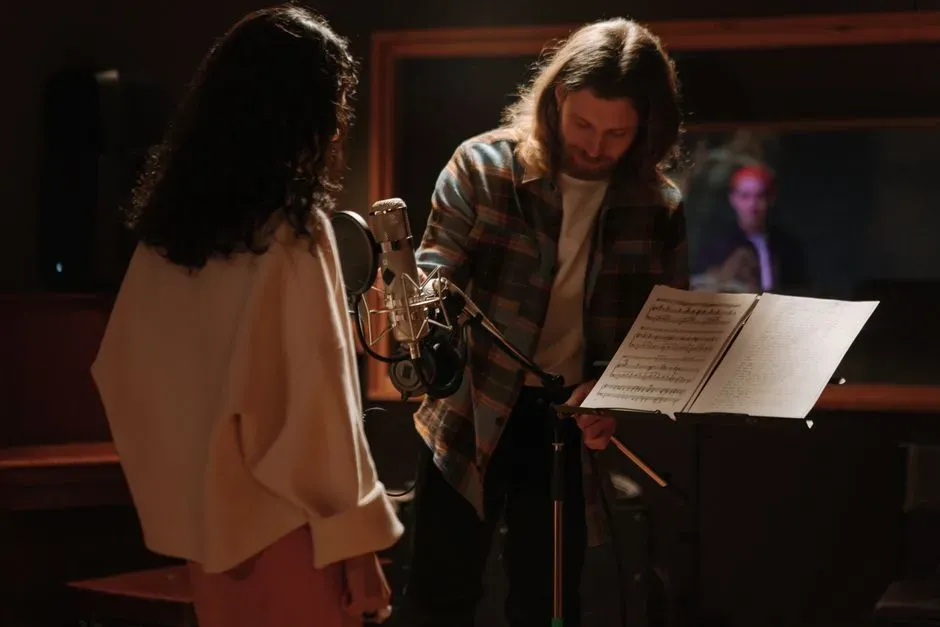
Professional writing is frequently a team effort. Songwriting credits on major pop releases commonly list several people, and co-writing sessions are a normal part of the Nashville and Los Angeles scenes. Another writer can spot a weak rhyme or suggest a twist the original author hadn’t considered.
Collaboration also helps when a writer is stuck halfway through. A fresh perspective can unlock the bridge or reframe the last verse. The original line stays at the center, but more than one set of ears shapes how it develops.
Revise Ruthlessly and Cut What Doesn’t Earn Its Place
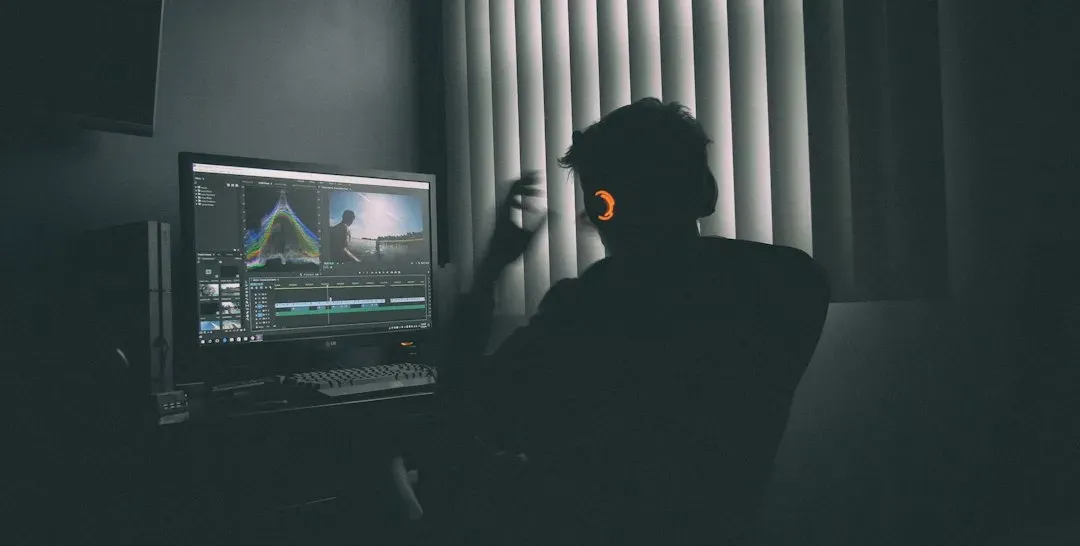
First drafts are rarely final. Writers read lyrics aloud, trim filler words, and remove lines that repeat an idea already made clear. A verse that felt clever at midnight can feel padded the next morning.
Many also test the song with a stripped down performance, just voice and guitar or piano. If it holds up without production, the writing is likely strong. If not, they go back and fix the structure before anyone starts layering sounds.
Record a Demo and Let the Song Breathe
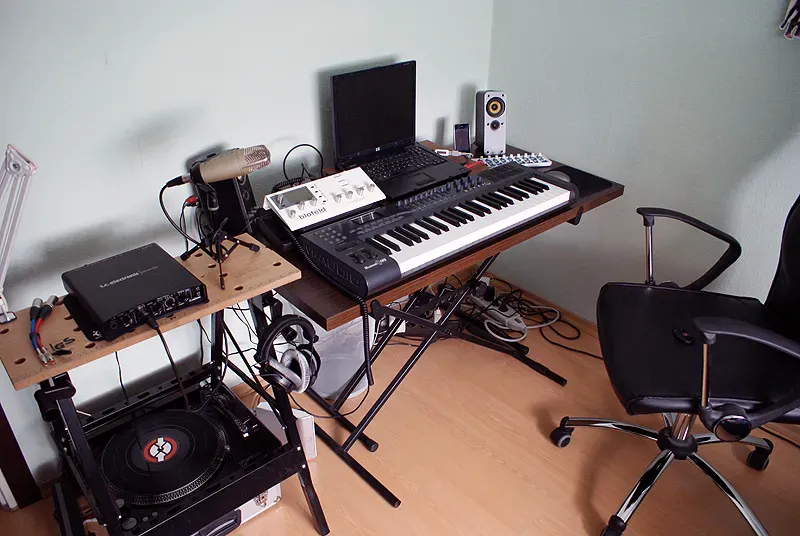
A demo turns the song from an idea into something others can judge. Modern home recording tools mean a writer can produce a usable version in a single afternoon. Publishers, artists, and producers often hear the song first in this form.
After recording, many writers set the track aside for a few days. Listening again with fresh ears reveals awkward phrasing or a chorus that arrives too late. Then they make final adjustments and the single line that began it all is a complete song.
Partner offer
Planning a trip to Vegas?
Compare hotel rates and show tickets on VEGAS.com.