Play an album in shuffle and it still works, more or less. Play it in the order the artist intended and something different happens: a mood builds, a joke lands, a quiet song feels earned. That effect rarely comes by accident.
Sequencing is one of the last creative decisions in a record’s life, and often one of the most debated. Producers, artists, engineers and label staff all have opinions, and the final order usually comes from a mix of instinct, physical limits and plain trial and error.
Starting With the Opening Track
The first song sets the terms of the listening experience. Some producers choose a strong, immediate track to grab attention, while others pick something that establishes the sound world of the whole record. Pink Floyd’s The Dark Side of the Moon opens with a heartbeat and ambient effects, which tells the listener to settle in rather than expect a hit.
Opening tracks also carry commercial weight. Labels often want a lead single near the top, since it’s the song most likely to have brought listeners to the album in the first place. A producer may agree or may push back, depending on whether that song suits the first impression.
The Legacy of the Two Sided Vinyl Record
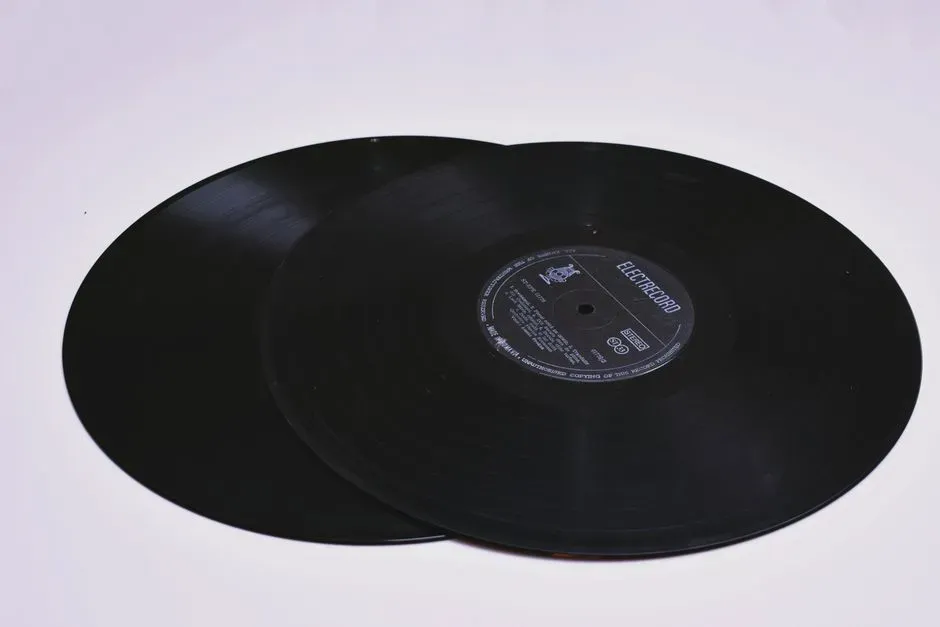
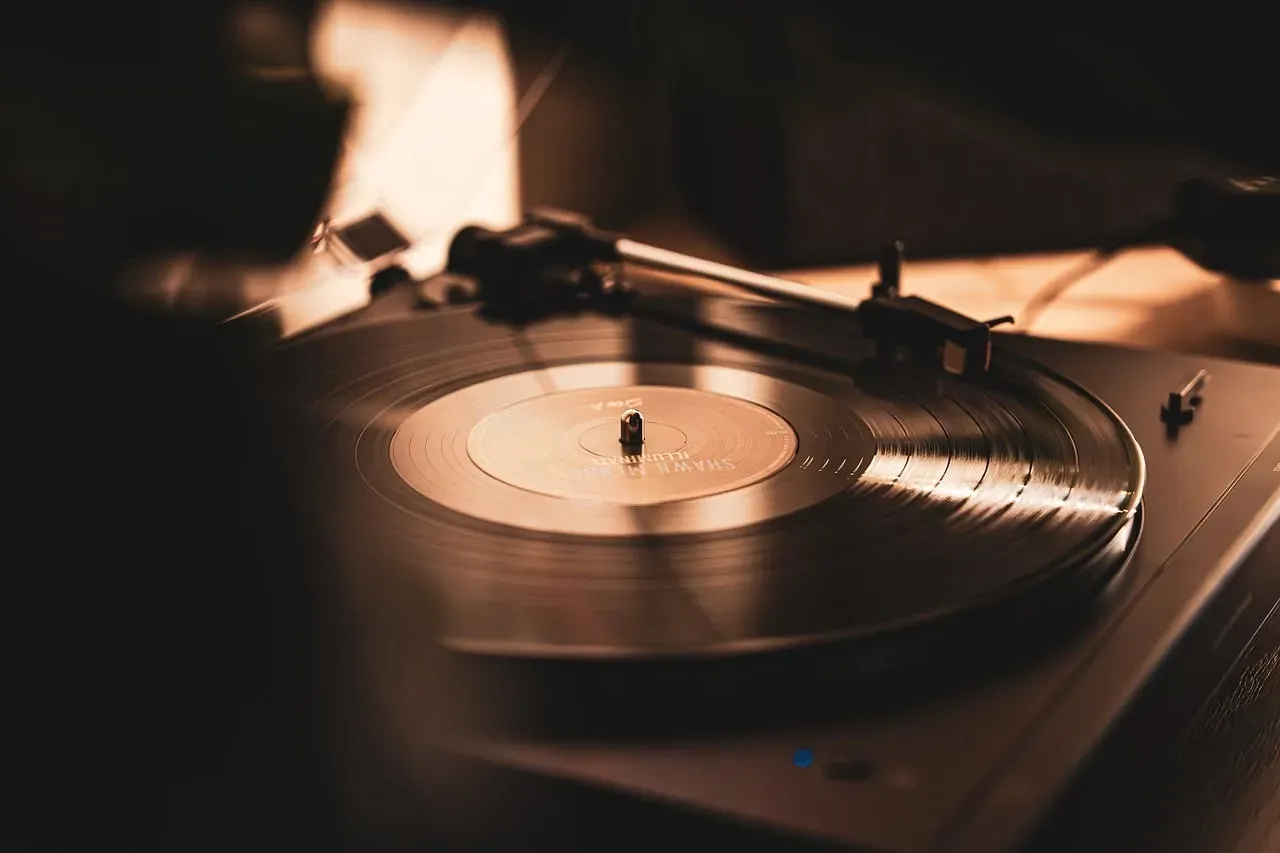
For decades, the long playing record shaped everything. A typical LP held roughly twenty to twenty five minutes per side, and sound quality could suffer if a side ran too long. So producers thought in halves, giving each side its own opener, its own midpoint and its own closer.
That habit survived the format. Abbey Road by the Beatles, produced by George Martin, builds its second half around a long medley of shorter pieces. Even listeners who stream it today feel the break where side one used to end.
Pacing and Energy Flow
Think of an album as a graph of intensity. Producers rarely want three slow ballads in a row or ten loud songs without relief. They place faster tracks beside slower ones so each feels stronger by contrast.
Tempo and key matter here too. Two songs in the same key at similar speeds can blur together, while a change of key or texture can refresh the ear. Many producers play rough sequences from start to finish and note exactly where their attention drifts.
Telling a Story or Building a Theme
Some albums are conceived as a single narrative, and then the order is nearly fixed. Kendrick Lamar’s To Pimp a Butterfly, for example, adds lines of a poem across the record and delivers the full piece at the end. Shuffling those tracks would break the device.
Even records without a plot often have an emotional arc. A producer might move from tension to release, or from confidence to doubt and back again. The goal is that the final track feels like an answer to the first.
Partner offer
Placing Singles and Standout Songs
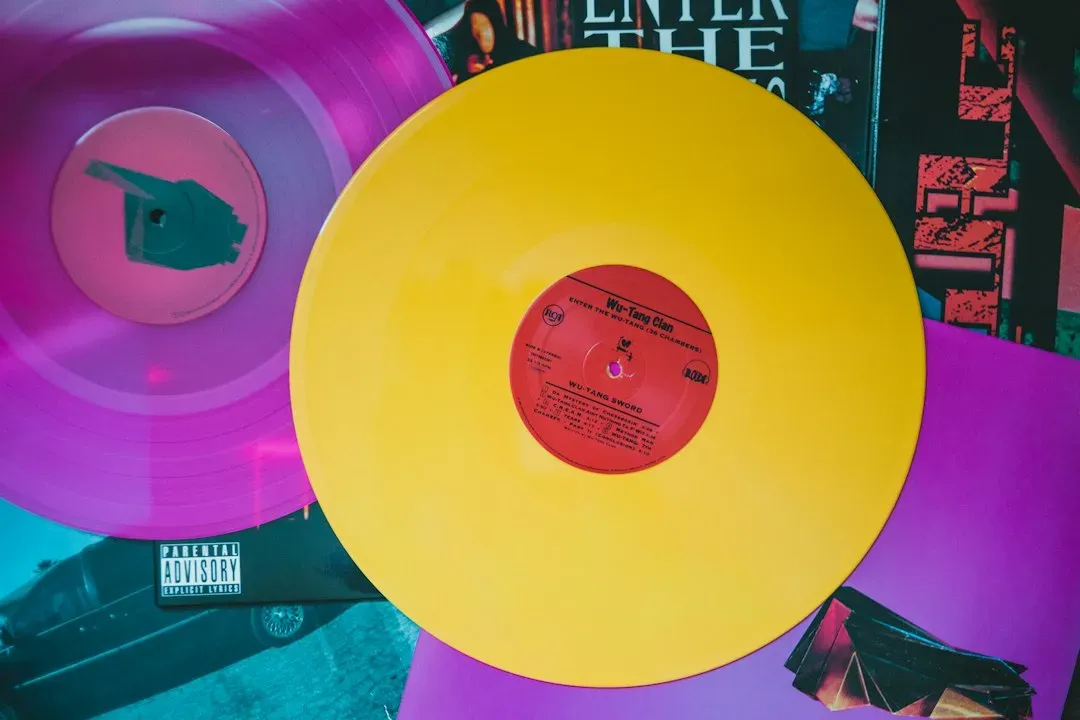
Hits are valuable, so where they sit is a strategic choice. Putting all the singles up front can make the back half feel thin, while spreading them out keeps momentum alive. Michael Jackson’s Thriller, produced by Quincy Jones, produced seven top ten singles in the United States, which shows how a record can be strong throughout.
Producers sometimes hide a surprising favorite in the middle. A weirder, less obvious song gets more room to breathe when it isn’t competing with the opener or the closer. Those slots are the most noticed, so the middle becomes a place for risk.
How Streaming Changed the Rules
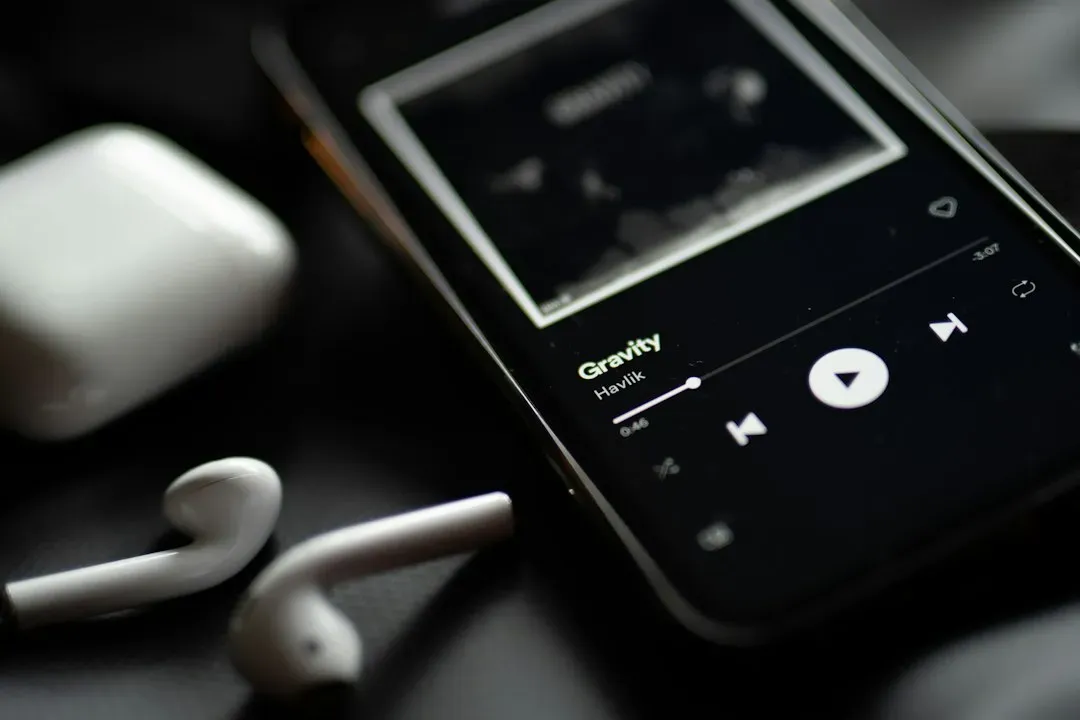
Streaming platforms count a play after about thirty seconds on Spotify, which pushes some artists to make tracks start fast and end sooner. Many producers now think harder about the first minute of every song and about how the early tracks perform. Shorter running times and front loaded sequencing have become common talking points in the industry.
Yet the album hasn’t disappeared. Vinyl has stayed popular, and in 2022 the RIAA reported that vinyl outsold CDs in United States revenue for the first time since 1987. That revival keeps the side by side thinking alive for artists who care about the physical object.
Gaps, Transitions, and Mastering Details
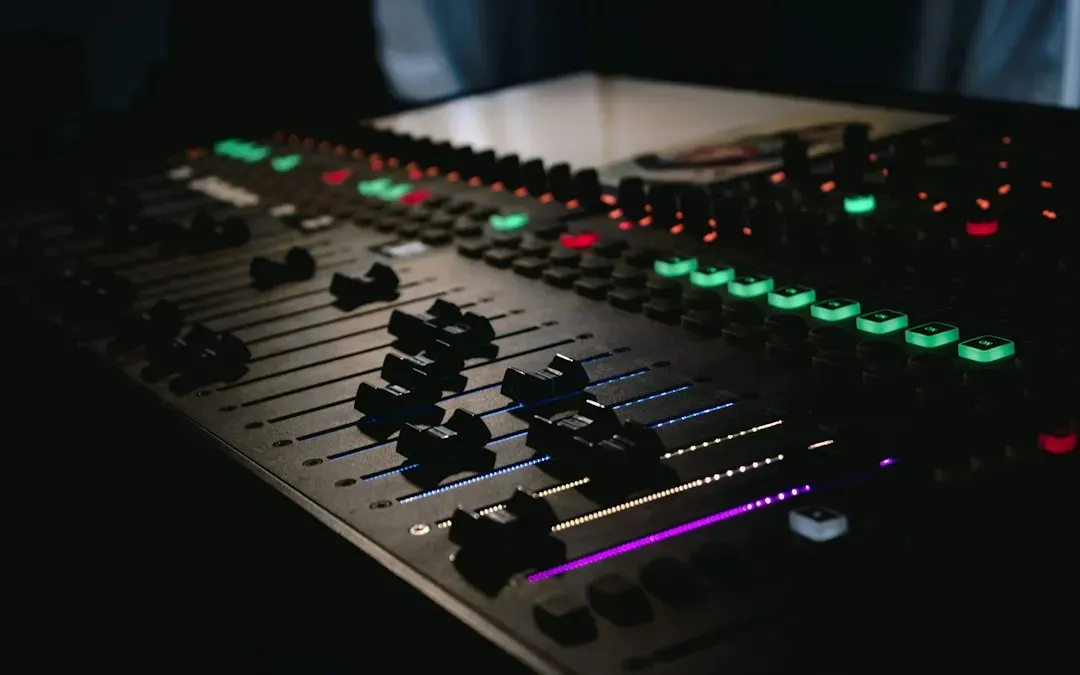
Sequencing isn’t only about order. It also covers the silence between songs, which a mastering engineer sets with precision. A gap of two seconds feels different from a gap of five, and some tracks flow straight into each other with no gap at all.
Crossfades, shared sound effects and matching endings help create that continuity. Gapless playback on most streaming services made these links practical for listeners. Producers often check the full sequence in the mastering stage and sometimes change the order again after hearing the gaps.
Testing, Debating, and Final Decisions
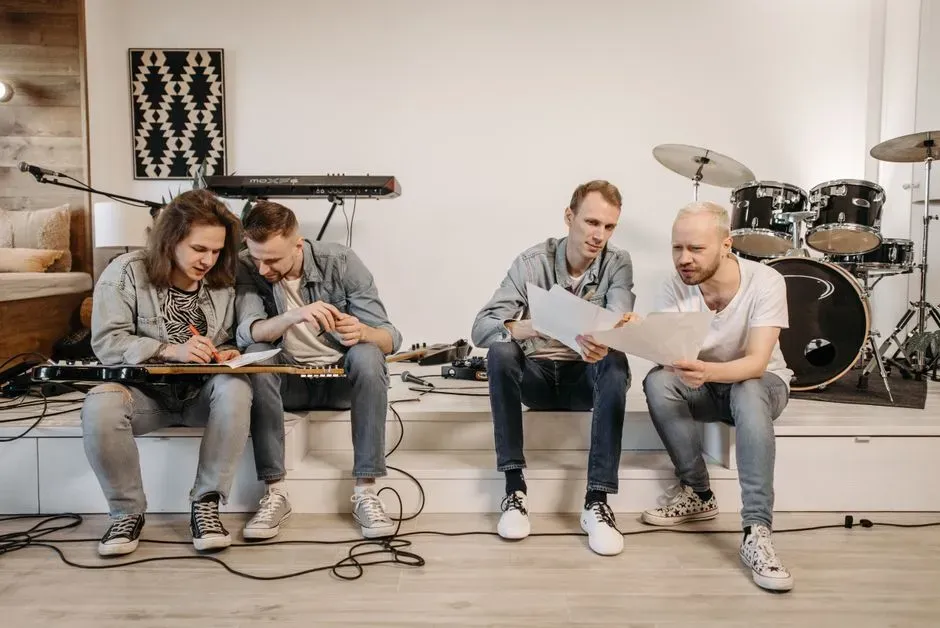
Most producers audition several sequences before settling. They listen on studio monitors, in a car and on headphones, because a song that works in one setting may drag in another. Printed track lists on a wall or a shared spreadsheet are common tools.
The final call is usually collaborative. The artist knows the story behind the songs, the producer hears the flow, and the label thinks about release strategy. When those views clash, a fresh listen on a different day often settles it.
Choosing the Closing Track
The last song decides what the listener carries away. Producers often pick something reflective, a big finale or a quiet fade, depending on the mood the album has built. Sgt. Pepper’s Lonely Hearts Club Band ends with a long, sweeping piece that has stayed one of the best known closers in pop.
Sometimes the final track is a short surprise, such as a hidden song or a brief reprise. Either way, it should feel like a deliberate stopping point rather than a leftover. A good closer leaves just enough room for the listener to start the album again.
Partner offer
Planning a trip to Vegas?
Compare hotel rates and show tickets on VEGAS.com.